Best Release Aid for a Zone A Bowhunt
For many California bowhunters, the annual Zone A season is an exciting, often challenging, start to the deer hunting calendar. The heat, the dense chaparral, and the wary blacktail bucks demand precision and confidence from every piece of your gear. If you've ever felt that frustrating struggle of target panic or an inconsistent anchor point, you know how crucial a good release aid is. This guide is here to help you navigate the world of archery release aids, ensuring you find the perfect match to give you the edge during your Zone A bowhunt.
Understanding the Unique Demands of a Zone A Bowhunt
Zone A, particularly during its archery opener, presents a specific set of challenges that can heavily influence your gear choices, especially something as critical as your release aid. It's not just about drawing a bow; it's about executing a clean, ethical shot under pressure, often in less-than-ideal conditions.
The Heat and Its Impact on Your Grip
One of the most immediate challenges of Bowhunting California's Zone A Season in July or August is the heat. We're talking triple-digit temperatures in some areas, and even if it's not scorching, it's typically warm enough to make you sweat. This isn't just uncomfortable; it directly affects your grip and feel on your release aid. A sweaty thumb or index finger can lead to inconsistencies. Imagine spending hours still-hunting through thick oak woodlands, your hands clammy, only for that fleeting shot opportunity to arise. If your release aid requires a very precise, dry grip, you might find yourself struggling to maintain consistent pressure and execution. Some hunters even find that their fingers swell slightly in the heat, making a snug finger-hole style release less comfortable over a long day.
Blacktail Deer Behavior and Shot Opportunities
Blacktail deer in Zone A are notorious for being cagey and often don't offer long, leisurely shot windows. They can be found in a variety of habitats, from dense coastal chaparral to more open oak forests, but they are generally alert. This means you often need to be ready to shoot quickly when a buck finally steps out. You might find yourself in an awkward position, leaning around a tree or drawing from a knee in thick brush. A release aid that allows for quick, positive engagement without fumbling, and can be easily manipulated even when adrenaline is pumping, is a huge asset. Shot distances can vary wildly, from a close-quarters ambush in a creek bottom to a longer shot across a small clearing. The ability to execute a surprise break with consistency, regardless of the distance, is paramount. Many hunters use mapping tools like GoHunt to scout likely ambush points in advance, giving them a mental picture of potential shot angles.
The Pressure of Limited Opportunities
Let's be real: deer hunting in California, especially for archers, can involve a lot of hard work for relatively few opportunities. When a Zone A blacktail finally presents itself, the pressure is immense. This isn't just about external factors; it's about the internal mental game. Many hunters experience target panic, a phenomenon where the mind and body conspire against a smooth shot execution, often triggered by the anticipation of the shot itself. Your release aid plays a significant role in mitigating this. A release that encourages a fluid, controlled follow-through rather than a punching motion can be a game-changer. Practicing regularly, perhaps even focusing on blind bailing to build a consistent shot sequence, is key. This mental aspect, combined with the physical demands, means your release aid needs to be a trusted extension of your hand, not a source of additional stress.
Types of Release Aids and Their Suitability for Zone A
Choosing a release aid isn't a one-size-fits-all decision. There are several main types, each with its own mechanics, benefits, and drawbacks. Understanding these can help you decide which style might best suit your shooting form and the demands of Hunting California's Zone A July Archery Opener.
Index Finger Releases: The Workhorse
Index finger releases are arguably the most common type, especially among bowhunters. They typically attach to your wrist via a strap, keeping them conveniently at hand and preventing drops. The mechanism is simple: you draw the bow, hook the release jaw onto your D-loop, and then use your index finger to depress a trigger, releasing the string.
- Pros for Zone A: Their main advantage is speed and simplicity. With the release strapped to your wrist, it's always there, ready to go. This can be crucial when a blacktail buck pops out suddenly from the dense cover. Many hunters find them intuitive to use, making them a good choice for those who might only shoot a few months out of the year. The solid connection to your wrist also means less chance of losing it in thick brush or during an intense stalk. They can be very forgiving for new shooters or those who prefer a crisp, immediate trigger break.
- Cons for Zone A: The primary drawback for some is the tendency to "punch" the trigger, especially under pressure. This can lead to accuracy issues, particularly with target panic. If your index finger is sweaty from the August heat or cold in the early morning, it can be harder to get a consistent trigger press. While some models offer highly adjustable triggers, the inherent "trigger pull" can sometimes make achieving a surprise release more challenging. For very precise shooting, some archers find them less consistent than other types.
Thumb Button Releases: Precision and Control
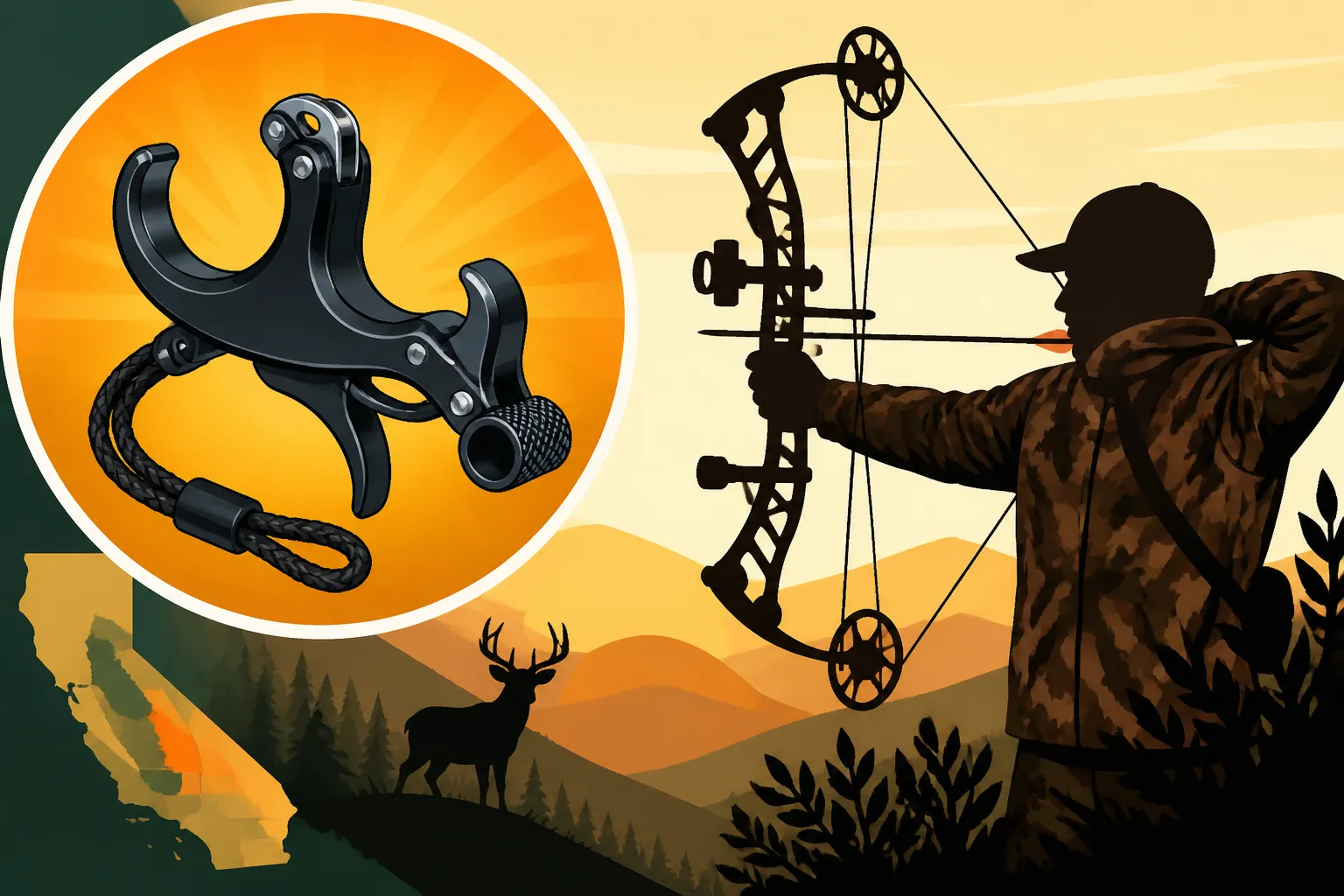
Thumb button releases, also known as thumb trigger releases, have gained significant popularity among hunters looking for a more consistent and precise shot. These releases are held in the hand, often with a three- or four-finger configuration, and the shot is activated by pressing a button with the thumb.
- Pros for Zone A: Many archers find that a thumb button encourages a more controlled shot process. Instead of "punching" an index finger forward, the thumb motion allows for more back tension to be engaged, leading to a smoother release. This can be a huge benefit for managing target panic, as it helps create a surprise break. The hand-held design can feel more natural to some, allowing for greater comfort and consistency in grip, which can be helpful during long periods of waiting in a stand or still-hunting. They offer a very clean break, which is essential for maximizing accuracy on wary animals.
- Cons for Zone A: The main potential downside is the risk of dropping it. Unlike a wrist-strap release, if you unclip it from your D-loop, it can fall. This is a legitimate concern when you're traversing rough terrain or setting up quickly. While many hunters solve this by using a lanyard attached to their wrist, it's an extra step. They can also take a bit more practice to master, especially if you're transitioning from an index finger release, as the shot process is different. For someone needing a truly instantaneous shot, the setup might feel slightly slower until muscle memory is perfectly developed.
Back Tension (Hinge) Releases: The Ultimate Surprise
Back tension releases, often called hinge releases, are the pinnacle of achieving a surprise shot. There's no trigger to press. Instead, the release fires as you rotate your hand and engage your back muscles, drawing through the shot until the mechanism "breaks."
- Pros for Zone A: For archers struggling with target panic, a back tension release can be revolutionary. By removing the conscious act of pressing a trigger, it forces you to focus on a consistent shot process and form, leading to a truly surprise release. This consistency translates directly to improved accuracy, which is vital for ethical hunting. Once mastered, the shot execution becomes incredibly smooth and repeatable, making it easier to hold steady on a blacktail that might only offer a small window of opportunity. This type of release can really hone your form, making you a better archer overall.
- Cons for Zone A: They have a steep learning curve. If you're not committed to significant practice, particularly before California Zone A Archery Opening Day, this might not be the release for you. The lack of a physical trigger can be unnerving at first, and without proper technique, it's easy to "punch" with your thumb (a common beginner's mistake) or have an accidental early release. While some hunters do hunt with hinge releases, they are generally considered more of a target archery tool, as the deliberate setup required might not be ideal for snap shots in a hunting scenario. However, many hunters use them religiously for practice to perfect their form, then switch to a thumb button or index release with a very light trigger for hunting.
Here's a quick comparison of these release types:
| Release Type | Key Activation | Common Use | Pros for Zone A | Cons for Zone A | Learning Curve |
|---|---|---|---|---|---|
| Index Finger | Trigger finger | Hunting, target | Fast, intuitive, always attached (wrist strap) | Can encourage "punching," less precise shot break | Low |
| Thumb Button | Thumb | Hunting, target | Encourages back tension, precise, clean break | Can be dropped (use lanyard), takes practice | Medium |
| Back Tension (Hinge) | Back muscle rotation | Target, advanced hunting | Eliminates target panic, ultimate surprise break | Steep learning curve, not ideal for snap shots | High |
Key Features to Look For in a Zone A Release Aid
Once you've considered the different types, it's time to dive into the nitty-gritty of features. The best release aid for your Zone A hunt will be one that complements your shooting style and offers the adjustability needed for consistent performance.
Adjustability and Customization
A truly great release aid isn't just a fixed tool; it's one that can be finely tuned to your hand and your shooting style. Look for models that offer a wide range of adjustability.
- Trigger Travel/Sensitivity: For index and thumb releases, the ability to adjust the amount of travel before the trigger fires and the weight of the trigger pull is paramount. Some hunters prefer a hair-trigger for a quick, surprise release, while others like a little more weight for safety and to prevent accidental firing under stress. For Zone A, where you might be shaking a bit from adrenaline, a trigger that's too light could be problematic, but one that's too heavy could lead to "punching." Experiment to find your sweet spot.
- Head/Jaw Swivel: Many wrist-strap releases offer a rotating head or jaw. This feature can be incredibly helpful for maintaining a comfortable and consistent hand position throughout your draw cycle and at full draw, especially when you're in an awkward shooting position around a tree or in thick brush. It allows the release to align naturally with your D-loop, reducing string torque.
- Finger Hole/Handle Size: For thumb button and back tension releases, the size and shape of the handle, and any finger holes, are crucial for a comfortable and repeatable grip. Some models allow for interchangeable finger pieces or offer ergonomic shapes to fit a variety of hand sizes. A poor fit can lead to inconsistencies and discomfort over long hunting days.
Durability and Reliability
Your hunting gear takes a beating, and your release aid is no exception. It's going to be exposed to dust, dirt, sweat, and perhaps even an accidental bump or two against a rock or branch as you navigate the rugged terrain of a national forest burn scar or a brushy ridgeline.
- Materials: Look for releases made from high-quality metals like aluminum or stainless steel. While plastic components might keep the cost down, they often don't stand up to the rigors of hunting as well. A robust construction means it will hold up to repeated use and resist damage.
- Mechanism: A reliable internal mechanism is critical. You don't want a release that sticks, misfires, or becomes inconsistent after a few hunts. Reading reviews and talking to other experienced archers can give you insight into which brands and models have a proven track record for durability. While I can't name specific brands for promotion, many reputable manufacturers prioritize robust design.
- Weather Resistance: While you're mostly concerned with heat in Zone A, dust and sweat are major factors. Ensure the release is designed to function smoothly even when exposed to these elements. Some releases have sealed mechanisms or minimalist designs that are less prone to collecting debris.
Comfort and Ergonomics
You'll be holding this release aid for hours on end, potentially in various stances and conditions. Comfort is not a luxury; it's a necessity for consistent shooting.
- Wrist Strap Design (if applicable): For index finger releases, the wrist strap itself matters. Look for a comfortable, breathable material that won't chafe or become overly sweaty. A well-padded strap can make a big difference, especially if you plan on Layering for Hot-to-Cold Zone A Archery Days where temperatures can swing from hot mornings to cool evenings.
- Handheld Fit: For thumb and hinge releases, how the body of the release fits in your hand is paramount. It should feel like a natural extension, not something you're gripping awkwardly. Experiment with different finger positions and handle shapes. A good fit promotes relaxation in your bow hand, which is crucial for accuracy.
- Weight: While not usually a primary concern, an overly heavy or light release can feel unbalanced to some. Most modern releases are designed to be lightweight enough not to be a burden.
Practice and Preparation for Your Zone A Bowhunt
No matter how great your release aid is, it's only as good as the practice you put in. A Zone A bowhunt demands not just technical proficiency, but also mental fortitude and a deep understanding of your equipment.
Dedicated Practice Sessions
Once you've chosen your release, commit to rigorous practice. Don't just fling arrows; make every shot count.
- Form and Repetition: Focus on consistent form, anchor points, and follow-through. A good release aid will highlight inconsistencies in your form, so use it as a tool for improvement. Set up a target at various distances, mimicking the varied shots you might encounter in the field. Practice drawing quietly, holding steadily, and executing a clean shot. Tuning a Bow for Broadhead Flight is also a crucial part of preparation, as broadheads can fly differently than field points, and inconsistencies can be exaggerated by a poor release.
- Simulate Hunting Scenarios: Practice from kneeling, sitting, and awkward standing positions. Try shooting after a quick walk to elevate your heart rate, simulating the exertion of a stalk. If possible, shoot with your hunting clothes on to get a true feel for how your gear interacts. Imagine a blacktail deer appearing suddenly and practice drawing and shooting quickly, yet smoothly. Many archers find shooting at 3D targets in a natural setting, perhaps on public land where it's allowed for practice, invaluable for simulating the real thing.
- Blind Bailing and Drills: For those using thumb or hinge releases, blind bailing (shooting at a blank target at close range without aiming) can be incredibly effective for developing a consistent surprise release. Focus purely on the execution of the shot process without the distraction of aiming. This helps build muscle memory and breaks the mental habit of anticipating the shot. There are also various drills you can find online or from an experienced coach to help you master specific release types.
Integrating Your Release with Other Gear and Techniques
Your release aid doesn't operate in a vacuum. It's part of a larger system that includes your bow, arrows, broadheads, and your overall hunting strategy.
- Gear Synergy: Ensure your chosen release works well with your D-loop material and length. A worn D-loop can cause inconsistent nock travel, impacting accuracy even with a perfect release. Pay attention to how your release interacts with your glove choice, especially if you're using a full-finger glove in cooler Zone A mornings. Everything should feel seamless.
- Scouting and Strategy: While your release won't help you find deer, a solid scouting plan will put you in situations where your perfected shot can shine. Utilizing resources like GoHunt can help you analyze terrain, identify potential bedding and feeding areas, and anticipate where deer might move. Knowing your hunting area, whether it's Hunting Coastal Range Oak Woodlands or a high-desert fringe, can inform your approach. The better your scouting, the less rushed your shots will likely be.
- Mental Preparation: Beyond physical practice, mentally preparing for the shot is critical. Visualize smooth draws, perfect anchor points, and clean follow-throughs. Understand that adrenaline will be a factor, and rely on your practiced muscle memory to overcome the pressure. A good release aid, one that you trust implicitly, will reduce one variable in a high-stakes situation, allowing you to focus on the animal and the shot execution.
Choosing the best release aid for your Zone A bowhunt is a personal journey, but by understanding the demands of the season, the nuances of different release types, and the importance of dedicated practice, you'll be well on your way to a successful and ethical harvest.
Disclaimer
This article is for general informational purposes only and does not constitute professional advice. Laws, prices and regulations vary by location and change over time. Consult a qualified professional for guidance on your specific situation.