Hunting a National Forest Burn Scar
California national forest burn scars create new feeding grounds for deer, and hunters can use new strategies to find game.
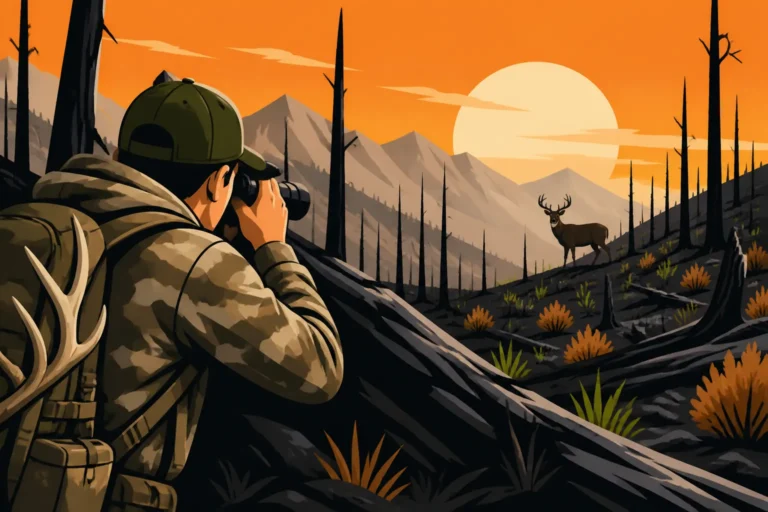
California national forest burn scars create new feeding grounds for deer, and hunters can use new strategies to find game.
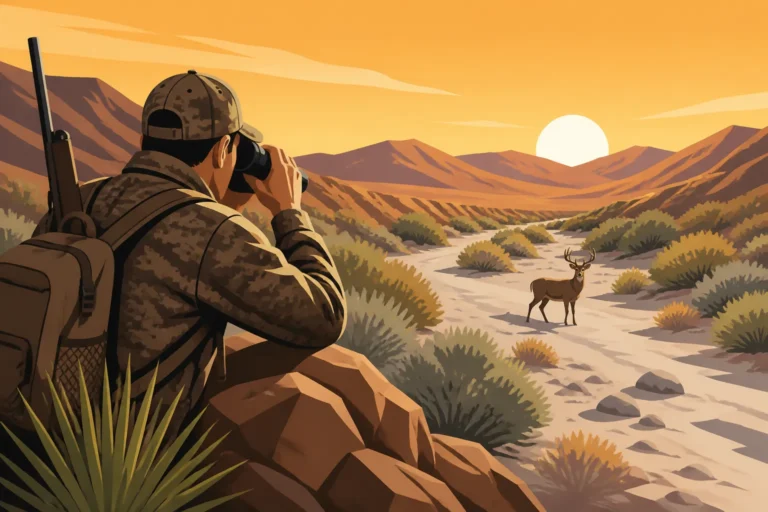
California desert mule deer hunting strategies, habitat features, and seasonal movement patterns for dry washes.
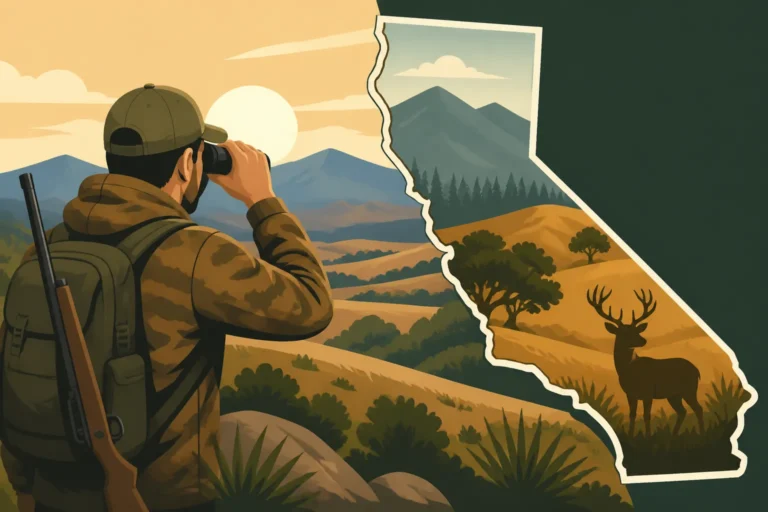
California public land scouting methods help hunters find deer, avoid seasonal pitfalls, and plan strategic opening day hunts.
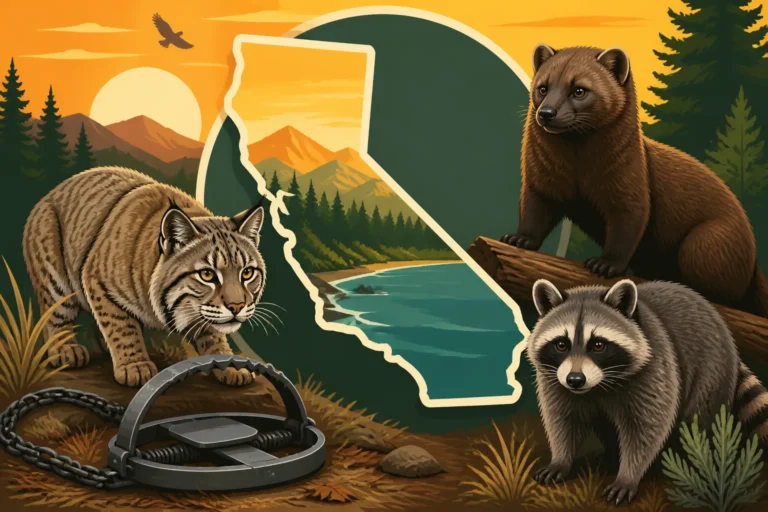
California furbearer trapping requires a valid license, adherence to Department of Fish and Wildlife regulations, and species seasons.
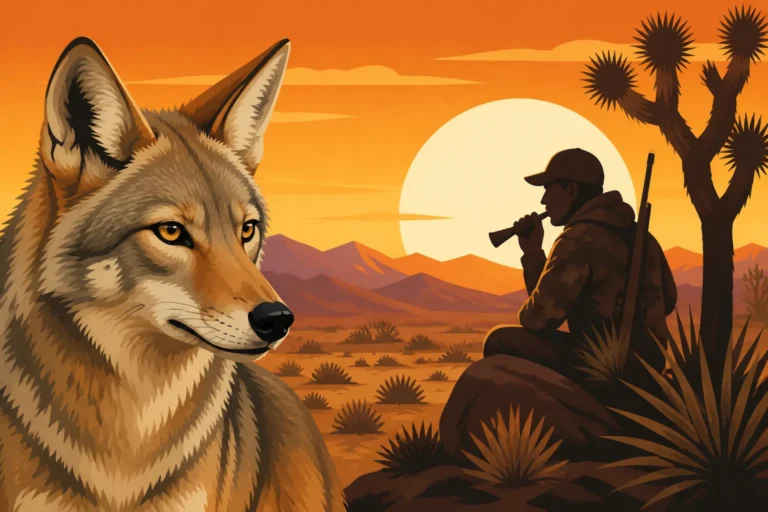
Specialized predator calling strategies and rugged gear help hunters target coyotes, bobcats, and gray foxes in the Mojave Desert.
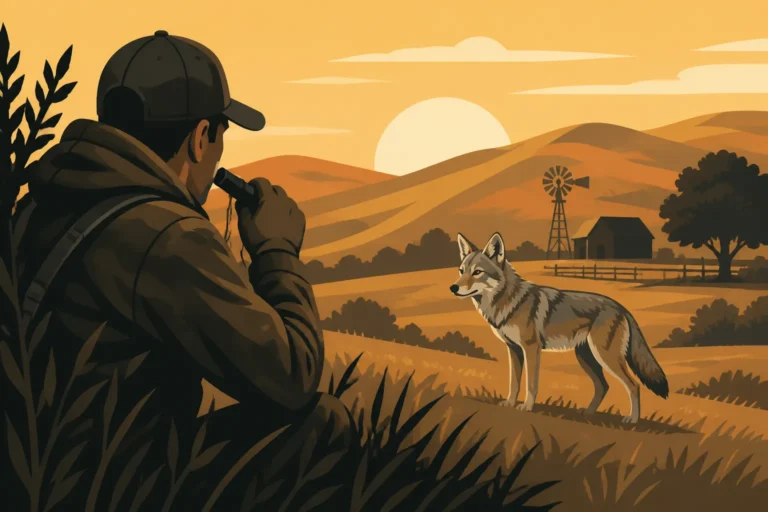
Coyote calling on California ranch land helps reduce predators by understanding local habits, prey sources, and pack territorial dynamics.
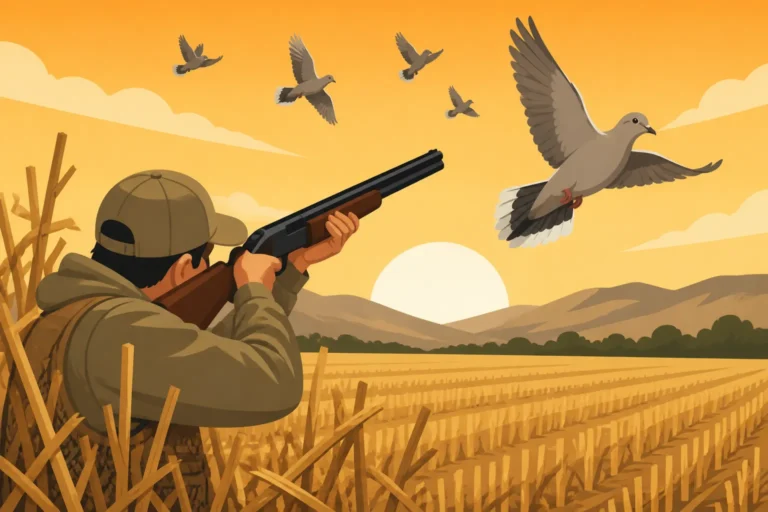
California dove hunting in cut grain fields relies on understanding daily flight patterns and scouting feeding locations.
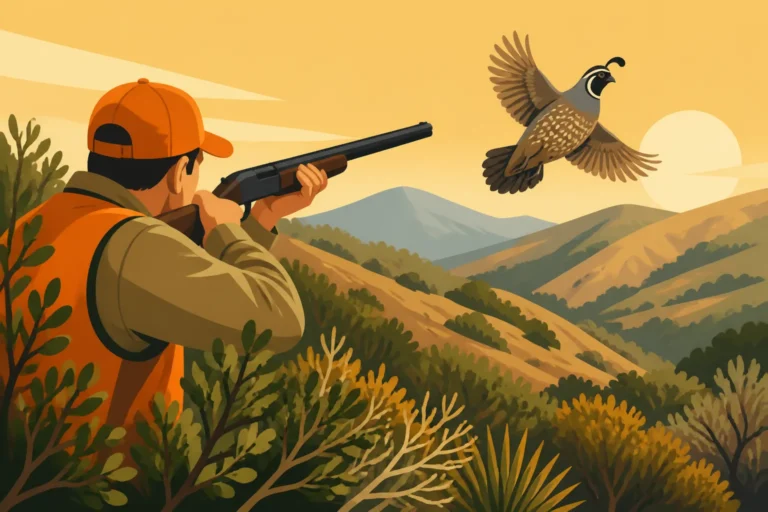
California valley quail habitat details, chaparral vegetation types, and water sources help hunters locate foothill coveys.
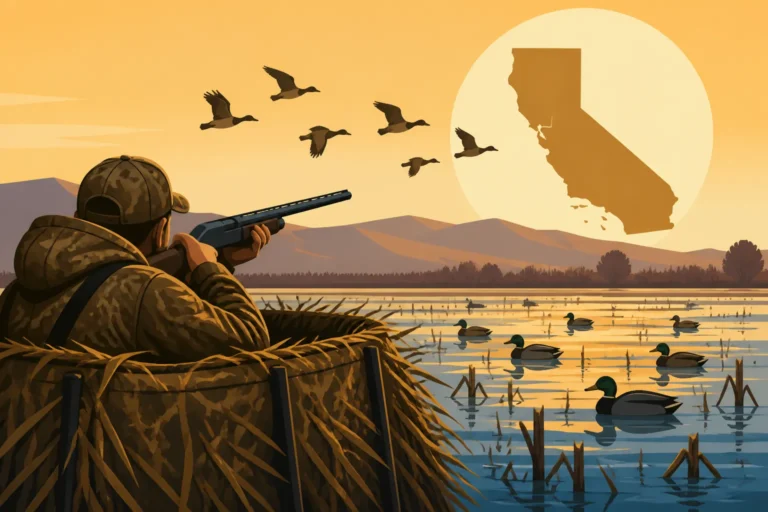
Layout blind hunting in California flooded fields requires specific concealment tactics and decoy placement to stop ducks and geese from flaring.
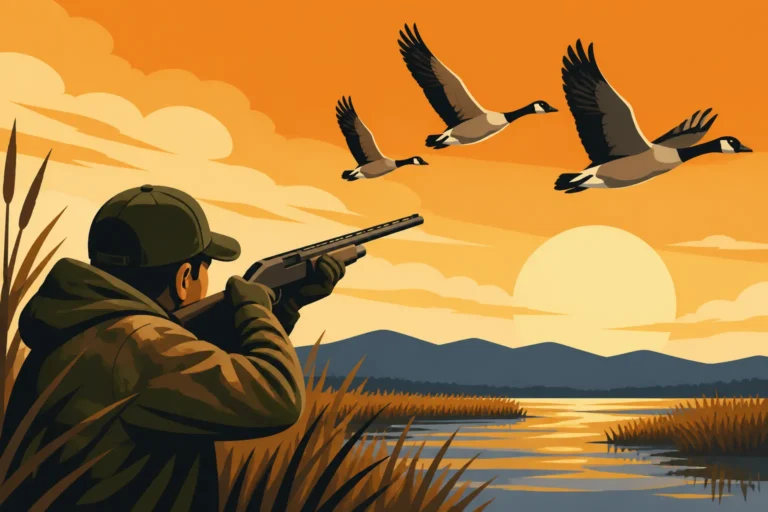
Pass-shooting geese on California Sacramento refuges requires understanding flight patterns, species behavior, and local weather conditions.