Hunting Los Padres’s Backcountry Wilderness Areas
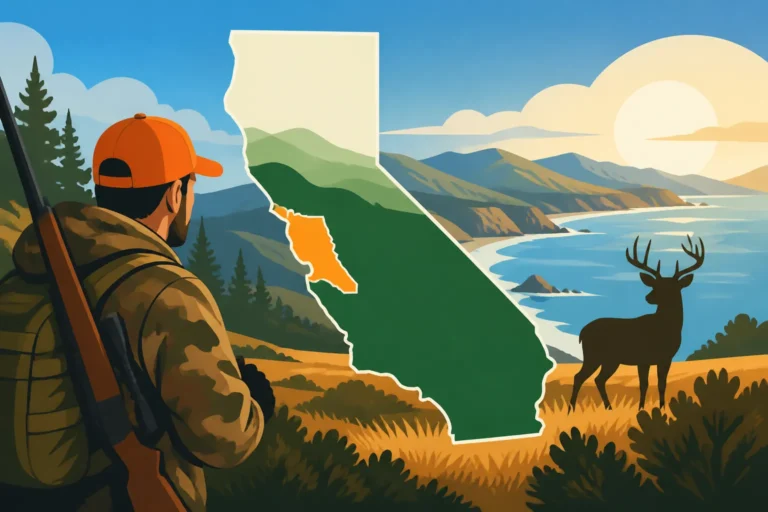
Venturing deep into the backcountry wilderness areas of California's vast Los Padres National Forest is a dream for many hunters, but it comes with unique challenges. The sheer scale, rugged terrain, and often extreme weather can be daunting, leading to frustration for those unprepared. This guide is designed to help you understand what it takes to successfully plan and execute a hunt in these remote, wild corners of California, maximizing your chances of a rewarding experience.
Understanding Los Padres's Unique Backcountry Environment
Los Padres National Forest stretches over vast acres, encompassing diverse landscapes from coastal chaparral to high-elevation pine forests. Its designated wilderness areas are particularly remote, offering an experience unlike hunting in more accessible public lands. These are places where you might not see another hunter for days, but they demand a high level of self-sufficiency and preparation.
The Rugged Terrain and Vegetation Challenges
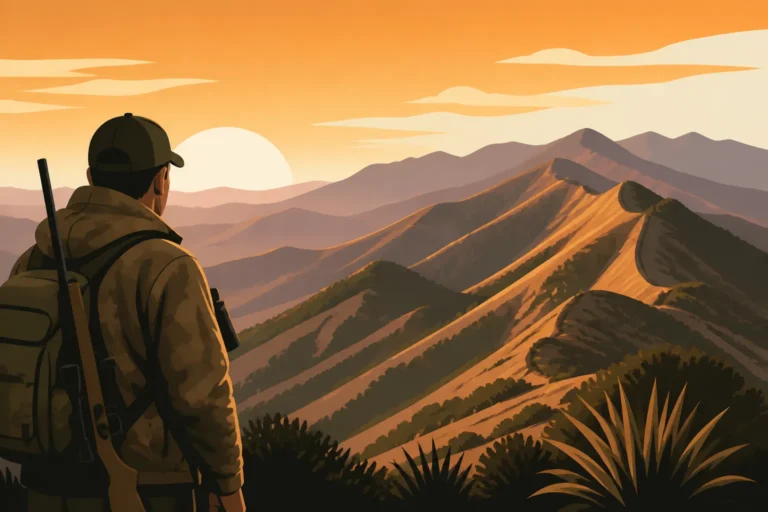
The terrain in Los Padres's backcountry wilderness is notoriously steep, brushy, and unforgiving. Think deep canyons cut by seasonal creeks, sharp ridgelines, and dense, thorny chaparral that can be incredibly difficult to navigate. This isn't your open timber country where you can walk for miles unimpeded. You'll often find yourself bushwhacking through dense scrub, climbing steep grades, and picking your way over loose rock. The vegetation, particularly the coastal sage scrub and chaparral, can be head-high and nearly impenetrable in places, making visibility limited and movement slow. This also directly impacts game movement and how you approach Hunting Coastal Range Oak Woodlands.
Consider the sheer physical toll this kind of terrain takes. A mile in the backcountry here can feel like three on a maintained trail. This isn't just about walking; it's about pushing through resistance, scrambling, and often needing to use your hands to climb. This directly influences your choice of Lightweight Boots for Steep California Sierra Terrain and calls for serious physical conditioning before your hunt. It’s also why understanding game trails and avoiding unnecessary bushwhacking becomes paramount.
Weather Extremes and Water Scarcity
Los Padres is known for its dramatic weather swings. Summers and early fall, when many deer seasons are open, can be brutally hot, with temperatures soaring well into the 90s or even higher in canyon bottoms. This heat not only impacts your comfort and endurance but also the activity patterns of deer and bears. Animals will typically move during the cooler hours of dawn and dusk, often retreating to dense cover or deep canyons during the heat of the day.
On the other hand, late fall and winter can bring significant rain, fog, and even snow at higher elevations. Navigating wet, slippery, and cold terrain presents its own dangers, from hypothermia to increased risk of falls. Water sources, especially during the hotter months, can be extremely limited or completely dry. You cannot rely on finding water easily, making carrying adequate supplies and a reliable water filter an absolute necessity. Knowing how Wind and Thermals in Steep Sierra Country behave is also critical, especially when combining hot days with deep canyons.
Wildlife and Lead Ammunition Requirements
Los Padres is home to a variety of wildlife, including Columbia blacktail deer, black bears, wild pigs, and numerous smaller game and predators. For deer, Los Padres primarily falls within California's Zone A, which means you'll be pursuing blacktail deer, often in dense cover. Black bears are also prevalent, and it’s important to be aware of their presence, especially if you're packing food or planning an overnight stay.
A crucial point for hunting in Los Padres, as with all hunting in California, is the statewide non-lead ammunition requirement. Specifically, in federal lands like Los Padres, this has been in effect for some time. You must use non-lead bullets for all hunting, regardless of species or firearm type. This means ensuring your rifle is sighted in with non-lead loads and carrying only approved ammunition. You'll want to review Choosing Non-Lead Rifle Ammunition in California well in advance of your hunt to ensure compliance.
Planning Your Backcountry Hunt: Gear, Logistics, and Regulations
A successful backcountry hunt in Los Padres isn't just about being a good shot; it's about being an expert planner and resilient outdoors person. The remoteness demands a high degree of self-reliance, as help can be hours, or even days, away.
Essential Gear for Deep Wilderness
Your gear selection is paramount for a backcountry hunt. Every item needs to be functional, durable, and as lightweight as possible. Think ultralight backpacking principles.
- Navigation: A reliable GPS device (like a handheld unit or a smartphone with mapping apps like onX Hunt) is non-negotiable. Cellular service will be spotty to non-existent, so offline maps are essential. Know how to use a physical map and compass as a backup. The onX Hunt app, for instance, allows you to download topo maps and public land boundaries for offline use, which is critical when Using an App for California BLM Land Status.
- Water and Filtration: Carry ample water, far more than you think you’ll need for a day hunt, especially in hot weather. A high-quality water filter or purification tablets are also a must for replenishing from seasonal creeks or springs, if you can find them.
- First Aid and Emergency Supplies: A comprehensive first aid kit is vital. Include items for cuts, blisters, snake bites (rare but possible), and emergency bivvy or space blanket. A satellite communication device (like a Garmin InReach or Spot device) is highly recommended for summoning help in areas without cell service. This is your lifeline if things go south far from a trail.
- Clothing: Layering is key, even if you anticipate hot weather. Mornings can be cool, while midday can be scorching. Pack moisture-wicking base layers, insulating mid-layers, and a waterproof/windproof outer shell. Consider Layering for Hot-to-Cold Zone A Archery Days strategies. Camo patterns that blend with chaparral and oak woodlands, like those discussed in Best Camo for Oak Woodland in August, will serve you well.
- Game Processing and Extraction: A sharp knife, game bags, and perhaps even a lightweight game cart are important. If you're successful, you'll need to field dress and quarter your animal quickly, especially in warm temperatures. A sturdy pack frame is essential for packing out meat over rugged terrain; you'll want to read about Packing Meat Out of a Steep Canyon.
Physical and Mental Preparation
Hunting Los Padres's backcountry is physically demanding. You need to be in excellent cardiovascular shape, with strong legs and core strength. Start a fitness regimen months before your hunt, focusing on hiking steep trails with a loaded pack. Practice navigating with your chosen GPS and map, even in non-hunting scenarios, to build confidence. Mental toughness is equally important. When you're miles from the nearest road, tired, hot, and potentially lost, staying calm and thinking clearly can make all the difference. Understand that things rarely go as planned, and adaptability is a virtue.
Before you go, make sure you've covered all your regulatory bases. Ensure you have your California Hunting Licenses and What They Cost and the appropriate deer tags. Remember, Los Padres is primarily in Zone A, so understand the specific California Zone A Season Dates for deer. Always double-check current regulations from the CDFW website before you head out, as rules can change.
Navigating Regulations and Access Points
While Los Padres is vast, designated wilderness areas have specific regulations regarding access, camping, and even fire restrictions. Always check the current fire danger and any temporary closures before your trip. Access into these areas is often via undeveloped trailheads or even just pull-offs along forest service roads. Roads can be rough, unpaved, and sometimes require high-clearance or 4×4 vehicles.
Familiarize yourself with the specific wilderness area you intend to hunt. Some areas may have restrictions on motorized vehicles, mountain bikes, or even group sizes. Using a mapping platform like GoHunt, in conjunction with onX Hunt, can help you identify designated wilderness boundaries and access points, as well as potential no-go zones. Always be respectful of private inholdings; using Finding California Property Lines on your mapping app is crucial to avoid accidental trespass.
On the Ground: Strategies for Success in Remote Wilderness
Once you're actually in the backcountry, your hunting strategies will need to adapt to the unique environment. This isn't just about spotting an animal; it's about sustained effort, smart movement, and efficient recovery.
Glassing Vast Canyons and Ridges
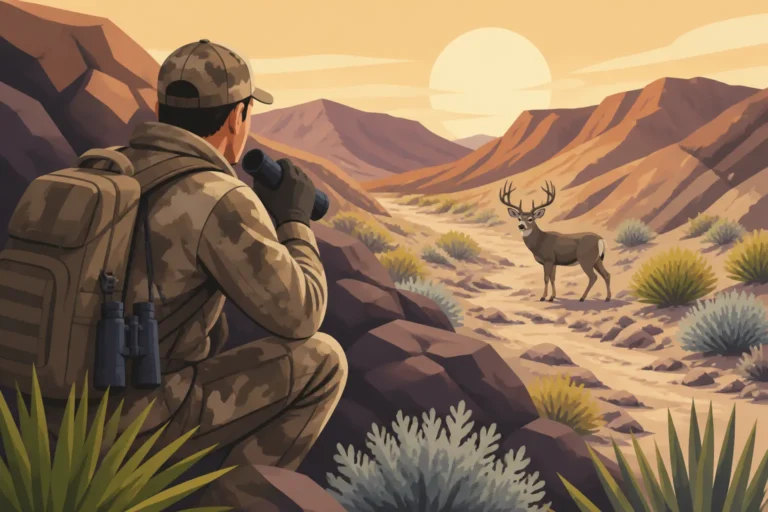
In such vast and often brushy country, effective glassing is crucial. Instead of crashing through thick brush, find high vantage points that offer expansive views of canyons, slopes, and distant ridges. Use high-quality binoculars and a spotting scope on a sturdy tripod. Many successful hunters in Los Padres spend hours perched on a ridge, systematically picking apart distant cover for movement, the flick of an ear, or the tell-tale horizontal line of a deer's back against the vertical vegetation. Optics for California's Open-Country Deer Hunting are essential.
When glassing, pay close attention to areas with a mix of cover and feed, particularly shaded north-facing slopes or canyon bottoms where water might persist longer. Focus on transition zones – where chaparral meets oak woodland, or where dense timber opens into a small meadow. These are natural travel corridors and bedding areas. Be patient; deer in this country can be incredibly adept at disappearing into seemingly sparse cover.
Hunting Water Sources and Bedding Areas
During the hot early season, water sources become magnets for deer and bear. While they can be scarce, identifying known springs, seeps, or reliable creek stretches on your map or scouting trips can be invaluable. Deer will often bed close to water, especially during hot spells, and visit these sources during the cooler parts of the day.
Scouting for sign around these water sources can reveal consistent travel patterns. Look for tracks, scat, and rubs. Similarly, identify prime bedding areas – typically dense, shaded spots on north-facing slopes, often just below a ridge top, offering both cover and an advantageous view downwind. If you can locate these, you might consider still-hunting into them during midday or setting up an ambush point for an evening hunt. Hunting a Water Seep at First Light can be a highly effective strategy.
Navigating Dense Cover and Still-Hunting Tactics
Much of Los Padres's backcountry involves dense cover. Pushing through this indiscriminately will only alert every animal within a quarter-mile. Instead, adopt a slow, deliberate still-hunting approach. Move at a snail's pace, taking only a few steps, then stopping to observe and listen for several minutes. Use your binoculars to scan every patch of cover ahead. This method allows you to move silently and detect animals before they detect you.
When moving through dense brush, use game trails whenever possible. These are natural thoroughfares that animals use, offering easier, quieter passage. However, be aware that you're also more likely to encounter game on these trails. Use the wind to your advantage; always try to move into the wind or with a crosswind. The thick cover will work both for and against you, providing concealment but limiting your shooting lanes. This is especially true when attempting to still-hunt like described in Still-Hunting California's Sierra Nevada Timber.
Safety and Ethical Considerations in Deep Wilderness
Hunting in Los Padres's backcountry isn't just about bagging an animal; it's about respecting the land, ensuring your safety, and upholding ethical hunting practices. The remote nature of these areas amplifies the importance of responsible conduct.
Dealing with Animal Recovery in Challenging Terrain
Perhaps the most daunting aspect of hunting in Los Padres's backcountry is animal recovery. If you are successful, you could be miles from the nearest road, in steep, brushy terrain. This is where your physical conditioning and gear become paramount. Quartering your animal in the field is almost always necessary. Having sharp knives, game bags, and a sturdy pack frame designed for heavy loads is non-negotiable.
Plan your extraction route before you take a shot. Consider the easiest path, even if it's not the shortest, to get the meat back to your vehicle. Remember, venison needs to be cooled quickly, especially in warmer temperatures. Field Dressing a Deer in Hot Weather and Dragging a Deer Out of a Steep Canyon require careful thought and preparation. If you're hunting with a partner, the task becomes significantly easier, but solo hunters must be prepared for an arduous, multi-trip pack-out. Don't underestimate the effort involved; a downed animal can easily turn a short hike into an overnight ordeal.
Preparedness for Medical Emergencies and Wildlife Encounters
Even with the best planning, accidents happen. A slip on loose rock, a twisted ankle, or an unexpected encounter with a rattlesnake are all possibilities. This is why a well-stocked first aid kit and a satellite communication device are so critical. Know basic wilderness first aid and how to use your emergency communication device. Practice activating it and sending a check-in message before your hunt.
Wildlife encounters, beyond your intended game, are also a possibility. Mountain lions, though rarely seen, are present. Black bears are common. Know how to react if you encounter aggressive wildlife. Carrying bear spray is a wise precaution, especially if you're camping overnight or processing game. Always keep a clean camp to avoid attracting animals. Best Bear Spray for Sierra Backcountry can be a life-saver.
Leave No Trace Principles
Backcountry wilderness areas are pristine for a reason: minimal human impact. It is crucial to adhere strictly to Leave No Trace principles. Pack out everything you pack in, including all trash, spent casings, and any food scraps. Dispose of human waste properly by digging a cathole at least 6-8 inches deep and 200 feet from water sources, trails, and campsites.
Minimize your impact on vegetation and soil by staying on existing trails or game paths when possible. Do not cut live trees for firewood; collect only dead, downed wood. Be mindful of campfires, especially during dry seasons; a small, contained fire in a designated fire pit is acceptable, but often, fire bans are in place. Always verify current restrictions. Leave the area as you found it, or better. This ensures these incredible places remain wild for future generations of hunters and outdoor enthusiasts.
| Backcountry Hunt Aspect | Day Hunt Considerations | Overnight Trip Considerations |
|---|---|---|
| Water Supply | Carry extra, consider filter as backup | Plan for multiple refills, reliable filter essential, identify sources in advance |
| Food | High-energy snacks, compact lunch | Dehydrated meals, camp stove, fuel, sufficient calories for sustained effort |
| Shelter | Emergency bivy/space blanket | Lightweight tent or tarp, sleeping bag, sleeping pad |
| Navigation | GPS with offline maps, physical map/compass | Same as day hunt, plus extra batteries/charging, detailed route planning |
| First Aid | Comprehensive kit, personal meds | More extensive kit, knowing advanced wilderness first aid is a plus |
| Emergency Comms | Satellite messenger recommended | Satellite messenger essential, fully charged |
| Game Recovery | Field quartering, game bags, pack frame | Field quartering, game bags, pack frame, planning for overnight stay if needed |
| Fire | Matches/lighter, fire starter, always check restrictions | Matches/lighter, fire starter, small axe/saw for wood, check restrictions |
Hunting Los Padres's backcountry wilderness is an adventure that tests your skills and your resolve. It's not for the faint of heart, but for those willing to put in the work, it offers an unparalleled connection to nature and the chance at a truly wild animal. By meticulously planning, conditioning your body and mind, and respecting the wilderness, you can have a safe, successful, and deeply rewarding experience in these remote California treasures.
Disclaimer
This article is for general informational purposes only and does not constitute professional advice. Laws, prices and regulations vary by location and change over time. Consult a qualified professional for guidance on your specific situation.