Choosing Non-Lead Rifle Ammunition in California
For California hunters, the transition to non-lead rifle ammunition has been nothing short of a seismic shift. What once was a straightforward trip to the sporting goods store now involves deciphering ballistic charts, researching new bullet designs, and often, dealing with sticker shock. It's frustrating to feel like the tools you've trusted for decades are suddenly obsolete, and many worry about how these new rounds will perform in the field. This comprehensive guide is here to demystify the world of non-lead rifle ammunition in California, helping you understand the requirements, make informed choices, and maintain your confidence when heading out for deer, elk, or bear season.
Understanding California's Non-Lead Ammunition Requirement
California stands apart in its approach to hunting ammunition, and understanding the nuances of the non-lead mandate is the first crucial step for any hunter. It's not just a suggestion; it's a statewide law that impacts every big game hunter, and knowing the specifics can save you a lot of headaches, or worse, a citation in the field.
The Statewide Mandate and Its Origins
The journey to California's non-lead requirement has been a long one, rooted in conservation efforts, particularly concerning scavenging wildlife like the California condor. These magnificent birds, along with eagles, bears, and other scavengers, were found to be ingesting lead fragments from gut piles and unrecovered game shot with traditional lead-core bullets. Over time, this led to lead poisoning, which became a significant impediment to the recovery of endangered species like the condor. What started as localized restrictions, like those in the California's Los Padres Nearly Nine-Hundred-Thousand Wilderness Acres, eventually expanded. The state legislature, driven by these environmental and wildlife health concerns, enacted a phased-in ban that culminated in a full statewide prohibition on lead ammunition for all hunting by July 1, 2019. This means that whether you're chasing blacktail in the coastal ranges or glassing mule deer in the eastern Sierra, your rifle must be loaded with non-lead projectiles.
This mandate wasn't an overnight decision; it was the result of years of scientific study, advocacy from conservation groups, and legislative action. While some hunters found it a difficult adjustment, the underlying goal was to protect California's diverse wildlife populations from unintended harm. It means that every time you pull the trigger on game, you're not just participating in a hunt; you're also contributing to broader conservation efforts, ensuring that animals down the food chain aren't inadvertently poisoned by lead. It's a significant responsibility, and understanding this history helps contextualize why such a sweeping change was implemented.
How the Law Impacts Rifle Hunters Specifically
For rifle hunters, the non-lead law means that any centerfire or rimfire rifle used to take any animal, including big game, small game, and even predators like coyotes, must be loaded with ammunition that contains no lead. This isn't just about the bullet itself; it extends to any projectile used for hunting. The law is quite explicit: "No person shall use, or possess with any firearm capable of firing, any projectile containing more than one percent lead by weight when taking or attempting to take game mammals, game birds, or any wildlife." This one percent threshold is key, effectively ruling out nearly all traditional lead-core bullets.
What this translates to in practice is a complete overhaul for many hunters' ammunition choices. You can no longer rely on your grandfather's trusted load unless you've switched to a non-lead version. This applies equally to private land hunts and public land excursions, whether you're hunting within California's Eighteen National Forests or pursuing game on a remote Bureau of Land Management (BLM) parcel. It also means you need to be vigilant about your ammunition supply. Even if you're targeting deer, it's wise to ensure all the rifle ammunition you carry into the field for hunting purposes is non-lead, to avoid any potential misunderstandings or violations. This consistency simplifies compliance and removes any doubt about legality while afield.
Exceptions and Compliance for Different Ammunition Types
While the rule is broad, it's essential to understand that it primarily targets projectile types used for hunting. For instance, the law generally doesn't apply to target shooting or plinking at a range, where lead-core ammunition is still permissible. However, if you plan to target practice in an area where you might also hunt, it's always safest to use non-lead to avoid any ambiguity regarding "possession" while hunting.
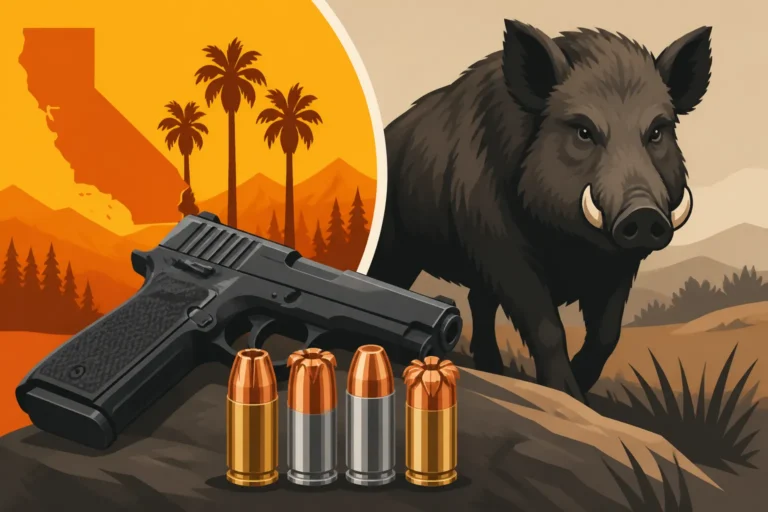
When it comes to different firearm types, the non-lead requirement extends beyond rifles to shotguns (for slugs or turkey hunting) and handguns. For shotguns, this means using non-lead slugs for deer or non-lead shot for turkeys and upland birds. For handguns, common in Wild Pig Hunting California Year-Round, non-lead pistol rounds are also mandatory if you're using them for hunting. Muzzleloaders have specific non-lead options as well, often copper or sabot projectiles that meet the lead-free standard. It's not just about what you shoot, but what you could shoot. This comprehensive approach means hunters must be aware of the non-lead requirements across all their hunting firearms. Always check the specific regulations for Which Non-Lead Projectiles Count as Certified to ensure your choices are compliant.
The Science Behind Non-Lead Rifle Projectiles
Stepping away from traditional lead-core bullets can feel like navigating uncharted territory, but modern non-lead rifle projectiles are engineered with incredible precision. Understanding their design and terminal performance is crucial for maintaining confidence and achieving ethical kills in the field.
Copper and Copper Alloy Bullets: Construction and Performance
The vast majority of non-lead rifle ammunition available today relies on copper or copper alloys. Unlike lead-core bullets, which typically consist of a lead core jacketed in copper, these projectiles are often "monolithic," meaning they are constructed from a single piece of copper or a copper alloy like gilding metal. This solid construction is their defining characteristic and directly influences their performance. When these bullets strike game, they don't fragment into tiny pieces like some traditional lead bullets. Instead, they are designed to deform in a controlled, predictable manner, mushrooming out to create a wide wound channel.
The controlled expansion of copper bullets is a significant advantage. Instead of losing mass through fragmentation, a monolithic copper bullet retains almost all of its original weight, which translates to excellent penetration. This deep penetration ensures that vital organs are reached, even on larger game or through tough bone. For instance, a quality copper bullet hitting a deer's shoulder will typically drive straight through, causing extensive damage without breaking apart. Manufacturers like Barnes (with their TSX and TTSX lines) and Hornady (with their GMX and CX bullets) have perfected these designs, focusing on creating petals that peel back evenly, maximizing energy transfer and hydrostatic shock within the animal. This consistent performance provides hunters with confidence, knowing their shot will perform reliably every time.
Monolithic Versus Bonded Non-Lead Designs
While monolithic copper bullets are the most common non-lead solution, other designs exist, including some bonded core options. Monolithic bullets, as discussed, are solid pieces of copper or copper alloy. They shed no lead and are engineered for excellent weight retention and deep penetration. They often feature various tips or grooves to aid in expansion and improve ballistic coefficients.
Bonded bullets, on the other hand, traditionally feature a lead core chemically bonded to a copper jacket. While this bonding process significantly reduces fragmentation compared to unbonded lead-core bullets, the presence of lead still makes them non-compliant with California's strict "less than one percent lead by weight" rule for hunting. However, the concept of a bonded design is still relevant in non-lead discussions because some manufacturers are exploring non-lead alternatives to the core, using materials like tin or steel, which are then bonded to a copper jacket. These hybrid designs aim to offer some of the benefits of traditional bonded lead bullets (like larger frontal area expansion at lower velocities) while remaining lead-free. It's a niche market, but it highlights the innovation happening in ammunition development to meet the demands of non-lead regulations. Ultimately, for California, always verify the material composition to ensure it's truly lead-free.
Understanding Ballistics and Terminal Performance Differences
Switching to non-lead ammunition often means adjusting to different ballistic characteristics and terminal performance compared to lead-core rounds. Many non-lead bullets, particularly monolithic copper, are longer for their given weight than lead bullets. This is due to copper's lower density compared to lead. A 150-grain copper bullet will be noticeably longer than a 150-grain lead-core bullet of the same caliber. This difference in length can affect barrel twist rate stability and, most commonly, the bullet's external ballistics. A longer bullet often has a better ballistic coefficient, meaning it retains velocity and resists wind drift more effectively over longer distances, which can be an advantage. However, it also often means a different point of impact at various ranges.
Terminal performance is where the biggest differences lie. Lead-core bullets often transfer energy rapidly by fragmenting inside the animal, creating a large internal wound cavity. Monolithic copper bullets, with their high weight retention and deep penetration, tend to create a more focused, through-and-through wound channel. This means that while they might not create the same immediate "hydrostatic shock" cavity that some lead bullets do, they reliably punch two holes (entry and exit) through vital organs, leading to significant blood loss and typically a quicker, more humane kill. This also often creates a better blood trail, which is crucial for Blood Trailing After Dark in California or in thick cover. It's less about "knockdown power" and more about effective, consistent tissue destruction. Hunters need to adjust their expectations and understand that a clean, well-placed shot with a non-lead bullet is just as effective, if not more so, than one with a traditional lead round.
Key Considerations When Choosing Non-Lead Rifle Ammunition
Choosing the right non-lead rifle ammunition involves more than just picking up the first box you see. With a growing array of options, making an informed decision requires careful thought about your rifle, the game you're pursuing, and the conditions you'll face.
Caliber-Specific Availability and Bullet Weights
The availability of non-lead ammunition has dramatically improved since the statewide ban took effect, but some calibers still offer more choices than others. Popular deer calibers like .308 Winchester, .270 Winchester, .30-06 Springfield, and 6.5 Creedmoor have a wide selection of non-lead options from major manufacturers. You'll find a variety of bullet weights, typically copper monolithic designs, that perform exceptionally well. For example, a .308 hunter might find 130-grain to 165-grain copper options easily. For a .270, 110-grain to 130-grain copper bullets are common. If you're using a common caliber, you'll likely have several excellent choices.
However, if you shoot a less common or older cartridge, finding a diverse range of non-lead options might be more challenging. It's crucial to start your search well in advance of hunting season, especially for specialty calibers. You might find fewer bullet weight choices, which means you'll need to work more closely with those available. Sometimes, what's readily available for Best Non-Lead Bullet for a .270 or Non-Lead Load Options for .308 Hunters might be scarce for a wildcat or an obscure European cartridge. This is where planning ahead and potentially looking into handloading (using non-lead components) can become important. Always check with several retailers or online suppliers to gauge current stock levels.
Matching Bullet Design to Game Species and Hunting Conditions
Not all non-lead bullets are created equal, and matching the bullet design to your intended game and hunting scenario is paramount. For lighter-skinned, medium-sized game like California blacktail deer, most monolithic copper bullets with good expansion characteristics will perform admirably. A bullet designed for rapid expansion at moderate velocities will create a devastating wound channel through a deer's vitals. For example, a Hornady CX or Barnes TTSX will expand reliably on a deer without over-penetrating excessively.
However, if you're pursuing larger, tougher game like elk or bear, or hunting in scenarios where you might encounter heavy bone (like a shoulder shot on a wild pig), you'll want a bullet designed for deeper penetration and controlled expansion. For these animals, a slightly heavier non-lead bullet for your caliber, or one explicitly marketed for large game, is a better choice. For instance, an elk hunter might opt for a higher-weight copper bullet that is engineered to hold together and drive through dense muscle and bone, ensuring a clean pass-through. Similarly, for Wild Pig Hunting California Year-Round, where pigs can be notoriously tough, a robust non-lead bullet with excellent weight retention is key. This careful matching ensures the bullet performs as intended, delivering ethical and humane kills regardless of the target.
Accuracy, Cost, and Finding What Works for Your Rifle
Once you've narrowed down your non-lead choices by caliber and game type, the next critical step is finding ammunition that shoots accurately in your rifle and fits your budget. Every rifle is an individual, and what shoots sub-MOA in one gun might scatter shots in another. You'll need to purchase a few different brands or bullet weights and thoroughly test them at the range. Don't assume that because it's non-lead, it will perform identically to your old lead load; Sighting In Before Switching to Non-Lead is an absolute must. Pay close attention to group sizes, and don't be afraid to experiment with different manufacturers to find the best match for your barrel's harmonics.
Cost is another significant factor. Non-lead ammunition typically carries a higher price tag than traditional lead-core rounds. This is due to the materials used (copper is more expensive than lead) and the more complex manufacturing processes involved in creating monolithic projectiles. While the cost can be a barrier for some, view it as an investment in ethical hunting and conservation. Instead of buying multiple boxes for extensive plinking, prioritize buying enough to sight in thoroughly, confirm accuracy, and have a reliable supply for hunting season. Tools like the GoHunt app or website can also help with planning your hunts, including scouting for optimal shot distances, which then directly influences the amount of practice ammunition you might need to feel confident. Remember, a few dollars more for a bullet that performs reliably and ethically is money well spent. Always check current prices as they fluctuate.
| Bullet Type | Key Material | Typical Performance | California Compliance | Primary Advantages | Primary Disadvantages |
|---|---|---|---|---|---|
| Monolithic Copper | Copper / Alloy | High weight retention, deep penetration, controlled expansion | Yes (Lead-Free) | Ethical kills, good penetration, minimal fragmentation | Higher cost, can be more sensitive to twist rate, different ballistics |
| Lead-Core, Jacketed | Lead core, Copper jacket | Rapid expansion, high energy transfer, significant fragmentation | No (Contains Lead) | Lower cost, wide availability, historically proven | Lead fragmentation, environmental concerns |
| Lead-Core, Bonded | Lead core bonded to Copper jacket | Controlled expansion, reduced fragmentation, good weight retention | No (Contains Lead) | Better penetration than unbonded, less lead in meat | Still contains lead, non-compliant in CA |
| Non-Lead Hybrid (e.g., Tin Core) | Copper jacket, Tin core | Aims for lead-core performance with non-lead material | Yes (Lead-Free, if no lead) | Can mimic some lead performance characteristics | Less common, may have variable availability |
Sighting In Your Rifle with Non-Lead Ammunition
The moment you switch to non-lead ammunition, any previous zero you had for lead-core bullets becomes largely irrelevant. Different bullets, even of the same weight and caliber, will almost certainly impact the target at a different point. Ignoring this crucial step is a recipe for missed shots and potentially unethical outcomes.
The Importance of a Dedicated Zero for Non-Lead
Think of your rifle and a specific load of ammunition as a unique system. When you change any component of that system—especially the bullet itself—the dynamics change. Non-lead bullets, being constructed from different materials and having different lengths and internal characteristics than their lead-core counterparts, will interact with your rifle's barrel harmonics in a unique way. This means that a 150-grain copper bullet will almost never strike the exact same spot as a 150-grain lead-core bullet, even if both are from the same manufacturer and shot through the same rifle. It's not just a small difference; it can be several inches at 100 yards, which is enough to miss a deer's vitals entirely.
Therefore, establishing a dedicated zero for your chosen non-lead ammunition is non-negotiable. This isn't just about making minor adjustments; it's about systematically shooting your rifle with the new ammunition to understand its true point of impact. Without this dedicated zero, you're essentially guessing where your bullet will go, and guessing is something no ethical hunter should ever do in the field. This step is as fundamental to responsible hunting as knowing your rifle's capabilities or understanding game anatomy.
Adjusting for Point of Impact Shifts
When you first head to the range with your new non-lead ammunition, be prepared for significant point of impact (POI) shifts. It's common for the new rounds to hit high, low, left, or right compared to your previous lead-core zero. Start by shooting at a close range, say 25 or 50 yards, to ensure your shots are even on the paper. This close-range check helps you make broad adjustments quickly and safely, getting you in the ballpark before moving to longer distances. Once you're consistently hitting the target at 50 yards, you can move back to 100 yards, which is often the standard distance for establishing a primary zero for hunting.
From 100 yards, you'll begin making precise adjustments to your scope's windage and elevation turrets. Take your time, letting the barrel cool between shots if necessary, and shoot consistent groups of three to confirm adjustments. Remember the adage: "shoot, adjust, shoot." This systematic approach ensures that each adjustment moves your group closer to the bullseye. Don't be discouraged if it takes a few boxes of ammunition; this process is an investment in your hunting success and ethical shot placement. The precise nature of Zeroing a Rifle for Non-Lead Loads is critical.
Testing Performance at Various Ranges
A 100-yard zero is a good starting point, but ethical hunting often demands understanding your bullet's trajectory at various ranges. This is especially true in California's diverse terrain, from tight timber to wide-open sagebrush flats. Once you have a solid 100-yard zero, it's highly recommended to test your non-lead ammunition at 200, 300, and even 400 yards if your hunting scenarios demand it. This range testing will reveal your bullet's true drop and wind drift, providing you with critical data for holdovers or scope adjustments in the field.
Modern ballistic calculators, often integrated into scouting apps like GoHunt, can help predict these trajectories, but there's no substitute for real-world testing. Compare the calculator's predictions with your actual groups. You might find that the Copper Bullet Ballistic Coefficient Versus Lead means less drop at longer ranges than you're used to, or perhaps different wind deflection. This information is vital for making confident shots when a buck steps out at an unfamiliar distance. By understanding your non-lead ammunition's full ballistic curve, you empower yourself to make ethical shots across a broader range of distances, ensuring that you're prepared for whatever California's hunting grounds throw your way.
Addressing Common Concerns and Myths About Non-Lead Ammunition
The shift to non-lead ammunition has understandably generated a host of questions and even some myths among hunters. It's natural to be skeptical of change, especially when it involves equipment you've relied on for years. Let's tackle some of the most common concerns head-on.
Dispelling the "Reduced Knockdown Power" Myth
Perhaps the most persistent myth surrounding non-lead ammunition, particularly monolithic copper bullets, is that they lack "knockdown power" compared to traditional lead-core rounds. This concern often stems from a misunderstanding of how these bullets transfer energy and inflict damage. Many hunters are accustomed to the violent, rapid expansion and fragmentation of older lead-core designs, which can create a very large initial wound cavity and sometimes result in a dramatic "thwack" upon impact. When a non-lead bullet, designed for deep penetration and controlled expansion, delivers a different kind of terminal performance, some mistakenly interpret it as less effective.
In reality, modern non-lead bullets, when properly matched to game and placed accurately, are incredibly effective. Their high weight retention means they maintain momentum and energy, driving deep through vital organs and often creating two holes – an entry and an exit wound. This through-and-through penetration is highly desirable for maximizing blood loss, leading to quicker, more humane kills and excellent blood trails. While the "shock" might feel different, the actual biological damage and efficacy are absolutely there. The key isn't raw "power," but precise energy transfer and consistent, reliable tissue destruction. A well-placed 130-grain non-lead copper bullet from a .270 is far more lethal than a poorly placed 150-grain lead bullet, regardless of perceived "knockdown power." This is why understanding Best Non-Lead Bullet Weight for Blacktail Deer and shot placement is paramount.
Tackling Perceived Cost and Availability Hurdles
Another common frustration revolves around the perceived higher cost and availability challenges of non-lead ammunition. It's true that non-lead rounds generally come with a higher price tag than their lead-core predecessors. This is a direct result of the more expensive materials (copper, rather than cheap lead) and the more complex manufacturing processes involved in precision-machining monolithic bullets. For a hunter on a budget, this can be a real concern, especially when considering the need for extensive practice.
However, the landscape of non-lead availability has improved significantly since the statewide ban. Most major ammunition manufacturers now offer a wide selection of non-lead hunting rounds in popular calibers. While you might not find them in every corner store, most larger sporting goods retailers and online vendors stock them. The trick is to plan ahead. Don't wait until the week before deer season to try and Finding Non-Lead Ammo in Stock Before Season. Start looking for your preferred load months in advance. Consider buying in bulk if you find a good deal, and if you're a handloader, investing in non-lead components can be a cost-effective solution over the long term. While the initial investment might be higher, remember you're buying a premium product designed for superior performance and ethical outcomes.
The Learning Curve and Adapting Your Shooting Style
Switching to non-lead ammunition can involve a slight learning curve, primarily because of the ballistic differences and the need to re-establish your rifle's zero. Many hunters have spent years, even decades, intimately familiar with how their traditional lead loads perform. Adapting to a new point of impact, potentially different wind drift characteristics, and a slightly different feel on impact requires practice and patience. Some hunters also find that the longer, lighter-for-caliber non-lead bullets might behave slightly differently in terms of trajectory, requiring them to recalculate their holdovers or dial-in adjustments.
This learning curve isn't a drawback; it's an opportunity to become an even more proficient and ethical hunter. Embrace it as a chance to spend more time at the range, truly understanding your chosen ammunition and rifle system. Focus on fundamental marksmanship, consistent shot placement, and thorough testing at various distances. Instead of viewing it as a hassle, see it as refining your skills. The confidence gained from consistently grouping non-lead rounds and knowing their trajectory is invaluable. Resources like California Hunter Education Requirements emphasize the importance of safe and ethical shooting practices, and this extends directly to mastering your non-lead setup. With a little dedicated effort, you'll quickly adapt and find that non-lead ammunition performs exactly as it should: ethically and effectively.
Sourcing and Storing Your Non-Lead Ammunition
The statewide non-lead requirement means that every hunter must be proactive in acquiring and maintaining their ammunition supply. Knowing where to look and how to properly care for your rounds can prevent last-minute scrambles and ensure reliability in the field.
Navigating Online Retailers and Local Shops
When it comes to sourcing non-lead ammunition, you generally have two main avenues: local sporting goods stores and online retailers. Large national sporting goods chains often carry a decent selection of non-lead options, especially in popular calibers. They are usually your best bet for immediate availability if you're in a pinch, but their inventory can fluctuate wildly based on demand and supply chains. It's always a good idea to call ahead and check stock before making a special trip. Independent gun shops in smaller towns can also be a hidden gem; sometimes they have unique inventory or can special-order specific loads for you.
Online retailers, however, offer the broadest selection and often the most competitive pricing, though you'll need to factor in shipping costs and delivery times. Websites like Brownells, MidwayUSA, or OpticsPlanet are well-known, but many smaller, specialized ammunition dealers also exist. When ordering online, always double-check California's specific rules regarding ammunition shipments, as regulations can be complex and may require shipments to go through a licensed FFL (Federal Firearms Licensee) dealer for pickup. Using scouting and planning tools like GoHunt can indirectly help here; by knowing where and when you plan to hunt, you can better anticipate your ammo needs and order accordingly, well in advance of the season.
Planning Ahead for Popular Calibers and Seasons
The worst time to realize you need non-lead ammunition is the week before deer season opens. Just like with any other hunting gear, planning ahead is absolutely essential for ammunition. Popular calibers, especially those used for deer and elk, tend to sell out quickly as hunting seasons approach. If you wait until August or September, you might find shelves bare or only undesirable bullet weights remaining. This scenario forces hunters to either compromise on their preferred load or scramble to find an alternative, neither of which is ideal.
A smart strategy is to purchase your non-lead ammunition well in advance – ideally several months before your first hunt of the year. This gives you ample time to practice with it, ensure it shoots accurately in your rifle, and acquire more if needed. If you participate in the California Big Game Drawing Explained, consider purchasing your ammo once you've secured a tag, even if it's months out. This proactive approach not only guarantees you'll have the correct ammunition but also allows you to take advantage of sales or better inventory selection. Building a small reserve of your go-to non-lead rounds can provide peace of mind, knowing you won't be caught short when it matters most.
Proper Storage for Ammunition Longevity
Once you've acquired your non-lead ammunition, proper storage is key to maintaining its reliability and longevity. Ammunition is designed to last a long time, but improper storage can lead to corrosion, degradation of propellants, or compromised primers, all of which can result in misfires or inconsistent performance. The ideal storage conditions are cool, dark, and dry. Avoid storing ammunition in areas prone to extreme temperature fluctuations, high humidity, or direct sunlight. Basements and garages can be problematic if they are damp or experience wide swings in temperature.
A dedicated ammunition can, a sturdy metal box, or a climate-controlled safe are excellent storage solutions. Keep ammunition in its original packaging to protect it from moisture and to easily identify caliber and bullet type. Label any reloads clearly. While non-lead components are generally less susceptible to some forms of corrosion than exposed lead, the brass casing, primer, and powder are still vulnerable to environmental factors. By taking a few simple steps to store your ammunition correctly, you ensure that every round performs exactly as it's designed to, year after year.
Ethical Hunting and Environmental Impact
Beyond compliance, choosing non-lead ammunition aligns with a broader commitment to ethical hunting and responsible stewardship of California's wildlife. Understanding this connection elevates the importance of your ammunition choice from a legal requirement to a moral imperative.
The Role of Non-Lead in Wildlife Conservation
The primary driver behind California's non-lead ammunition mandate is wildlife conservation, specifically preventing secondary lead poisoning in scavenging animals. When a game animal is shot with a traditional lead-core bullet, especially if the bullet fragments upon impact, tiny shards of lead can disperse into the animal's carcass, particularly around the wound channel or in gut piles left in the field. Animals like the California condor, golden eagles, and even coyotes frequently feed on these carcasses or gut piles. These scavengers then ingest these lead fragments, which can lead to severe health issues, neurological damage, and ultimately death from lead poisoning. For endangered species like the condor, this was a significant hurdle to population recovery.
By switching to non-lead ammunition, hunters directly eliminate this source of lead contamination in the ecosystem. Non-lead bullets, typically made from copper or other hard alloys, do not fragment in the same way. When they expand, they retain most of their mass and do not leave behind hazardous lead particles for scavengers to consume. This simple change by hunters has a profound positive impact on the health and recovery of numerous wildlife species across California. It's a tangible way for hunters to demonstrate their commitment to conservation, ensuring that their pursuit of game doesn't inadvertently harm the very wildlife they cherish. This connection to broader conservation efforts is often highlighted in resources like those explaining California's Condor-Driven Ammunition Law.
Ensuring Clean Kills with Appropriate Shot Placement
Regardless of the ammunition type, ethical hunting demands a clean, swift, and humane kill. Non-lead ammunition, when chosen appropriately for the game and delivered with precision, is absolutely capable of achieving this. The key, as always, lies in shot placement. A perfectly placed non-lead bullet through the vitals (heart and lungs) will result in a rapid and ethical harvest. As discussed earlier, non-lead bullets are designed for deep penetration and controlled expansion, which creates a significant wound channel through these vital organs, ensuring maximum damage and blood loss.
The "knockdown power" myth often leads hunters to second-guess non-lead, but the reality is that no bullet, lead or non-lead, can compensate for a poor shot. Instead of relying on bullet "magic," focus on honing your marksmanship skills. Practice regularly with your chosen non-lead load, understand its trajectory, and commit to only taking shots within your effective range. This commitment ensures that you're maximizing the performance of your ammunition and fulfilling your ethical responsibility as a hunter. Using a rangefinder like those recommended for Best Rangefinder for Sierra Canyon Shots can dramatically improve your ability to place that shot accurately.
Contributing to a Sustainable Hunting Future
Embracing non-lead ammunition is more than just following a rule; it's a powerful statement about the future of hunting in California and beyond. It demonstrates that hunters are adaptable, responsible, and deeply committed to conservation. In an era where hunting faces increasing scrutiny, proactively addressing environmental concerns like lead poisoning helps to strengthen the public image of hunting as a sustainable and ethical activity. It shows that hunters are part of the solution, not the problem.
By making the conscious choice to use non-lead, you are contributing to a healthier ecosystem, protecting non-target wildlife, and helping to secure the future of hunting opportunities for generations to come. This commitment resonates with the core values of conservation that underpin all responsible hunting. Every time you fill out your Reporting a Deer Through California's App with a non-lead harvest, you're not just reporting a kill; you're reinforcing the success of a conservation measure that benefits all wildlife. It's a testament to the fact that hunting and conservation are inextricably linked, and that hunters play a vital role in preserving the wild places and wild animals we cherish.
Disclaimer
This article is for general informational purposes only and does not constitute professional advice. Laws, prices and regulations vary by location and change over time. Consult a qualified professional for guidance on your specific situation.