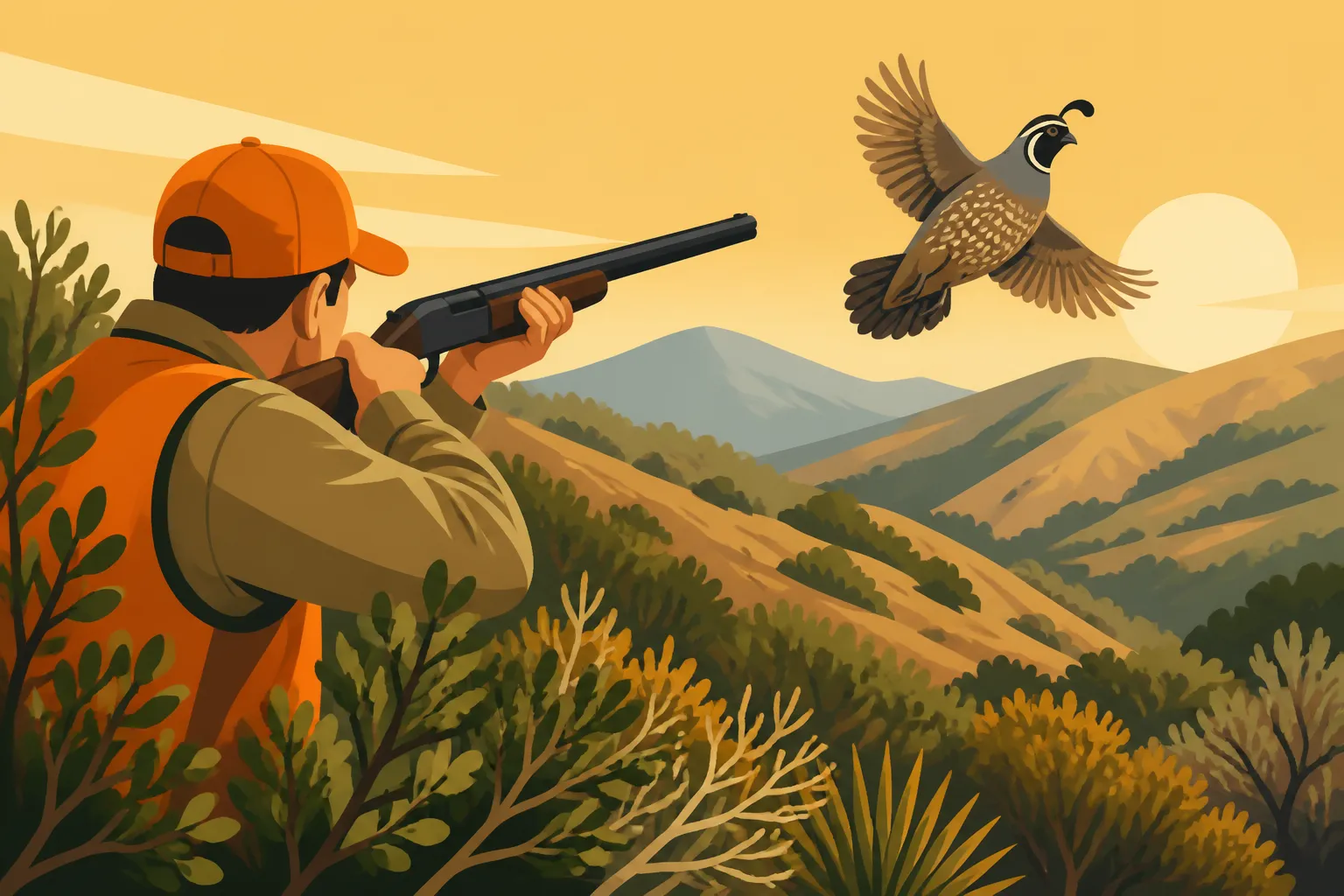
Quail Hunting California Foothill Chaparral
California's foothill chaparral can be an intimidating maze for quail hunters. The dense, thorny brush seems impenetrable, and those quick-flushing coveys of Valley Quail often disappear before you even get a shot off, leaving you wondering if you're even in the right place. This guide is designed to cut through that frustration, providing you with a detailed roadmap to successfully locate, approach, and harvest quail in this challenging yet incredibly rewarding habitat.
Understanding California's Foothill Chaparral Habitat for Quail
Hunting California Valley Quail in the foothills means really getting to know their home turf: the chaparral. This isn't just a generic "brushy area"; it's a dynamic ecosystem with specific features that draw quail in and hold them, often right under your nose. If you understand what makes a particular patch of chaparral prime quail habitat, you're already light-years ahead of the hunter who just wanders aimlessly through the thorns.
The Dynamics of Chaparral Ecosystems
Chaparral is a unique shrubland found predominantly in California and Baja California, characterized by dense, evergreen, drought-resistant shrubs and small trees. It's tough, resilient, and often feels like it's actively trying to prevent you from walking through it. But within this tough exterior lies a perfect haven for quail. The thick cover offers incredible protection from predators like hawks, coyotes, and bobcats, allowing coveys to evade detection. It also provides shade during hot California days, which is crucial when temperatures regularly soar.
The ecosystem is also shaped by fire. While devastating, wildfires can sometimes reset chaparral, creating new growth that produces seeds and insects, which are vital food sources. Quail populations tend to thrive in areas that have experienced fires a few years prior, where the cover is still dense but new food sources are abundant. Knowing the history of a specific area, perhaps through a tool like the GoHunt app which can show burn scar data, can give you a significant advantage in finding productive spots. Remember, a healthy chaparral provides both food and security, and often, these two elements are found in close proximity.
Key Vegetation Types and Quail Preferences
Not all chaparral is created equal in the eyes of a quail. While they'll use a variety of plants for cover, certain species are particularly attractive. Look for areas dominated by chamise, manzanita, and various ceanothus species, often forming dense, interwoven stands. These plants offer excellent overhead protection from aerial predators and dense screening from ground predators. The seeds of ceanothus and other chaparral plants are also a critical food source, especially in the late season.
Quail also appreciate edges – the transition zones where chaparral meets more open grasslands, oak woodlands, or agricultural fields. These edges provide easy access to different food sources, like grasses, forbs, and acorns, while still allowing them to quickly retreat into the safety of the dense brush when threatened. When you're scouting, pay close attention to where these different vegetation types converge, as these are often hot spots for active coveys. Understanding these preferences can help you in Finding Sign in a Coastal Oak Woodland or similar transitional habitats.
Water Sources and Their Importance
In California's often arid foothills, water is the lifeblood of quail populations. While quail can survive for periods on dew and the moisture content of their food, a reliable water source significantly increases the chances of a covey sticking around. During hotter periods, especially early in the season, quail will be found within a reasonable distance of water – often within a quarter to half-mile of a spring, seep, creek, or even a stock pond.
Identifying these water sources on a map before you even lace up your boots is a crucial part of scouting. Look for blue lines indicating streams, or springs marked on topographic maps. Even ephemeral seeps or small depressions that hold water after a rain can be game-changers. During your hunt, remember that quail will often visit water in the early morning or late afternoon, making these times excellent opportunities for ambushing birds near known water holes. This is particularly important for Hot-Weather Sitting Strategy in August in Zone A, where early season temperatures can be brutal.
Essential Scouting Strategies for Foothill Quail
Before you even think about loading your shotgun, a well-executed scouting plan is paramount for quail in the dense foothill chaparral. These birds are masters of concealment, and simply walking blindly through their habitat will often result in frustration rather than a filled game bag. Strategic scouting, both from your home and in the field, helps you narrow down productive areas and predict quail behavior.
Pre-Season Digital Reconnaissance
Your scouting starts long before opening day, often from the comfort of your home, using digital mapping tools. Platforms like GoHunt, Gaia GPS, or onX Hunt are invaluable for identifying potential quail country. Start by looking for the specific habitat types discussed earlier: dense chaparral stands, especially those bordering oak woodlands, grasslands, or old agricultural fields. Pay close attention to south-facing slopes, which tend to warm up faster in the morning and offer good sunning spots for quail.
Crucially, identify water sources – springs, creeks, and stock ponds are golden tickets in dry foothill country. Look for natural funnels or saddles that birds might use to travel between feeding and roosting areas. Don't forget to check burn scar data; areas that burned 2-5 years ago can be highly productive. You can also utilize mapping tools to identify potential access points, parking areas, and to note any private land boundaries to avoid trespassing. This digital groundwork allows you to go into the field with a focused plan, rather than just hoping to stumble upon birds. For more on this, check out Scouting With the CDFW Hunting App.
Boots-on-the-Ground Field Scouting
While digital maps get you in the ballpark, nothing beats physical scouting to confirm your theories and find fresh sign. Before the season opens, take a few dedicated trips to the areas you've identified. Look for actual quail sign: tracks in dusty trails, dusting bowls where they clean their feathers, and most importantly, droppings, especially under roost trees (often large oaks or dense shrubs). Listen for their distinctive calls, particularly the "chi-ca-go" assembly call or the softer "squeak" of a feeding covey.
Walk the edges of chaparral, looking for areas where birds might feed and then retreat. Observe the topography: identify steep ravines or thickets that could serve as escape routes or thermal cover. Pay attention to game trails; quail will often use these to move through dense brush. If you have a good bird dog, even a pre-season walk can help you locate scent and get a feel for where birds might be holding. The more time you spend observing the actual terrain, the better your chances of encountering birds during the hunt. This type of scouting is vital before Hunting a Funnel Between Two Oak Ridges.
Interpreting Quail Sign and Behavior
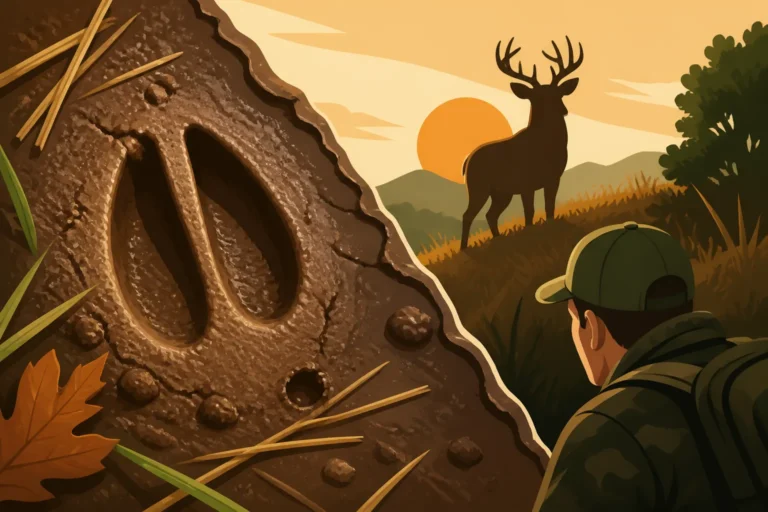
Learning to "read" the landscape for quail sign is a skill developed over time, but there are key indicators. Fresh droppings, particularly soft, moist ones, indicate recent activity. Dusting bowls with fresh scratch marks suggest a covey has recently used the spot. Tracks are invaluable: clear, defined tracks in soft dirt or mud tell you birds are moving through that specific area. Look for them along old jeep roads, cattle trails, or the edges of water sources.
Beyond physical sign, understanding quail behavior is critical. They are creatures of habit. They'll often feed in open areas or along edges in the early morning and late afternoon, then move into dense cover to loaf during the midday heat. In the evening, they'll fly up into dense trees or shrubs to roost, which helps protect them from ground predators. If you flush a covey, pay close attention to the direction they fly and where they land – they often won't go far, especially if the cover is good, and can be re-flushed if you approach carefully. Knowing these patterns helps you predict where and when to find them. For instance, knowing Where California Blacktail Bucks Bed gives similar insights into deer habits; quail are no different in their routines.
Effective Hunting Methods for California Valley Quail in Chaparral
Hunting Valley Quail in California's foothill chaparral demands a blend of persistence, smart tactics, and sometimes, a good dog. These birds are notorious for their explosive flushes and their uncanny ability to run through dense cover, making every successful covey rise a hard-earned victory.
Walking Up Birds with and Without Dogs
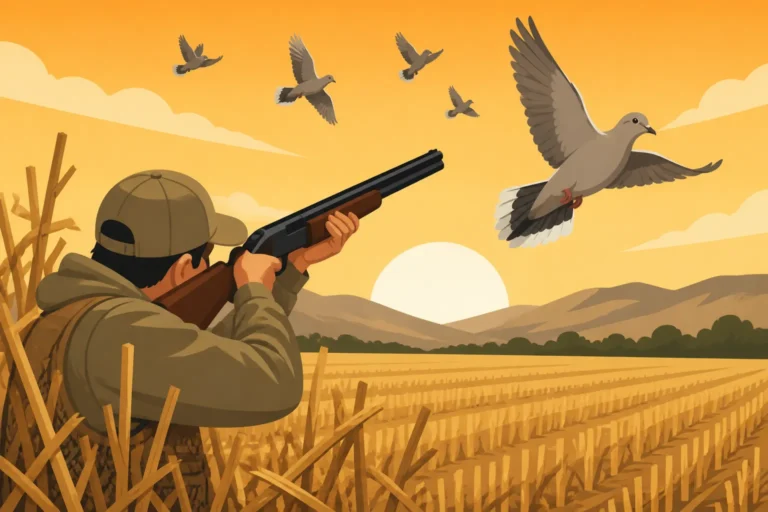
The most common method for hunting quail in this terrain is simply walking them up. This is grueling work in chaparral, requiring you to push through thick brush. When hunting without a dog, focus on walking the edges where cover meets open ground, along old roads, trails, or dry creek beds. Quail will often hold tight, only flushing when you're almost on top of them. Walk slowly, pause frequently, and be ready for an explosive flush at any moment. Listen for the telltale "whirring" of wings as they erupt from the brush.
With a good bird dog, especially a pointing breed, your chances of success skyrocket. The dog covers more ground, penetrates denser cover, and most importantly, points the birds, allowing you to approach the covey cautiously and be ready for the flush. A dog also helps tremendously with retrieving downed birds in thick cover, preventing lost game. Be sure your dog is conditioned for the rough terrain and heat, and always carry plenty of water for both of you. For more on this, see Quail Hunting Behind Pointing Dogs. Remember, even with a dog, you still need to be aware of the terrain and anticipate where the birds might flush.
Utilizing Natural Funnels and Escape Routes
Quail, like all game, use the terrain to their advantage. They prefer to run through natural funnels or escape routes rather than flying high over dense cover, especially after the initial flush. Look for these funnels where dense chaparral narrows, perhaps between two rocky outcrops, or where it meets a steep-sided ravine. Dry creek beds with open bottoms surrounded by brush are also prime travel corridors.
When you flush a covey, observe their escape route. Often, they will fly low and fast into the nearest thick cover. Instead of immediately chasing after them, try to get ahead of their likely travel path and set up an ambush. If they flew into a thick, linear draw, for example, circle around to the end of the draw and slowly walk towards where they landed, forcing them to flush again or try to run past you. This strategic approach, rather than a direct pursuit, is often far more productive and conserves your energy.
Decoying and Calling Techniques
While less common than for turkeys or waterfowl, calling and occasionally decoying can have a place in quail hunting, especially when trying to gather scattered birds. After a covey has been flushed and scattered, individual birds will often start calling to re-group. Using a simple "assembly call" or "chi-ca-go" call can sometimes draw a curious bird closer or get scattered birds to reveal their location. There are various commercial quail calls available, and mastering one can be a valuable skill.
Decoys are rarely used for actively hunting an intact covey, but a few realistic quail decoys placed strategically can sometimes calm a nervous bird or encourage scattered birds to congregate in a specific spot after a flush. However, their primary use is more for photography or observation than for active hunting in dense chaparral. Focus your efforts more on effective scouting and walking tactics, but keep a call handy for those scattered birds, which can be tough to pinpoint otherwise. For general calling techniques, you might find useful tips in Calling a Gobbler Off an Oak Ridge Roost for different species, but the principles of patience and mimicking natural sounds remain.
Gear and Equipment for a Successful Chaparral Quail Hunt
Hitting the chaparral for quail isn't just about showing up with a shotgun. The dense, thorny environment, coupled with California's often unforgiving weather, demands specific gear choices to ensure your safety, comfort, and success. Cutting corners on equipment can quickly turn a promising hunt into a miserable ordeal.
Shotguns, Ammunition, and Choke Selection
For California Valley Quail, a fast-handling, lightweight shotgun is ideal. Most hunters opt for a 12-gauge or 20-gauge, with the 20-gauge often being a favorite due to its lighter weight and reduced recoil, which is appreciated after a long day of walking. Over/under, side-by-side, or semi-automatic shotguns all work well; the key is choosing one you can shoulder and swing quickly, as quail flushes are notoriously fast and close-range. A 26-inch barrel is a good all-around length, offering a balance of maneuverability in brush and sufficient swing for crossing shots.
Ammunition choice is critical in California due to the statewide non-lead requirement. For quail, #7.5 or #8 non-lead shot is generally preferred. Bismuth or tungsten-based loads are excellent options, offering good patterns and sufficient knockdown power without the environmental impact of lead. Regarding chokes, an Improved Cylinder or Light Modified choke is usually perfect for the close-range shots typical of quail in thick chaparral. These open chokes provide a wider pattern, increasing your chances of hitting those fast-flying birds. Make sure to pattern your shotgun with your chosen non-lead loads before the season to ensure optimal performance. You can read more about Best Non-Lead Shotgun Loads for Upland Birds.
Footwear, Clothing, and Protection
Your feet and legs will take a beating in the chaparral, so proper footwear is non-negotiable. Sturdy, ankle-supporting boots with good traction are essential. Look for boots that are waterproof or water-resistant, as you might encounter dew-soaked brush or cross small seeps. Brands like Kenetrek or Crispi are popular among serious upland hunters for their durability and support. Paired with quality wool or synthetic socks, good boots will prevent blisters and keep you comfortable.
Clothing needs to be durable and thorn-resistant. Briar-proof pants or chaps are a lifesaver, protecting your legs from the relentless thorns of chamise and manzanita. Lightweight, breathable long-sleeved shirts are important, even in warm weather, to protect your arms from scratches and sunburn. Layering is key, as foothill temperatures can swing dramatically from cool mornings to hot afternoons. Blaze orange or pink is a legal requirement in many public hunting areas in California and is always a wise safety choice, especially when hunting with others or dogs. Don't forget a wide-brimmed hat for sun protection and safety glasses to shield your eyes from whipping branches. A good quality pair of shooting gloves can also protect your hands from thorns while maintaining dexterity.
Optics and Navigational Tools
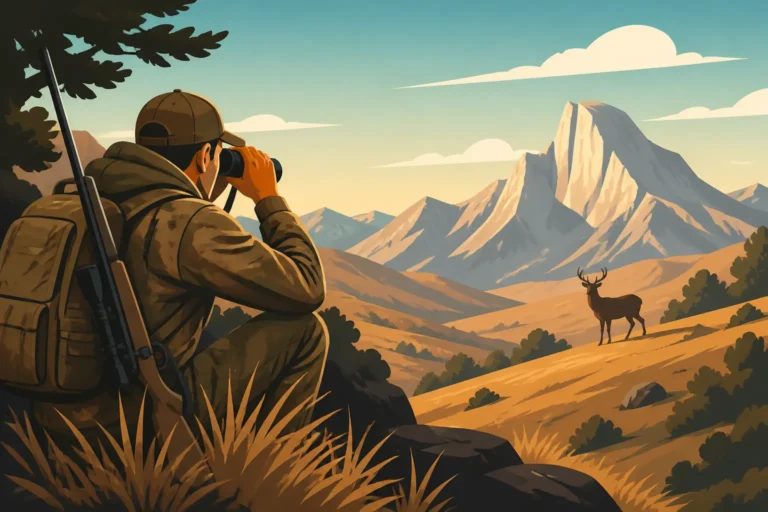
While long-range optics aren't as critical as they are for big game, a good pair of binoculars can still be useful for spotting quail moving through more open edges or for locating potential roosting cover from a distance. Compact 8x or 10x binoculars are usually sufficient.
More importantly, reliable navigational tools are an absolute must in the often disorienting chaparral. A GPS unit or a smartphone with a robust hunting app like GoHunt or onX Hunt is invaluable. These tools allow you to pinpoint your location, track your movement, mark flushed coveys, identify water sources, and stay aware of property boundaries. Always download offline maps for your hunting area, as cell service can be spotty or nonexistent in remote foothill country. A compass and a physical map as a backup are also highly recommended. Carrying a power bank for your phone is also a smart move, as GPS usage drains batteries quickly. Being able to navigate effectively will not only keep you from getting lost but also help you systematically work through productive areas. For further scouting and navigation tips, consider reading about Reading Aerial Photos for Sierra Deer, as many principles apply.
Navigating Regulations and Ethical Considerations
Hunting California Valley Quail in the foothill chaparral isn't just about understanding the birds and the habitat; it's also about understanding and respecting the rules and ethical practices that ensure responsible hunting and conservation. Ignoring regulations can lead to fines, loss of hunting privileges, and even impact the future of hunting opportunities.
California Quail Season Dates and Bag Limits
California's quail season dates can vary slightly by zone and year, but generally, the statewide season for Valley Quail in the foothills opens in late October and runs through late January. Always check the current California Department of Fish and Wildlife (CDFW) upland game regulations booklet for the precise dates for the zone you intend to hunt. The daily bag limit for Valley Quail is typically 10 birds, with a possession limit of 30 birds.
It's crucial to correctly identify your target before shooting. While Valley Quail are the most common in the foothills, there are also Mountain Quail and Gambel's Quail in some areas. Mountain Quail have a smaller bag limit (typically 6 daily, 18 possession). Be absolutely certain of your target species and that you are within legal shooting hours, which are typically one half-hour before sunrise to one half-hour after sunset. Failing to abide by these simple rules can result in significant penalties.
Public vs. Private Land Access
A significant portion of California's foothill chaparral suitable for quail hunting lies on private land, but there are still substantial public land opportunities. National Forests, Bureau of Land Management (BLM) lands, and some State Wildlife Areas offer excellent hunting. However, accessing these areas often requires careful planning and research. Always know the boundaries of public land and respect private property. Trespassing, even accidentally, is a serious offense.
For private land, securing permission from landowners is paramount. This often involves knocking on doors, introducing yourself, and respectfully asking for access. Building relationships with landowners can unlock prime hunting spots that see less pressure. Always leave gates as you found them, pack out all your trash, and thank the landowner for the opportunity. For more detailed information on regulations and property access, consider topics like Public Hunting Land in California or Getting Private Land Permission in California. Using mapping tools like GoHunt can help you identify land ownership and boundaries with clarity, making it easier to determine where you can legally hunt.
Safety and Conservation Practices
Safety should always be your top priority. In dense chaparral, it's easy to lose track of hunting partners or dogs. Always wear blaze orange, communicate frequently with your group, and know where everyone is. Be absolutely certain of your target and what lies beyond it before taking a shot. Maintain positive firearm control, especially when navigating dense brush. Carry a well-stocked first-aid kit, as cuts, scrapes, and twisted ankles are common in this terrain. Snakes, particularly rattlesnakes, are also a concern, especially during warmer parts of the season; be vigilant and know how to react.
Conservation is an ethical responsibility for all hunters. This includes taking only legal limits, making every effort to recover downed birds, and leaving the habitat better than you found it. Support organizations that work to conserve upland game habitat. Responsible hunting practices ensure that future generations can also experience the thrill of Quail Hunting California Foothill Chaparral. By following regulations and practicing ethical hunting, we contribute to the health of the quail populations and the continued tradition of upland hunting in California.
Disclaimer
Hunting involves inherent risks, and it is the responsibility of each individual to ensure their own safety and to comply with all applicable laws and regulations. The information provided in this guide is for informational purposes only and should not be considered legal advice. Always consult the most current California Department of Fish and Wildlife (CDFW) regulations before engaging in any hunting activities.