Hunting After a Poor Acorn Year
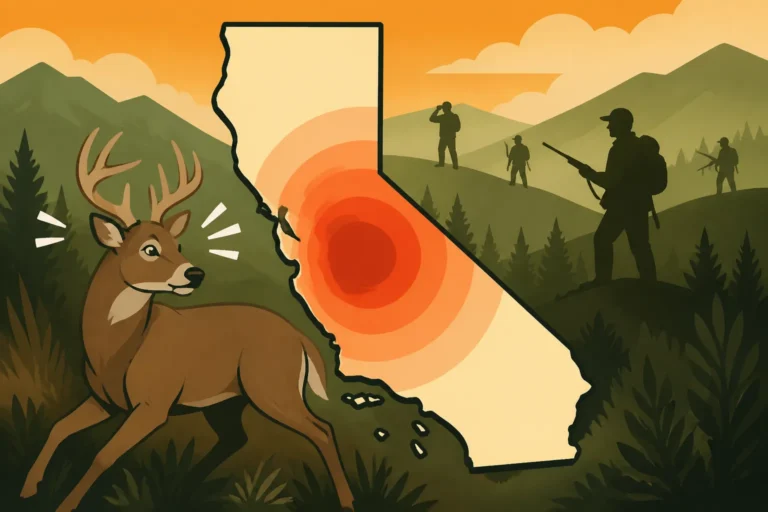
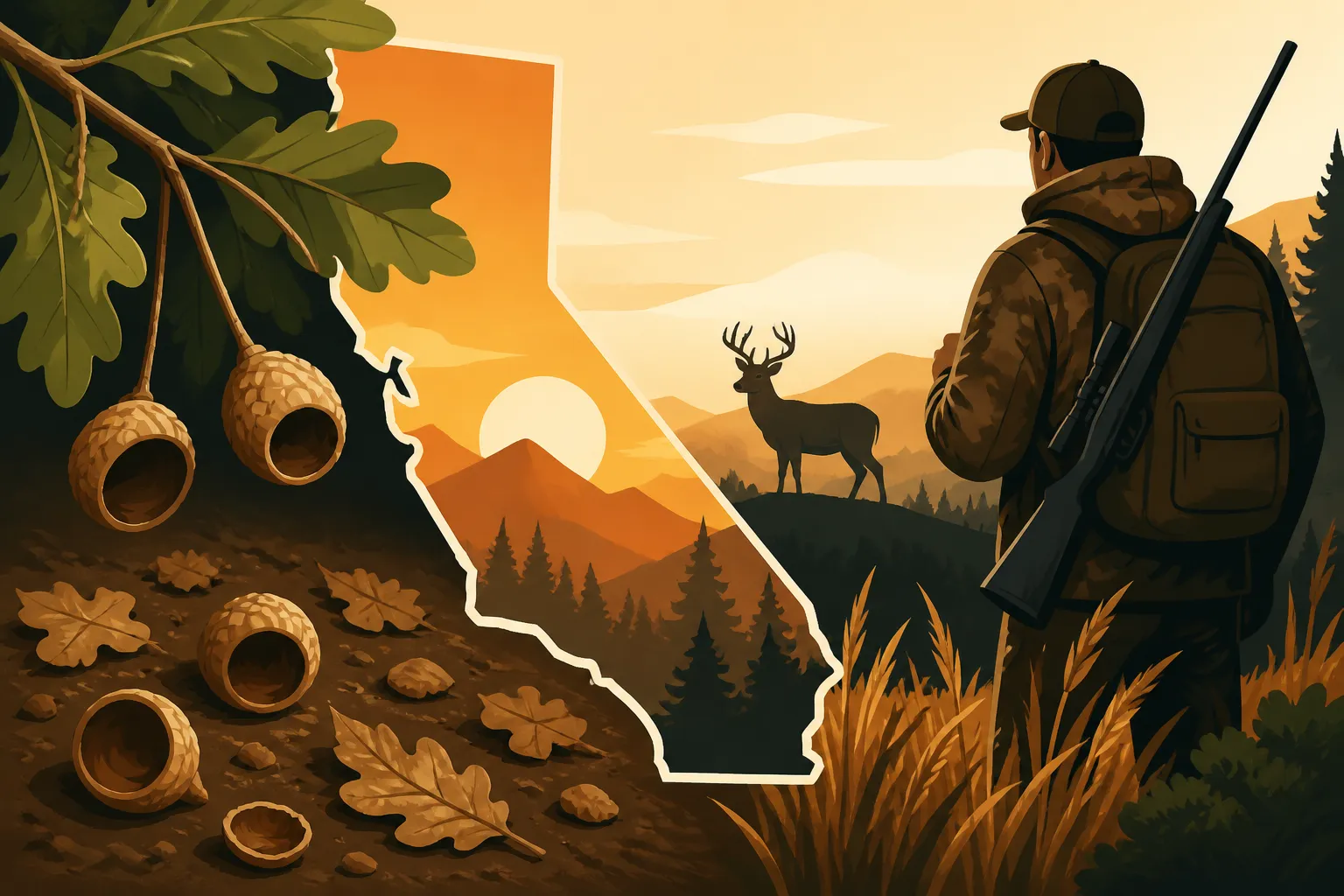
There’s nothing quite like the crushing disappointment of scouting your favorite honey hole, anticipating a strong acorn crop, only to find the ground barren. A poor acorn year in California can feel like the rug has been pulled out from under your deer hunting plans, leaving you scrambling to figure out where the deer have gone and how to adapt. This guide is here to walk you through exactly what happens when the oaks don’t produce, how deer react, and how you can still find success by understanding their shifted patterns and targeting alternative food sources.
Understanding the Impact of a Poor Acorn Crop
When those mighty California oaks fail to drop their bounty, it sends ripples through the entire ecosystem, especially for our deer herds. It’s not just a minor inconvenience; it fundamentally alters deer behavior and can make or break your hunting season.
Why Acorns Are So Crucial for California Deer
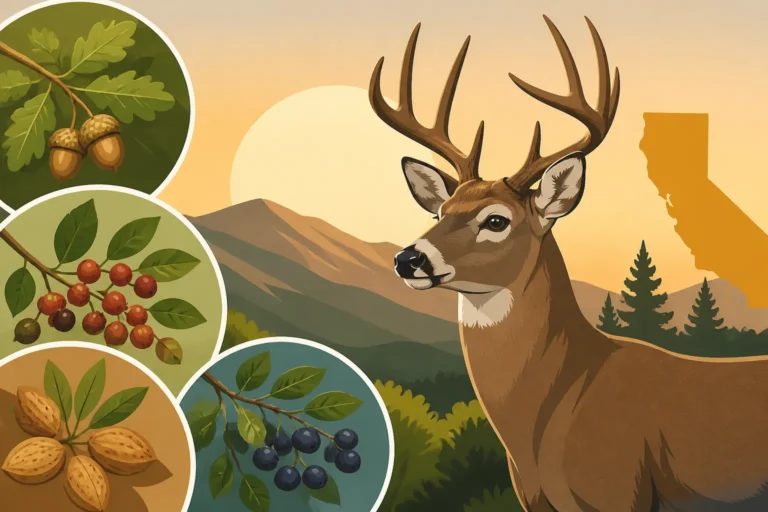
Acorns are, without a doubt, the king of fall and early winter food sources for deer across much of California, particularly in the oak woodlands of the Coast Ranges and the Sierra foothills. They are incredibly nutrient-dense, packed with carbohydrates, fats, and protein, providing a vital energy boost that deer need to put on weight for the upcoming breeding season (the rut) and to survive the lean winter months. Think of them as nature's superfood supplement.
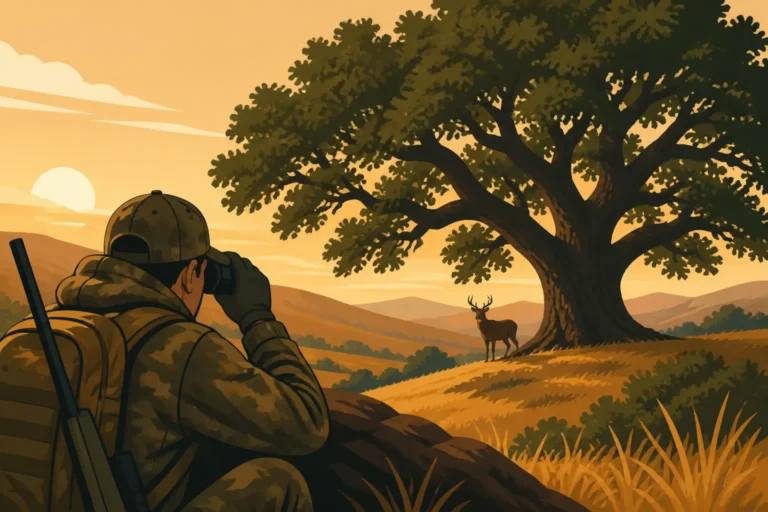
In a typical, good acorn year, deer will key in on oak stands almost exclusively. You'll find them gorging themselves for hours, often traveling significant distances just to feed in prime acorn flats. Their patterns become predictable: bed in dense cover nearby, move to acorns at first and last light, and hit water in between. This predictability is what many hunters learn to rely on, patterning deer around specific oak groves. When this primary food source disappears, deer don't just find another food source; they often have to change their entire daily and seasonal routine, making them much harder to locate and pattern.
Immediate Behavioral Shifts After a Bust Year
The immediate aftermath of a poor acorn year is a scramble for deer. Instead of concentrating in specific oak bottoms, they disperse, spreading out across the landscape in search of anything else palatable and nutritious. This dispersion is the first big challenge for hunters. Where you once saw dozens of deer trails leading to a single oak flat, now those trails might be faint or non-existent, and deer sign becomes much more spread out and harder to interpret.
Early in the season, when other browse is still green and abundant, deer might not show drastic changes initially. However, as the season progresses and other succulent vegetation dries out or gets heavily browsed, the lack of acorns becomes a critical factor. Deer, especially bucks trying to recover from the rut, will become desperate for calories. This leads to them browsing on plants they might usually ignore, moving into areas they typically avoid due to pressure, or even venturing closer to agricultural fields if available. Understanding these subtle shifts is key to adapting your approach. You need to stop thinking about where the deer should be and start thinking about where they have to be to find sustenance.
Scouting and Adapting Your Strategy for Alternative Food Sources
When acorns are scarce, your scouting strategy needs a complete overhaul. Forget the oak trees for a moment and broaden your focus to the entire ecosystem, searching for what deer are turning to in desperation.
Identifying Key Replacement Foods in Different Habitats
California's diverse habitats mean that alternative food sources will vary significantly by region. What sustains a blacktail in the dense coastal chaparral is very different from what a mule deer relies on in the high Sierra.
In the Coastal Ranges, where Columbian blacktails roam, a poor acorn year means deer will heavily rely on woody browse and forbs. Look for areas with lush manzanita, ceanothus, or wild rose bushes showing signs of heavy browsing. These plants, while not as calorie-rich as acorns, offer crucial sustenance. Also, don't overlook areas with a good understory of native grasses and forbs, especially those that stay green longer due to shade or moisture. Deer will work these areas meticulously.
For those Hunting Coastal Range Oak Woodlands during a bust, expand your search beyond the oaks themselves to the edges of the woodlands where they transition into chaparral or grasslands. These transition zones often hold a wider variety of browse.
In the Sierra Foothills and high-country zones, deer might turn to bitterbrush, various native shrubs, and specific types of grasses. In areas where wildfires have recently burned, new growth can be incredibly attractive, providing a flush of nutrient-rich forage. Keep an eye out for areas where new sprouts are emerging. Sometimes, deer will move into the edges of private agricultural lands, like alfalfa or irrigated pastures, though accessing these areas requires landowner permission. This is especially true for Late-Season Food Sources for California Deer as other natural foods dwindle.
Even in the arid Mojave Desert fringe country, where desert mule deer scrape out a living, alternative foods become critical. Look for mesquite pods, catclaw acacia, desert willow, and even specific cactus fruits if they're available. These plants might not seem like much to us, but to a deer facing starvation, they are a lifeline. Identifying these specific plants and searching for fresh browse marks is paramount.
Leveraging Technology and Boots-on-the-Ground Scouting
In a challenging year, your scouting efforts need to be doubly diligent. This is where modern tools can really shine, complementing your traditional boots-on-the-ground approach. Before you even set foot in the woods, spend significant time on a robust mapping application. Tools like GoHunt's mapping features can be invaluable. Use their satellite imagery layers to identify areas of different vegetation types – patches of chaparral, dense browse thickets, or burn scars that might be producing new growth. You can also use their public land layers to identify less-pressured pockets where deer might feel safer foraging on scarcer food sources.
Look for areas that hold moisture longer, such as north-facing slopes, creek bottoms, or areas shaded by dense timber, as these spots often retain greener forage later into the season. Cross-reference this with historical deer movement data if you have it, but be prepared for deer to deviate from their usual patterns.
Once you’ve identified potential areas on your map, it’s time for serious in-field scouting. This isn't just about walking trails; it's about grid-searching promising areas. Look for fresh tracks, piles of scat, and most importantly, distinct browse lines on bushes. If deer are present, they will be leaving undeniable evidence of their feeding. Pay close attention to what plants are being browsed. This tells you what they're currently keying on. Even seemingly insignificant trails that lead to a small cluster of browse can be productive. Remember, deer will be spreading out more, so finding consistent sign in one small area might be less common.
Tactical Adjustments for Hunting Success
When the primary food source is gone, deer behavior becomes less predictable, and your hunting tactics need to shift dramatically from static waiting to more active searching and smart positioning.
Focusing on Water Sources and Travel Corridors
In a year with limited food, water often becomes the number one draw. Deer still need to drink, and if food is scattered, they will move between bedding, sparse food patches, and water. This makes water sources — whether it's a hidden spring, a reliable creek, a stock pond, or even a seep – incredibly valuable. Focus your attention on trails leading to and from these water points, especially during dry conditions.
Beyond water, understanding deer travel corridors becomes even more critical. With food dispersed, deer will often utilize subtle terrain features to move safely and efficiently between bedding cover and feeding areas. Look for saddles on ridges, natural funnels between dense timber blocks, or the edges of thick chaparral that allow them to move with cover. These become choke points where you might intercept a deer moving between scattered forage and a water source. Hunting a funnel between two oak ridges, even if the acorns are gone, can still be productive if it connects two areas deer are now using. Similarly, hunting a creek bottom for late-season deer can be very effective as these areas often retain more moisture and hence more green forage.
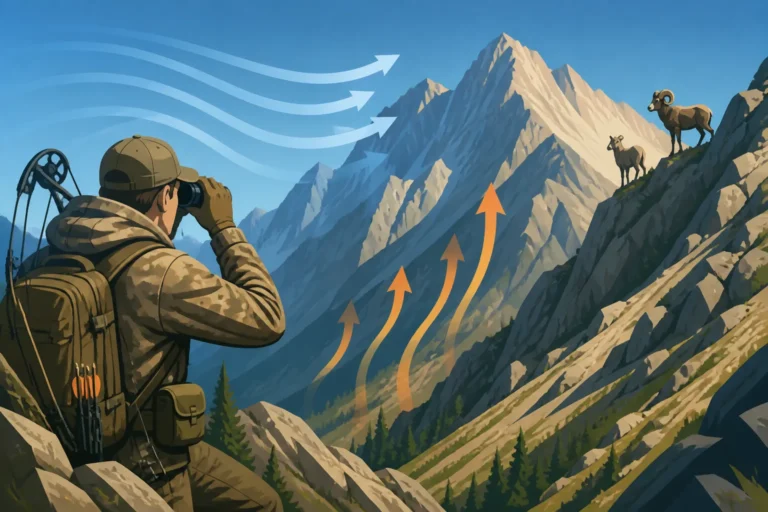
Pay close attention to Wind and Thermals in Steep Sierra Country. Deer will use these to their advantage when moving, especially in areas where they feel more exposed due to scattered food. Positioning yourself correctly relative to the wind will always be paramount.
Adapting to Pressure and Subtle Sign
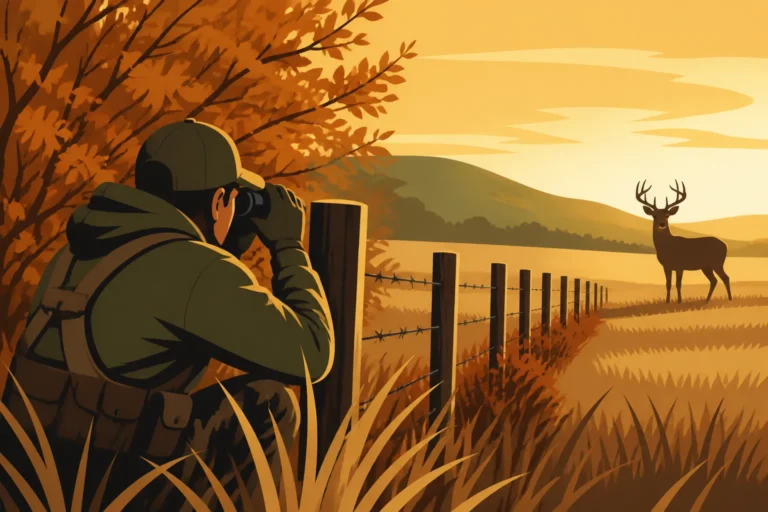
A poor acorn year often means deer are more widely dispersed but also potentially more sensitive to pressure. They might be forced to move into areas with less cover to find food, making them more wary. This demands a slower, more deliberate hunting style. Still-hunting, where you move slowly through an area, taking a few steps then stopping to scan for long periods, becomes extremely effective. You're no longer waiting for deer to come to a specific food source; you're actively searching for them where they are feeding.
Reading subtle sign is crucial. A single fresh track in a dusty trail, a recently nipped branch, or a small patch of fresh droppings might be the only indication that deer are in an area. These small clues can lead you to pockets of deer activity that other hunters might overlook. Don't dismiss an area just because it lacks obvious "prime" habitat; if it has a consistent alternative food source and water, deer will be there.
This also means being willing to go deeper or hunt less conventional spots. While everyone else might be focused on traditional oak flats, the deer might have moved to brushy draws or areas of secondary growth that offer both cover and a consistent food source. Think about where deer might feel secure while they're out searching for sustenance. Consider the advice given for Where California Blacktail Bucks Bed and how a lack of acorns might push them into different bedding cover closer to alternative food.
Considerations for Different California Deer Zones
The Golden State offers a truly diverse range of deer habitats, and a failed acorn crop impacts each of them uniquely. Understanding these regional differences is vital for a successful hunt.
Coastal Blacktails: Adapting to Chaparral and Mixed Woods
Hunting coastal blacktails during a poor acorn year means heavily emphasizing dense chaparral and mixed woodland edges. These areas, particularly those in the A and C zones, are often dominated by various brush species like chamise, manzanita, and ceanothus, which provide critical browse. Without acorns, deer will spend far more time methodically working through these thickets, browsing on whatever is available. Your focus should shift from under oak canopies to the denser, greener pockets of brush that hold moisture longer.
Look for transition areas where different vegetation types meet, such as where chaparral gives way to open grasslands or where a creek bottom runs through the brush. These are often natural travel corridors and areas where deer might find a wider variety of forage. You might find deer feeding more actively during the day within the security of dense cover, rather than waiting for dusk and dawn to hit open oak flats. Slow, deliberate still-hunting through these dense areas, or setting up on a well-used trail connecting water and thick browse, will be your best bet. Remember, patience is key when these deer are spread out and wary.
Sierra Mule Deer and Blacktails: High Country to Foothills
In the expansive Sierra Nevada, from the high country down to the foothills, a poor acorn year can trigger significant changes in deer migration and localized movement patterns. Deer that typically rely on acorns in the mid-elevations might stay higher longer, or descend earlier than usual if high-country forage is also limited. Alternatively, they might move more widely through the foothills, constantly searching for pockets of bitterbrush, serviceberry, or other browse.
For those Hunting California's Sierra Nevada Backcountry, this means paying extra attention to burn scars that are regenerating with new growth. These areas can be magnets for deer seeking fresh, nutrient-rich forage. Also, focus on south-facing slopes that receive more sunlight, which can cause plants to green up earlier or retain palatability longer into the season. Deer will also heavily utilize riparian areas, following creek bottoms and river drainages where vegetation tends to be more lush.
It’s crucial to understand that even the California Deer Migration Corridors can be affected. Instead of a strong push to lower elevations and specific oak flats, deer might stage in diverse habitats along their migration route for longer, or take less direct routes, based on where pockets of food can be found. Keep an eye on the weather; early snows can push deer down, forcing them to find whatever food is available at lower elevations, even if it's less than ideal.
Desert Mule Deer: Sparse Forage in Arid Zones
Hunting desert mule deer in areas like the eastern Sierra or the Mojave Desert fringe country during an acorn bust (which is less impactful here, as acorns aren't their primary food) means intensifying your focus on the truly scarce resources: water and any green vegetation. While acorns aren't a staple for these deer, the general principle of finding alternative food sources still applies. These deer are already accustomed to a sparse diet, but a particularly dry year coupled with any local oak failures can make their lives even harder.
Your strategy for Hunting a BLM Desert Wash for Deer becomes even more important. Washes and canyon bottoms often hold more moisture, allowing specific desert plants like mesquite, catclaw acacia, and various forbs to grow. These will be the primary food sources. Glassing these areas at first light and last light, or sitting a water hole, are highly effective tactics. Deer in these environments are masters of camouflage and using the terrain to their advantage. You'll need high-quality optics and immense patience. Don't forget that using mapping software, like GoHunt, to identify potential water sources and green strips along washes is essential for breaking down these vast landscapes into huntable sections.
Alternative Food Sources by California Region
Here's a quick reference for common alternative food sources when acorns are scarce, broken down by general region:
| California Region | Primary Alternative Food Sources | Key Scouting Indicators |
|---|---|---|
| Coastal Ranges | Manzanita, Ceanothus, Wild Rose, Buckbrush, Toyon, Live Oak leaves (heavily browsed), diverse native forbs and grasses, succulent shoots | Heavy browsing on brush (nipped twigs, stripped leaves), fresh scat in dense cover, trails leading to and from brushy pockets, increased movement during midday in dense cover |
| Sierra Foothills | Bitterbrush, Buckbrush, Serviceberry, Deerbrush, new growth in burn scars, various native grasses, irrigated agricultural crop edges (private) | Fresh tracks near burn scars or regenerating clear-cuts, browse lines on bitterbrush, scat in grassy meadows, increased activity near water features that support greener vegetation |
| High Sierra Country | Aspen, Willow, Currant, Huckleberry, new growth in alpine meadows and burn scars, specific forbs, conifer needles (as a last resort) | Browsing on new aspen shoots or willow, concentrated sign in sheltered, moist drainages, tracks along high-elevation benches, deer holding higher or migrating differently than usual |
| Mojave Desert Fringe | Mesquite (pods), Catclaw Acacia, Desert Willow, various desert shrubs, cacti fruits (prickly pear, cholla), sparse forbs near water | Tracks leading to hidden springs or seeps, browsing on mesquite bushes, scat in washes and canyon bottoms, deer sightings closer to water holes or areas with any green vegetation |
Disclaimer
Hunting is an inherently dangerous activity. Always prioritize safety, understand and adhere to all California Department of Fish and Wildlife regulations, and be aware of your surroundings. This guide is for informational purposes only and does not guarantee hunting success. Conditions in the field can change rapidly, and hunters should always exercise good judgment and ethical practices. Remember to always use non-lead ammunition in California, as it is a statewide requirement for hunting.