Hunting a Green Field Planted for Deer
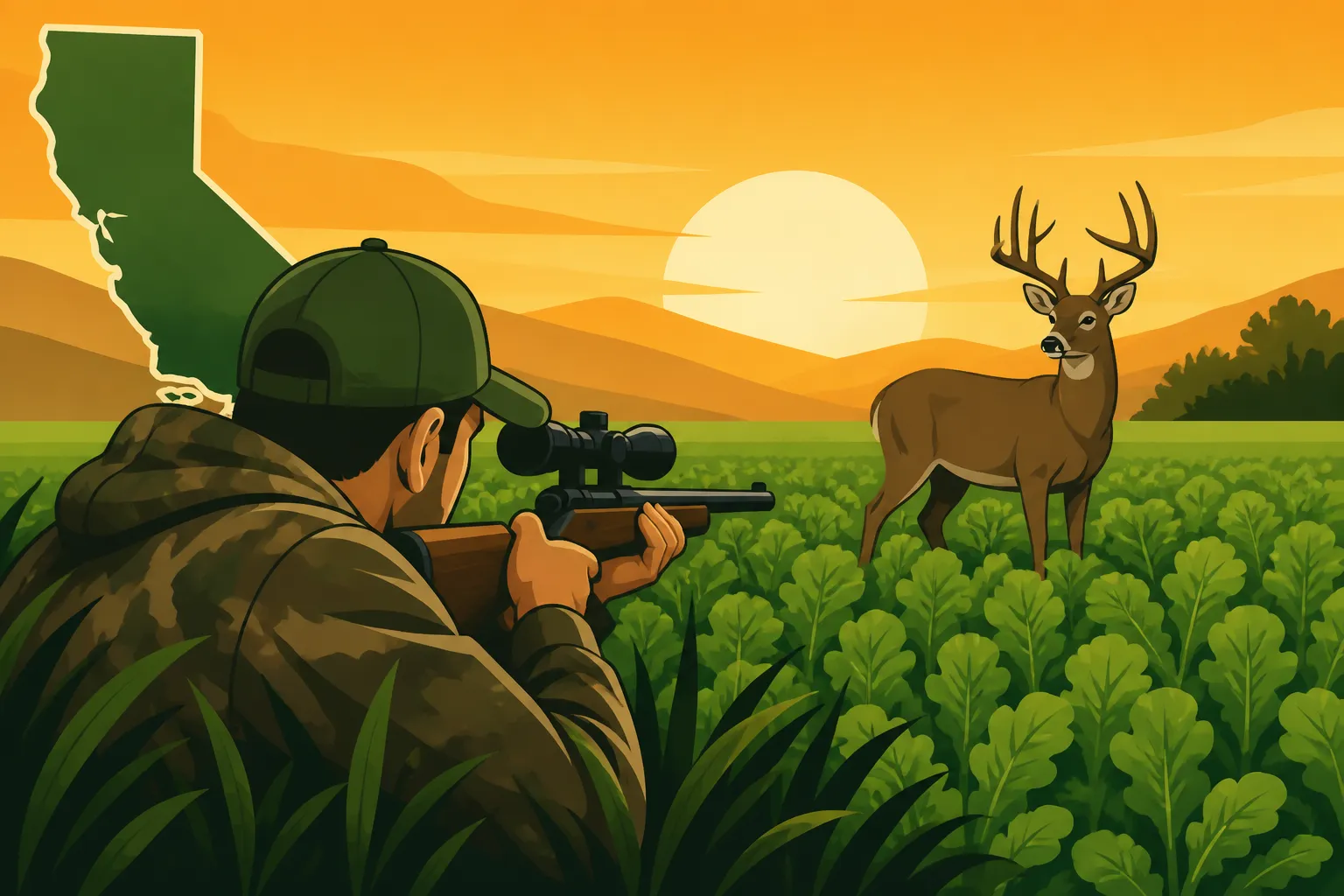
Hunting deer in California can be a real challenge, especially when you’re trying to understand how deer move and feed on private properties that actively manage for them. It’s frustrating to know that a prime food source exists, but not quite grasp how to approach it effectively without spooking every animal in the county. This guide aims to demystify hunting green fields planted specifically for deer, offering practical strategies and insights to help you put that hard-earned venison in the freezer.
Understanding California's Green Field Dynamics
When you find a property with a beautifully maintained green field, it’s like hitting the jackpot in California’s often dry and rugged landscape. These managed food plots are magnets for deer, providing essential nutrition and drawing them in from surrounding areas. But just seeing the field isn't enough; you need to understand the intricate dance deer perform around these vital resources.
Why Green Fields Attract Deer and Hunters
Green fields are essentially a landowner’s way of creating a deer cafeteria, offering a consistent and high-quality food source that’s often lacking in natural California habitats. Think about it: our state has vast expanses of chaparral, oak woodlands, and high-country timber, but consistently lush, palatable forage can be scarce, especially during dry spells or late in the season. These planted fields fill that void beautifully.
Landowners might plant anything from protein-rich alfalfa and clover, which are great for antler growth and overall herd health, to brassicas like turnips and radishes, which provide excellent late-season energy when temperatures drop. Even simple oats or winter wheat can be incredibly attractive. For deer, it's a reliable, nutrient-dense meal, making these fields a primary destination. For hunters, they represent a predictable, high-traffic area where deer are likely to be. They can be particularly effective in areas where deer populations might otherwise be spread out across vast, tough terrain, consolidating them into more huntable pockets. This is especially true if you're hunting in a zone like D3-5 or C, where reliable food sources can dictate deer movement.
Reading Deer Movement Patterns Around Planted Fields
Observing how deer use a green field is paramount to hunting it successfully. It's rarely as simple as deer just walking into the middle and munching away. They are creatures of habit and caution, always prioritizing their safety. You'll often notice distinct entry and exit points where deer feel most secure breaking cover. These might be through a thick brush line, a natural funnel between two oak ridges, or a creek bottom that offers a hidden travel lane.
Their daily routine often involves bedding down in dense cover nearby – maybe a north-facing slope with thick timber or a dense stand of willows along a river – and moving towards the field at dusk, returning to cover at dawn. Water sources, like a secluded spring or a cattle trough, will also play a crucial role in their travel routes, as deer will often hit water before or after feeding. Understanding the prevailing wind and thermals in that specific terrain is critical here. Deer will almost always approach a food source with the wind in their favor, allowing them to scent-check for danger. If you're planning on Hunting a Ridge-Top Saddle at First Light, knowing how those thermals drop down into a valley in the morning is just as important as knowing where the deer are going.
Daylight versus nocturnal movement is another key factor. If deer are only visiting the field after dark, it’s a strong sign of hunting pressure or a lack of secure cover close to the field edges. Your job as a hunter is to identify those brief windows of daylight activity or the subtle transitions where they feel comfortable enough to step out.
Strategic Approaches for Hunting Green Fields
Hunting a green field effectively isn't about rushing in; it's about meticulous planning and a patient, calculated approach. You're trying to outsmart an animal that lives and breathes caution, especially around open areas. This means your scouting, setup, and timing must be dialed in.
Scouting and Pre-Season Preparation
Scouting is your most powerful tool when it comes to green fields. It’s not just about seeing deer; it’s about understanding their habits without disturbing them. I always recommend spending time before the season, ideally with good optics, observing the field from a distance. A high vantage point with a quality spotting scope or binoculars can reveal so much about deer behavior – where they enter, where they exit, what time they show up, and how they interact with the field. You're looking for patterns. Are they using the same trail every night? Do they prefer one corner of the field over another?
Trail cameras are invaluable here. They work 24/7, capturing activity you'd never see otherwise. Place cameras on trails leading into the field, or at strategic pinch points that deer use to travel between bedding areas and the food source. Just remember to be mindful of public land rules if you're venturing out on public ground, though green fields are almost always on private land. You can learn a lot about effective placement from guides like Where to Hang a Camera on a Forest Road. The data you collect will tell you if deer are moving during shooting hours and give you a good idea of the caliber of bucks in the area. Modern mapping tools, like those offered by GoHunt, can be a game-changer for pre-season scouting. You can mark potential bedding areas, common travel routes, water sources, and precise stand locations right on your phone, giving you a comprehensive overview of the property's deer dynamics. This digital mapping allows you to visualize the entire hunting area, making informed decisions about access and approach.
Stand and Blind Placement Considerations
Once you have a good understanding of deer movement, the next critical step is selecting your stand or blind location. This decision hinges entirely on the prevailing wind direction. No matter how good your setup, if your scent blows into the field where deer are feeding, your hunt is likely over before it begins. Always hunt with the wind in your favor, even if it means sacrificing a "perfect" vantage point. If the wind isn't right, don't hunt that spot; find another or come back another day.
Beyond wind, consider the sun's position. You don't want to be looking directly into the rising or setting sun, as it will blind you and cast long, obvious shadows. Concealment is equally important. If you’re using a ground blind, you'll need to brush it in thoroughly so it blends seamlessly with the natural surroundings. Tips found in Brushing In a Blind on a Field Edge can be incredibly helpful for this, even if you’re not on public land. Elevated stands offer a wider field of view and help your scent dissipate above the deer’s primary detection zone, but they require careful placement to avoid silhouetting yourself against the sky. Think about the specific trees or cover available around the field and how you can best integrate your setup into it.
Timing Your Hunt for Maximum Success
The saying "timing is everything" couldn't be more true when hunting green fields. Deer are most active during the low light hours of dawn and dusk. This is when they feel safest leaving the cover of timber to feed. Plan your entry and exit routes carefully to avoid spooking deer as you approach or leave your stand. Often, deer will stage in the timber just outside the field, waiting for the last bit of light to fade before stepping out. If you go in too late, they might already be there; too early, and you risk bumping them.
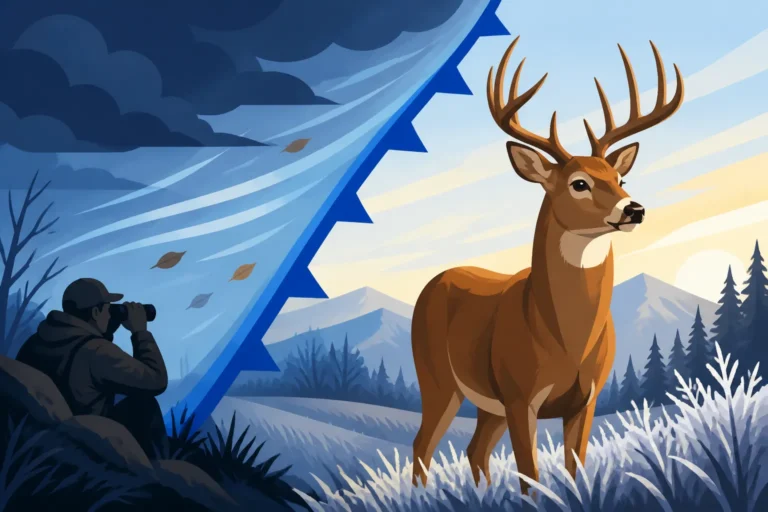
Weather plays a huge role in deer activity. A sudden Hunting Deer After a Cold Front can really get deer on their feet and moving, as they instinctively feed heavily before or after a drop in temperature. Overcast days or light rain can also be excellent, as deer often feel more secure moving in less direct sunlight or with the sound of their movement masked by weather. Pay attention to how the deer behave on your trail cameras during different weather patterns. And of course, the rut is a prime time. Bucks will often cruise field edges looking for does, making them more vulnerable during daylight hours. Knowing When the California Rut Peaks by Zone in your specific hunting area can help you plan your most critical sits. However, heavy hunting pressure can quickly turn daytime field visitors into nocturnal ghosts, so adapting to the situation is key.
Gear and Tactics for Green Field Hunting
Having the right gear and executing smart tactics can make all the difference when you're targeting deer around a green field. It's about being prepared for observation, staying undetected, and making the most of your shot opportunity.
Optics and Observation Tools
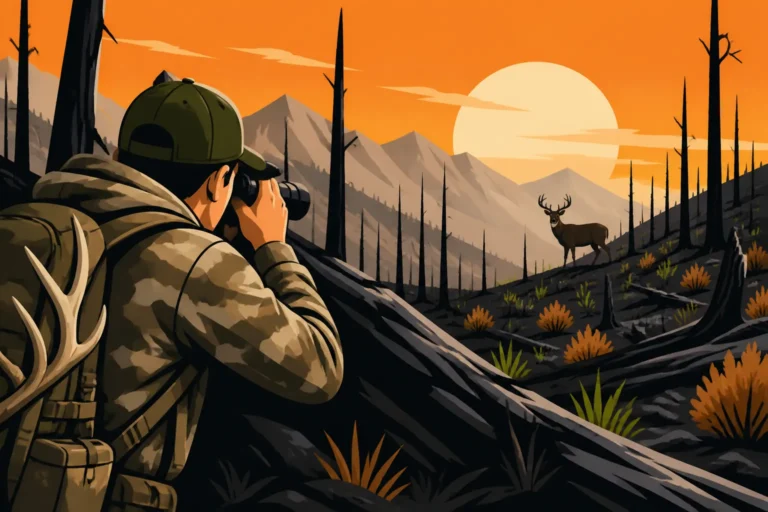
In open green field scenarios, high-quality optics are not just a luxury; they're an absolute necessity. You’ll be doing a lot of glassing, often at varying distances. A good pair of binoculars, like those suggested in Best Binoculars for Glassing a Burn Scar, will allow you to scan the field edges and pick out deer movement without having to strain your eyes or move your head excessively. These powerful tools can help you identify deer at long ranges before they even step into the field.
For more detailed observation, especially at longer distances or to judge antler size, a spotting scope on a sturdy tripod is indispensable. This allows you to scrutinize every deer that enters the field, confirming sex and size without getting closer and risking a bust. When that buck finally steps out, a reliable rangefinder is crucial for making an ethical shot. Green fields can sometimes play tricks on your eyes, making distances appear shorter or longer than they actually are. A tool like the Best Rangefinder for Open Desert Country can give you an exact yardage, removing all doubt from your shot calculation. And don’t forget that GoHunt's mapping capabilities aren't just for scouting; they can also help you understand distances and terrain features in real-time while you're glassing, making it easier to pinpoint exactly where that trophy buck is standing.
Stealth and Scent Control
Deer have an incredible sense of smell, and a green field environment often makes scent control even more critical than in dense timber. With open air movement and less cover, your scent is free to travel far and wide. The fundamental rule is always to play the wind, as discussed when planning your stand setup. But beyond that, meticulous scent control practices are essential. This means showering with scent-free soap, washing your hunting clothes in scent-free detergent, and storing them in airtight containers.
Your approach and exit routes to the stand also need to be as quiet and scent-free as possible. Avoid walking through areas where deer are likely to be bedding or traveling. Wear rubber boots to minimize scent transfer to the ground. Sprays and scent-reducing technologies can offer an extra layer of protection, but nothing beats knowing and using the wind to your advantage. Understanding how Wind and Thermals in Steep Sierra Country work, even if you’re not in the high country, can help you predict scent movement in your specific field location. Every little bit of stealth helps when deer are on high alert in an open food source.
Shot Opportunities and Follow-up
When a deer finally presents itself in the green field, patience is your friend. Don't rush the shot. Wait for the animal to present a broadside or slightly quartering-away angle, offering the largest and most ethical kill zone. Be aware of other deer in the field; you don't want to spook the entire herd if you can help it. If hunting with a rifle, ensure your non-lead ammunition is sighted in and you're confident in your range estimation, especially with California's non-lead ammunition requirement. For archers, your broadhead choice for California blacktail deer needs to be sharp and accurate.
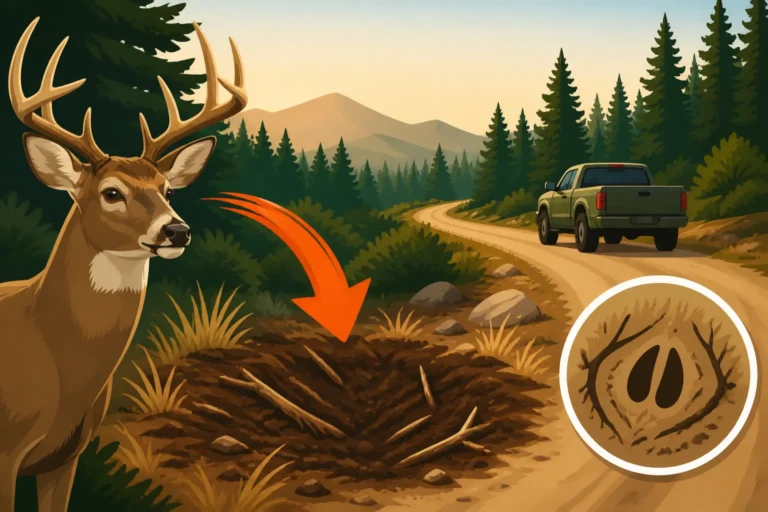
After the shot, watch and listen carefully to the deer’s reaction. Note its direction of travel. Give the animal time before you begin tracking, especially if it didn’t drop in sight. A good rule of thumb is to wait at least 30 minutes for a gut shot, or even a few hours, to allow the deer to expire. This patience drastically increases your chances of a successful recovery. When you do track, look for blood, broken branches, and disturbed earth. Having a reliable flashlight or headlamp is critical, as often the tracking extends into darkness. Resources like Blood Trailing After Dark in California can provide specific strategies for these challenging situations. Even if the field is flat, a downed deer can be difficult to locate in tall grass or brush surrounding the field. And if it runs into a steep canyon or dense cover, knowing how to approach Recovering a Deer From a Steep Canyon becomes a crucial skill.
| Green Field Crop | Primary Benefit to Deer | Planting Season | Ideal California Climate |
|---|---|---|---|
| Alfalfa | High Protein, Digestible | Spring/Fall | Moderate, well-drained |
| Clover | Protein, Palatability | Spring/Fall | Moderate, moist |
| Brassicas | Energy, Late Season Feed | Late Summer | Cool, moist |
| Winter Wheat | Early Growth, Digestible | Fall | Variable, tolerant |
| Oats | Quick Growth, Energy | Fall | Variable, tolerant |
Remember, hunting green fields is a chess match. Every move you make, from pre-season scouting with GoHunt to your final approach, needs to be deliberate and well-considered. Stay patient, stay observant, and enjoy the fruits of your labor!
Disclaimer
Please note that hunting regulations and laws can change frequently. It is the responsibility of every hunter to check the most current California Department of Fish and Wildlife (CDFW) regulations before engaging in any hunting activity. This guide is for informational purposes only and does not supersede official CDFW guidelines.