California Zone A Season Dates
Navigating California's complex deer hunting regulations can feel like trying to find a needle in a haystack, especially when you're just trying to figure out when you can actually hit the woods. If you've ever felt overwhelmed by the alphabet soup of deer zones and their ever-shifting dates, you're not alone. This guide is here to untangle the specifics of California's Zone A season, giving you a clear roadmap for when to plan your hunts, what to expect, and how to prepare for this popular deer hunting opportunity.
Understanding California's Deer Zone System
Before we dive into the nitty-gritty of Zone A, it's really helpful to understand why California has such a diverse and, let's be honest, sometimes confusing zone system in the first place. It’s not just to make our lives harder, I promise! The California Department of Fish and Wildlife (CDFW) designs these zones to manage deer populations effectively across a state with incredibly varied habitats and climates. From the dense coastal forests to the high Sierra peaks, deer thrive in different environments, and their breeding cycles, migration patterns, and overall health vary significantly.
The Rationale Behind Zone Design
Each deer zone, from A to S, is essentially a management unit tailored to the specific deer population within its boundaries. The CDFW considers factors like habitat quality, annual rainfall, predator presence, and human impact when setting seasons and tag quotas. For instance, the deer in the coastal range, where Zone A predominantly lies, behave very differently than the migratory mule deer of the Eastern Sierra's X-zones. This biological diversity necessitates different approaches to hunting seasons to ensure sustainable populations. It’s a massive undertaking to balance conservation with recreational opportunities, and the zone system is their best attempt at doing just that. Without this careful management, we'd quickly see populations decline in certain areas or become overpopulated in others, leading to habitat degradation and other ecological issues.
Where Zone A Stacks Up Geographically
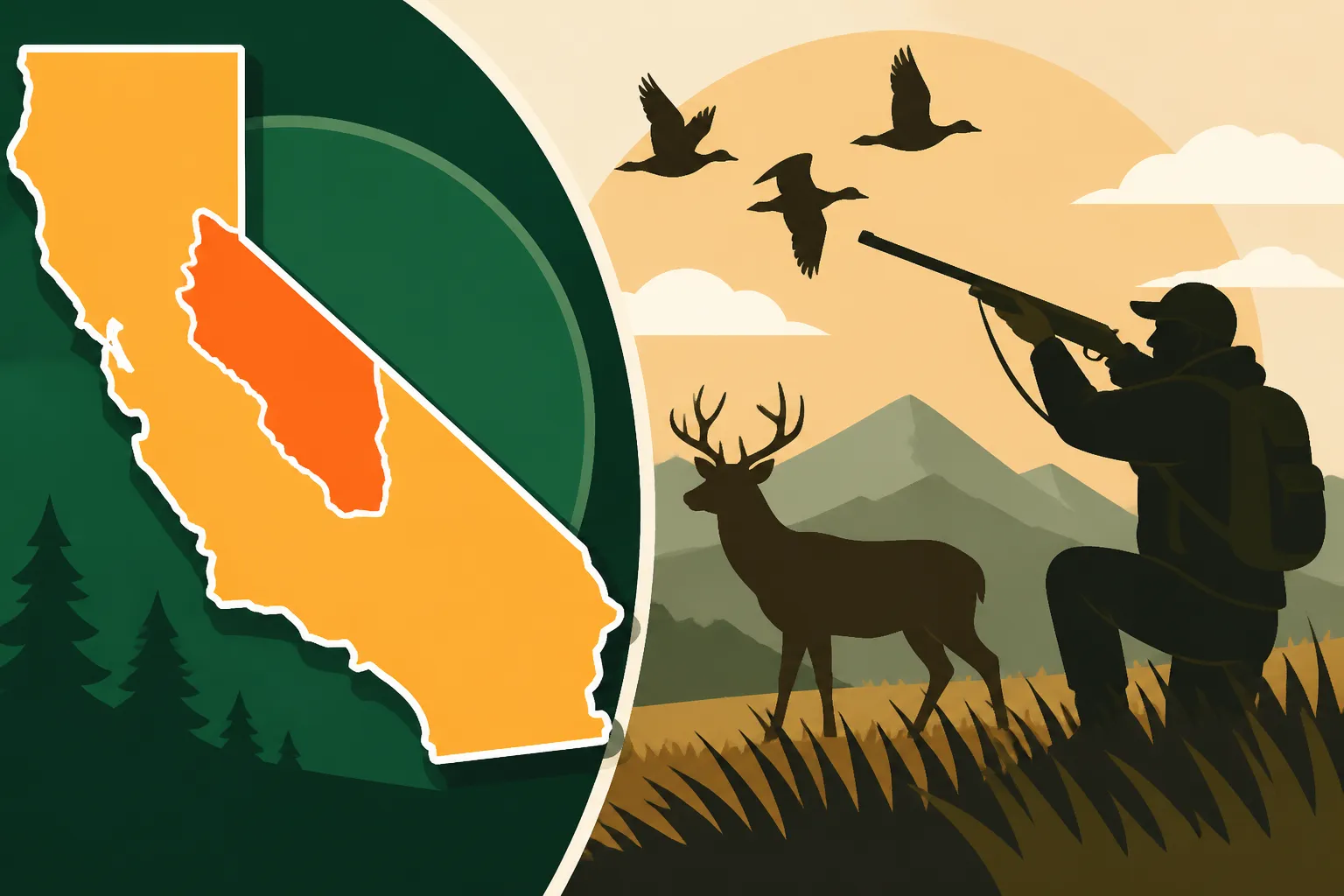
Zone A covers a vast swath of California's coastal and west-central regions. Think of the beautiful oak woodlands, rolling hills, and chaparral country stretching from just south of San Francisco Bay, down through the Central Coast, and into some parts of Southern California's foothills. It includes parts of counties like Mendocino, Lake, Sonoma, Napa, Marin, Solano, Contra Costa, Alameda, Santa Clara, Santa Cruz, San Benito, Monterey, San Luis Obispo, Santa Barbara, Ventura, Los Angeles, and even extending into parts of Orange and Riverside counties. If you've spent any time Hunting Coastal Range Oak Woodlands, you've likely been in or near Zone A. This region is primarily home to the Columbia Blacktail deer, a subspecies known for its smaller size compared to its mule deer cousins further east, but still offering a fantastic hunting challenge. The terrain can be everything from steep, brushy canyons to more open, scattered oak stands, demanding a versatile hunting approach.
How Zones Impact Hunter Opportunity
The zone system directly dictates where, when, and how many deer you can pursue. For Zone A, it means a specific set of dates for both archery and general seasons, and typically, an "any legal deer" tag, meaning you're not restricted by antler point count, unlike some other zones. This often translates to a relatively high number of tags available for Zone A, making it a popular choice for many hunters, especially those new to deer hunting or those who prefer to stay closer to the populated coastal areas. However, popularity can also mean more hunting pressure, so understanding the zone's specific nuances becomes even more critical. The widespread availability of Zone A tags, often over-the-counter, stands in stark contrast to the highly sought-after, draw-only tags found in premium X-zones. This accessibility is a huge draw for many, allowing for consistent hunting opportunities year after year without relying on a successful draw.
Key Dates for California Zone A Archery Season
For many, the archery season in Zone A is the highlight of the year. It's an opportunity to chase blacktail bucks in the beautiful, usually warm, summer months, testing your skills against some truly elusive animals. The archery season always precedes the general rifle season, offering a more primitive, intimate hunting experience before the woods get bustling with more hunters.
The Early Archery Opener
The archery season in Zone A typically kicks off in early July. This is usually the first deer hunting opportunity of the year in California, a much-anticipated time for bowhunters. In most years, the season begins on the second Saturday in July and runs for about three weeks. For example, if July 1st is a Monday, the season would open on July 13th. These early dates mean you're often hunting in warm to hot conditions, depending on the specific elevation and proximity to the coast. You can check the CDFW regulations directly for the exact dates each year, but that second Saturday in July is a reliable benchmark. Many hunters eagerly await the official announcement to confirm When Zone A Archery Season Opens. This early opener allows bowhunters to be in the field during a time when bucks are still in bachelor groups, often in predictable patterns, and haven't experienced significant hunting pressure yet.
Why the Archery Season is Often Hot
Let's be real, "early July" in California often means hot. Especially in the inland portions of Zone A, temperatures can easily soar into the 90s, or even triple digits. This isn't just uncomfortable; it significantly impacts deer behavior and your hunting strategy. Deer will often become nocturnal, moving primarily at dawn and dusk, and seeking thick cover during the heat of the day. Water sources become absolute magnets. You’ll need to adjust your approach, focusing on early morning and late evening hunts, and being prepared for a strenuous pack-out in challenging conditions. A solid Hot-Weather Sitting Strategy in August (though the Zone A archery is July, the principles apply) is crucial for success and safety. Hydration isn't just recommended, it's absolutely vital for you and your hunting partners.
Equipment Considerations for Bowhunters
Given the specific challenges of Zone A's archery season, your gear choices are paramount. First off, a lightweight, breathable layering system is essential, as temperatures can still drop dramatically from peak daytime heat to pre-dawn lows, especially near the coast or at higher elevations. Good, sturdy boots with excellent ankle support are a must for navigating the steep, brushy terrain. You'll also want to ensure your broadheads are tuned for maximum penetration on blacktail deer, which can be tough animals, especially when adrenaline is pumping. Don't forget a reliable rangefinder; those brushy canyons can make judging distance tricky. For California, only non-lead broadheads are permitted for big game hunting, so make sure your setup is compliant. Knowing your equipment inside and out, from your bow to your arrows, is critical. Consider a compact, lightweight game processing kit for quick field dressing, which is essential in hot weather to preserve your hard-earned venison.
Key Dates for California Zone A General Rifle Season
While bowhunters get an early jump, the general rifle season in Zone A is by far the most popular period, attracting a wider range of hunters. This is when the traditional deer camp really comes alive, and the sound of rifle shots echoes through the oak woodlands. Understanding these dates is crucial for planning your primary deer hunt.
General Season Opening and Closing
The general rifle season in Zone A typically opens on the second Saturday in August and runs for just over a month. So, if August 1st is a Thursday, the season would open on August 10th and close around the middle of September. Again, always double-check the current year's regulations on the CDFW website or through resources like GoHunt, as dates can shift slightly from year to year. This means you'll still be contending with warm weather for much of the season, but usually with slightly cooler temperatures than the peak of July archery. This information, specifically California Zone A General Season Dates, is one of the most frequently searched items for deer hunters in the state. Planning vacation time or weekend trips around these dates is often a year-round thought for many.
Understanding the Season Length
The Zone A general season, typically lasting about 37 days, offers a good window of opportunity. However, it’s important to remember that this isn't an "any legal deer" tag with unlimited access. You only have one tag (unless you manage to draw an additional tag in some specific circumstances, which is rare for Zone A), so making the most of your time is key. Many hunters will focus their efforts on opening weekend or the final week, which can lead to increased hunting pressure during those periods. Spreading your hunts out, especially focusing on weekdays if possible, can sometimes lead to encountering less disturbed deer. The relatively short season means you need to be efficient and capitalize on any opportunities that arise. It also means that weather shifts, especially an early rain or a heatwave, can significantly impact hunting conditions for a large percentage of the season.
Impact of Weather on General Season Hunting
Just like archery season, weather plays a huge role during the general season. August and early September in Zone A can still be very warm and dry. This means deer are often still tied to water sources and seeking shade in thick cover during the day. However, as September progresses, especially later in the season, there's a chance of cooler temperatures or even early autumn rains. A significant cool-down or a rain event can really get deer moving and revitalize their daytime activity, offering prime hunting conditions. Keep a close eye on the forecast leading up to and during your hunt. A strong marine layer or fog can also provide cooler, more humid conditions that benefit deer movement, particularly in the coastal-facing parts of the zone. This is where local knowledge and flexible hunting plans really pay off.
Specific Regulations and Considerations for Zone A Hunters
California has some unique hunting regulations, and it's absolutely vital to be intimately familiar with them, especially when hunting Zone A. Ignoring these rules isn't just a risk; it can lead to hefty fines, loss of hunting privileges, and even criminal charges. Don't let a technicality ruin your hunt or your hunting future.
Non-Lead Ammunition Mandates
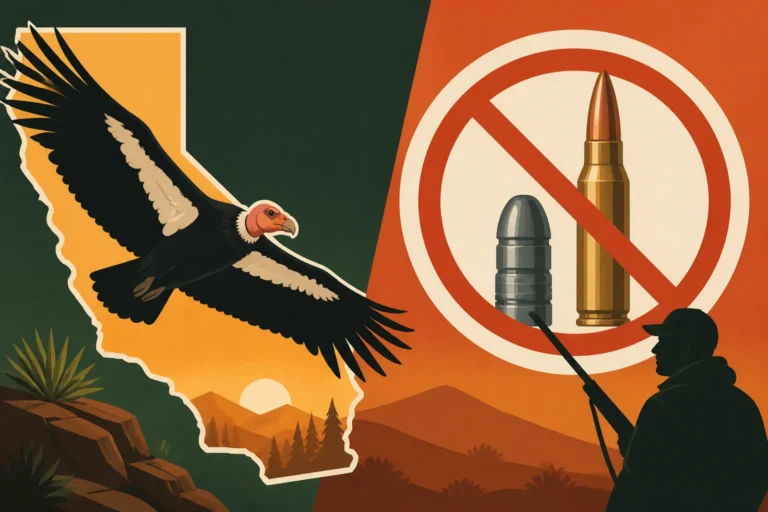
One of the most significant regulations for all hunters in California, including Zone A, is the statewide non-lead ammunition requirement. Since July 1, 2019, it has been mandatory to use only non-lead projectiles when hunting any wildlife with a firearm in California. This includes rifles, shotguns, and handguns. For deer hunters, this means using solid copper bullets or other approved non-lead alternatives. You cannot use traditional lead-core bullets, even if they have a copper jacket. The reason for this is primarily environmental, aimed at protecting scavengers like the California condor from lead poisoning. For more details, you can refer to the comprehensive guide on California's Non-Lead Ammunition Requirement. This mandate requires hunters to select appropriate non-lead loads for their firearms, and it's wise to practice with them extensively before the season to ensure accuracy and consistent performance. Different non-lead bullets can behave differently than their lead counterparts, so proper sighting in is absolutely critical.
Tagging and Reporting Requirements
After you've successfully harvested a deer in Zone A, your responsibilities don't end there. California has strict tagging and reporting requirements. Immediately upon killing a deer, you must fill out your deer tag, detach the validation portion, and securely attach the tag to the antler or ear of the deer. This tag must remain attached until the animal is processed and consumed. Beyond tagging, all deer harvested in California, including those from Zone A, must be reported to the CDFW. This can often be done online through their Automated License Data System (ALDS) portal, or sometimes via phone or mail. There's a deadline for reporting, usually January 31st of the following year. This reporting data is vital for the CDFW to monitor deer populations, assess harvest success, and make informed management decisions for future seasons. Failing to report your harvest is a violation and can carry penalties. For full details on the process, refer to California Deer Reporting Requirements.
Public vs. Private Land Access
Zone A encompasses a mix of public and private lands, and understanding where you can legally hunt is paramount. Much of the public land in Zone A consists of National Forest lands (like parts of Los Padres National Forest or Mendocino National Forest) and Bureau of Land Management (BLM) lands. These areas are generally open to hunting, though specific regulations may apply, such as vehicle restrictions or camping rules. Always check with the local land management agency for the area you plan to hunt. However, a significant portion of Zone A is private land, including large ranches, vineyards, and rural properties. Accessing these lands requires explicit permission from the landowner, and without it, you are trespassing. Even if land isn't posted, it's considered private unless clearly marked otherwise. Using mapping apps like OnX Hunt, which details property boundaries and public land ownership, is an invaluable tool for navigating these areas and ensuring you stay legal. Trying to secure permission on private lands can greatly expand your hunting opportunities, but always remember to be respectful and responsible.
Maximizing Your Success in Zone A
Hunting Zone A can be challenging but incredibly rewarding. Success often boils down to a combination of thorough preparation, adaptability in the field, and diligent post-harvest practices. It’s not just about showing up with a rifle; it's a season-long commitment.
Scouting and Pre-Season Preparation
The work for a successful Zone A hunt often begins long before opening day. Pre-season scouting is absolutely critical. This involves physically getting out into the woods, looking for deer sign like tracks, droppings, rubs, and active trails. Pay close attention to food sources – oak trees dropping acorns, berry patches, and even agricultural fields adjacent to cover. Water sources are paramount, especially during the dry summer months. Topographical maps and apps like those offered by GoHunt can help you identify potential travel corridors, bedding areas, and pinch points. Looking for areas of less hunting pressure, often found deeper in the backcountry or in overlooked pockets, can significantly increase your odds. Consider setting up trail cameras on public land to monitor deer activity and patterns, giving you real-time intel. Even if you're not planning a hunt, some folks enjoy Shed Hunting on California Public Land in the spring, which is an excellent way to learn about buck patterns and travel routes.
| Aspect of Scouting | What to Look For | Why It Matters |
|---|---|---|
| Food Sources | Acorns, berries, green browse, agriculture | Deer are primarily driven by food; locate primary feeding areas. |
| Water Sources | Seeps, springs, troughs, stock ponds | Crucial in dry Zone A; deer will visit daily, especially in heat. |
| Cover/Bedding | Thick chaparral, dense oak stands, north-facing slopes | Deer hide here during the day; identify approach routes. |
| Travel Corridors | Well-used trails, saddles, creek bottoms, ridge lines | Connect food, water, and cover; ideal ambush points. |
| Sign | Tracks, droppings, rubs, scrapes, fresh game trails | Indicates recent deer activity and buck presence. |
| Entry/Exit Routes | How you'll access without spooking deer, and how to pack out. | Minimizes disturbance and makes recovery easier. |
Adapting to Zone A's Unique Challenges
Zone A hunting, particularly in its earlier phases, is defined by heat and dense cover. You’ll need to adjust your tactics accordingly. Early mornings and late evenings are almost always your best bet, as deer move more during cooler periods. Consider a still-hunting approach through thick oak woodlands, moving slowly and deliberately, pausing often to scan ahead. Glassing can be highly effective in more open areas or across canyons, but be prepared for the challenge of Glassing Mule Deer in Open California Country (or blacktail, in this case), as their brown coats blend incredibly well. Pay attention to wind and thermals, especially in hilly terrain; scent control is always important, but even more so when deer movement is limited. Being quiet, patient, and persistent are virtues that pay off handsomely in Zone A. For example, some hunters find success setting up on water sources in the afternoon heat, waiting for deer to come to them.
Post-Harvest Responsibilities
Bringing down a deer is just one part of the journey. In the warm conditions typical of Zone A, quick and efficient field dressing is paramount to preserving the meat. Get the guts out, open the body cavity to allow it to cool, and consider skinning and quartering the animal if you have a long pack-out ahead. Game bags are indispensable for keeping the meat clean and allowing air circulation. You need a plan for getting your deer out of the field and into cold storage as quickly as possible. This might mean having coolers packed with ice ready at your vehicle or a nearby camp. Remember, venison spoilage is a real risk in high temperatures. Proper care ensures that your hard-earned harvest translates into delicious, high-quality meat for your freezer, honoring the animal and your efforts. Lastly, don't forget to register your deer tag with the CDFW, as discussed earlier.
Disclaimer
The information provided in this guide is intended for general informational purposes only and does not constitute legal advice. Hunting regulations in California are subject to change, and it is the hunter's sole responsibility to consult the most current California Department of Fish and Wildlife (CDFW) regulations booklet and local ordinances before engaging in any hunting activities. Always ensure you have the appropriate licenses and tags, and fully understand all applicable laws. Safety should always be your top priority in the field.