California’s Condor-Driven Ammunition Law
The landscape of hunting in California has undergone significant shifts over the years, and perhaps no change has created more discussion and adjustment than the statewide move to non-lead ammunition. Many hunters initially felt a mix of confusion, frustration, and even skepticism about this mandate, wondering how it would impact their cherished traditions and effective hunting practices. This comprehensive guide aims to unravel California's condor-driven ammunition law, diving deep into its origins, its phased implementation, and practical advice to ensure you're fully compliant and ready for your next adventure afield.
The Genesis of the Lead Ban: Protecting the California Condor
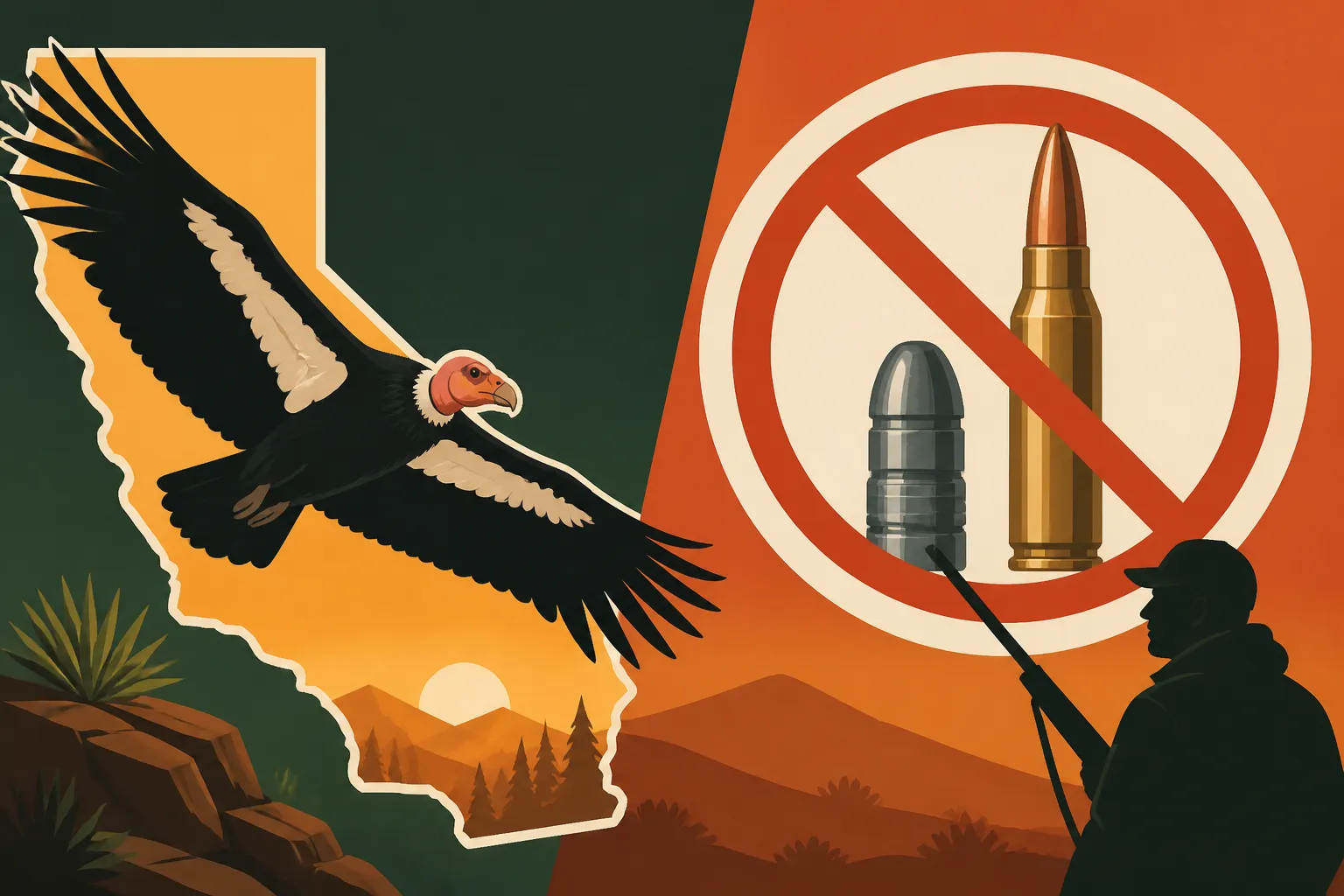
For many years, the discussion around lead ammunition was primarily focused on human health or environmental contamination in general. However, in California, a very specific and iconic bird became the unfortunate catalyst for a sweeping change in hunting regulations: the California condor. This magnificent, critically endangered scavenger, with its massive wingspan and vital role in the ecosystem, inadvertently became the focal point of a statewide debate.
The Condor's Plight and Lead Exposure
The story of the California condor is one of dramatic decline and painstaking recovery. By the mid-1980s, only 22 condors remained in the wild, leading to an emergency captive breeding program. While the breeding efforts slowly brought the population back from the brink, biologists observed a consistent and alarming issue preventing their full recovery: lead poisoning. Condors, being scavengers, often feed on the carcasses of animals that have been shot with traditional lead-based ammunition. When a lead bullet fragments upon impact inside an animal, tiny lead particles can scatter throughout the tissue. Even small fragments, when ingested by a condor, can lead to severe neurological damage, illness, and ultimately, death. This direct link between lead bullet fragments in hunter-killed animals and condor fatalities was the primary scientific driver behind the push for non-lead ammunition. It wasn't about targeting hunters; it was about protecting a species on the very edge of extinction, and hunters found themselves at the heart of a conservation challenge.
The Phased Implementation Timeline
Understanding that a complete, immediate ban on lead ammunition would be a monumental hurdle for hunters and manufacturers alike, California adopted a phased implementation approach. This wasn't an overnight change; it was a gradual transition designed to allow time for the hunting community to adapt and for the market to provide viable non-lead alternatives. The first restrictions began in 2008 in specific condor-occupied ranges, primarily within the "Condor Range," which included portions of Monterey, San Luis Obispo, Santa Barbara, Ventura, and Los Angeles counties. This initial phase targeted big game and coyote hunting, laying the groundwork for what was to come.
As the years progressed, the restrictions expanded. By July 1, 2015, the use of lead ammunition was prohibited for hunting all wildlife in several additional areas, including National Wildlife Refuges and various state wildlife areas and ecological reserves. The final and most significant phase arrived on July 1, 2019, when the statewide ban on lead ammunition for the take of all wildlife came into full effect. This meant that no matter where you were hunting in California—whether chasing deer in Zone A, pursuing wild pigs on Central Coast oak ranges, or waterfowl in the Central Valley—you had to use approved non-lead projectiles. This lengthy transition period, while still challenging for many, aimed to ease the burden and facilitate compliance across all hunting disciplines.
Understanding the Statewide Non-Lead Ammunition Mandate
The full statewide non-lead ammunition mandate can feel daunting, covering everything from the smallest squirrel to the largest elk. It’s not just about rifles; shotguns and handguns are also included, adding layers of complexity for hunters who might use different firearms for different game. Grasping the specifics of what is required and what is allowed is crucial for any hunter wanting to stay on the right side of the law.
Which Ammunition Types Are Affected
When the law came into full effect, it became illegal to use or possess any projectile containing lead when taking any wildlife with a firearm in California. This isn't just a recommendation; it's a strict legal requirement. This broad definition means that if you're out hunting, every single bullet, slug, or pellet in your possession must be certified as non-lead.
- Rifle Ammunition: For rifle hunters, this primarily means switching from traditional lead-core bullets to alternatives like solid copper, copper-alloy, or bonded-core bullets that encapsulate lead within a non-fragmenting jacket. Manufacturers like Barnes (Vor-TX), Federal (Trophy Copper), Winchester (Deer Season XP Copper Impact), and Hornady (CX) quickly adapted, offering a wide array of options across popular calibers. These bullets are designed to retain their weight and integrity upon impact, minimizing fragmentation and the risk of lead poisoning in scavengers.
- Shotgun Ammunition: Shotgunners, especially those pursuing waterfowl, were already familiar with non-lead shot requirements due to federal regulations. However, the California law extended this requirement to all upland game birds, small game, and even big game (if using slugs). This means steel, bismuth, tungsten-alloy, or other non-lead shot types are mandatory. Lead slugs for deer or pigs are also prohibited, requiring hunters to use copper or similar non-lead slug options.
- Handgun Ammunition: For those who hunt with handguns, particularly for wild pigs, the same rules apply. You must use non-lead bullets, typically solid copper or monolithic designs, that are specifically manufactured to be lead-free. This often means carefully checking product descriptions and packaging to ensure full compliance before heading into the field.
Certified Non-Lead Projectiles
The California Department of Fish and Wildlife (CDFW) maintains a list of certified non-lead ammunition that meets the state's requirements. While this list is a helpful resource, it's important to understand that the law applies to the material composition of the projectile, not just a specific brand approval. Any bullet, slug, or pellet that does not contain lead (or contains lead that is entirely enclosed in a non-fragmenting material, like some newer bonded-core designs) can be considered compliant.
When you're at the sporting goods store, or browsing online, always look for clear indications on the packaging or product description that the ammunition is "lead-free," "non-lead," "copper solid," or "California compliant." Do not assume. If you're unsure, it's always best to err on the side of caution and verify with the retailer or manufacturer. This diligence is crucial because ignorance of the law is not a valid defense if you're found with lead ammunition in the field. Many hunters rely on tools like GoHunt to stay abreast of the latest regulatory changes and zone-specific information, especially when planning a hunt in an area with unique requirements like this.
Potential Lead Ammunition Exemptions
While the non-lead mandate is broad, there are some extremely limited and specific exemptions that generally do not apply to recreational hunting. These exemptions primarily pertain to specific government activities, such as law enforcement, military operations, or scientific research that absolutely requires lead ammunition and has received explicit approval.
For the vast majority of recreational hunters in California, there are no exemptions. This means you cannot use lead ammunition for any game species, on any public or private land, at any time during hunting season. There's no "grandfather clause" for older ammunition, nor are there special allowances for certain calibers or hunting methods. The rule is universal. It's a fundamental change that requires every hunter to adapt their ammunition choices, which also means considering how your chosen firearm performs with these new projectile types. If you're still using an older rifle that's always shot lead, you'll want to take it to the range and pattern it with a few different non-lead options to see what shoots best. Remember, if you're hunting in specific areas like the Los Padres National Forest Hunting, the non-lead requirement has been in place even longer, underscoring the long-term commitment to this conservation effort.
Navigating Non-Lead Ammunition Choices for Big Game
Making the switch to non-lead ammunition for big game hunting can feel like a big step. You've likely spent years, maybe decades, perfecting your rifle and load combination. Now, with lead out of the picture, it's time to re-evaluate. The good news is that modern non-lead bullets are incredibly effective, often offering superior terminal performance. However, they do behave differently than traditional lead-core bullets, and understanding these differences is key to successful hunting.
Copper Monolithic Bullets
One of the most common and popular non-lead choices for big game in California is the copper monolithic bullet. Brands like Barnes (with their TSX and TTSX lines) and Hornady (with the GMX, now CX) have been at the forefront of this technology. These bullets are typically machined from a single piece of copper or a copper alloy, meaning they have no lead core to separate or fragment.
- How They Work: Upon impact, these bullets are designed to expand into sharp, petal-like blades, creating a large wound channel. Crucially, they retain almost all of their original weight, often 95-100%, and penetrate deeply. This deep penetration is what makes them so effective on big game, allowing them to punch through bone and vital organs.
- Terminal Performance: Many hunters find that copper monolithic bullets offer excellent accuracy and devastating terminal performance. Because they don't fragment, they create less meat damage, which is a bonus when you're thinking about field dressing a deer in hot weather or packing out meat from a steep canyon. However, due to their hardness and weight retention, they require a higher impact velocity to ensure proper expansion. This means they might perform best at higher muzzle velocities and could have slightly different ballistics compared to lead-core bullets of the same weight, especially at extended ranges. It's vital to choose a bullet weight and design appropriate for your caliber and the game you're pursuing. For instance, the Best Non-Lead Bullet Weight for Blacktail Deer might differ from what you'd choose for elk.
Bonded Core and Other Lead-Free Designs
While solid copper monoliths are dominant, other non-lead or lead-reduced designs also exist and are compliant. Some manufacturers offer bonded-core bullets where a lead core is chemically bonded to a heavy copper jacket. While these still contain lead, if the design prevents fragmentation and lead exposure, they can be considered compliant. However, the most straightforward and widely accepted approach to compliance is often pure copper.
- Differences in Construction: Some manufacturers also produce bullets with cores made of alternative materials like tin or tungsten, or designs that fully encapsulate a lead core within a non-fragmenting jacket. These less common options also aim to provide effective terminal performance without scattering lead particles. The key across all these designs is the prevention of lead fragmentation that could be ingested by scavengers.
- Performance Considerations: When considering these alternatives, it's essential to research their ballistic performance and terminal effects. They may expand differently, retain weight differently, or require different twist rates in your barrel to stabilize effectively. The market for non-lead ammunition continues to evolve, with new designs and materials being developed. Staying informed about these advancements can help you find the best option for your specific hunting needs and firearm. Consulting resources that discuss Which Non-Lead Bullets California Approves can also be highly beneficial.
Cost and Availability of Non-Lead Ammunition
Let's be real, one of the biggest frustrations for California hunters has been the increased cost and, at times, limited availability of non-lead ammunition. Manufacturing pure copper bullets or other specialized non-lead designs often involves more complex processes and expensive materials, which translates to a higher price tag at the retail level.
- The Price Difference: You'll generally find non-lead ammunition to be 20-50% more expensive than comparable lead-core rounds. This can certainly add up, especially if you shoot frequently or need to zero multiple rifles. This is an ongoing reality that hunters have had to adjust to, often prompting more careful shot placement and less casual target practice with hunting loads.
- Finding Your Ammo: Availability has improved significantly since the statewide ban, but certain calibers or specific bullet weights can still be harder to find, especially right before popular hunting seasons. It’s always a good idea to plan ahead, purchase your ammunition well in advance, and consider buying in bulk when you find a good deal. Online retailers often have a wider selection than local sporting goods stores, but remember to factor in shipping costs and any FFL transfer fees if required. Programs and resources often listed on platforms like GoHunt can help hunters find retailers stocking non-lead ammo, helping ease the burden of the Why Copper Bullets Cost More Than Lead.
Complying with the Law: Practical Steps for Hunters
Successfully transitioning to non-lead ammunition is more than just buying a new box of cartridges; it involves careful planning, practice, and a commitment to understanding how these changes impact your hunting. As a California hunter, ensuring compliance is paramount, not just for legal reasons, but for the conservation goals behind the law.
Zeroing Your Rifle with Non-Lead Rounds
This is arguably the most crucial step after acquiring your non-lead ammunition. Non-lead bullets, particularly solid copper designs, often have different ballistic coefficients, weights, and pressures compared to their lead-core counterparts, even if they're the same caliber and bullet weight on paper.
- Don't Assume: Never assume that your non-lead rounds will shoot to the same point of impact as your old lead ammunition. Even a slight shift in impact can mean the difference between a clean kill and a missed shot or, worse, a wounded animal.
- Range Time is Essential: Take your rifle to the range and spend dedicated time sighting it in with your chosen non-lead load. Shoot multiple groups at various distances (e.g., 100, 200, 300 yards) to confirm your rifle's accuracy and establish your new dope. Pay attention to felt recoil, muzzle velocity (if you have a chronograph), and how the bullets group. You might find that your rifle prefers a slightly different bullet weight or brand in non-lead than it did in lead. This practice helps build confidence in your new setup and ensures ethical shot placement in the field. Understanding Sighting In Before Switching to Non-Lead is absolutely critical.
Proper Storage and Transportation
The law states that you cannot possess lead ammunition while taking any wildlife with a firearm. This means that if you're out hunting, any ammunition you have on your person, in your pack, or even in your vehicle, must be non-lead.
- Dedicated Hunting Ammunition: It's a good practice to designate specific ammunition for hunting and keep it clearly separated from any lead ammunition you might use for target practice or other activities. Some hunters even go so far as to store their non-lead hunting ammo in a separate, clearly labeled box or container.
- Double-Check Before You Go: Before heading out on a hunt, meticulously check your pockets, your backpack, your rifle's magazine, and your vehicle. Make sure there are no stray lead rounds lurking anywhere. It's easy to accidentally grab the wrong box or leave a few old rounds in a forgotten pocket, and that simple mistake could lead to a citation from a game warden. This diligence is especially important if you hunt in different areas or for different species, where you might previously have used varied ammunition.
Staying Updated on Regulations
California's hunting regulations are dynamic, with changes occurring periodically. While the statewide non-lead ban is firmly in place, it's always wise to stay informed about any potential clarifications, amendments, or new regulations that might arise.
- CDFW Resources: The California Department of Fish and Wildlife (CDFW) website is your primary official source for regulations. They publish annual hunting digests and update their website with the latest information.
- Hunting Community Platforms: Beyond official sources, active hunting forums, social media groups, and dedicated hunting apps can be invaluable for real-time discussions and shared experiences regarding regulations. Many hunters find that platforms like GoHunt are excellent for tracking regulatory updates, application deadlines, and detailed unit information, helping them navigate the complexities of California hunting. Checking sources like the CDFW Hunting App can be a routine part of your pre-hunt preparation, especially if you're planning a trip to a new zone or species.
Impacts Beyond Conservation: Hunter Experience and Cost
The shift to non-lead ammunition in California, while driven by critical conservation needs, has undoubtedly had broader impacts on the hunting community. It’s a topic that often sparks passionate discussion, touching on everything from financial considerations to the very tradition of hunting itself. Acknowledging these impacts is part of a realistic understanding of the law.
Adapting to New Ballistics
As mentioned earlier, non-lead bullets often perform differently than traditional lead-core bullets. This isn't necessarily a bad thing, but it is a change that requires adaptation.
- Terminal Performance: Many hunters report excellent terminal performance with non-lead bullets, often noting deep penetration and clean kills. However, some find that the wound channels can be slightly different, sometimes requiring precise shot placement to maximize effectiveness. Because copper bullets don't fragment as much, they might create less hydrostatic shock (though this is debated) and rely more on direct vital organ damage. This reinforces the need for ethical shot placement and understanding your bullet's capabilities. For those hunting specific game, understanding Best Non-Lead Bullet for a .270 or Non-Lead Load Options for .308 Hunters for common calibers is a common quest.
- Barrel Fouling and Twist Rates: Some hunters have reported increased copper fouling in their rifle barrels with solid copper bullets, which might necessitate more frequent cleaning. Additionally, some older rifles with slower twist rates might struggle to stabilize lighter, longer copper bullets. It's a journey of discovery to find what works best for your particular rifle, and sometimes it might even mean considering a different firearm or a specialized barrel for optimal non-lead performance.
Economic Considerations for Hunters
The financial aspect is probably the most frequently discussed frustration among California hunters regarding the lead ban. Hunting already involves significant costs—licenses, tags, gear, fuel, and time off work. Adding a more expensive ammunition requirement certainly tightens the purse strings for many.
- Increased Ammunition Costs: As discussed, non-lead rounds are generally more expensive. For a hunter who shoots a few boxes a year for practice and hunting, this might be manageable. But for high-volume shooters, those with multiple calibers, or families with several hunters, these costs can add up considerably, potentially impacting how often they can practice or how many hunts they can afford.
- Reloading Challenges: For handloaders, the transition also presents new challenges. Components like lead-free bullets are often more expensive and can be less available than traditional lead bullets. Developing new loads requires extensive testing, as powder charges and seating depths will differ from lead-core recipes. This learning curve and increased component cost mean that reloading, while still often more economical than buying factory loads, requires a new level of investment and experimentation. Despite the challenges, understanding Ordering Non-Lead Ammo Online for California has become a crucial skill for many.
The Broader Impact on Hunting Culture
Beyond the technical and economic aspects, the non-lead ammunition law has also had a subtle, yet tangible, impact on California's hunting culture. For many, hunting is steeped in tradition, and changes to fundamental practices, like ammunition choice, can feel like an erosion of that heritage.
- Perception and Acceptance: While the scientific basis for the ban is strong, the perception among some hunters is that it's an unnecessary restriction or an overreach of regulation. This can sometimes lead to a feeling of being targeted or misunderstood. However, a growing number of hunters have embraced the change, recognizing their role as conservationists and adapting their practices for the greater good of wildlife.
- Adaptation and Innovation: The hunting community is resilient and adaptable. Manufacturers have innovated, providing high-quality non-lead options. Hunters have shared knowledge, tips, and experiences, helping each other navigate the transition. Ultimately, while challenging, the mandate has pushed the community to learn, adapt, and reinforce its commitment to ethical hunting and wildlife conservation in California. It's a testament to the dedication of California's hunters that they continue to participate and thrive within these evolving regulations, always striving for the most responsible practices, whether they're Glassing Mule Deer in Open California Country or Hunting Coastal Range Oak Woodlands.
| Ammunition Type | Lead-Free Alternative | Key Characteristics | Typical Cost (Relative to Lead) |
|---|---|---|---|
| Rifle Bullets | Solid Copper Monolithic (e.g., Barnes TSX, Hornady CX) | High weight retention, deep penetration, good expansion, minimal fragmentation | Higher |
| Bonded Core (non-fragmenting jacket) | Lead core fully encapsulated, high weight retention, controlled expansion | Higher | |
| Shotgun Shot | Steel, Bismuth, Tungsten Alloys | Steel is hardest/lightest, Bismuth is softer/denser, Tungsten is heaviest | Steel (Moderate), Bismuth/Tungsten (Very High) |
| Shotgun Slugs | Solid Copper Slugs | Similar to rifle bullets, deep penetration, weight retention | Higher |
| Handgun Bullets | Solid Copper, Monolithic | Designed for controlled expansion and penetration in handguns | Higher |
Disclaimer
The information provided in this guide is for general informational purposes only and does not constitute legal advice. Hunting regulations, laws, and policies in California are subject to change. Always consult the most current California Department of Fish and Wildlife (CDFW) regulations, official digests, and local ordinances before engaging in any hunting activities. It is the hunter's sole responsibility to understand and comply with all applicable laws and regulations.