California Blaze Orange Requirements
It can be incredibly frustrating to head out for a hunt in California, only to wonder if your favorite camo pattern is legal, or if you actually need that bright orange vest you usually leave in the truck. The Golden State has specific rules about blaze orange (or blaze pink!), and understanding them isn't just about avoiding a citation; it's about staying safe and ensuring everyone else in the field can easily spot you. This guide will meticulously break down California's blaze orange requirements, when they apply, and practical advice for staying compliant and visible.
The Core of California's Blaze Orange Law
California's regulations on hunter safety apparel are designed with one primary goal: preventing tragic accidents. Unlike some states that have a blanket requirement for all hunting, California's rules are a bit more nuanced, depending on the game you're pursuing and the weapon you're using. It can feel like a lot to keep track of, especially when you're just trying to enjoy your time afield, but these rules are critical for protecting everyone out there.
What the Law States: Minimum Requirements
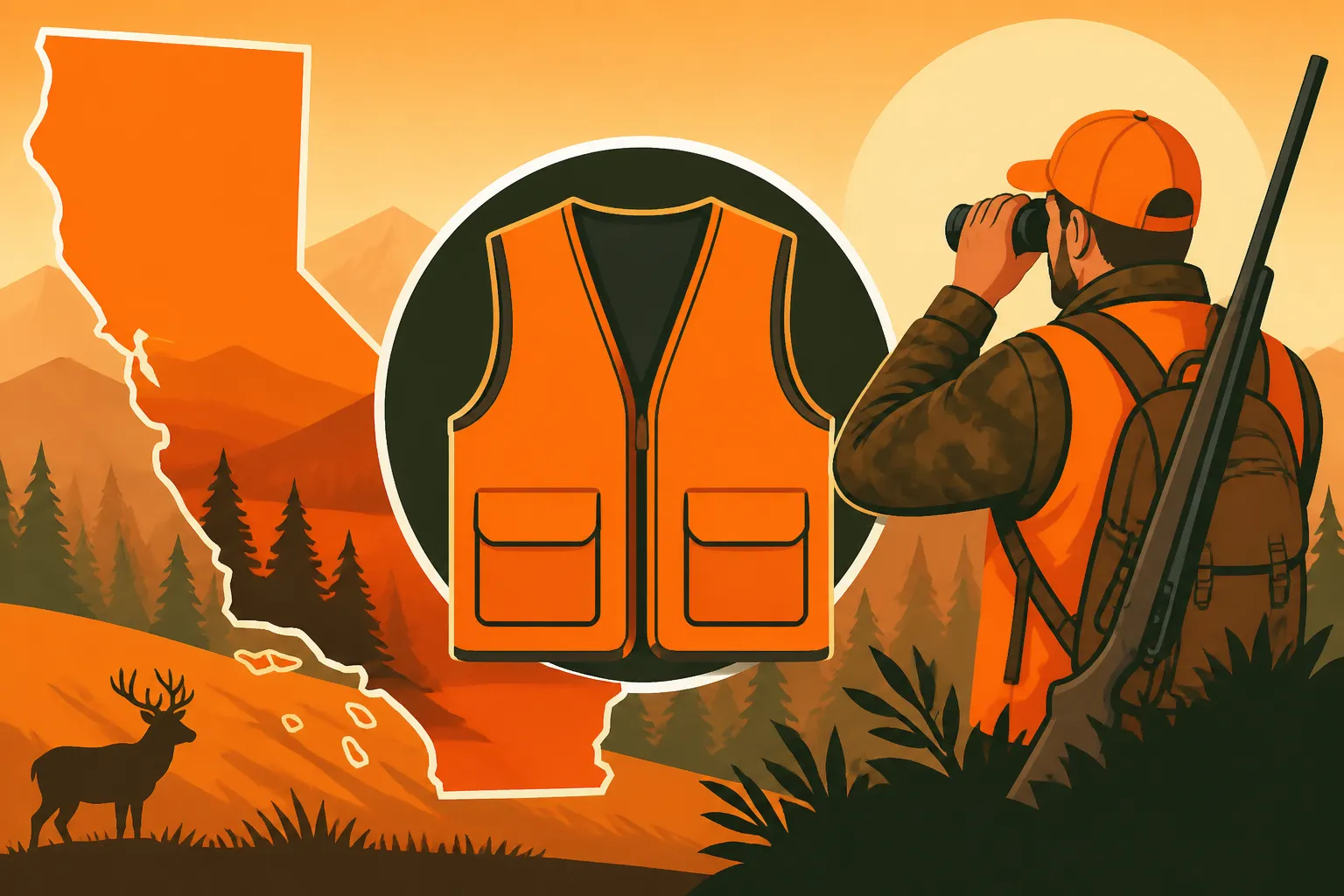
Currently, California Fish and Game Code Section 265 states that every person hunting deer or elk with a firearm must wear an exterior garment that is not less than 250 square inches of blaze orange (also known as hunter orange or fluorescent orange) or blaze pink material. This isn't just a small patch; it needs to be visible from 360 degrees. This minimum area is usually covered by a good quality vest or a blaze orange jacket. Think of it as a mandatory "look at me!" signal to every other hunter in the vicinity. It's a clear, unmistakable color that stands out against natural foliage, making you significantly less likely to be mistaken for game. This requirement applies to both residents and non-residents, and it's something every hunter needs to take seriously. If you're wondering about specific costs, you can review details on California Resident Deer Tag Cost and California Nonresident Deer Tag Cost, as these permits signify your intention to hunt deer with a firearm.
The Logic Behind the Orange: Hunter Safety
The reasoning behind blaze orange is rooted firmly in science and decades of hunting accident data. Deer, for example, are dichromatic, meaning they see colors primarily in blue and yellow hues, similar to how a colorblind human might perceive the world. They don't register red, orange, or green in the same vibrant way we do. To a deer, blaze orange appears as a dull gray or yellow, blending relatively well into their natural environment. To a human, however, that same bright orange pops dramatically against the greens, browns, and grays of the wilderness. This crucial difference makes blaze orange an incredibly effective tool for preventing "misidentification" accidents, where one hunter mistakes another for an animal. The goal is to maximize human visibility while minimizing animal detection, creating a safer environment for everyone involved in big game hunting, especially during peak seasons when pressure might be higher.
Common Misconceptions About the Rules
Many hunters, especially those new to California or those coming from other states, hold a few common misconceptions about blaze orange. One of the biggest is assuming it's required for all hunting, all the time. As we'll delve into, this isn't the case in California. Another misconception is that a small patch or a tiny cap is sufficient. The law specifically calls for 250 square inches visible from all directions, which means a full vest or a brightly colored upper garment is usually needed. Some also believe that camouflage patterns with orange accents count, but generally, the entire 250 square inches must be solid blaze orange or pink. It's not about being "partially" visible; it's about being unequivocally seen. Ignoring these specific details can lead to fines and, more importantly, put you or others at unnecessary risk in the field.
When Blaze Orange is Mandatory in California
Understanding when blaze orange is required is key to staying legal and safe. California's regulations are quite specific, tying the requirement directly to certain types of hunting and specific weapon choices. It's not a blanket rule, which can sometimes cause confusion, but once you know the parameters, it becomes much clearer.
Big Game Rifle Seasons: A Clear Mandate
This is where the blaze orange requirement is most stringent and applies most often. If you are hunting deer or elk with a rifle, shotgun (using slugs), or muzzleloader during a general firearms season, you absolutely must wear the prescribed amount of blaze orange or blaze pink. This covers the vast majority of deer hunters during seasons like the general rifle opener for California Zone A General Season Dates or the various D-zones. The intensity of these seasons, with multiple hunters often sharing public lands, necessitates this level of visibility. Whether you're still-hunting through thick timber, trying to locate game in an open burn scar, or walking back to your vehicle at dusk, that bright color ensures that any other hunter in the area sees you as a human, not a target. This rule is non-negotiable for anyone participating in these firearm-based big game hunts.
Junior Hunts and Apprentice Programs
California places a strong emphasis on hunter education and safety, particularly for its younger participants. As such, blaze orange requirements are often critical for junior hunts and apprentice programs. While the primary big game firearm regulations already cover most scenarios, it's worth noting that any mentored youth hunting activity involving firearms for deer or elk will fall under these same requirements. The added visibility for young hunters is an extra layer of protection, giving both the new hunter and their mentor peace of mind. This commitment to safety is a core component of the California Mentored Youth Hunting Rules and ensures that the next generation of hunters learns good safety habits from the start.
Specific Wildlife Areas and Refuges
Beyond the general state regulations, certain Wildlife Areas and National Wildlife Refuges in California may have their own additional or more stringent requirements for blaze orange, sometimes even extending to small game or waterfowl hunts on designated upland areas. For example, some units might require blaze orange while moving through fields or specific zones, regardless of the game. It's absolutely crucial to check the specific regulations for any particular public land you plan to hunt, whether it's a state-managed area or federal BLM land. These localized rules are often posted at access points or available on the CDFW website, and a quick check can save you a lot of hassle. Websites like GoHunt or the CDFW app are excellent resources for looking up these specific unit rules before you head out the door, helping you understand where you might need to wear blaze orange on a California Sacramento Valley Wildlife Refuge or during a Hunting a California BLM Desert Wash for Deer trip.
Understanding Blaze Orange Exemptions and Nuances
Just as important as knowing when to wear blaze orange is understanding when it's not required. California's rules provide specific exemptions, which allows hunters to adapt their gear to the type of hunting they're doing. This flexibility is appreciated, especially for those pursuing game where bright colors might be counterproductive.
Archery-Only Seasons: A Different Approach
One of the most significant exemptions is during archery-only seasons. When you're out bowhunting for deer or elk, blaze orange is typically not required. This includes the popular Hunting California's Zone A July Archery Opener or the general California Bear Archery Season Dates. The rationale here is that archery hunting often requires much closer distances to game, and an archer's success can be heavily dependent on stealth and camouflage. Since the risk of a "sound shot" (shooting at a noise) or a misidentification from a great distance is significantly reduced with archery equipment, the regulations reflect this difference. However, even without a legal requirement, some archers still choose to wear a minimal amount of orange, perhaps on their way to or from a stand, or when packing out an animal, especially if hunting in areas shared with firearm hunters. It's a personal choice driven by an abundance of caution, even if not mandated by law.
Small Game and Upland Bird Hunting
For most small game and upland bird hunting, such as chasing rabbits, squirrels, or quail, blaze orange is generally not required in California. You won't typically see dove hunters wearing full orange vests during the Hunting the September Dove Opener or quail hunters decked out in neon for Quail Hunting California Foothill Chaparral. These types of hunting usually involve different safety considerations, often with smaller, faster-moving targets and shotguns, where the risk profiles are distinct from big game rifle hunting. While not required, some small game hunters, especially those working with dogs, might still opt for a blaze orange hat or vest. This is particularly true if they're hunting in areas adjacent to or known for concurrent big game seasons, or if they're concerned about visibility to other hunters or dog handlers. It’s always about balancing legal compliance with practical safety.
Waterfowl and Turkey Hunting Considerations
Waterfowl hunting and turkey hunting also fall under specific exemptions regarding blaze orange. When you're tucked away in a layout blind or a brushed-in duck blind in California's Central Valley, trying to decoy in some mallards, bright orange would be a major disadvantage. Similarly, when you're calling a gobbler in oak woodland, breaking up your silhouette and remaining hidden is paramount. Therefore, blaze orange is not required for Waterfowl Hunting California's Central Valley or during Spring Turkey Hunting in California and Archery-Only Fall Turkey Hunting in California. The pursuit of these species relies heavily on camouflage and concealment. However, a crucial caveat exists: when you are moving to or from your blind or calling setup, especially during low light or in areas with other hunters, carrying or wearing a blaze orange item that can be quickly displayed can be a very wise safety measure. This is particularly true if you're navigating high-traffic areas or crossing open ground where other hunters might be present. Always prioritize being seen when you're not actively concealing yourself for a shot.
Choosing the Right Blaze Orange Gear
Selecting the right blaze orange or blaze pink gear isn't just about meeting the minimum square inch requirement; it's about comfort, durability, and maximizing your visibility in real-world hunting scenarios. A good piece of blaze orange equipment should be something you barely notice while hunting, but that screams "human!" to anyone else in the field.
Vests, Hats, and Outerwear Options
The most common and effective way to meet the 250 square inch requirement is through a dedicated blaze orange vest or jacket. Vests are popular because they can be easily layered over your existing camo or hunting clothes, adapting to varying temperatures. Look for vests with adjustable straps to ensure a snug fit over different layers. Jackets provide integrated warmth and protection, which can be great for colder, later-season hunts. Hats, while often brightly colored, typically do not provide enough square inches on their own to meet the requirement, but they are an excellent addition for head visibility. Many hunters combine a full vest with a blaze orange cap for maximum top-to-bottom coverage. Brands like Browning, Sitka, and Kuiu all offer solid blaze orange options that meet or exceed the legal requirements, designed with hunters in mind. Some hunters even purchase blaze orange backpacks or backpack covers, adding another layer of visibility, especially when carrying gear into or out of remote areas, which is a smart move when you're far from the beaten path, such as during Hunting California's Sierra Nevada Backcountry.
Material Matters: Comfort and Visibility
The material of your blaze orange gear can significantly impact your comfort and how well it stands up to the rigors of hunting. Lightweight mesh vests are perfect for early-season hunts in warmer D-zones or Zone A, allowing for breathability. For colder weather, a fleece or insulated jacket in blaze orange provides warmth without compromising visibility. Consider materials that are quiet (avoiding noisy crinkling fabrics) and durable enough to withstand brush, thorns, and general wear and tear. Water-resistant or waterproof options are a huge plus for those unexpected California rain showers. The goal is to choose something that you'll actually want to wear, rather than something you'll constantly be adjusting or taking off because it's uncomfortable. A good quality piece of gear, even if it's just a simple vest, makes a world of difference in the field.
Visibility Standards: How Much is Enough?
California's legal standard is 250 square inches, visible from all directions. This "all directions" part is critical. A vest that only covers your front and back might not be enough if it bunches up or is obscured by a backpack. A well-designed vest will often have panels on the sides or wrap around sufficiently to maintain visibility from a 360-degree perspective. When trying on gear, consider how it looks with your pack on, or when you raise your arms. Will it still be clearly visible? The clearer your outline in blaze orange, the easier it is for another hunter to positively identify you as human. While meeting the minimum is legally sufficient, often adding a blaze orange hat or a small blaze orange flag to your pack is a simple, inexpensive way to enhance your visibility even further, giving you more peace of mind. It’s a bit like buying insurance—you hope you never need it, but you’re glad it’s there.
Here's a quick reference table to help visualize common blaze orange item coverage:
| Item Type | Typical Square Inches (Approx.) | Legal for Big Game Firearms (CA) | Best Use Case | Notes |
|---|---|---|---|---|
| Full Vest | 350-500 | Yes | General big game firearm hunting, easy layering | Most common and effective way to meet the 250 sq in rule. |
| Hunter Orange Hat | 50-80 | No (on its own) | Supplemental visibility, archery, small game | Excellent addition, but not sufficient alone. |
| Blaze Orange Jacket | 500-800+ | Yes | Cold weather big game firearm hunting | Integrated warmth and protection. |
| Backpack Cover | 200-400 (varies) | No (on its own) | Added visibility for pack, especially in backcountry | Great for Packs and Gear for a Backcountry Elk Hunt, but not a substitute for a vest. |
| Armbands/Leggings | 20-50 each | No (on their own) | Highly supplemental, often used for dogs | Not typically used for human compliance due to low area. |
Beyond the Law: The Safety Imperative of Blaze Orange
While the law dictates when you must wear blaze orange, thinking of it purely as a legal obligation misses the bigger picture. Blaze orange is a powerful tool for hunter safety, and understanding its full potential can quite literally save lives, even in situations where it's not strictly required. It's about cultivating a safety-first mindset that extends beyond the rulebook.
Reducing Accidental Shootings
The most critical function of blaze orange is the dramatic reduction in accidental shootings. "Mistaken for game" accidents are a heartbreaking reality in hunting, and blaze orange is the single most effective way to prevent them. When another hunter is glassing a hillside or moving through dense cover, that unmistakable flash of orange signals "human" long before any other details become clear. This preemptive identification gives them time to properly assess the situation, verify their target, and, if necessary, hold their shot. Even when hunting in areas with low hunter density, or on private land, wearing blaze orange minimizes the risk from stray bullets or unexpected encounters. It's not just protecting you from other hunters; it's protecting other hunters from making a mistake with you. This simple act of wearing bright colors contributes significantly to overall hunting safety, making the sport enjoyable for everyone.
Enhancing Visibility in Dense Cover
California's hunting landscape is incredibly diverse, from the thick chaparral of the coastal ranges to the dense timber of the Sierra Nevada. These environments, while challenging and rewarding to hunt, can also make hunters incredibly difficult to see. Blaze orange cuts through this visual clutter like nothing else. Imagine trying to spot a camouflaged hunter against a backdrop of Hunting Coastal Range Oak Woodlands or in the shadows of a conifer forest. It's incredibly difficult. Now imagine that same hunter wearing a bright orange vest. The difference is stark. Even a small glimpse of orange can alert another hunter to your presence, preventing them from inadvertently stalking into your position or walking directly into your line of fire. It's a vital communication tool in environments where natural camouflage works almost too well, making it indispensable for Still-Hunting California's Sierra Nevada Timber.
Staying Seen by Other Hunters
Beyond preventing direct accidents, blaze orange facilitates broader communication and awareness among hunters in the field. When you can easily see other hunters, you can better coordinate movements, avoid overcrowding areas, and even signal for help if needed. It allows for a more cooperative and safer hunting experience, especially on popular public lands. For example, if you're on a multi-day hunt and expecting a partner, knowing what to look for can be critical. This enhanced visibility also comes into play when you're traveling back to camp after dark or walking out to the road. You might be focused on your footing or the weight of your pack, but your blaze orange will still be clearly visible, broadcasting your presence to anyone else who might be out there, whether they're also hunters, hikers, or even search and rescue personnel. Tools like GoHunt maps allow you to see property lines and public access points, and knowing where others might be helps you plan your hunt with safety in mind.
Navigating Public vs. Private Land Rules
The question of blaze orange often comes up differently depending on whether you're hunting public or private land. While the core state regulations apply universally, the context and additional rules can vary. It's important to understand these distinctions to ensure compliance and maintain good relationships with landowners or other public land users.
National Forests and BLM Land
When you're hunting big game with a firearm on California's vast public lands, such as the Los Padres National Forest or Bureau of Land Management (BLM) land, the state's blaze orange requirement is in full effect. These areas often see significant hunting pressure, especially during opening weekends. Therefore, strict adherence to the 250 square inch rule is paramount. On National Forests, such as Hunting California's Six Rivers National Forest Deer Units, and BLM tracts, such as Hunting California's Mojave Desert BLM Land, you're sharing the landscape not only with other hunters but also hikers, campers, and recreationalists who may not be aware of hunting seasons. Your blaze orange isn't just for other hunters; it's for anyone who might be enjoying the outdoors. Always double-check any specific forest or BLM district regulations, as some areas might have additional requirements or recommendations, especially during fire season or other special circumstances.
State Wildlife Areas and Ecological Reserves
California's Department of Fish and Wildlife (CDFW) manages numerous Wildlife Areas and Ecological Reserves across the state, many of which offer excellent hunting opportunities. While the general state regulations for blaze orange apply, some of these specific areas might have their own additional rules or designated zones where blaze orange is required for certain hunts, even for species that wouldn't normally mandate it. For example, a wildlife area might have a special drawing for deer, or a specific upland game zone that requires blaze orange for all participants during certain periods. Before heading out, it is absolutely essential to consult the specific regulations for the particular Wildlife Area or Ecological Reserve you plan to hunt. These rules are usually available on the CDFW website or at the specific area's entrance. Failure to comply can result in a denied entry or a citation, and more importantly, can compromise safety in these often high-use areas. It’s always best to be overly cautious than caught off guard, especially when navigating California Wildlife Areas and Ecological Reserves.
Private Property: Owner's Discretion and Best Practices
On private land, while the state's blaze orange regulations still apply for big game firearm hunting, landowners or hunting clubs may impose their own additional rules. For instance, a private ranch may require blaze orange for all hunters on their property, regardless of the game or weapon, simply as a matter of their own safety policy. This is common on large ranches or properties where multiple hunters might be present. Always clarify these expectations with the landowner or outfitter before your hunt. Even if they don't explicitly require it for a hunt where it's not mandated by state law (like an archery pig hunt), wearing some blaze orange when moving to and from your hunting area, or when meeting up with other hunters, is a sign of respect and good judgment. It demonstrates a commitment to safety and helps foster positive relationships, which is crucial for Getting Private Land Permission in California. Remember, good hunter etiquette is just as important as legal compliance, and often goes hand-in-hand.
California Blaze Pink Options Under California Law
It's worth noting that alongside blaze orange, California also recognizes "blaze pink" as an acceptable safety color for hunters. This is a progressive step aimed at encouraging more women to participate in hunting and providing additional choice in gear. The requirements for blaze pink are identical to blaze orange: 250 square inches, visible from all directions, for deer and elk hunters using firearms. It functions on the same safety principle, standing out vividly to human eyes while appearing subdued to deer and elk. So, whether you prefer traditional blaze orange or vibrant blaze pink, the key is to ensure you meet the minimum coverage and are clearly visible to your fellow hunters. The choice is yours, as long as you're meeting those crucial safety standards.
Disclaimer
This article is intended for informational purposes only and does not constitute legal advice. Hunting regulations in California can change, and specific rules may vary by county, game species, and hunting area. It is the responsibility of every hunter to consult the most current California Department of Fish and Wildlife (CDFW) regulations and any local rules or ordinances before engaging in any hunting activity. Always prioritize safety and compliance.