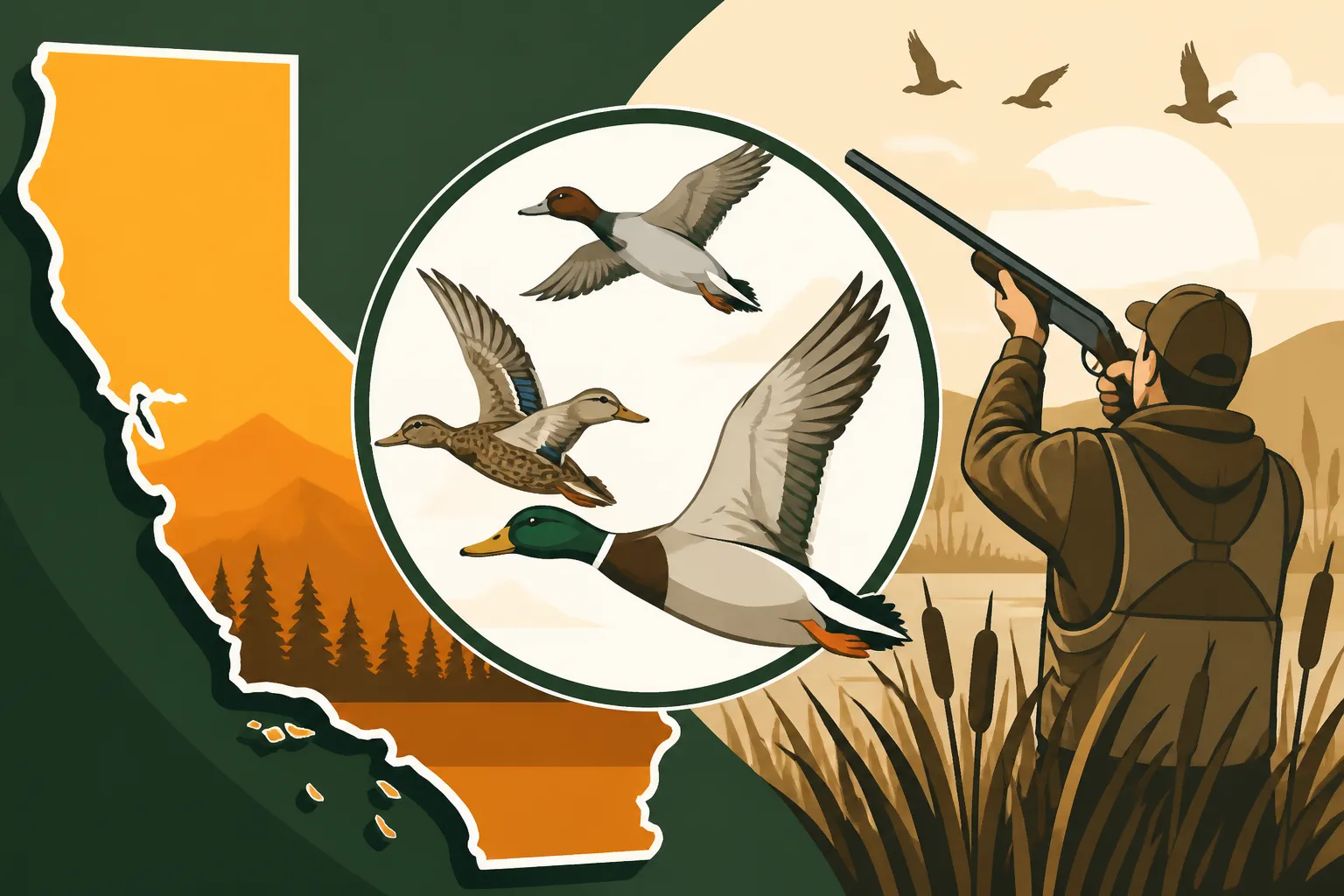
California Migratory Bird Certification
It can feel like a maze trying to navigate all the requirements for hunting in California, and when you add migratory birds into the mix, it often gets even more complicated. Many hunters, especially those new to waterfowling or upland bird hunting, find themselves scratching their heads trying to figure out what certificates, stamps, and endorsements they need in addition to their base license and tags. This guide is here to untangle the confusion surrounding California's Migratory Bird Certification, commonly known as the Harvest Information Program (HIP) endorsement, explaining why it's crucial, how to get it, and what other vital regulations you need to know to stay legal and ethical in the field.
Understanding the Harvest Information Program (HIP) Certification
The Harvest Information Program (HIP) certification isn't just another arbitrary hoop to jump through; it's a critical component of migratory bird management nationwide, and California is no exception. It’s a way for state and federal agencies to collect essential data to ensure the long-term health and sustainability of these incredible bird populations. Without this certification, your hunt for ducks, geese, doves, or even coots, would be considered illegal.
The Federal Mandate and Its Purpose
At its core, the Harvest Information Program is a federal requirement, mandated by the U.S. Fish and Wildlife Service (USFWS) for anyone hunting migratory game birds in the United States. Think of it as a nationwide survey system. Every year, millions of hunters take to the fields and marshes for migratory birds, and knowing how many people are hunting, what they're hunting, and where, is absolutely vital for making informed management decisions. It’s not about catching you out; it’s about science-based conservation. The data collected from HIP helps biologists understand harvest trends, population estimates, and ultimately, set hunting seasons and bag limits that are sustainable for future generations. If you’re not certified, your harvest isn't counted in these crucial numbers, which can skew the data and potentially impact future hunting opportunities.
California's Specific Implementation
While HIP is a federal program, each state implements it through its own licensing system. In California, getting your HIP certification means answering a series of questions about your past hunting activity for various migratory bird groups. These questions typically cover whether you hunted ducks, geese, doves, coots, snipe, or woodcock in the previous season, and if so, approximately how many of each you harvested. It’s imperative to answer these questions honestly and accurately. It’s tempting to just click through if you're in a hurry, but remember, this data directly feeds into the models that determine future hunting regulations for species like those magnificent Mallards and Pintails in the Central Valley. Your participation helps paint a realistic picture of hunting pressure and success rates across the state, from the flooded rice fields of the Sacramento Valley to the oak woodlands where doves congregate.
Why HIP Certification is Required in California
The requirements for hunting migratory birds can sometimes feel like a layered cake of permits and stamps. You've got your base hunting license, maybe a few tags for other game, and then suddenly, "HIP certification" pops up. It's easy to get frustrated and wonder why yet another piece of paper or online click is necessary. But there are very good, practical reasons behind it that directly benefit the hunting community and the wildlife we cherish.
Tracking Hunter Participation and Harvest
The primary reason for HIP certification is to provide wildlife agencies with a robust system for tracking hunter participation and harvest data. Without this, it would be incredibly difficult for the California Department of Fish and Wildlife (CDFW) to get a clear picture of how many people are actually hunting ducks or doves. Consider this: anyone with a valid California hunting license could potentially hunt migratory birds. But how many actually do? HIP helps differentiate between someone who bought a license for deer hunting and someone who specifically targets waterfowl or doves.
By asking about your previous year's harvest, even if it was zero, the system creates a database of active migratory bird hunters. From this pool, the USFWS can then select a random sample of hunters to participate in more detailed surveys, which gather precise harvest numbers. This scientific approach ensures that population models for species like mourning doves or various duck species are based on real-world data, not just guesswork. For instance, if you're hunting the September dove opener, your HIP data contributes to understanding harvest pressure on those birds, which in turn influences future season lengths and bag limits. Tools like GoHunt can help you manage your licenses and ensure you're up to date on all necessary certifications before heading out.
Supporting Conservation Efforts
Beyond just tracking, HIP certification plays a direct role in funding and informing crucial conservation efforts. When you pay for your hunting license and other endorsements, a portion of those funds, through programs like the Pittman-Robertson Act, goes directly back into wildlife management, habitat restoration, and research. The data collected via HIP helps guide where these conservation dollars are best spent. For example, if harvest data shows a decline in a particular migratory bird species in certain areas, conservationists can then prioritize habitat improvements, wetland restoration, or predator control programs in those specific regions.
Think about the vast wetlands of the Central Valley – a critical wintering ground for millions of waterfowl along the Pacific Flyway. The health of this ecosystem, and the birds that depend on it, relies heavily on accurate data from hunters. Your honest reporting, even if it's just ticking a box that you hunted doves last year and harvested 5 birds, is a direct contribution to the larger scientific effort to conserve these birds. It's not just about today's hunt; it's about securing hunting opportunities for generations to come and protecting the diverse wildlife that makes California such a special place for outdoors enthusiasts. This commitment to data-driven conservation is why knowing your California Duck and Goose Bag Limits and being properly certified is so important.
How to Get Your California HIP Certification
Getting your California HIP certification is fortunately one of the easier parts of preparing for your migratory bird season, but it's often overlooked. Many hunters mistakenly believe that simply purchasing their state hunting license and Federal Duck Stamp is enough. However, HIP is a separate, annual requirement. Forgetting this step can lead to a citation if you're checked in the field, so let's make sure you know exactly how to get it done.
Online Through the CDFW Licensing System
The most common and convenient way to obtain your California HIP certification is directly through the California Department of Fish and Wildlife (CDFW) Online License Sales System. This is the same portal where most hunters purchase their annual California Resident License Options or California Nonresident License Options, big game tags, and other endorsements.
Here's a typical step-by-step process:
- Log In: Visit the CDFW's online licensing website and log in to your account using your customer ID and last name, or create an account if you're a first-time buyer.
- Purchase Licenses/Endorsements: Navigate to the section for purchasing licenses and endorsements. You'll likely see a list of available items.
- Select HIP: Look for an option explicitly labeled "Harvest Information Program (HIP) Validation" or "Migratory Bird Harvest Information Program." It might be listed under "Hunting Endorsements." This is usually a free endorsement, though some states might charge a nominal fee. California typically offers it at no additional cost beyond your base license.
- Answer Survey Questions: Once selected, the system will prompt you to answer the series of questions about your migratory bird hunting activities during the previous calendar year. Be honest! Did you hunt ducks last year? Yes or No. If yes, approximately how many? Give your best estimate. These are not trick questions; they are for data collection.
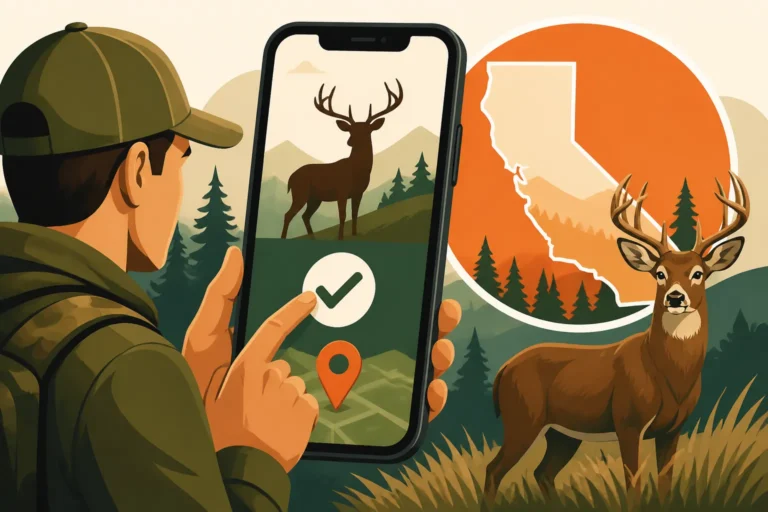
- Confirm and Print: After answering the questions, confirm your selections. The HIP certification will then be added to your license profile. While it's often digitally linked, it's always a good idea to print out a copy of your license with all endorsements listed, or save a digital copy to your phone, in case you need to present it to a warden.
It's a quick process, but easily forgotten in the excitement of preparing for opening day. Tools like GoHunt can help you keep track of your license and endorsement expiration dates, providing timely reminders so you don't miss crucial certifications like HIP.
Via a Licensed Vendor or Phone
If you prefer the traditional route or have questions, you can also get your HIP certification through any licensed California sporting goods store or tackle shop that sells CDFW licenses. The staff there are usually knowledgeable and can guide you through the process. They'll use the same online system but will input the information for you. You can also contact the CDFW's licensing support by phone. While this option is available, the online system is generally the quickest and most efficient method, especially if you're comfortable with navigating websites. Always double-check that "HIP Validation" or "Migratory Bird Harvest Information Program" is clearly printed on your physical license after purchase.
Understanding the Annual Renewal Process
One of the most critical aspects of HIP certification is understanding that it's an annual requirement. It does not roll over with your general hunting license. Even if you got it last year, you must re-certify for the current hunting season. This is because the survey questions relate to the previous calendar year's hunting activity, and that data needs to be fresh and specific to the timeframe relevant to wildlife managers. Forgetting to renew your HIP certification is a common mistake that can lead to frustrating encounters with game wardens, even if you have everything else in order. Make it a habit: every year when you purchase your new hunting license, ensure you also complete your HIP certification.
Beyond HIP: Other Essential Migratory Bird Hunting Requirements
While HIP certification is a non-negotiable step for any migratory bird hunter in California, it's just one piece of the puzzle. There are several other crucial requirements you need to be aware of to ensure you're hunting legally and responsibly. Failing to adhere to any of these can result in serious penalties, not to mention a ruined day afield.
The Federal Duck Stamp
Perhaps the most iconic requirement for waterfowl hunters is the Federal Migratory Bird Hunting and Conservation Stamp, universally known as the Federal Duck Stamp. Unlike HIP, which is free, the duck stamp comes with a cost, but that cost is an investment in conservation. Ninety-eight cents of every dollar spent on a Federal Duck Stamp goes directly to acquire and protect wetland habitats for migratory birds and other wildlife. Since its inception in 1934, sales of the Duck Stamp have generated over $1.2 billion, conserving more than 6 million acres of wetland habitat.
You need a Federal Duck Stamp if you are 16 years of age or older and hunt ducks, geese, brant, or other migratory waterfowl. You do not need one for doves, coots, snipe, or gallinules, but you still need your HIP certification for these species. The stamp itself is usually a beautiful piece of art, often depicting waterfowl, and it must be signed across the face to be valid. You can purchase the Federal Duck Stamp from post offices, many sporting goods stores, or through the CDFW online licensing system. If you buy it online, you'll receive a temporary e-stamp that's valid for 45 days, and the physical stamp will be mailed to you. Make sure you have either the signed physical stamp or a valid e-stamp receipt with you at all times while hunting waterfowl. This is separate from your California Federal Duck Stamp Requirement – both state and federal are needed.
California Duck and Goose Bag Limits
Understanding and adhering to the daily bag and possession limits for various species of migratory birds is absolutely critical. These limits are set by both federal and state regulations, based on population data, habitat conditions, and hunter harvest information gathered through programs like HIP. Bag limits can vary significantly by species (e.g., mallards versus pintails), by sex (e.g., hen mallards), and even by geographic zone within California. For example, the California Duck Daily Bag Limit can be quite complex, with restrictions on specific species.
It's your responsibility as a hunter to know these limits before you head out. Don't rely on assumptions or what you remember from last year, as regulations can change. Always check the current California Waterfowl Regulations, published annually by the CDFW. These are available online or as a printed booklet. Exceeding bag limits, especially for restricted species, is a serious violation that carries hefty fines and potential loss of hunting privileges. Be meticulous in identifying your birds before you shoot, and keep an accurate count of your harvest throughout the day.
Lead Ammunition Restrictions and Alternatives
California has some of the most stringent ammunition laws in the nation, particularly when it comes to lead. The statewide ban on lead ammunition for all hunting took full effect in 2019, meaning if you're hunting any game in California, including migratory birds, you must use non-lead ammunition. This applies to shotgun shells for waterfowl and upland birds, as well as rifle or handgun ammunition for other game.
For waterfowl hunters, this means steel shot, bismuth, or other approved non-toxic alternatives are mandatory. Lead shot has been banned for waterfowl hunting nationwide since 1991, but California extended this prohibition to all game animals, meaning even your dove loads must be non-lead. This regulation is primarily in place to protect scavengers like the California condor from lead poisoning, as they can ingest lead fragments from carcasses or gut piles left in the field.
It's crucial to understand California's Non-Lead Ammunition Requirement and familiarize yourself with approved alternatives. You might find that your shotgun patterns differently with steel shot compared to lead, so it's wise to pattern your shotgun with your chosen non-lead loads before the season opens. Companies like Federal, Winchester, and Kent Cartridge offer a wide range of Non-Lead Shotgun Loads for Upland Birds and waterfowl that perform exceptionally well. Always carry the original ammunition box with you in the field to prove your compliance, if asked.
Common Pitfalls and How to Avoid Them
Even seasoned hunters can sometimes trip up on the nuances of migratory bird regulations. It's frustrating to think you've done everything right, only to realize you missed a critical step. Being aware of the most common pitfalls can help you avoid unnecessary stress, fines, and potentially losing your hunting privileges.
Forgetting to Certify Annually
This is, hands down, the most frequent mistake migratory bird hunters make. As we've discussed, the HIP certification is an annual requirement. It resets every license year, regardless of when you purchased it or if you got it the previous year. You might have bought your base hunting license in March, then decided in August to go dove hunting. If you don't go back into the CDFW system (online, vendor, or phone) and specifically complete the HIP questionnaire for the current season, you are not certified.
To avoid this, build it into your annual routine. When you purchase your California Hunting Licenses and What They Cost at the start of the new license year, immediately add the HIP certification. If you're planning a trip to one of the great California Wildlife Areas and Ecological Reserves for ducks, make a checklist. License? Check. Federal Duck Stamp? Check. HIP Certification? Double-check. Setting a reminder on your phone or using a hunting management app can also be a lifesaver. GoHunt's tools often include features that help hunters keep track of their licenses and permits, which can be invaluable for staying compliant.
Incorrectly Reporting Past Harvests
When you complete your HIP certification, you're asked about your harvest from the previous hunting season. It's easy to dismiss these questions or quickly click through without much thought. However, accurately reporting your past harvest is vital for the scientific data collection that underpins migratory bird management. It’s not about judging your success; it’s about providing realistic numbers.
If you didn't hunt a particular species (like ducks) last year, simply select "No." If you did, provide your best estimate. Don't inflate your numbers to sound like a more successful hunter, and don't underreport out of fear of repercussions. The system uses these aggregate numbers to gauge trends and population health. Inaccurate reporting can lead to skewed data, potentially affecting future season lengths and bag limits for everyone. Take a moment, think about your hunts from the previous year, and provide honest estimates. It's part of your responsibility as a conservation-minded hunter. Learning how to accurately account for your game, like by Reading a California Harvest Report, can help with this.
Navigating Public Land Access and Specific Area Rules
California offers fantastic opportunities for migratory bird hunting on public lands, especially in its extensive network of wildlife areas and national wildlife refuges. However, these areas often come with their own unique sets of rules that go beyond statewide regulations. While your HIP certification and Federal Duck Stamp are generally valid everywhere, you might encounter additional requirements or restrictions on specific public hunting grounds.
For example, many state wildlife areas and national refuges require a daily fee permit, specific entry permits (often obtained via a draw system), or adherence to very precise shooting hours, blind restrictions, or retrieve-only dog rules. Some might even require specific types of non-lead shot sizes or gauges. It’s not uncommon for hunters to show up at a popular waterfowl area, fully HIP-certified and with their duck stamp, only to find they needed to apply for a reservation weeks in advance or missed a specific check-in time.
Always, always research the specific regulations for any public hunting area you plan to visit before you go. Most wildlife areas and refuges have their rules published online on the CDFW or USFWS websites. This due diligence is crucial, especially when you're planning on Decoying Ducks in California's Central Valley Flooded Rice on a specific refuge, or venturing out to hunt Hunting California's Central Valley Flyway on a new piece of public ground. A little planning can save you a lot of disappointment and keep you on the right side of the law.
Summary of Key Migratory Bird Hunting Requirements in California
To help clarify the various requirements, here's a quick reference table. Remember, each of these is generally an annual requirement.
| Requirement | Purpose | Who Needs It | Cost | Notes |
|---|---|---|---|---|
| California Hunting License | Base permit to hunt any game in CA | All hunters (16+ years old) | Varies | Must be valid for the current season. |
| Migratory Bird (HIP) Certification | Tracks hunter participation & harvest for migratory bird management | All migratory bird hunters | Free | Annual requirement. Complete via CDFW online, vendor, or phone. |
| Federal Duck Stamp | Funds wetland conservation | Waterfowl hunters (16+ years old) | ~$25 | Annual requirement. Sign across the face. Not needed for doves, coots, snipe. |
| California Duck Validation (State Stamp) | Funds state-level waterfowl conservation | All migratory bird hunters | ~$10 | Often combined with HIP, part of the process. Required for all migratory game birds. |
| Non-Lead Ammunition | Protects scavengers from lead poisoning | All hunters in CA | Varies | Mandatory for all hunting in California, including migratory birds. Carry proof of compliance. |
| Specific Area Permits/Fees | Manages access and use of wildlife areas/refuges | Hunters on designated public lands (Wildlife Areas, Refuges) | Varies/Draw | Check specific area regulations before visiting. |
Disclaimer
The information provided in this article is for general guidance and informational purposes only and does not constitute legal advice. Hunting regulations in California are complex and subject to change. It is the responsibility of every hunter to review and understand the most current hunting regulations and laws published by the California Department of Fish and Wildlife (CDFW) and the U.S. Fish and Wildlife Service (USFWS) before engaging in any hunting activities. Failure to comply with all applicable laws and regulations can result in severe penalties.