California Rocky Mountain Elk Draw Odds
If you're dreaming of drawing a California Rocky Mountain Elk tag, you're not alone. Many hunters set their sights on these magnificent animals, found in the state's rugged northeastern corners. However, the reality of the draw odds can be incredibly disheartening, often leaving even the most persistent applicants feeling like it's an impossible dream. This guide will meticulously break down what those elusive Rocky Mountain Elk draw odds actually look like in California, shed light on the intricacies of the application system, and offer realistic strategies for navigating this ultra-competitive hunt.
The Harsh Reality of California's Elk Draw
Let's face it: drawing any elk tag in California is tough, but a Rocky Mountain Elk tag feels like hitting the super lottery. These animals represent a truly special hunting opportunity, but their limited numbers and specific habitat make tags incredibly scarce. It’s crucial to approach the application process with a full understanding of the long odds, so you can manage your expectations and still find joy in the pursuit.
Understanding the Rarity of Rocky Mountain Elk Tags
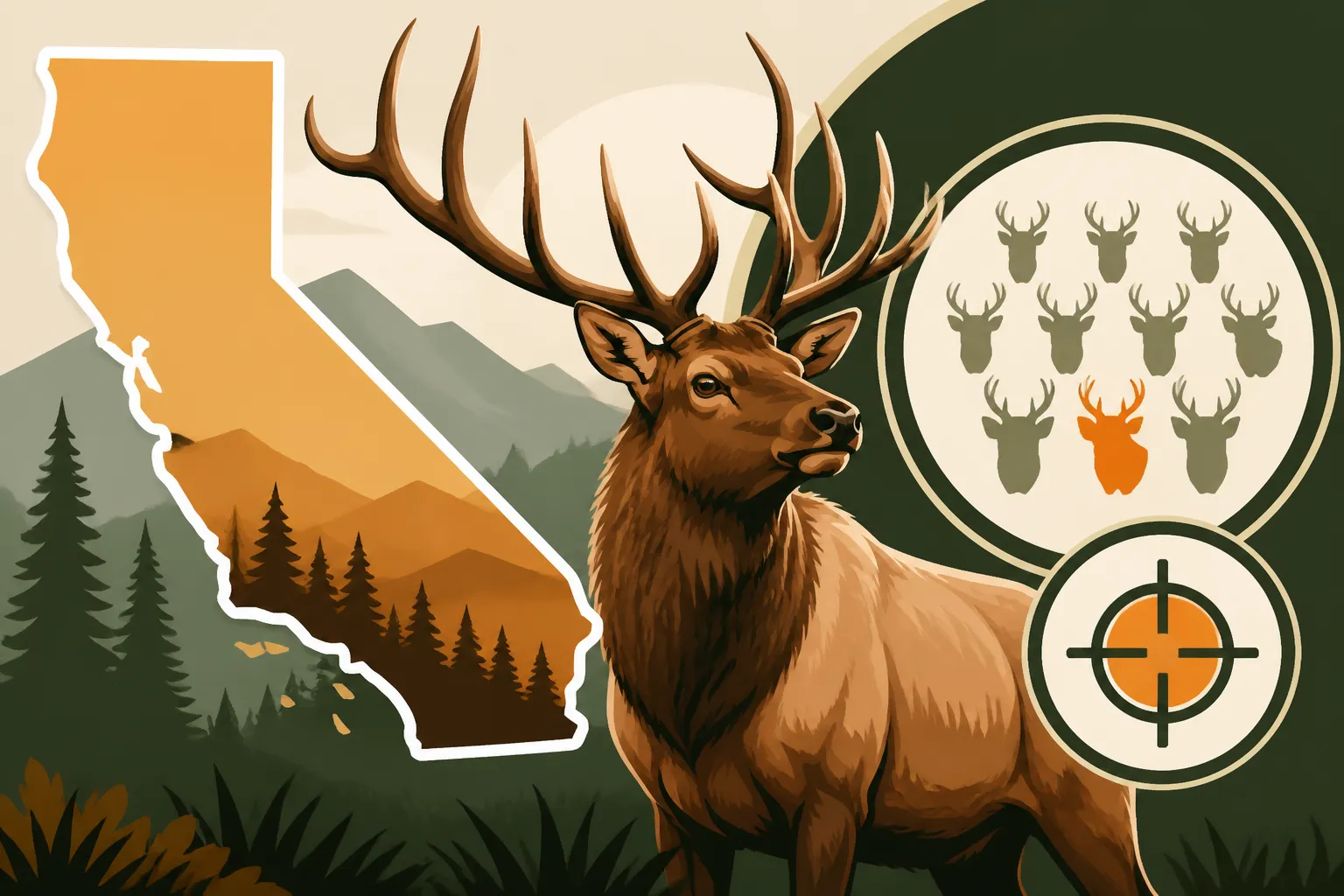
California is home to three distinct elk subspecies: Tule, Roosevelt, and Rocky Mountain. While all offer incredible hunting experiences, the Rocky Mountain Elk range is the most confined, primarily found in the northeastern counties bordering Oregon and Nevada, like Modoc and Lassen. These herds, though healthy, are relatively small compared to their counterparts in states like Montana or Colorado. The California Department of Fish and Wildlife (CDFW) issues a very limited number of tags for these specific units each year to maintain healthy population dynamics and prevent overharvesting. This scarcity drives the draw odds to incredibly low percentages, making every tag drawn a true trophy of persistence. It's a stark contrast to some of the general deer zones, and it quickly becomes apparent why securing one of these tags is such a monumental achievement.
How California's Drawing System Works for Elk
California utilizes a preference point system for its big game drawing, which includes elk. When you apply for an elk tag, you're essentially entering a lottery. If you don't draw a tag, you typically receive a bonus point for that species, which theoretically improves your chances in subsequent years. However, unlike some states where points guarantee a tag after a certain number, California's system is still heavily weighted by chance. Each bonus point you accumulate gives you additional "chances" in the drawing, but your name is still in the hat with everyone else. It's not a true "points accumulated equals next tag" system, which can be a source of frustration for many long-time applicants. Understanding the full mechanics of The California Big Game Drawing Explained is essential for any serious elk applicant.
Deciphering Rocky Mountain Elk Draw Odds
When you look at the official draw statistics, the numbers for Rocky Mountain Elk can be quite sobering. They underscore just how challenging it is to secure one of these permits, even for seasoned applicants with multiple bonus points.
Resident vs. Nonresident Chances
The difference in draw odds between California residents and nonresidents for Rocky Mountain Elk tags is substantial, to say the least. For residents, the odds, even with zero or a few points, often hover around or well below 1%. For instance, in a recent draw, a popular Rocky Mountain Elk unit might show resident draw odds in the 0.1% to 0.5% range for applicants with minimal points. As a nonresident, those odds plummet even further. California has a specific rule that states California's One-Tag-Per-Nonresident Elk Rule across all elk species combined. This means that out of all the Tule, Roosevelt, and Rocky Mountain Elk tags issued statewide, only one single tag can go to a nonresident. This makes the Rocky Mountain Elk tag, or any elk tag for that matter, an extreme long shot for anyone living outside the Golden State. It's a tough pill to swallow, but it's the reality of the system designed to prioritize resident hunters for these limited opportunities.
The Impact of Bonus Points
While bonus points do offer a glimmer of hope, it's vital to maintain a realistic perspective. Each point you accumulate theoretically increases your chances in the draw. For example, if you have 10 bonus points, your name might be entered into the draw 11 times (your current application plus 10 points). This is a weighted lottery, not a cumulative score that guarantees you a tag at a certain threshold. While having a high number of points will put you in a better "bucket" of applicants, it doesn't guarantee success, especially for an ultra-low odds hunt like Rocky Mountain Elk.
Let's look at some illustrative (but generalized) draw odds to demonstrate the point impact:
| Bonus Points | Resident Draw Odds (%) | Nonresident Draw Odds (%) |
|---|---|---|
| 0 | 0.1 – 0.3 | <0.01 |
| 5 | 0.5 – 1.0 | <0.01 |
| 10 | 1.5 – 3.0 | <0.01 |
| 15+ | 4.0 – 8.0 | <0.01 |
Note: These are illustrative figures. Actual draw odds for California Elk Tag Draw Odds by Species vary significantly by unit, year, and applicant pool.
As you can see, even with a substantial number of points, the odds remain incredibly challenging. It's a game of patience and perseverance. Many hunters talk about going decades without drawing a premium elk tag, and for Rocky Mountain Elk, that's often the case. This is precisely what makes the term What Draw Odds Under One Percent Mean so frustratingly accurate for many California hunters.
Zone-Specific Odds and Herd Sizes
Rocky Mountain Elk are primarily found in specific zones in California's northeast, encompassing areas within Modoc and Lassen counties, often within the Modoc National Forest or bordering public lands. These regions are characterized by diverse habitats, from high-elevation timber to sagebrush flats. The herd sizes in these zones are carefully monitored by the CDFW, and the number of tags issued directly correlates to these population estimates to ensure sustainability. For example, a unit with a smaller, more sensitive herd might only see a handful of tags issued annually, driving the odds even lower.
It's not just about the statewide pool; it's about the specific unit you're applying for. Some units might have slightly better odds due to perceived tougher hunting conditions or fewer applicants, but generally, all Rocky Mountain Elk units are in high demand. When looking at your application strategy, researching the specific unit draw odds, often available through CDFW's post-draw reports or platforms like GoHunt, can help you make a more informed, albeit still challenging, choice. For those interested in pursuing these animals in their native habitat, understanding the dynamics of Hunting Rocky Mountain Elk Near the Oregon Line can be incredibly insightful.
Managing Expectations and Maximizing Your Strategy
Given the incredibly tough odds, how do you keep your spirits up and still feel like you're making progress? It's all about playing the long game and exploring every possible avenue.
The Long Game: Accumulating Bonus Points
For most hunters, drawing a Rocky Mountain Elk tag is not a short-term goal; it's a multi-decade endeavor. The most consistent strategy is simply to keep applying every single year to steadily accumulate bonus points. Missing even one year means you fall behind, losing potential draw weight. The California Bonus Point System Explained provides a comprehensive overview of how these points are acquired and utilized, but the key takeaway is consistency.
Many dedicated applicants use platforms like GoHunt to track their bonus points, analyze historical draw data, and strategize their application choices. These tools can help you understand trends, identify any units with marginally better odds, or simply keep tabs on the competition. While it won't guarantee a tag, it helps you feel more informed and engaged in the process. Remember, you're not just applying for a tag; you're building a foundation for a future hunting opportunity, no matter how distant it may seem.
Exploring Other California Elk Opportunities
If your heart is set on elk hunting in California but Rocky Mountain Elk odds seem too daunting, it's wise to consider other options. California also offers tags for Tule Elk and Roosevelt Elk. While these tags are also highly competitive and difficult to draw, they might present slightly different odds depending on the specific units and herd sizes. For example, some Tule Elk units, while still very tough, might have marginally higher draw success rates for residents than the absolute lowest Rocky Mountain Elk units.
Exploring options like Applying for a California Tule Elk Tag in the Big Game Drawing or Applying for a Roosevelt Elk Tag in the Northwest could open up new avenues for your elk hunting aspirations. Alternatively, for those with a significant budget, landowner tags sometimes become available for various elk species. These are private land tags, often sold at a premium, that bypass the draw system entirely, offering guaranteed access. While expensive, they represent an immediate path to an elk hunt for those who can afford it.
Scouting and Preparation Despite Low Odds
Even when the draw odds for a Rocky Mountain Elk tag are minuscule, the dream itself is a powerful motivator. Don't let low odds discourage you from preparing as if you will draw that tag next year. This proactive approach keeps the excitement alive and ensures you're ready if the impossible happens. Spend time scouting the regions where Rocky Mountain Elk roam, even without a tag in hand. Learn their habitat preferences, travel corridors, and preferred feed areas. This might involve extensive trips into areas like the Modoc National Forest or other public lands where elk are present.
Honing your skills in open-country glassing, long-range shooting, and silent stalking will serve you well no matter when you draw. For example, understanding Hunting California's Sierra Nevada Backcountry techniques can be highly transferable to elk hunting terrain. Being physically fit for strenuous high-country climbs is paramount. Even if you don't draw for years, this preparation isn't wasted; it makes you a better, more knowledgeable hunter overall. Plus, it keeps you connected to the pursuit, making that eventual tag, whenever it comes, even more meaningful.
Disclaimer
Please note that hunting regulations, season dates, and draw odds are subject to change annually by the California Department of Fish and Wildlife (CDFW). Always consult the most current CDFW regulations and official draw statistics before making any hunting plans or applications. This guide provides general information and should not be considered legal advice.