California Mountain Quail Range
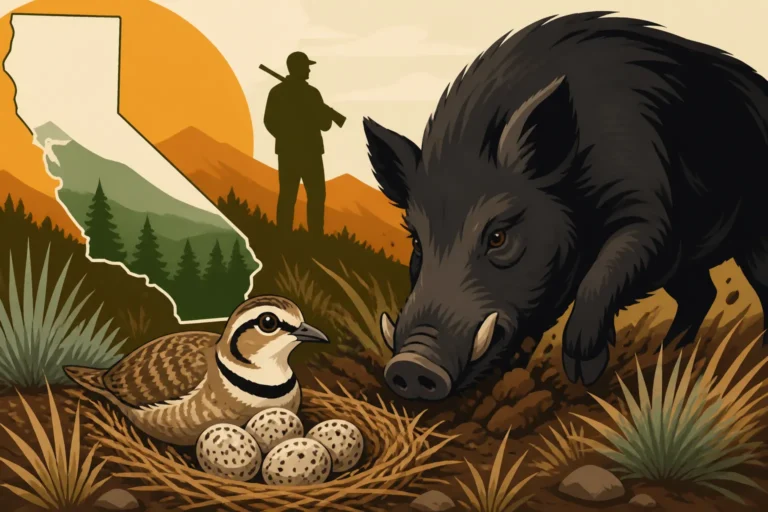
If you've ever chased the elusive mountain quail across California's rugged high country, you know it's an entirely different beast than pursuing their more common valley quail cousins. The sheer effort involved, the lung-busting climbs, and the thick, unforgiving cover can test even the most seasoned upland hunter's resolve. But for those of us who yearn for that distinct, piercing whistle echoing through the timber, understanding their precise range and habits is the first critical step to success. This guide will delve deep into where these magnificent birds make their home, what kind of terrain they favor, and how you can increase your chances of finding them in the vastness of the Golden State.
Understanding California's Mountain Quail: The Elusive Upland Bird
Hunting mountain quail is often described as a true wilderness experience, and for good reason. These birds aren't typically found scratching around the edges of suburban neighborhoods or in easily accessible valley bottoms. They prefer the solitude and ruggedness of California's higher elevations, making them a prize for the adventurous hunter.
What Makes Mountain Quail Unique?
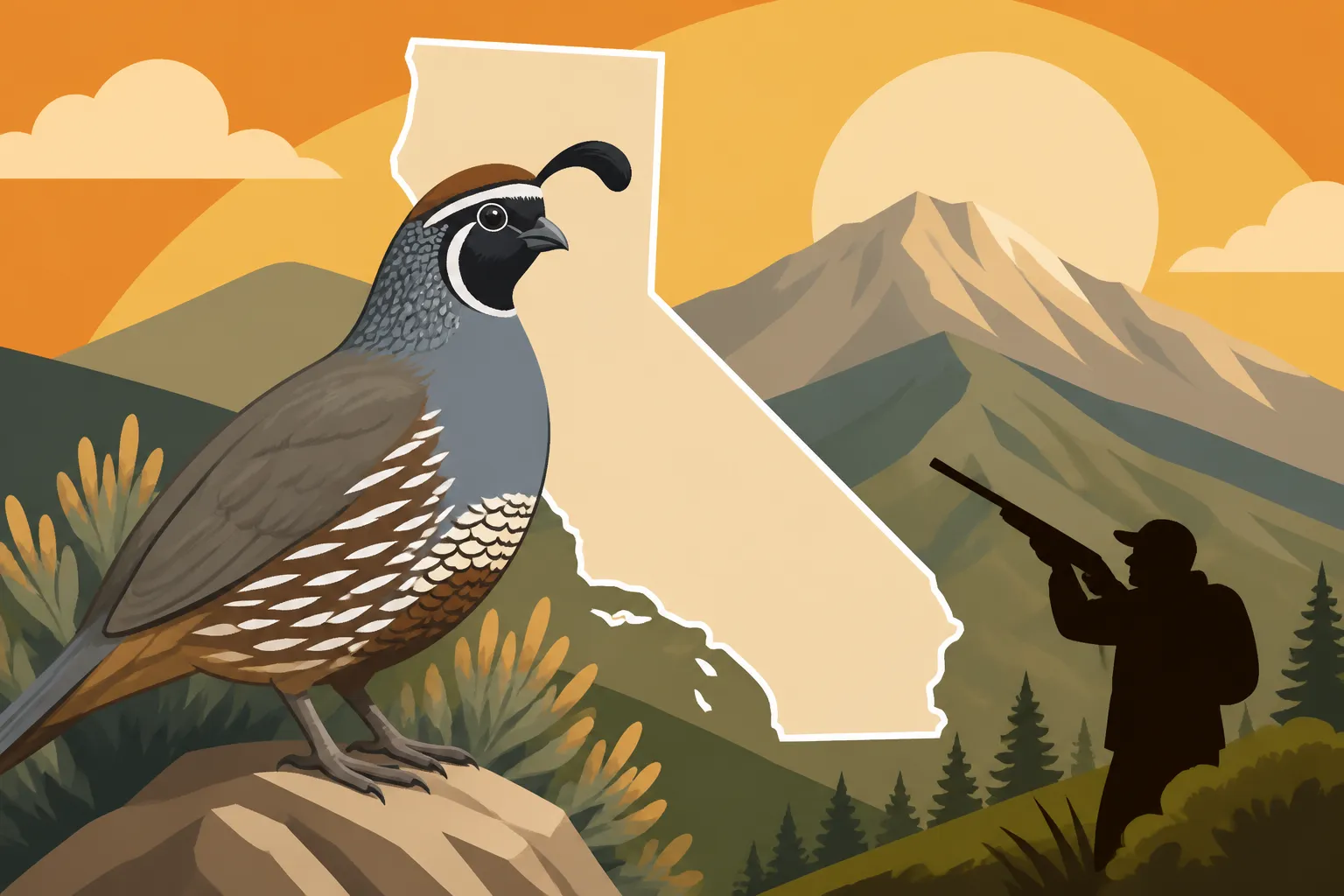
The mountain quail ( Oreortyx pictus) stands out among California's quail species, not just in its chosen habitat but also in its appearance and behavior. They are noticeably larger than both valley quail and Gambel's quail, often described as plump and powerful, built for navigating tough terrain. Their most striking feature, however, is that long, straight head plume – a single, elegant feather that can make them look quite dapper. Their plumage tends to be more subdued, with olive-brown backs, chestnut flanks, and a gray chest, offering excellent camouflage in their forested and chaparral environments.
Behaviorally, mountain quail are the kings of stealth and evasion. While valley quail are known for their coveys bursting into the air with a cacophony of wings, mountain quail often prefer to run, and they are incredibly adept at it. When you flush a covey, they're more likely to scatter, disappearing like ghosts into the densest brush, rather than flying far or regrouping quickly. This makes them notoriously difficult to pin down once disturbed. Their calls, a loud, clear wook? or whoo-wook! whistle, often carry a long way through the timber, serving as both a locating tool for hunters and a frustrating reminder of their presence without being seen.
General Habitat Preferences
Mountain quail are creatures of elevation and dense cover. Unlike the valley quail that thrive in riparian areas, oak woodlands, and agricultural edges, mountain quail seek out the rugged landscapes of conifer forests, mixed conifer-oak habitats, and high-altitude chaparral. We're talking about elevations typically ranging from a few thousand feet all the way up to over 10,000 feet in the Sierra Nevada.
Their ideal habitat is a mosaic of steep, broken terrain featuring thick evergreen brush — think manzanita, ceanothus, bitterbrush, and various chinquapin thickets — interspersed with small clearings or forest openings where they can forage for seeds, berries, and insects. Water is another critical component, and you'll often find them close to springs, seeps, or moist riparian corridors even in otherwise dry country. The thick overhead canopy provides protection from aerial predators, while the dense understory offers an escape route from ground-based threats and crucial thermal cover during temperature extremes. It’s this combination of cover, food, and water, usually found on steep slopes, that defines the true mountain quail range.
Geographic Distribution Across California
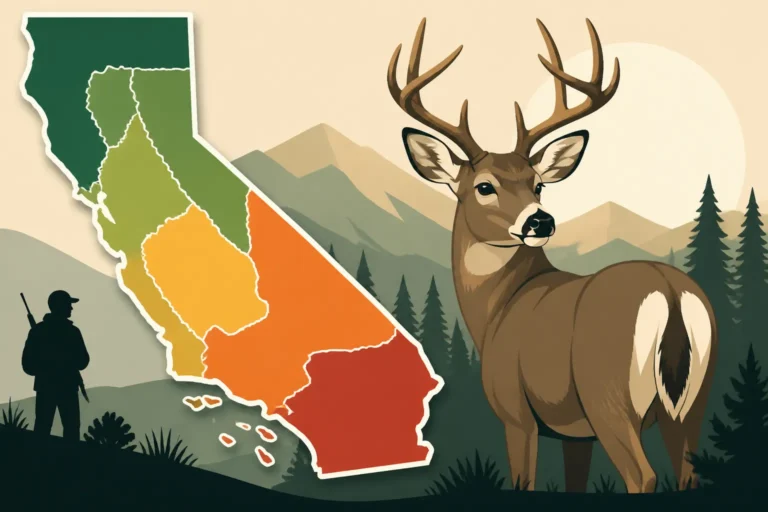
California is a big, diverse state, and the range of mountain quail reflects that. While they are found throughout many of the state's mountain ranges, their density and accessibility vary significantly from north to south and east to west.
Northern California Strongholds
If you're looking for prime mountain quail country, Northern California's rugged terrain offers some of the best opportunities. Areas like the Siskiyou Mountains, the southern Cascades, and the Modoc Plateau are historic strongholds for these birds. Here, you'll find vast stretches of public land within national forests, characterized by dense conifer forests, volcanic landscapes, and significant stands of chaparral at higher elevations.
The wilderness areas and remote corners of these northern mountains mean you'll often be pushing through some serious country. Think thick stands of pine and fir, interspersed with brushy clear-cuts or areas recovering from wildfires. It’s not uncommon to hike for miles and miles, often off-trail, just to find a likely looking patch of cover. This is where scouting really pays off. Using digital mapping tools like GoHunt can be invaluable for identifying potential habitat, pinpointing water sources, and figuring out access points on public lands. You might find success working drainages or ridge tops that transition from open timber to dense brush. For more on navigating these challenging areas, you might want to read about Hunting Northern California's Coast Range.
Sierra Nevada and Transverse Ranges
Moving south, the mountain quail maintains a significant presence throughout the length of the Sierra Nevada. From the northern reaches near Lassen Peak all the way down to the Tehachapis, these birds can be found in the mid to high elevations. Here, the habitat often consists of mixed conifer forests, especially Ponderosa pine, Jeffrey pine, and various fir species, with a robust understory of manzanita and other brush species. The steep canyons and heavily timbered slopes provide ideal escape cover, and the changing elevations offer diverse forage.
In the central and southern Sierra, like in the vast expanse of the Sierra National Forest or the fringes of Yosemite, they occupy similar high-country environments. However, their populations can be more fragmented in areas with heavy recreational use or where habitat has been altered. For those interested in deeper wilderness hunts, Hunting California's Sierra Nevada Backcountry can offer relevant insights into accessing these remote areas.
Further south, in California's Transverse Ranges, which include the San Gabriel, San Bernardino, and San Jacinto Mountains, mountain quail populations exist but are often more isolated and can be harder to locate. These ranges feature significant chaparral, mixed evergreen forests, and even some conifer stands at their highest elevations. Due to increased human population density and habitat fragmentation in Southern California, these birds might require even more dedicated scouting and effort to find. Often, accessing these areas involves navigating a mix of public and private land, so understanding California Trespass and Permission Law is crucial.
Microhabitats and Seasonal Movements
Finding mountain quail isn't just about knowing the general mountain range; it's about understanding the specific, small-scale features of the landscape they prefer and how their movements change throughout the year. These birds are masters of blending in and utilizing every fold of the terrain to their advantage.
Preferred Cover and Food Sources
Mountain quail are highly dependent on dense, impenetrable cover for survival. Think of it: they spend a good portion of their lives trying to avoid becoming a meal for a hawk or a coyote. This means they are almost always found near or within thickets of manzanita, ceanothus, chinquapin, bitterbrush, or other dense evergreen shrubs. These thickets provide critical escape cover, especially when they decide to run rather than fly. When a covey flushes and scatters, they'll usually dive immediately into the nearest, nastiest patch of brush they can find, making follow-up shots incredibly challenging.
However, they can't live solely in thick brush. They need to eat! So, their preferred cover is typically interspersed with small openings, forest clearings, or edges where they can forage. Their diet primarily consists of seeds, berries, and insects. They're particularly fond of acorns, manzanita berries, and seeds from various grasses and forbs found in these openings. Another non-negotiable component of their microhabitat is water. Even in dry-looking country, they'll be close to springs, seeps, moist drainages, or riparian corridors. These water sources often have lush, thick vegetation around them, providing both hydration and cover. When you’re out Scouting California Public Land Before Season, look for these specific features—dense brush, foraging opportunities, and water—especially on south or west-facing slopes that get good sun exposure but also offer quick access to shade.
Altitudinal Migration and Seasonal Changes
One of the most fascinating and challenging aspects of hunting mountain quail is their tendency to undergo altitudinal migration. This isn't a long-distance flight like ducks or geese; rather, it's a movement up and down the mountain slopes in response to changing weather, snowpack, and food availability.
In the spring and summer, after the snow has receded, mountain quail will move to higher elevations, often to their breeding grounds. They spread out across the landscape during this time, making them even harder to locate. The hens will be raising broods in these higher, cooler elevations, taking advantage of the abundant food sources and fewer predators. As fall progresses and the first snows begin to dust the high country, these birds will start their descent. They'll move to lower elevations, typically below the persistent snow line, where food is more accessible and temperatures are milder. This is often where hunters find them in late fall and early winter. These "wintering areas" are still generally in rugged terrain but are often characterized by dense, south-facing chaparral slopes or mixed forests where snow doesn't accumulate as deeply. The challenges of pursuing birds in these dynamic environments are real, but understanding their movements can give you a significant advantage. It's a key part of the puzzle when you're considering the Late-Season Food Sources for California Deer as well, as deer often follow similar patterns.
Challenges and Opportunities for Hunters
Hunting mountain quail is not for the faint of heart. It demands physical fitness, mental toughness, and a keen understanding of their habitat and behavior. But for those willing to put in the work, the rewards are immense – a beautiful bird, a sense of accomplishment, and an unparalleled wilderness experience.
Accessing Mountain Quail Habitat
The first, and often biggest, hurdle is simply getting to where mountain quail live. Their preferred habitat is typically on public lands such as National Forests and Bureau of Land Management (BLM) lands, often in areas far removed from paved roads. This means you’ll be dealing with forest roads that might require a high-clearance 4×4, or even parking and hiking for miles just to reach suitable hunting grounds. The terrain itself is often steep, rocky, and covered in dense brush, making every step a deliberate effort.
Tools like GoHunt are a game-changer here. I can't stress enough how much a good mapping application can help you identify public land boundaries, locate potential water sources and dense cover patches, and plan your entry and exit routes. You can overlay satellite imagery with public land layers to see exactly where you can hunt and visualize the contours of the land. For instance, when you're looking to identify those ideal spots, features like saddles between ridges or a bench on a steep hillside will stand out. For more detailed insights into using these resources, consider checking out Using an App for California BLM Land Status. Remember, getting into these remote areas often means being prepared for multi-day trips, so understanding Camping Rules on California National Forest Land is crucial for planning your stay.
Hunting Strategies for Mountain Quail
Once you're in their country, the real work begins. Mountain quail are not like pheasants that hold tight for a pointer. They are notorious for running, often up a steep slope, before finally taking flight. This characteristic behavior dictates many of the most effective hunting strategies:
- Still-Hunting and Slow-Walking with Dogs: This is perhaps the most popular and effective method. A good pointing dog with excellent scenting ability and strong retrieving skills is an invaluable asset. The dog can help locate birds in thick cover, and more importantly, get a point before the birds can slip away. However, even with a dog, you need to move slowly and deliberately, allowing the dog to work the cover thoroughly. The moment the dog goes on point, be ready to move quickly to cut off a running bird or anticipate its flush.
- Listening for Calls: Those distinct wook calls can be your best friend. In the quiet morning or late afternoon, pause frequently and listen for their whistle. It's often the first indication that birds are in the vicinity. Once you hear a call, try to triangulate their position and approach cautiously, always thinking about their escape routes.
- Focusing on Water and Dense Cover: As discussed, mountain quail are rarely far from water sources and extremely thick brush. Concentrate your efforts on areas where these two elements converge. Work the edges of dense manzanita thickets, follow riparian corridors, and check around springs and seeps. Often, you'll find birds dusting or feeding in the more open areas adjacent to these secure cover patches.
- Anticipating the "Run First, Fly Second" Behavior: When you jump a covey, don't expect them to fly far. They'll often run a short distance into thicker cover and then, if pressured, fly a bit further before dropping down again. Your best chance for a shot is often on the initial flush, but if they scatter, try to mark where individual birds land and follow up quickly. This often means quick decisions and sometimes scrambling up or down steep, brushy slopes, which is why appropriate footwear is essential. You'll want to review Lightweight Boots for Steep California Sierra Terrain before your hunt.
The table below outlines some key characteristics of mountain quail hunting across different California regions.
| Feature / Region | Northern California (Siskiyou, Modoc) | Sierra Nevada (Central, Southern) | Southern California (Transverse Ranges) |
|---|---|---|---|
| Dominant Habitat | Conifer forest, high chaparral | Mixed conifer, oak-chaparral | Dense chaparral, mixed evergreen |
| Terrain Ruggedness | Very high, remote | High, steep canyons | High, fragmented |
| Elevation Range | 3,000 – 8,000 ft | 2,000 – 10,000+ ft | 3,000 – 8,000 ft |
| Access Difficulty | High (4×4 roads, long hikes) | Moderate to High (forest roads, trails) | Moderate (some developed areas) |
| Covey Size (Typical) | Small (5-15 birds) | Small (5-15 birds) | Very Small (2-8 birds) |
| Seasonal Movement | Pronounced altitudinal migration | Pronounced altitudinal migration | Less pronounced, but still present |
| Hunting Pressure | Low | Moderate | Moderate to High (due to fragmentation) |
Conservation and Population Trends
Like all game species, mountain quail populations are subject to a variety of environmental pressures. Understanding these factors and the ongoing conservation efforts helps paint a more complete picture of their status in California.
Factors Affecting Mountain Quail Populations
While mountain quail are tough, resilient birds, they face several challenges that impact their populations:
- Habitat Loss and Fragmentation: This is a recurring theme for many wildlife species. Development, extensive logging without proper reforestation that includes understory, and expanding human presence can fragment or destroy critical mountain quail habitat. Even well-intentioned fire suppression efforts, over decades, can lead to unnaturally dense forests lacking the open, brushy foraging areas these birds need. Large, high-intensity wildfires, while a natural part of the ecosystem, can also devastate specific areas of habitat.
- Climate Change Impacts: As temperatures shift and precipitation patterns change, high-elevation habitats could become less suitable for mountain quail. Altered snowpack dynamics, changes in plant communities, and increased frequency of extreme weather events could all play a role in their long-term viability.
- Predation Pressure: Like all ground-nesting birds, mountain quail are subject to predation from a host of animals, including coyotes, bobcats, foxes, and various raptors. While this is a natural part of the ecosystem, changes in predator populations or habitat that makes birds more vulnerable can have an impact.
- Comparison to Other Quail: While there's robust interest in species like the California Valley Quail Population Trends, mountain quail often get less focus due to their remote nature and more challenging hunting. This doesn't mean they are overlooked, but their populations are inherently harder to monitor and manage.
Monitoring and Management Efforts
The California Department of Fish and Wildlife (CDFW) plays a crucial role in monitoring mountain quail populations and managing their habitat. This includes:
- Surveys and Research: CDFW conducts various surveys to estimate quail populations, track trends, and better understand their biology and habitat needs. This data helps inform hunting regulations and conservation strategies.
- Habitat Management: Efforts often focus on maintaining healthy forest ecosystems that provide the mosaic of dense cover and foraging opportunities that mountain quail require. This can include prescribed burns to create diverse understory, strategic thinning, and managing riparian areas. For broader efforts in this vein, you can explore information about California Quail Habitat Restoration Efforts.
- Hunting Regulations: Seasons and bag limits are set based on population data to ensure sustainable hunting opportunities while protecting the species. The California Quail Season Dates are carefully considered to allow for reproduction and juvenile growth.
- Public Land Management: Agencies like the U.S. Forest Service and BLM, in cooperation with CDFW, manage vast tracts of public land where mountain quail thrive. Their land management decisions, from grazing permits to timber sales and recreation planning, can directly impact quail habitat. When you're using resources like GoHunt or other mapping apps, paying attention to specific land management areas can sometimes give you clues about ongoing habitat projects or restrictions.
The future of California's mountain quail depends on continued dedicated management and conservation. For those of us who cherish the challenges and rewards of hunting these magnificent upland birds, being informed and advocating for their habitat is part of being a responsible sportsman.
Disclaimer
This article is for general informational purposes only and does not constitute professional advice. Laws, prices and regulations vary by location and change over time. Consult a qualified professional for guidance on your specific situation.