How Many Tule Elk Live in California Today
It’s easy to feel a pang of worry when you think about California’s native wildlife, especially species that have faced a tough past. For many hunters and conservationists, the Tule Elk holds a special place, a symbol of perseverance and the power of dedicated conservation. If you've ever wondered about the current health of these magnificent animals, this guide is going to take a deep dive into how many Tule Elk grace our Golden State today and the incredible journey they’ve taken to get here.
The Remarkable Comeback Story of California's Tule Elk
California's Tule Elk are truly something special. They are a subspecies found nowhere else on Earth, a unique part of our natural heritage that almost vanished entirely. Their story is one of dramatic decline and an equally dramatic, heartwarming resurgence, thanks to generations of dedicated efforts.
From Near Extinction to Resurgence
Imagine a California teeming with vast herds of elk, so numerous they stretched across the valleys and foothills. That was the scene before European settlement. Tule Elk, smaller and lighter in color than their Rocky Mountain cousins, were once abundant, grazing across the Central Valley and coastal plains. Their numbers were staggering, estimated to be in the hundreds of thousands. Then came the Gold Rush and rapid expansion of agriculture and ranching. These activities brought habitat destruction, market hunting, and direct conflict with human interests. By the late 19th century, the population had plummeted to an absolutely terrifying low, with some estimates suggesting fewer than a dozen individuals remained. Just think about that – a mere handful of animals left from a once-thriving population. It's a stark reminder of how quickly things can change and how vital conservation truly is. This near-total extirpation galvanized early conservationists who recognized the immense value of these unique animals.
These few surviving elk were mostly found on a private ranch in the San Joaquin Valley, offering a glimmer of hope. It was a dire situation, a true bottleneck where the entire future of the subspecies rested on a tiny, fragile population. Their unique genetics, adapted over millennia to California's specific environments, were almost lost forever. The realization of what was at stake fueled the nascent conservation movement in the state, making the Tule Elk one of its earliest and most significant causes.
Conservation Efforts and Reintroduction Programs
The journey from near-extinction to a thriving population is a testament to persistent conservation efforts. The initial focus was on protecting those last remaining elk and gradually relocating them to new, suitable habitats where they could be safe from human encroachment and thrive. These reintroduction programs were meticulous, involving careful planning to ensure the chosen sites had enough forage, water, and security. It wasn't just about dropping elk off; it was about creating viable, self-sustaining populations.
State wildlife agencies, often working with federal partners and private landowners, played a crucial role in identifying these relocation sites. Over time, herds were established in diverse parts of the state, from the grassy plains of the Central Valley to the rugged Coast Range. Each new herd was a victory, slowly rebuilding the overall population base. This management often involves careful monitoring of herd health, genetic diversity, and habitat conditions. Without these consistent, long-term programs, the Tule Elk would undoubtedly be a species only found in history books.
Current Population Estimates and Key Herds
So, after all that incredible work, where do Tule Elk stand today? It's a question every hunter and wildlife enthusiast naturally wants to know. The good news is that their numbers are robust and stable, a testament to those tireless efforts.
Understanding Today's Numbers
While it's impossible to get a precise, real-time census of every single Tule Elk in California, wildlife biologists use a variety of methods to provide solid population estimates. Based on the most recent data and trends, the Tule Elk population in California is estimated to be thriving, often fluctuating within a healthy range upwards of 5,000 animals. It's a remarkable increase from those harrowing single-digit numbers we saw more than a century ago. These estimates come from aerial surveys, ground counts, and analysis of herd health and reproductive success. It's a continuous process, as environmental factors like drought or abundant rainfall can influence population growth in any given year. For the absolute latest official figures, it's always best to check the California Department of Fish and Wildlife's (CDFW) own publications, as those numbers are meticulously updated.
These estimates are critical for managing the herds sustainably. If a herd grows too large for its habitat, it can lead to overgrazing, disease transmission, and increased conflict with agricultural interests. Conversely, if a population struggles, management can focus on identifying and mitigating the issues. It's a delicate balancing act that ensures the health of the elk and their environment.
Here's a simplified look at the Tule Elk's population journey:
| Historical Period | Estimated Population Range | Status |
|---|---|---|
| Pre-European Settlement | 500,000+ | Abundant, widespread |
| Late 19th Century (Low Point) | < 20 | Critically endangered, near extinction |
| Mid-20th Century | Few hundred | Slow recovery, reintroductions beginning |
| Early 21st Century | 3,000 – 4,000 | Growing, established herds |
| Today (Current Estimates) | 5,000+ | Healthy, stable, managed populations |
Major Tule Elk Concentrations Across the State
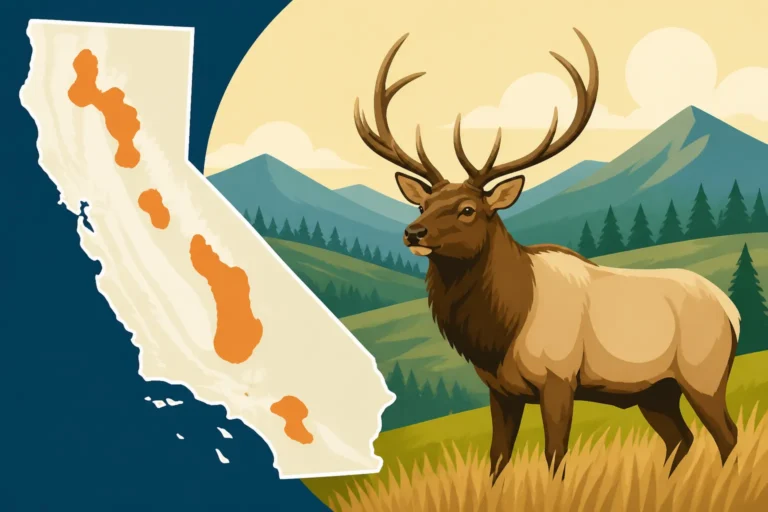
California's Tule Elk are no longer confined to one isolated ranch. They've been successfully reintroduced to various regions, establishing distinct herds that contribute to the overall healthy population. You'll find these herds thriving in diverse landscapes. Some of the most well-known concentrations include areas within the Central Valley, particularly around places like Grizzly Island Wildlife Area and the San Luis National Wildlife Refuge. These regions offer rich wetlands and grasslands that provide excellent forage.
Further inland, the Owens Valley in the Eastern Sierra is home to significant Tule Elk herds, utilizing the unique mixture of high desert and riparian habitats. You might also find them in parts of the Coast Range, such as the Cache Creek Wilderness Area in Colusa and Lake Counties, where they navigate the oak woodlands and chaparral. Each of these areas presents unique challenges and opportunities for the elk, from navigating agricultural lands to surviving in more remote, rugged terrain. The success of these distributed herds means a greater resilience for the species as a whole. You can dive deeper into where to find these magnificent animals in our detailed guide on Where California's Tule Elk Herds Range.
Factors Influencing Population Dynamics
While the Tule Elk story is largely a success, their populations, like all wildlife, are influenced by a complex web of factors. Habitat availability remains paramount. As California's human population grows, the challenge of preserving large, contiguous habitat corridors for elk becomes more pronounced. Drought is another significant concern, especially in a state prone to extended dry periods. A lack of water and quality forage can stress herds, reduce calf survival, and make them more susceptible to disease. The ongoing efforts in California Deer and Elk Disease Monitoring are crucial for keeping an eye on potential threats that could impact these elk, such as epizootic hemorrhagic disease (EHD) or chronic wasting disease (CWD) if it were to emerge in elk populations.
Predation by mountain lions and coyotes is a natural part of the ecosystem, but its impact is carefully monitored, especially on vulnerable calves. Human-elk conflicts can also arise, particularly when herds expand into agricultural areas, leading to crop damage. Managing these issues requires a proactive approach, including hazing, fencing, and sometimes, regulated hunting. All these elements make Tule Elk management a continuous, adaptive process, requiring constant evaluation and adjustments to ensure their long-term health.
The Role of Regulated Hunting in Tule Elk Management
For many, the idea of hunting such a rare species might seem counterintuitive, but in the world of modern wildlife management, regulated hunting is actually a crucial tool for ensuring the long-term health and stability of Tule Elk populations. It's about finding that delicate balance that benefits both the wildlife and the ecosystem.
Balancing Conservation and Opportunity
The limited Tule Elk hunts in California are not designed to diminish the population but rather to manage it effectively. When a herd exceeds the carrying capacity of its habitat, or if there are specific concerns about localized overpopulation impacting sensitive ecosystems or agricultural lands, a carefully determined number of tags might be issued. This helps maintain healthy herd numbers, ensuring that enough food and resources are available for all elk, which in turn leads to stronger, healthier animals. The revenue generated from these highly sought-after tags also funnels directly back into conservation programs, funding habitat restoration, research, and law enforcement that benefits all wildlife.
Getting a Tule Elk tag is a dream for many hunters, and it's notoriously difficult due to the scarcity of permits. This makes the hunt a true privilege and a significant contribution to wildlife management. It’s a far cry from the unregulated hunting that nearly wiped them out, instead representing a carefully controlled system rooted in scientific principles. For a broader understanding of how the state manages its various deer populations through a similar system, you might find our article on California's Multi-Zone Deer Season System insightful, though elk tags operate on an even more limited basis.
Applying for a Tule Elk Tag
So, you've heard about the limited tags, and now you're probably wondering how one even begins to pursue such an opportunity. Applying for a California Tule Elk tag is an experience in patience and perseverance, as these tags are among the most coveted in the state's big game drawing. The process typically involves purchasing a hunting license and then applying during the annual big game drawing period. You're entering a lottery, essentially, with thousands of other hopeful hunters vying for a handful of tags. The odds can be incredibly low, often well under one percent for some units, making every successful draw a truly life-changing event for the hunter.
Many hunters dedicate years to building up preference points, which are designed to increase your chances over time, though it’s still never a guarantee. Tools like GoHunt can be invaluable for researching draw odds, unit breakdowns, and understanding the historical success rates for specific Tule Elk hunts. They offer data-driven insights that can help you make more informed decisions about where to apply. Our guide on Applying for a California Tule Elk Tag in the Big Game Drawing provides an in-depth look at the entire application process, including critical dates and strategies. You'll also want to be aware of the California Elk Application Deadline to ensure you don't miss out on your chance to enter. Leveraging resources such as the information provided by platforms like GoHunt can help you make informed decisions about where to put in for a tag, making sure your application is as strategic as possible. For a more general overview of the system, check out California Big Game Drawing Explained.
Looking Ahead: Challenges and Future Prospects
While the Tule Elk story is undoubtedly a triumph, the work of conservation is never truly finished. Looking forward, there are ongoing challenges that require continued attention and adaptive management to ensure these magnificent animals continue to thrive.
Ongoing Conservation Challenges
One of the most pressing challenges facing Tule Elk, and indeed much of California's wildlife, is habitat fragmentation. As urban and agricultural areas expand, the continuous landscapes that elk need for migration, foraging, and breeding become broken up. This can isolate herds, reduce genetic diversity, and increase human-wildlife conflicts. Water scarcity, especially during prolonged droughts, also poses a significant threat. Elk need reliable water sources and quality forage, and when these are diminished, it can impact herd health and reproductive success.
Beyond habitat and water, the threat of disease is ever-present. While California has robust monitoring programs, the potential for new diseases or outbreaks in dense herds is always a concern. Wildlife biologists and managers are constantly working to mitigate these risks through careful population monitoring, habitat improvements, and, when necessary, targeted management actions. Their vigilance is what keeps these herds healthy and growing.
The Future of Tule Elk in California
Despite these challenges, the future of Tule Elk in California looks bright, thanks to the groundwork laid by past conservationists and the ongoing efforts of today's wildlife professionals and enthusiasts. The species stands as a powerful testament to what can be achieved when dedicated people commit to protecting wildlife. From a mere handful of animals, we now have a healthy, stable population of Tule Elk gracing various regions of the state. It's a true success story, one that offers hope and inspiration for other endangered species.
Continued support for wildlife agencies, like the CDFW, and conservation organizations is vital to ensure that this legacy endures. Whether through purchasing licenses and tags, participating in habitat restoration, or simply appreciating these animals from afar, every action contributes to their ongoing success. The opportunity to witness these unique elk, whether in the Central Valley or the Owens Valley, is a privilege that we must strive to protect for generations to come. For those considering an elk hunt, understanding California Elk Hunt Success Rates by Species can offer a realistic perspective on the dedication required. We should all take pride in the comeback of the Tule Elk, a shining example of what conservation can achieve, and continue to champion their future within our diverse California landscapes.
Disclaimer
This article is for general informational purposes only and does not constitute professional advice. Laws, prices and regulations vary by location and change over time. Consult a qualified professional for guidance on your specific situation.