California Deer Antler Growth Timeline
It can be incredibly frustrating to hit your favorite hunting grounds year after year and wonder why the bucks you saw last season seem to have shrunk, or why that promising young deer you filmed hasn't developed the rack you expected. Understanding the annual antler growth timeline for California deer isn't just a fascinating biological study; it's a crucial piece of the puzzle for any hunter hoping to consistently find mature bucks. This guide will take you through the entire antler growth cycle, from the earliest velvet sprouts to the polished, hardened racks of the rut, and explain what influences these changes.
The Annual Cycle of Antler Growth in California Deer
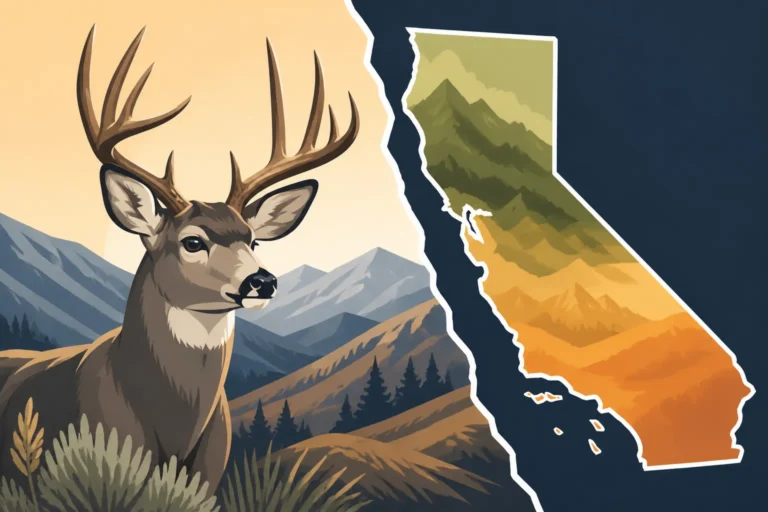
Deer antlers are a truly remarkable biological phenomenon, a temporary bone growth that sheds and regrows anew each year. For California's blacktail and mule deer, this cycle is tightly linked to seasonal changes in photoperiod (daylight length) and hormone levels. Observing this progression allows us to better understand deer behavior, nutrition, and even herd health.
Early Spring: The Velvet Sprout
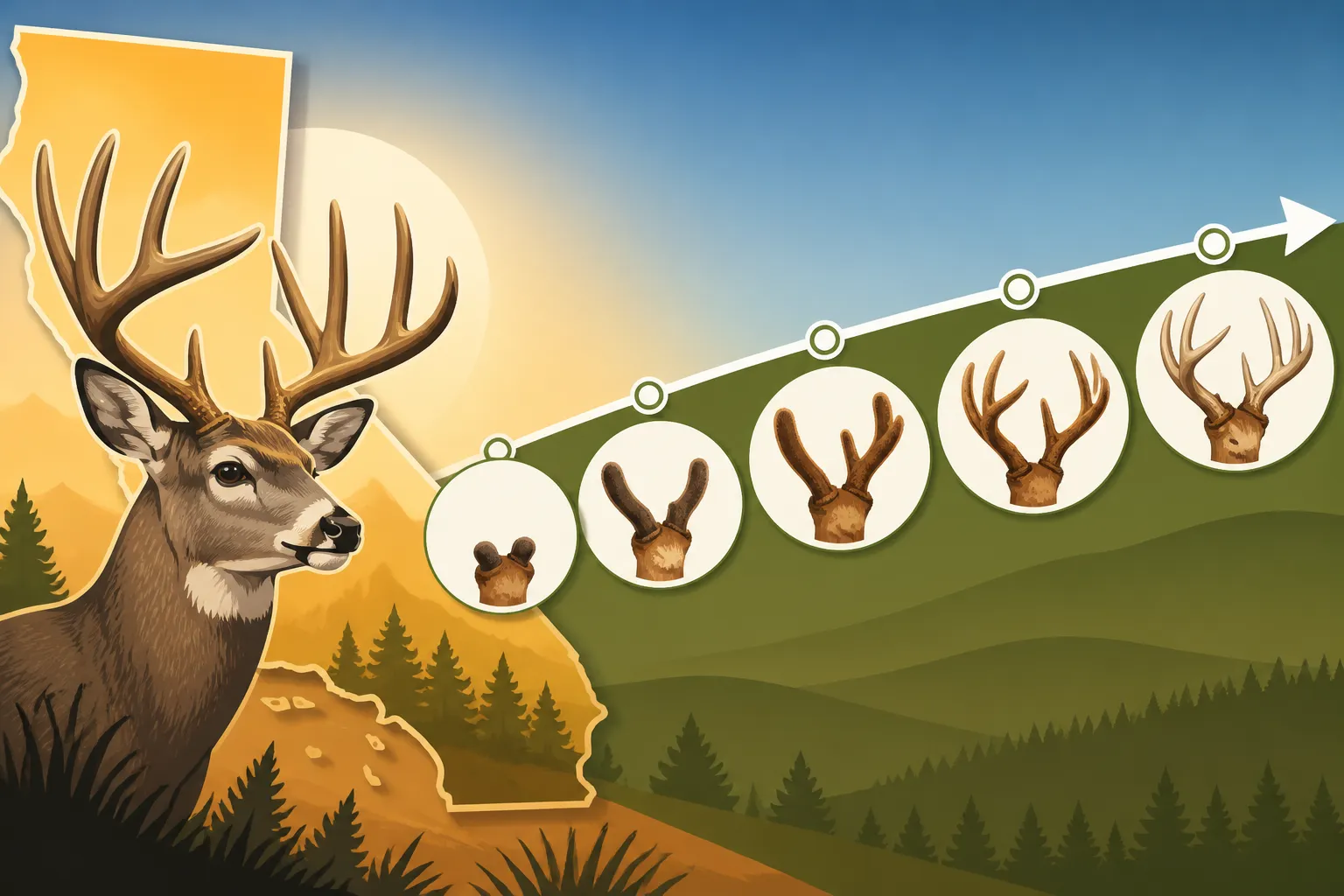
As the days begin to noticeably lengthen in late winter and early spring, typically around March and April in California, the first signs of new antler growth emerge. This is when the residual pedicles—the bony nubs on a buck’s skull where the antlers grow—become active. Triggered by a surge in testosterone and growth hormones following the antler shed of late winter, specialized cells begin to lay down new bone.
Initially, these are just small, fuzzy bumps, often called "buttons" on young bucks or "pedicle regrowth" on older deer. They are covered in a soft, sensitive tissue layer known as velvet, which is rich in blood vessels and nerves. This velvet provides the essential nutrients and oxygen needed for the incredibly rapid bone growth that is about to occur. At this stage, a buck might look a little awkward with these developing bumps, but it's the beginning of their yearly crown. Early scouting with trail cameras in your hunting area can reveal which bucks survived the winter and what kind of potential they might be showing.
Late Spring to Early Summer: Rapid Development
By late spring and into early summer, roughly May through July, antler growth enters its most explosive phase. The velvet-covered antlers expand at an astonishing rate, sometimes growing up to half an inch a day, depending on the buck's age, genetics, and nutritional intake. This is when the characteristic shape of the antlers—the main beams, tines, and overall mass—starts to become clearly defined. You might see a buck with short, thick beams or one that is already showing several tines, all soft and bulbous under the velvet.
During this period, bucks are incredibly vulnerable. Their antlers are soft, easily damaged, and highly sensitive, making them more reclusive and less prone to fighting. They prefer to stay in thick cover, feeding heavily on lush new growth to support the massive energy demands of antler development. A buck that breaks a tine at this stage might heal with a deformed point, a common observation that often confuses hunters later in the season. Keeping an eye on these deer throughout the summer is key to understanding their potential. Utilizing mapping software like GoHunt can help you pinpoint those secluded feeding and bedding areas where deer are trying to stay hidden while their antlers mature.
Late Summer: Hardening and Velvet Shed
As summer progresses into late July and August, daylight hours begin to shorten, signaling a shift in the buck's hormonal balance. Testosterone levels start to rise, which is the key driver for the final stages of antler development. The blood flow to the velvet gradually constricts, cutting off the nutrient supply to the soft tissue. The antlers begin to mineralize and harden, transforming from soft cartilage-like structures to dense bone.
Once the antlers are fully calcified and hardened, typically in late August or early September in California, the velvet dries up and becomes itchy. Bucks will begin rubbing their antlers vigorously on trees, shrubs, and even the ground to scrape off this dead, irritating tissue. This "velvet shed" is a dramatic transformation, revealing the polished, hard bone beneath. For hunters, this is often the most exciting time, as the buck's full potential is finally visible. These rubs also serve as territorial markers, indicating a buck's presence and increasing aggression as the rut approaches.
Factors Influencing Antler Quality and Timing
While the general timeline for antler growth is consistent, the quality and specific timing of that growth can vary wildly. It’s not just about when the antlers appear, but how impressive they become, and these factors are what truly separate the average bucks from the giants.
Age and Genetics: The Unchangeable Truths
The two most significant factors dictating antler quality are age and genetics. Simply put, older bucks tend to grow larger, more impressive antlers. A young, two-year-old buck, no matter how good his genetics or nutrition, will rarely sport a rack comparable to a mature four-and-a-half or five-and-a-half-year-old animal. Their bodies are still dedicating significant resources to their own skeletal and muscular growth, rather than maximizing antler size. As a buck matures, its body diverts more energy specifically to antler production, resulting in increased mass, length, and tine development. This is why knowing California Buck Age Structure in your hunting area is so valuable.
Genetics play an equally crucial, though often less visible, role. Just like in humans, deer inherit traits from their parents. Some bucks are simply predisposed to grow larger, more symmetrical racks, while others, even with optimal age and nutrition, will only ever grow a modest set of antlers. This genetic potential is passed down through generations. While hunters can't change a wild buck's genetics, understanding that a small-racked mature buck isn't necessarily a "bad" buck (it might just be genetically predisposed to smaller antlers) can adjust expectations and management strategies. Tracking observations on mapping tools can help identify patterns over years, especially if you have an idea of California Deer Population Estimate in a given area.
Nutrition and Habitat: Fueling the Rack
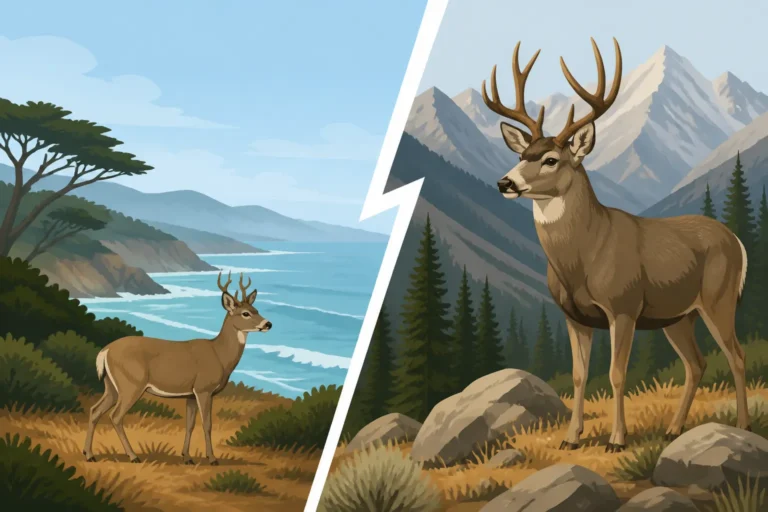
Without adequate nutrition, even a genetically superior, mature buck cannot reach its full antler potential. Antler growth is an incredibly energy-intensive process, demanding vast amounts of protein, calcium, phosphorus, and other minerals. California's diverse habitats offer varied forage, from the lush browse of the coastal ranges to the sparser vegetation of the desert fringe or high Sierra. A year with abundant rainfall and healthy forage, like strong acorn crops or clover growth, often translates into better antler growth across the board. Conversely, severe drought years can significantly stunt antler development as deer struggle to find enough quality food and water.
Consider a buck living in the rich oak woodlands of the Central Coast versus one struggling in a drought-stricken Mojave Desert wash. The former will likely have access to consistent, high-protein browse and ample water, fueling robust antler growth. The latter may survive, but its body will prioritize basic survival over growing an impressive rack. Late-Season Food Sources for California Deer can also impact a buck's health going into the winter, which affects how quickly they can rebound and start growing antlers the following spring. It’s all interconnected. A hunter using tools like GoHunt can study satellite imagery to identify prime feeding areas, water sources, and bedding cover to understand where the best nutrition might be found.
Health and Stress: Hidden Impacts
A buck's overall health and stress levels can dramatically influence its antler growth. Any significant physical trauma, illness, or sustained environmental stress can divert critical resources away from antler development. For example, a buck that suffered a severe leg injury during the rut might shed its antlers early and start new growth later, or the new antlers might be asymmetrical or smaller than usual as its body focuses on healing. Diseases, such as the emerging concerns around Chronic Wasting Disease (CWD) in California, could also potentially impact a deer's physiological processes, including antler development, though more research is needed to fully understand these long-term effects.
Periods of intense stress, like harsh winters with prolonged snow cover or extreme summer heatwaves, force deer to expend more energy simply to survive. This energy drain leaves fewer resources for luxurious features like large antlers. Hunters sometimes observe "cactus bucks" or bucks with permanently deformed antlers; these are often the result of testicular injury or hormonal imbalance, which disrupts the normal antler cycle. Understanding the subtle signs of stress and health issues can give you a better picture of the herd you're hunting.
| Antler Growth Stage | Approximate Timing (California) | Key Characteristics | Hunter Implications |
|---|---|---|---|
| Shedding | January – March | Old antlers drop off, leaving pedicles. | Bucks are often less visible, focusing on recovery. |
| Velvet Sprout | March – April | Small, fuzzy bumps appear on pedicles. | Early scouting to identify surviving bucks and potential. |
| Rapid Growth | May – July | Antlers grow quickly, still soft and velvet-covered. Tines develop. | Bucks are reclusive, seeking dense cover. Vulnerable to damage. |
| Hardening | Late July – August | Antlers mineralize, velvet dries up and becomes itchy. | Bucks become more visible, starting to rub velvet. |
| Velvet Shed | Late August – Early September | Velvet peels off, revealing hardened, polished antlers. | Full rack is visible. Rubs become common. Pre-rut behavior begins. |
| Hard Antlers | September – December | Fully hardened antlers are present during rut and post-rut. | Peak hunting season. Bucks are aggressive, active. |
Observing and Predicting Antler Development for Hunters
For the dedicated hunter, watching antler development isn't just a pastime; it's a critical part of scouting and strategizing for the upcoming season. Knowing when and how bucks are growing their racks can give you a significant edge.
Trail Cameras and Scouting: Your Eye in the Woods
Trail cameras are arguably the most effective tool for monitoring antler growth without disturbing the deer. By strategically placing cameras on known travel corridors, water sources, or mineral licks during the spring and summer, you can capture images of bucks as their antlers develop. This allows you to identify individual bucks, track their progress, and even estimate their age class. For instance, a camera placed near a water source in a Hunting a California BLM Desert Wash for Deer area might show you the same buck week after week, letting you document its antler progression from nubs to a fully developed rack.
When reviewing your trail camera photos, pay close attention to the date stamps. Note when a buck first appears in velvet, when its tines become distinguishable, and when you see the first signs of velvet shedding. This data, especially over multiple seasons, can help you understand the specific timeline for your hunting area and the quality of bucks it produces. Using robust mapping apps like GoHunt can help you plot your camera locations, mark individual buck sightings, and keep detailed notes on antler development, creating a valuable database for future seasons.
Field Observation and Binoculars: The Art of Glassing
While trail cameras work around the clock, nothing beats the experience of spotting a velvet-clad buck through your binoculars or spotting scope. Glassing during the early morning or late evening in areas with good visibility—like open hillsides, powerline cuts, or the edges of meadows—can provide direct insight into antler development. Spend time in potential buck country during May, June, and July, quietly observing. Look for bucks moving from bedding areas to feeding grounds, often preferring the cooler, shaded areas.
The key to successful field observation is patience and quality optics. A good pair of binoculars, like an 8x or 10x, and a spotting scope for longer distances will allow you to discern details of antler growth, even at a distance. If you're hunting in areas like the Eastern Sierra, honing your skills in Glassing a Canyon for a Bedded Buck is essential. Note the size, number of tines, and overall mass. This direct observation complements your trail camera data and provides a real-time understanding of what's happening in the field.
Seasonal Impact on Hunter Strategy
Understanding the antler growth timeline directly impacts your hunting strategy, especially in a state like California with its varied seasons. If you're an archery hunter participating in an early season like Hunting California's Zone A July Archery Opener, you'll be pursuing bucks still in velvet or just beginning to shed. This means different behaviors—bucks might be less aggressive, more focused on feeding, and staying in thicker cover. Your calling strategies or rattling sequences might need to be adjusted compared to later in the season.
For general season rifle hunters, particularly in later opening D-zones or high-country X-zones, you'll encounter bucks with fully hardened antlers. By this time, the rut may be approaching or in full swing, and bucks will be more active, cruising for does, and marking territory with rubs and scrapes. This knowledge can influence where you set up a stand, how you approach a Hunting a Ridge-Top Saddle at First Light, or what type of calls you might use. Knowing the timeline helps you anticipate a buck's behavior and choose the right tactics for the specific stage of antler development you're likely to encounter.
Disclaimer
This article is for general informational purposes only and does not constitute professional advice. Laws, prices and regulations vary by location and change over time. Consult a qualified professional for guidance on your specific situation.