Boots and Clothing for California’s Varied Terrain
California's vast and varied landscapes present a real challenge for hunters trying to figure out what to wear. One day you might be sweating in August chasing blacktail deer in the heat of Zone A, and the next you're shivering in a late-season D-zone blizzard in the Sierra. It’s enough to make you feel like you need a different wardrobe for every county! This guide will break down the crucial considerations for boots and clothing, helping you build a versatile system that keeps you comfortable and effective, no matter what California throws your way.
Understanding California's Diverse Hunting Environments
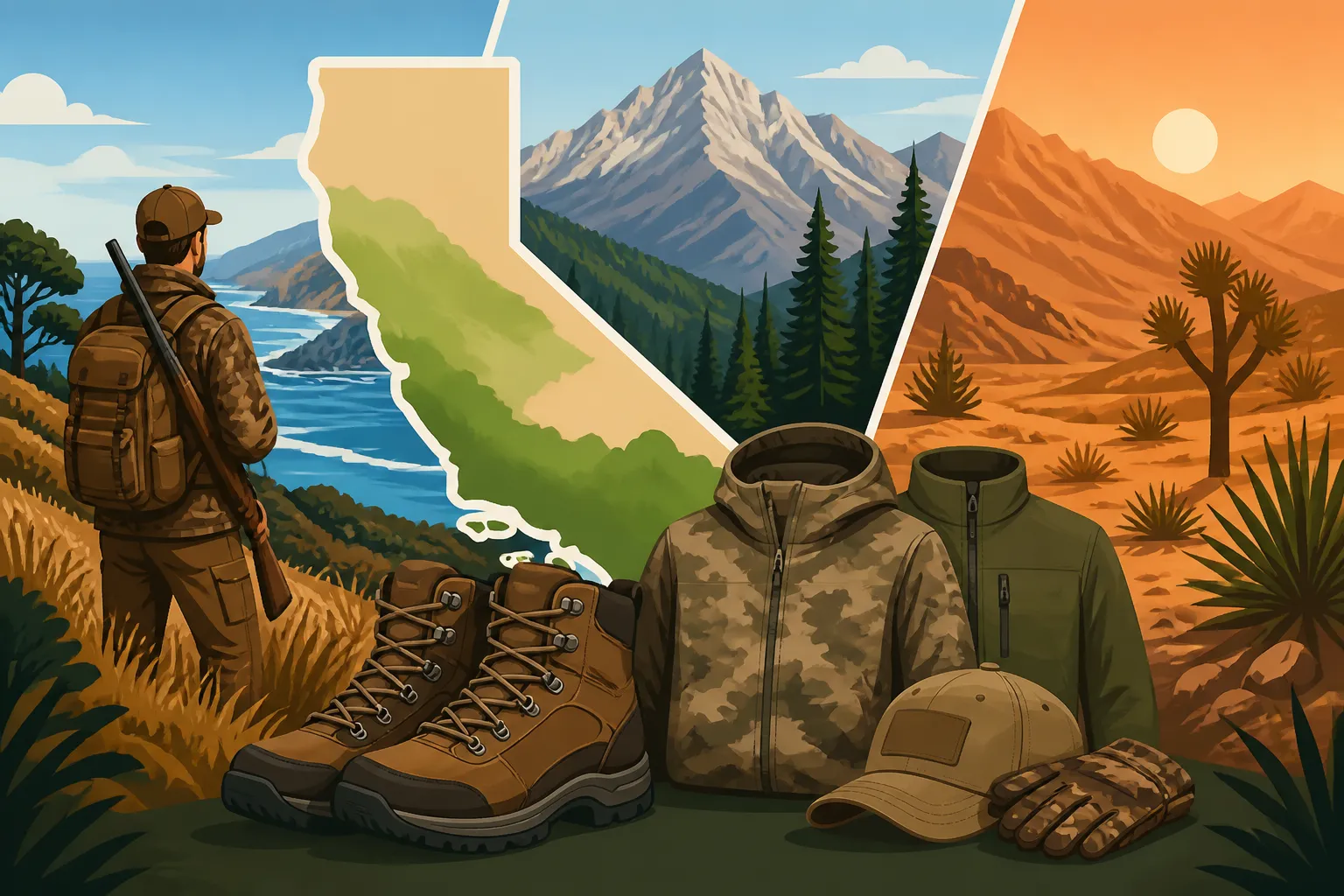
Before you even think about fabrics or boot treads, it’s essential to grasp the sheer diversity of California's hunting grounds. This state isn't just one type of wilderness; it's a tapestry of microclimates and terrains, each demanding specific gear considerations. What works perfectly for high-desert mule deer might be a miserable choice for a flooded rice field duck hunt.
Coastal Range Oak Woodlands and Chaparral
Imagine stalking a blacktail buck through rolling hills covered in dense oak woodlands and thick chaparral. This is common in areas like the A-zones, and it presents a unique set of challenges. Temperatures can swing wildly, from cool, dewy mornings to scorching midday heat, especially during the early archery seasons. The vegetation itself is a menace: sharp, thorny brush that will rip through flimsy fabrics, and uneven ground often strewn with rocks and downed timber. You need clothing that breathes in the heat, yet can offer some warmth for those cooler starts, and boots that can handle rocky, uneven, and often slippery slopes. Durability is paramount here; if your gear can't stand up to the abrasion of manzanita and poison oak, you'll be replacing it constantly. Think about those long hikes through tangled undergrowth when Hunting Coastal Range Oak Woodlands.
Sierra Nevada High Country and Foothills
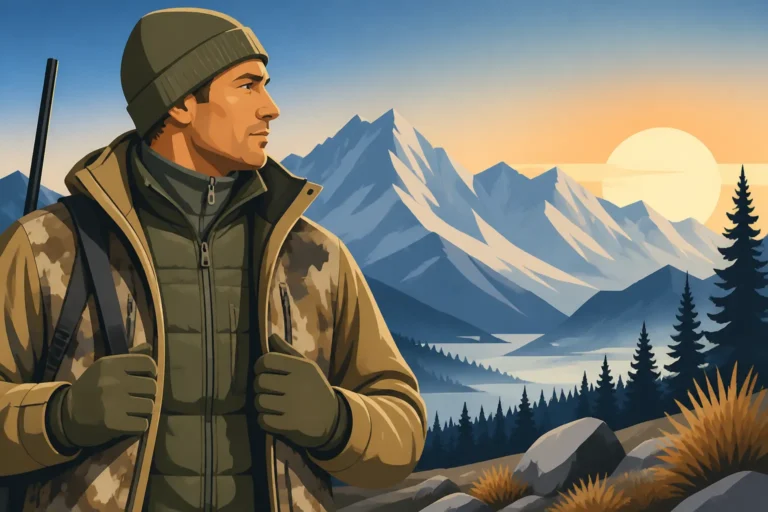
Venturing into the Sierra Nevada, whether you're in the foothills chasing a D-zone buck or backpack hunting for an X-zone trophy in the high country, introduces a whole new level of ruggedness. Elevations climb rapidly, which means unpredictable weather is the norm. You can start a day in sunshine and end it in a whiteout snowstorm, even in early fall. The terrain is steep, rocky, and often involves long ascents and descents over loose scree, granite slabs, and through dense timber. Footwear must provide exceptional ankle support and grip, while clothing needs to be highly adaptable to extreme temperature fluctuations. Layering becomes absolutely critical here, as you'll be shedding layers during strenuous climbs and piling them back on during cold glassing sessions. The sheer physical exertion also means you'll be sweating, so moisture management is key to preventing hypothermia when the temperatures drop.
Central Valley Wetlands and Agricultural Lands
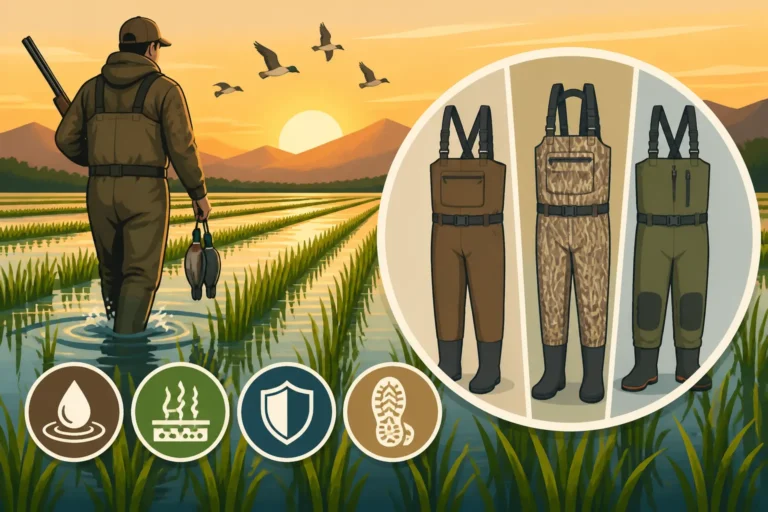
Shifting gears entirely, consider the vast Central Valley, a critical stop on the Pacific Flyway, where waterfowl hunting reigns supreme. Here, your concerns pivot from steep climbs to standing water, mud, and often cold, damp conditions. You might be slogging through flooded rice fields, sitting in a layout blind in a muddy cut cornfield, or wading through cattails in a refuge. Waterproofing is non-negotiable. Forget about breathability in the same way you need it in the mountains; here, it’s about keeping every drop of water out, while still insulating against the chill. The ground is often soft and uneven, requiring specialized boots or waders that offer stability without getting bogged down. Comfort during long, static periods in a blind is also a factor, as is the need for camouflage that blends into marshy, agricultural environments. For tips on navigating these areas, check out Waterfowl Hunting California's Central Valley.
Deserts and Arid Regions
Finally, head south and east to California's desert and arid regions, where mule deer, wild pigs, and various small game reside. Here, the challenge is often intense heat, abrasive terrain, and a lack of water. Daytime temperatures, especially in early seasons, can soar well into the triple digits, while nights can become surprisingly cool. The landscape is unforgiving, with sharp rocks, thorny cacti, and loose sand. Boots need excellent ventilation and durability, protecting your feet from sharp objects and scorching ground. Clothing should be lightweight, highly breathable, and offer significant UV protection. Long sleeves and pants, often in lighter colors, are crucial here to shield skin from the sun's relentless assault, even if it feels counterintuitive in the heat. Hunting in these areas often means long walks across open, exposed country, so sun protection isn't just about comfort, it's about survival. For more specific advice, consider Hunting California's BLM Desert Land.
The Foundation: Layering Principles for California Hunting
Given California's incredible diversity, a single "perfect" outfit simply doesn't exist. Instead, the smart hunter adopts a layering system. This isn't just about throwing on extra clothes; it’s a strategic approach to managing your body temperature and adapting to dynamic conditions on the fly. It allows you to add or remove clothing as activity levels, weather, and elevation change, keeping you comfortable, dry, and focused on the hunt.
The Base Layer: Managing Moisture and Temperature
The base layer is arguably the most critical component of any layering system, yet it’s often overlooked or misunderstood. This is the garment that sits directly against your skin, and its primary job is to manage moisture. As you hike, climb, or stalk, your body generates heat and sweat. If that sweat remains trapped against your skin, it will eventually cool down, leading to a rapid drop in body temperature – a recipe for discomfort and even hypothermia, even on a mild day.
A good base layer wicks moisture away from your skin, transferring it to outer layers where it can evaporate. Materials like merino wool or synthetic blends (polyester, polypropylene) excel at this. Merino wool is fantastic because it's naturally odor-resistant, soft, and still insulates when wet. Synthetics are often more durable, dry faster, and can be less expensive. Avoid cotton at all costs for your base layer; it absorbs moisture like a sponge and takes forever to dry, drawing heat away from your body. The weight of your base layer should match the expected conditions: a lightweight base for warm-weather hunts like Hot-Weather Sitting Strategy in August, a mid-weight for cooler fall days, and a heavy-weight for frigid late-season outings.
The Mid-Layer: Insulation for Variable Conditions
Once your base layer is effectively managing moisture, your mid-layer steps in to provide insulation. This is your primary warmth layer, designed to trap air close to your body, creating a thermal barrier against the cold. The beauty of a mid-layer is its versatility; you can put it on when stationary or in colder conditions, and easily shed it when you're moving vigorously or when the sun comes out.
Common mid-layer materials include fleece (synthetic, durable, and relatively inexpensive) and down or synthetic insulated jackets/vests. Fleece is great for active hunts where breathability is still important, as it allows some vapor to escape. Down offers exceptional warmth-to-weight ratio, making it ideal for packable insulation, but it loses its insulating properties when wet. Synthetic insulation, like PrimaLoft or Coreloft, is a better choice for damp conditions as it retains warmth even when wet. For many California hunts, particularly those in the mountains, a mid-weight fleece jacket combined with a packable synthetic puffy vest provides excellent adaptability. This combination allows you to adjust your warmth level with precision, crucial when moving from a frosty canyon bottom to a sunny ridge.
The Outer Layer: Protection from Elements
The outer layer, often called the shell layer, is your shield against the external elements: wind, rain, and snow. Its main function is to protect your inner layers from getting wet and your body from losing heat due to wind chill, while ideally still allowing some breathability to vent moisture from within.
Shells come in various forms, from lightweight windbreakers to heavy-duty waterproof/breathable jackets. For most California big game hunting, a waterproof and windproof shell is a wise investment. Technologies like Gore-Tex or similar proprietary membranes are designed to repel water from the outside while allowing sweat vapor to escape from the inside. This balance is critical to staying dry and comfortable. A common pitfall is to choose a shell that's too heavy or bulky, hindering movement and adding unnecessary weight. Look for something durable enough to withstand brush, yet lightweight and compressible for easy packing. Features like adjustable hoods, pit zips for ventilation, and waterproof zippers are all valuable additions. Remember that even on seemingly clear days, a sudden squall can roll in, especially when Hunting Sierra Nevada High Country, making a reliable outer layer indispensable.
| Layer Type | Primary Function | Recommended Materials | Key Considerations |
|---|---|---|---|
| Base Layer | Moisture Wicking, Temperature Regulation | Merino Wool, Synthetic Blends (Polyester, Polypropylene) | Avoid Cotton; weight depends on expected temperature |
| Mid-Layer | Insulation, Warmth | Fleece, Down, Synthetic Insulation | Packability, retains warmth when wet (synthetic) |
| Outer Layer | Weather Protection (Wind, Rain, Snow) | Waterproof/Breathable Membranes (e.g., Gore-Tex) | Durability, adjustable features, ventilation |
Essential Clothing Items for California Hunters
Beyond the basic layering philosophy, certain clothing items deserve specific attention due to the unique demands of California hunting. These are the workhorses of your hunting wardrobe, designed to provide specialized function and stand up to the rigors of the field.
Pants and Trousers: Durability and Mobility
Your hunting pants will take a beating, especially in California's often abrasive terrain. They need to be tough enough to resist tears from chaparral, withstand kneeling on rocky ground, and provide protection from thorns and burrs. Beyond durability, mobility is paramount. You'll be climbing over logs, scrambling up steep slopes, and making long strides, so restrictive pants are a non-starter.
Look for pants made from durable, abrasion-resistant fabrics like nylon blends or synthetic canvas. Ripstop fabrics are excellent for preventing small tears from becoming large ones. Articulated knees and a gusseted crotch will significantly improve your range of motion. For early season hunts in warmer areas like Hunting the Zone C August-September Archery Window, highly breathable, quick-drying pants are essential. Some hunters even opt for lightweight, technical hiking pants. For cooler weather, consider pants with a slightly thicker weave or those designed for layering base layers underneath. Pockets that are easily accessible, even when wearing a pack, and reinforced stress points are also practical features. Having a pair of quality gaiters to pair with your pants will further protect your lower legs in brushy or wet conditions, and we'll delve into those more later.
Jackets and Vests: Adaptability is Key
As discussed in the layering section, your jackets and vests form the core of your insulation and weather protection. The key here is adaptability. A single heavy, insulated jacket won't cut it for most California hunts. Instead, think about a system that allows you to easily add or remove components.
A softshell jacket can be a fantastic, versatile piece. It offers good wind resistance and some water repellency, along with excellent breathability for active pursuits. It can serve as an outer layer in mild, dry conditions or a robust mid-layer when a hard shell is needed for heavy rain. Insulated vests are another unsung hero. They provide core warmth without restricting arm movement, which is ideal for shooting or glassing. You can wear a vest over a base layer and under a softshell, creating a highly adaptable combination. For more serious cold, a packable insulated jacket (down or synthetic) is invaluable. It can be compressed and stored in your pack until needed, providing substantial warmth during periods of inactivity, like sitting on stand at first light or while glassing a distant ridge. The GoHunt app often provides detailed weather forecasts for specific hunting units, which can help inform your jacket and vest choices for a given trip.
Headwear and Gloves: Often Overlooked Essentials
It's easy to focus on your main clothing and forget the details, but headwear and gloves are critical for comfort, protection, and temperature regulation. You lose a significant amount of heat through your head, and cold hands can quickly make a hunt miserable and even dangerous.
For warm-weather hunts, a wide-brimmed hat or a baseball cap provides crucial sun protection for your face and neck. Look for lightweight, breathable fabrics. In cooler conditions, a warm beanie or a fleece cap is essential for retaining heat. Some hunters prefer balaclavas for full face and neck coverage in truly cold or windy conditions.
Gloves, much like layers, should be chosen based on activity and temperature. For active stalking in mild weather, a thin, breathable glove can offer protection from brush without causing your hands to overheat. For colder conditions, consider a layered glove system: a thin liner glove for dexterity, and a warmer, insulated outer glove or mitten that can be easily pulled on or off. Waterproof gloves are a must for wet conditions, such as those encountered during late-season waterfowl hunts. Even during the early season in a place like Hunting California's Zone A July Archery Opener, having a light pair of gloves to protect your hands from scrapes and insect bites can make a big difference.
Choosing the Right Boots for California's Footing
Just like clothing, there is no one-size-fits-all boot for California hunting. Your feet are your primary mode of transportation, and keeping them comfortable, supported, and protected is paramount. Choosing the wrong boots can ruin a hunt faster than almost anything else.
Mountain and Backcountry Boots: Support and Traction for Steep Terrain
If your hunt involves steep ascents, rocky traverses, and long days covering challenging terrain, you need a serious mountain or backcountry hunting boot. These boots are engineered for maximum ankle support, crucial for preventing twists and sprains on uneven ground. They typically feature a stiff sole that provides excellent stability and protection from sharp rocks, reducing foot fatigue over miles of rough terrain.
Look for boots with a high cut (8-10 inches) for optimal ankle support. The outsoles should have aggressive lugs for superior traction on loose dirt, scree, and wet rock. A waterproof/breathable membrane, like Gore-Tex, is almost a necessity to keep your feet dry when crossing streams or moving through dewy vegetation, while still allowing sweat to escape. Materials often include durable full-grain leather, sometimes combined with synthetic panels for reduced weight and increased breathability. These boots require a break-in period, so don't buy them a week before your hunt and expect comfort. They are an investment, but a worthwhile one for serious mountain hunting. For navigating demanding landscapes, consider Best Boots for Steep Wet-Season Sierra Trails.
Desert and Foothill Boots: Breathability and Durability for Arid Lands
Hunting in California's deserts, chaparral foothills, or other arid regions presents a different challenge: heat and abrasive terrain. Here, heavy, insulated mountain boots would be a detriment. Instead, you need boots that prioritize breathability, lightweight construction, and protection from thorns and sharp rocks.
Desert and foothill boots often feature a lower cut (6-8 inches) for increased airflow and reduced weight. The uppers are typically made from a combination of durable, breathable synthetic materials and suede or lighter leathers. While waterproofing is less critical than in wetlands or mountains, some water resistance can still be beneficial for unexpected rain or dew. The soles should still be robust enough to handle rocky ground and offer good traction, but they might be more flexible than a true mountain boot to enhance comfort on longer, flatter walks. Protection from sharp objects like cacti and thorns is also a key consideration. Think about how many miles you might put on your feet when Hunting a BLM Desert Wash for Mule Deer, and you'll understand why lightweight comfort and breathability are so important.
Wetland and Field Boots: Waterproofing for Wet Environments
When hunting waterfowl in the Central Valley, stalking pigs through a muddy oak bottom, or even pursuing upland birds in wet fields, waterproofing isn't just a feature – it's the feature. Wetland and field boots are designed to keep your feet absolutely dry in saturated conditions.
Your primary options here are rubber boots or waders. Rubber boots offer 100% waterproof protection, are easy to clean, and can be insulated for colder weather. They're excellent for muddy fields, shallow water, and crossing small streams. Look for styles with good traction to prevent slips in the muck. For deeper water, or when you need to stand for extended periods in flooded areas, waders are indispensable. Chest waders or even hip waders will keep your lower body completely dry. Waders come in breathable materials like Gore-Tex or neoprene, with neoprene offering more insulation. Always ensure your waders fit well, allow for layering underneath, and have a good boot attached (or are designed for wading boots) to prevent getting stuck in deep mud. Choosing a quality pair is vital when you're Decoying Ducks in California's Central Valley Flooded Rice.
| Boot Type | Best Use Cases | Key Features | Considerations |
|---|---|---|---|
| Mountain/Backcountry | Steep, rocky terrain; high elevation; variable weather | High ankle support, stiff sole, aggressive lugs, waterproof membrane | Heavy, require break-in, less breathable |
| Desert/Foothill | Arid, hot conditions; rolling hills; abrasive ground | Breathable, lightweight, moderate ankle support, durable upper | Less insulation, may lack waterproofing |
| Wetland/Field (Rubber) | Muddy fields, shallow water, wet undergrowth | 100% waterproof, insulated options, good traction | Less ankle support, can be hot |
| Wetland/Field (Waders) | Deep water, standing in flooded areas | Full waterproof coverage (chest/hip), insulated options | Bulky, less mobility on dry land |
Fabric Technologies and Their Role in Hunting Gear
Modern hunting clothing isn't just about cotton and wool anymore. Advancements in fabric technology have revolutionized what hunters can expect from their gear, offering better performance, comfort, and protection across all conditions. Understanding these technologies will help you make informed choices that truly enhance your time in the field.
Moisture-Wicking and Quick-Drying Fabrics
The ability to manage moisture is paramount in any active pursuit, especially hunting. Whether you're hiking up a steep incline in the Sierra or stalking a deer on a hot day in Zone A, you're going to sweat. If that sweat stays on your skin, it cools rapidly, chilling your body. This is where moisture-wicking fabrics come into play.
These fabrics are engineered to pull moisture (sweat) away from your skin and transfer it to the outer surface of the fabric, where it can evaporate more readily. This process keeps you feeling drier and helps regulate your body temperature. Common materials include synthetic fibers like polyester and polypropylene, which are often used in base layers and active mid-layers. Merino wool also excels at wicking moisture and has the added benefit of retaining some warmth even when wet, plus natural odor resistance. Quick-drying properties go hand-in-hand with wicking; once moisture is on the surface, you want it to evaporate as fast as possible to prevent saturation. This is critical for comfort, preventing chafing, and maintaining insulation in cooler temperatures. When planning for a strenuous hunt, like those in Hunting California's High-Country X-Zones, prioritizing these fabric technologies can make a huge difference in your endurance and comfort.
Waterproof and Breathable Membranes
Getting wet is miserable, and in cold conditions, it can be dangerous. However, simply wearing a plastic poncho traps all your body heat and sweat inside, making you wet from the inside out. This is why waterproof and breathable membranes are such game-changers for hunting gear. These technologies create a barrier that repels liquid water (rain, snow) from penetrating the fabric, while simultaneously allowing water vapor (sweat) to escape.
The most well-known example is Gore-Tex, but many other brands offer similar proprietary membranes (e.g., eVent, DryVent, H2No). These membranes work by having microscopic pores that are too small for liquid water droplets to pass through, but large enough for individual water vapor molecules to escape. This allows your outer shell to protect you from external moisture while preventing you from overheating and getting soaked with your own sweat during active movement. When you're facing unpredictable weather, common in places like Hunting California's Sierra Nevada Backcountry, a reliable waterproof and breathable outer layer is essential. Always look for fully taped seams on garments using these membranes, as seams are often the weakest point for water entry.
Scent Control Technologies
While less about protection from the elements, scent control technologies are often integrated into hunting clothing and deserve a mention, especially when pursuing wary game like blacktail deer or elk. Deer have an incredibly keen sense of smell, and minimizing your human odor can be a significant advantage.
Scent control fabrics typically work in one of two ways:
- Antimicrobial Treatments: These treatments inhibit the growth of bacteria that cause human odor. They are often applied to synthetic base layers and mid-layers, helping you stay fresher over multiple days in the field. Merino wool naturally has some antimicrobial properties.
- Activated Carbon or Zeolite: Some garments incorporate activated carbon or zeolite particles into the fabric or as a separate liner. These materials absorb and trap odor molecules, preventing them from escaping. While effective, garments with these technologies often require special care and can be heavier or bulkier.
It's important to remember that no scent control system is 100% effective. A holistic approach, including proper hygiene, playing the wind, and careful gear storage, is always the best strategy. However, incorporating some scent control in your base and mid-layers can certainly add an extra layer of stealth, especially for those close-quarter encounters. Many hunters utilize products like those from Scentlok or Sitka for this purpose. The GoHunt app also features articles on how to approach a successful stalk, where scent control is frequently a topic of discussion.
Specialized Gear for Unique California Conditions
Beyond the core clothing system, there are a few specialized gear items that prove invaluable for tackling California's distinct hunting environments and regulatory requirements. These pieces might not be part of your everyday hunting kit, but they can be absolutely essential when the conditions demand it.
Rain Gear for Unexpected Storms
California weather, especially in the mountains or during shoulder seasons, can be notoriously unpredictable. A bluebird morning can quickly turn into an afternoon deluge. Having dedicated rain gear, separate from your everyday outer shell, can be a lifesaver, keeping you dry and preventing a miserable, potentially dangerous, situation.
Good rain gear should be 100% waterproof and, ideally, breathable. Lightweight, packable rain jackets and pants are designed to be carried in your pack and deployed quickly when the skies open up. Look for features like fully taped seams, waterproof zippers, and adjustable cuffs and hoods to seal out moisture. While your everyday hunting jacket might offer some water resistance, true rain gear is built for sustained downpours. It doesn't need to be insulated, as it's typically worn over your existing layers. The goal is pure protection from external moisture. Investing in a quality rain suit will pay dividends, particularly when you're caught in a sudden Sierra thunderstorm or a coastal drizzle.
Gaiters for Brushy and Wet Terrain
Gaiters are one of those items many hunters overlook until they wish they had them. These fabric sleeves wrap around your lower leg, from just above your ankle up to your knee, connecting to your boot. They serve a multitude of purposes, especially in California's varied terrain.
Firstly, gaiters protect your pants and lower legs from abrasive brush, thorns, and sharp rocks. Anyone who's hiked through thick chaparral knows how quickly pants can get shredded; gaiters add a crucial layer of durability. Secondly, they prevent debris (twigs, small rocks, dirt, snow) from getting into the tops of your boots, which can cause discomfort and blisters. Thirdly, and perhaps most importantly, gaiters provide an excellent waterproof barrier. They keep water out when walking through dewy grass, crossing shallow streams, or slogging through snow. In wet conditions, they prevent water from running down your pants and soaking your socks and boots. For navigating thick undergrowth or crossing a marshy area, a good pair of waterproof, durable gaiters is indispensable. They are particularly useful when hiking in areas that are prone to heavy dew or when Still-Hunting California's Sierra Nevada Timber.
Blaze Orange and Pink Requirements
Unlike some other states, California has specific, albeit limited, regulations regarding hunter orange. While not universally required for all types of hunting, it is mandatory in certain situations and generally a good idea for safety, especially on public lands where other users might be present.
Currently, California Fish and Wildlife regulations state that any person hunting during a general deer season with a firearm in an area where elk, antelope, or bighorn sheep seasons are also open, must wear an outer garment of blaze orange or blaze pink material, no less than 300 square inches, which is visible from 360 degrees. This rule primarily applies to those participating in specific draw hunts for those species, but the spirit of safety extends to all general hunting seasons, especially with the prevalence of other hunters in popular D-zones. While not strictly mandated for archery-only seasons or many small game hunts, voluntarily wearing blaze orange, especially a vest or a hat, significantly increases your visibility to other hunters, which is always a smart move. Always check the current regulations for California Blaze Orange Requirements before heading afield, as rules can change.
Planning Your Wardrobe for Specific Hunts
Now that we've covered the components, let's look at how to assemble them for common California hunting scenarios. The key is to be flexible and think about your activity level, the specific climate of your hunting area, and the expected duration of your hunt.
Packing for an August Archery Hunt in Zone A
Hunting California's Zone A during the August archery opener is often a test of endurance against the heat. You're typically in coastal range oak woodlands and chaparral, where temperatures can swing from cool, damp mornings in the 50s to sweltering afternoons in the high 90s, or even over 100 degrees. Your primary enemy here is overheating and dehydration.
- Base Layer: Lightweight, highly breathable, moisture-wicking synthetic or merino wool. Long sleeves are often preferred for sun protection, even in heat.
- Mid-Layer: You might skip this entirely or pack an ultralight fleece vest for cool mornings.
- Outer Layer: A very lightweight, breathable windbreaker or a softshell that offers minimal warmth but protection from brush. Rain gear is usually a low priority but good to have a light packable option.
- Pants: Lightweight, durable, quick-drying synthetic pants. Consider zip-off pants if you anticipate wading through creeks.
- Boots: Breathable, lightweight desert or foothill-style boots with good ankle support for rocky, uneven ground. Ensure they are well broken in.
- Headwear: Wide-brimmed hat or baseball cap for sun protection. A light beanie for pre-dawn starts.
- Gloves: Thin, breathable gloves for sun protection and abrasion resistance.
The emphasis is on staying cool, protecting yourself from the sun, and managing sweat. Think Layering for Hot-to-Cold Zone A Archery Days very carefully. You'll likely be shedding layers quickly after sunrise and putting them back on as the sun sets.
Dressing for Late-Season Rifle Hunts in the Sierra
A late-season rifle hunt in the Sierra Nevada, especially in a D-zone that opens in November or a high-country X-zone, can be a completely different animal. You could be facing freezing temperatures, snow, high winds, and icy conditions. The challenge shifts from heat management to warmth retention and protection from severe weather.
- Base Layer: Mid- to heavy-weight merino wool or synthetic base layers (top and bottom) for maximum warmth and moisture wicking.
- Mid-Layer: A robust fleece jacket, possibly combined with a synthetic insulated jacket or vest. Down can be used, but only if you're confident it will stay dry.
- Outer Layer: A waterproof, windproof, and breathable hard shell jacket and pants. Look for durable materials that can withstand abrasion and offer good coverage.
- Pants: Durable hunting pants, possibly with a softshell construction, designed to accommodate heavy base layers. Gaiters are almost a must to keep snow out of your boots and protect your lower legs.
- Boots: Heavily insulated, waterproof mountain hunting boots with stiff soles and aggressive traction, capable of handling snow and ice.
- Headwear: A warm beanie or a full balaclava, possibly with a waterproof shell hat over it for added protection.
- Gloves: A layered system of thin liner gloves and warm, waterproof outer gloves or mittens. Hand warmers are a good idea.
This is where your layering system will truly shine. You'll need substantial insulation when stationary, but the ability to shed layers quickly during strenuous climbs through snow. Consider consulting GoHunt for weather data specific to your hunting zone's elevation. For these conditions, proper gear can literally be life-saving.
Gear Considerations for Waterfowl in the Central Valley
Waterfowl hunting in California's Central Valley is all about staying dry and warm while remaining hidden in often cold, damp, and muddy environments. Whether you're in a blind or wading, waterproofing is king.
- Base Layer: Mid- to heavy-weight synthetic or merino wool, crucial for insulating against the cold and damp.
- Mid-Layer: Fleece or synthetic insulated layers underneath your waders or waterproof shell.
- Outer Layer: This is your primary defense. If you're wading, chest waders (neoprene for warmth, breathable for active movement) are essential. If you're in a layout blind, a heavily insulated, waterproof and windproof jacket and waterproof pants are key. Camouflage patterns appropriate for marsh or field environments are critical.
- Pants: Worn under waders (often fleece or other insulating pants) or waterproof hunting pants with appropriate camo.
- Boots: Integrated wader boots or heavy-duty rubber boots with aggressive tread for mud. Insulated options are highly recommended.
- Headwear: Warm, waterproof beanie or cap. Face mask or balaclava in cold wind to reduce exposure.
- Gloves: Waterproof, insulated gloves, possibly with a dexterity-focused shooting glove. Hand warmers are a common addition.
This type of hunting often involves long periods of inactivity in cold, wet conditions. The focus is on maximizing insulation and ensuring absolutely no water penetration. Decoying Ducks in California's Central Valley Flooded Rice means you'll be exposed to the elements for hours, so don't skimp on warmth or waterproofing.
Remember, regardless of the hunt, always pack extra socks. A fresh, dry pair of socks can make a world of difference in comfort and blister prevention. And always consider the specific nuances of California's Multi-Zone Deer Season System when planning your clothing, as different zones often imply different environments and weather patterns.
Disclaimer
This article is for general informational purposes only and does not constitute professional advice. Laws, prices and regulations vary by location and change over time. Consult a qualified professional for guidance on your specific situation.