Crossbow Setup for California Archery Rules
California's hunting landscape is incredibly diverse, offering thrilling opportunities from the coastal chaparral to the high Sierra. For many hunters, the call of archery season is strong, promising intimate encounters and a unique challenge. However, the rules around crossbow use in California can feel like navigating a dense thicket, leaving many folks scratching their heads about what's actually legal and how to set up their gear correctly. This guide aims to clear up that confusion, offering a comprehensive look at California's crossbow regulations and how to properly equip yourself for success in the field.
Understanding California's Crossbow Regulations
Let's face it, California's hunting regulations can be a labyrinth, and crossbows often sit in a gray area that leaves many hunters wondering if they're even allowed. The truth is, crossbows have their place in the Golden State's hunting seasons, but it’s absolutely critical to understand when and where they can be used, and under what specific conditions. This isn't just about avoiding a citation; it's about respecting the game and ensuring a fair chase.
Archery-Only Seasons and Crossbow Use
One of the biggest points of confusion revolves around California's designated archery-only seasons. Historically, "archery" implied traditional bows – recurves, longbows, and compound bows, all requiring the physical effort of drawing and holding the string. Many hunters who grew up with this tradition still view archery season as a strictly vertical bow affair. However, California law does allow for crossbow use during certain archery seasons, but with very specific limitations, primarily for hunters with a documented physical disability.
If you possess a Disabled Hunter License issued by the California Department of Fish and Wildlife (CDFW), you might be authorized to use a crossbow during these special archery-only seasons. This provision acknowledges that a physical disability shouldn't completely preclude someone from enjoying the sport during these periods, provided they meet the specific criteria. It's not a blanket allowance, though; you can't just pick up a crossbow and head out during, say, When Zone A Archery Season Opens or Hunting the Zone C August-September Archery Window without the proper documentation. The intent of these seasons is to provide a challenge that aligns with traditional archery methods, so general use of crossbows is restricted to maintain that spirit. Always double-check the current regulations and your specific license endorsements before heading afield, because interpretations and specific requirements can change.
General Season Crossbow Regulations
When it comes to the general hunting seasons in California, the rules become a bit more straightforward for crossbow users. During the general deer seasons, for instance, a crossbow is considered a legal method of take, much like a rifle or shotgun, as long as you adhere to all other hunting laws and regulations. This means that if you have a general season deer tag, whether it's for Hunting California's Zone A Season, Rifle Hunting California's General Deer Season, or even a premium Hunting the Draw-Only Premium Zones, you can absolutely use a crossbow.
This allowance during general season is a significant advantage for hunters who might find the physical demands of drawing a compound bow challenging, or for those who simply prefer the stability and precision offered by a crossbow. It opens up opportunities for more hunters to participate in the general rifle seasons without needing to switch to a firearm. However, keep in mind that even in general season, California's stringent non-lead ammunition requirement applies not just to bullets, but also to broadheads used with crossbows. This is a critical point that we'll dive into more deeply when discussing broadhead choices. You’re not just picking any bolt off the shelf; you’re making sure your equipment aligns with California's commitment to wildlife and environmental health.
Specific Rules on Crossbow Components
California's regulations aren't just about when you can use a crossbow, but also what kind of crossbow and its components are permissible. One of the most common questions revolves around sighting systems. Unlike some states, California generally allows for magnified scopes and illuminated reticles on crossbows during legal hunting seasons. This can be a huge benefit for accuracy, especially when hunting in varied terrain where shot distances might range from close-quarters timber to more open hillsides.
However, there are still lines you can't cross. For instance, any device that casts a visible light beam onto the target, such as a laser sight, is typically prohibited. The idea is to maintain a fair chase and prevent methods that give an undue advantage over the game. Likewise, while lighted nocks are generally allowed, ensuring your bolt is visible after the shot, any component that is designed to electronically track the animal or alter the flight path of the bolt in an unethical manner would be illegal. It's always a good idea to consult the current CDFW hunting regulations handbook, or even check resources like the GoHunt state regulations section, for the most up-to-date and nuanced interpretations of these rules. Understanding these specifics ensures you're not just legal, but also upholding the ethical standards of hunting in California.
Essential Crossbow Features for California Hunting
When you're outfitting yourself for a California hunt, whether it's for blacktail deer in the coastal range or wild pigs in the foothills, your crossbow isn't just a tool – it's an extension of your commitment to an ethical harvest. Choosing the right crossbow with the appropriate features means considering the unique challenges and opportunities that California's diverse landscapes present. From dense oak woodlands to open, brushy country, your equipment needs to be up to the task.
Power and Kinetic Energy for Big Game
The number one consideration for any big game hunter, crossbow or otherwise, is ensuring your equipment delivers enough power for a clean, humane kill. For deer, wild pigs, and even bears (if you're fortunate enough to draw a tag for Black Bear Hunting California's Spot-and-Stalk Season), you need sufficient kinetic energy and penetration. Crossbows typically achieve this through a combination of high draw weight (often 150 to over 200 pounds) and a fast bolt speed (measured in feet per second, or FPS).
While specific FPS numbers can vary wildly between models, generally speaking, a crossbow shooting between 350-400+ FPS is going to generate plenty of kinetic energy for California's game animals when paired with an appropriate broadhead. Don't get caught up in the "fastest is best" trap, though. What you're really aiming for is a balance of speed, accuracy, and reliability. A bow that's incredibly fast but noisy or difficult to shoot accurately won't serve you well. Consider the ethical shot distances you'll realistically take – for many crossbow hunters, this might be within 40-50 yards. At these ranges, consistent accuracy with a solid, well-constructed bolt and broadhead combo often trumps raw, unmanageable speed. You want that bolt to punch through bone and tissue, creating a quick and efficient harvest, and that requires energy transfer, not just velocity.
Optic Choices for Different Terrains
The scope on your crossbow is your window to the target, and selecting the right one for California's varied terrain is crucial. You're not always going to be hunting in open fields. Imagine trying to thread a shot through the thick brush of the chaparral or pick out a blacktail buck in the shadows of a Sierra Nevada timber stand. These scenarios demand versatility from your optic.
Many crossbows come with a basic multi-reticle scope, often with horizontal lines for various distances (20, 30, 40, 50 yards, etc.). These are perfectly functional for many situations. However, for those looking to maximize their accuracy and adaptability, a variable power scope (e.g., 1.5-5x or 2-7x) can be a game-changer. Lower magnifications are excellent for quick target acquisition in dense cover or close-range shots, providing a wider field of view. When you're glassing a distant ridge or trying to pick out a specific branch in more open country, cranking up the magnification allows for more precise aiming. Illumination, often found in higher-end scopes, can also be a significant advantage during low-light conditions at dawn or dusk, when game is often most active. Some hunters even opt for red dot sights for extremely fast target acquisition at close ranges, especially if they are primarily still-hunting or using a ground blind in very thick cover. Pairing your optic choice with how you intend to hunt – whether it’s primarily Still-Hunting California's Sierra Nevada Timber or Glassing Mule Deer in Open California Country – will make a big difference.
Noise Reduction and Stealth Considerations
One of the biggest challenges for any archery hunter, including those using crossbows, is noise. Animals, especially pressured deer and pigs, are incredibly attuned to unnatural sounds. The "twang" of a string or the thud of a cam can be enough to make an animal "jump the string," meaning they react to the sound by dropping or moving just as the projectile reaches them, leading to a missed shot or, worse, a poor hit. This makes noise reduction an absolutely essential consideration for crossbow setup in California.
Modern crossbows often come with integrated dampening systems, but there are many aftermarket accessories that can further reduce noise and vibration. These include limb silencers, string stops, and vibration dampeners that attach to the riser or limbs. The goal is to make your shot as quiet as possible. Think about the terrain you'll be hunting: if you're in the quiet, close confines of an oak woodland, every decibel counts. Similarly, in an open area, sound travels further. Beyond the crossbow itself, consider how your clothing and gear might contribute to noise. Are your treestand chains rattling? Does your pack squeak? These seemingly small details add up. A truly silent setup isn't just about the crossbow; it's about your entire approach to stealth, allowing you to get within ethical range and make a clean, confident shot.
Setting Up Your Crossbow System
Getting a crossbow out of the box is just the first step. To truly be effective and ethical in the California hunting field, you need to set up a cohesive system where every component works together seamlessly. This means meticulous attention to detail, rigorous practice, and a commitment to ongoing maintenance. Your crossbow is only as good as its weakest link, and a well-tuned system inspires confidence, which is invaluable when that moment of truth arrives.
Choosing the Right Bolt and Broadhead Combination
This is perhaps one of the most critical aspects of your crossbow setup, and it's where California's unique non-lead ammunition requirement really comes into play. You can't just grab any broadhead; it must be certified as lead-free. Fortunately, many manufacturers now offer excellent lead-free broadhead options in both fixed-blade and mechanical designs. The choice between these often comes down to personal preference and hunting style. Fixed-blade broadheads are known for their rugged durability and reliability, often penetrating well even after encountering bone. Mechanical broadheads, on the other hand, typically fly more like field points, offering superior accuracy for some hunters, and deploy on impact to create a larger wound channel. For guidance, checking out articles like Broadhead Choices for California Blacktail can give you an edge.
Once you've chosen your broadhead type, the next step is matching it to the right bolt. Bolt weight, spine (stiffness), and fletching all play a role in accuracy and kinetic energy transfer. A bolt that's too light might offer higher initial speeds but sacrifice stability and penetration, especially with a heavier broadhead. Conversely, a bolt that's too heavy might fly slower but hit with more authority. It's often recommended to experiment with a few different brands and weights to find what your specific crossbow shoots best with your chosen broadhead. Consistency is key here; use the same bolt and broadhead combination for all your hunting and practice, as even slight variations can dramatically alter point of impact.
Sighting In and Practice Regimen
You can have the most expensive crossbow and the best broadheads, but if you haven't properly sighted it in and practiced extensively, you're not ready for the field. Sighting in a crossbow is similar to a rifle: you need to zero your scope at a specific distance, typically 20 or 30 yards for the primary reticle. From there, you'll confirm your other aiming points (often 10-yard increments out to 50 or 60 yards) by shooting at those distances and adjusting your aim or scope accordingly. Remember to do this with your hunting broadheads, not just field points, as broadheads can sometimes fly differently.
Beyond the initial sighting in, a consistent practice regimen is paramount. Don't just shoot from a bench rest. Practice from various positions you might encounter in the field: kneeling, sitting, even standing if that's a likely scenario. Practice shooting in different weather conditions – wind, light rain – to understand how they affect your bolt's flight. Most importantly, practice at varying distances, especially those longer ethical ranges, to truly ingrain the sight picture for each reticle. Knowing your effective range, and more importantly, sticking to it, is a cornerstone of ethical hunting. Resources like GoHunt can provide valuable mapping tools to help you visualize typical shot distances in different terrains during your scouting.
Maintenance and Transport for Field Readiness
A crossbow is a complex piece of machinery, and like any finely tuned tool, it requires regular maintenance to ensure reliability and safety. Neglecting maintenance can lead to accuracy issues, component failure, or even dangerous malfunctions. After every outing, especially in dusty or wet conditions, clean your crossbow. Pay close attention to the string and cables, which are under immense tension. Inspect them for any fraying, nicks, or wear. Applying a good quality string wax regularly is crucial to extend string life and maintain performance. Also, check all screws and bolts for tightness, as vibrations during transport and shooting can loosen them.
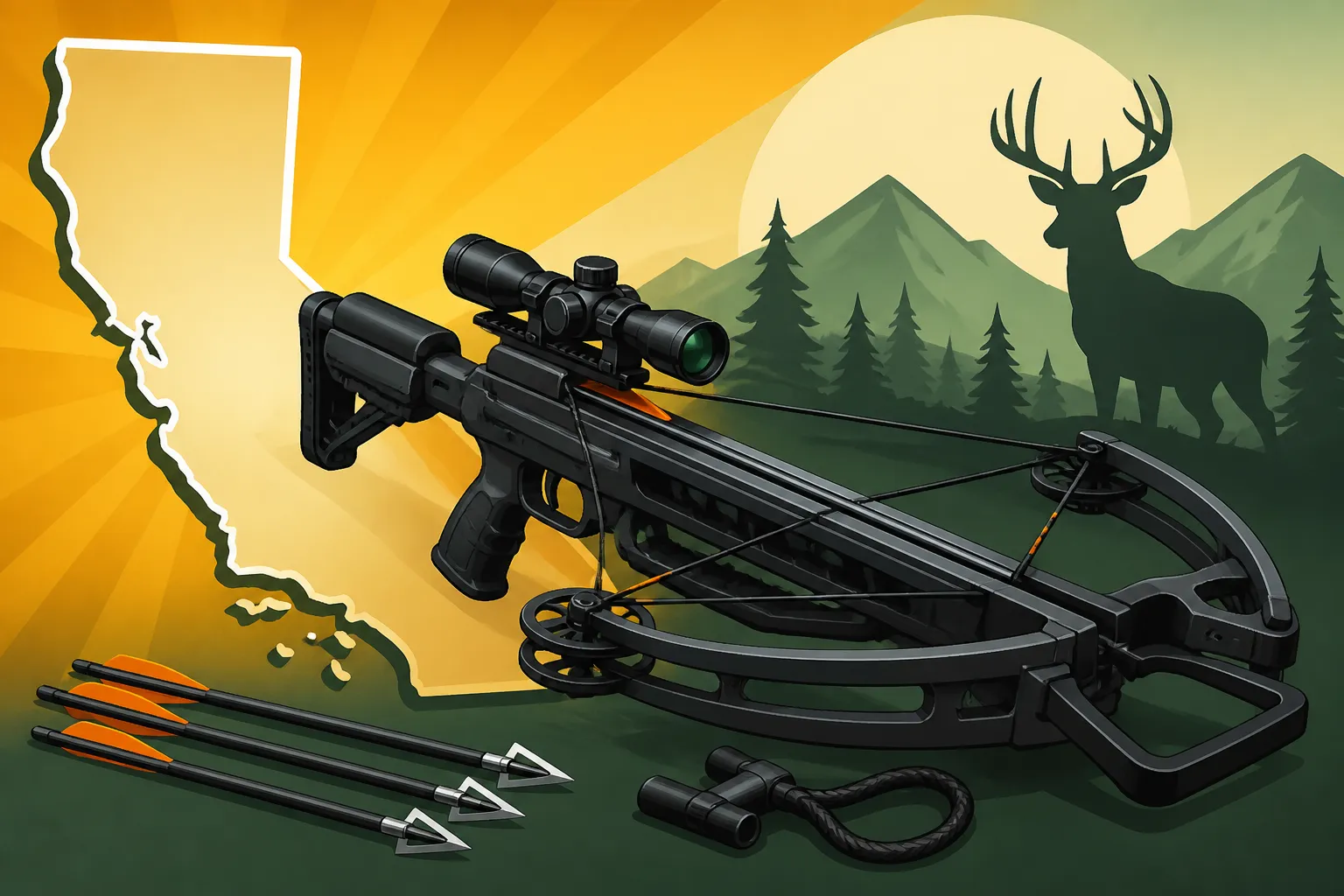
Transporting your crossbow safely and legally is just as important. In California, during transit, a crossbow should ideally be uncocked and stored in a case. This not only protects your investment from bumps and scrapes but also satisfies legal requirements regarding the safe transport of hunting equipment. Imagine traveling down a dusty Forest Service road to your hunting spot; a good case keeps your optics clear and your bow protected from debris. When you're ready to hunt, cocking devices, whether integrated crank systems or rope cockers, are essential tools, making the process much easier and safer than trying to manually cock a high-poundage bow in the field. This level of diligent preparation ensures that when you finally spot that trophy blacktail buck or elusive wild pig, your crossbow system is ready to perform.
Accessories to Enhance Your California Crossbow Hunt
Hunting in California is often an exercise in self-reliance, especially when you're venturing into remote areas of the national forests or vast expanses of BLM land. Having the right accessories for your crossbow isn't about luxury; it's about efficiency, safety, and preparedness. These additions can significantly improve your experience, making you more effective and comfortable, whether you're embarking on a long hike into the backcountry or patiently waiting in a ground blind.
Quivers, Slings, and Cocking Devices
A quiver might seem like a simple accessory, but its design and placement can have a real impact on your hunt. Most crossbows come with a side-mount quiver, which is perfectly functional. However, some hunters prefer detachable quivers that can be removed once they're in their stand or blind, reducing bulk and potential noise. The goal is easy access to your bolts while keeping them protected and secure. You don't want to be fumbling for a follow-up shot or worse, losing a broadhead-tipped bolt in the brush.
A good sling is another non-negotiable item, especially if you anticipate covering significant ground. California's terrain is notoriously rugged, from steep Sierra canyons to brushy coastal hillsides. Carrying a crossbow for hours by hand quickly becomes tiresome. A well-padded, adjustable sling distributes the weight, frees up your hands for glassing or navigating difficult terrain, and generally makes the entire hunting experience more enjoyable. When you're looking for that perfect Entry Routes Through a Sierra Foothill Meadow or traversing a rocky wash on Hunting a California BLM Desert Wash for Deer, a comfortable sling is a lifesaver.
Finally, while modern crossbows often come with integrated cocking aids, a reliable cocking device is paramount. Manual cocking can be incredibly difficult, inconsistent, and even dangerous, especially with higher draw weights. Rope cockers are lightweight and effective, using leverage to make cocking much easier and ensure a consistent, even draw. Crank cocking devices offer the ultimate ease and consistency, often allowing for silent cocking, which can be a huge advantage if you need to reload quickly and quietly. Whichever method you choose, ensure it's reliable and you've practiced using it seamlessly.
Rangefinders and Other Essential Tools
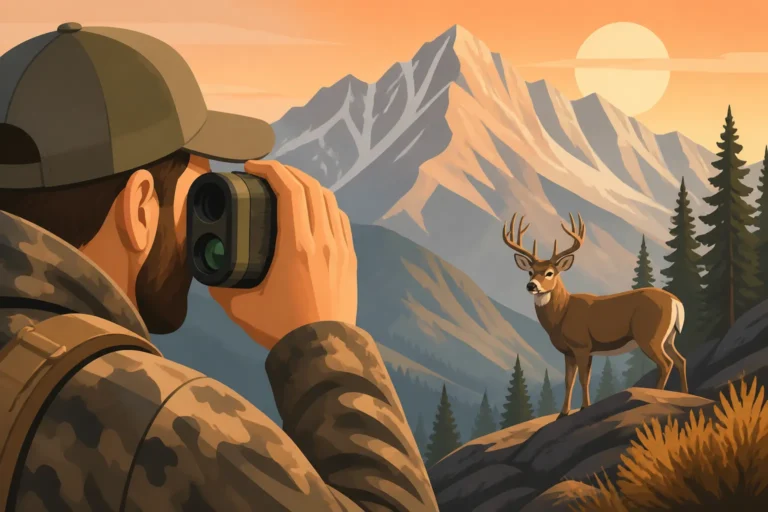
In the world of crossbow hunting, especially where shots can be taken at distances up to 60 yards or more, a reliable rangefinder isn't just a convenience – it's an ethical necessity. Unlike traditional archery where closer ranges are typically mandated, crossbows extend that ethical range, but judging distance accurately is critical for precise shot placement. Even a small miscalculation can mean the difference between a clean kill and a regrettable miss. Modern rangefinders are compact, fast, and often feature angle compensation, which is incredibly useful when shooting from elevated positions or across steep canyons, common scenarios in California's varied topography. Articles like Best Rangefinder for Sierra Canyon Shots dive deeper into this topic.
Beyond the rangefinder, consider other essential tools for your kit. A good quality set of binoculars is invaluable for Glassing a Canyon for a Bedded Buck or identifying game from a distance without drawing attention. A sharp, reliable knife for field dressing is critical, and a small multi-tool can address unexpected repairs in the field. Don't forget a headlamp for early morning hikes or late evening recoveries, along with extra batteries. And in California's often dry conditions, a portable water filter or ample water supply is paramount. These tools aren't just add-ons; they are integral parts of a prepared hunter's arsenal, allowing you to react to situations and maintain your safety and effectiveness. GoHunt also provides tools for e-scouting and identifying water sources or cover on public lands, which can make a huge difference in planning your hunt.
Safety First: Harnesses and Emergency Gear
Hunting, by its very nature, carries inherent risks, and it's our responsibility to mitigate them as much as possible. Safety should always be your absolute top priority, especially when operating a powerful piece of equipment like a crossbow and venturing into California's wild lands.
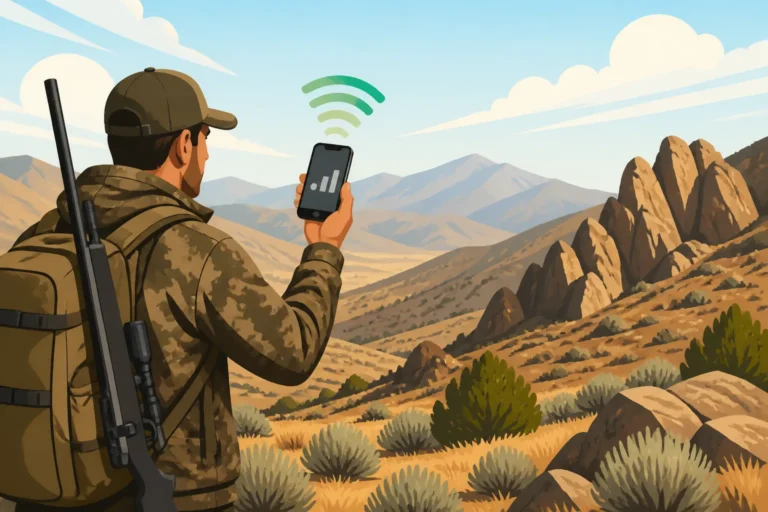
If you plan to hunt from an elevated position, such as a treestand, a full-body safety harness is non-negotiable. Falls from treestands are among the leading causes of serious hunting accidents, and a harness can literally be the difference between life and death. Always wear it from the moment your feet leave the ground until you're back on solid footing. Beyond treestand safety, think about general preparedness. Carrying a comprehensive first aid kit is essential, even for minor scrapes and blisters that can become major problems far from help. For anyone venturing into more remote areas, a satellite communicator or personal locator beacon can be a literal lifesaver, allowing you to call for help even where cell service is non-existent – a common reality in much of California's backcountry. Know how to use it before you need it. Lastly, ensure you've completed California Hunter Education Requirements; it's a foundational step for safe hunting practices. Being prepared for emergencies isn't about being paranoid; it's about being responsible and ensuring you return home safely after your hunt.
Disclaimer
This article is for general informational purposes only and does not constitute professional advice. Laws, prices and regulations vary by location and change over time. Consult a qualified professional for guidance on your specific situation.