Best Camo for Chaparral Cover
It's a familiar feeling, isn't it? You spend good money on "camo," head out into the dense, thorny world of California's chaparral, and still feel like a walking billboard. Trying to disappear into that tangled mix of olive green, sun-baked tan, and jagged shadows can be incredibly frustrating. This guide will help you understand what makes a camouflage pattern truly effective in chaparral country, so you can blend in more seamlessly on your next hunt.
The Challenge of Blending into California's Chaparral
Why Chaparral is a Camo Conundrum
California's chaparral is a beast of an environment, both to hunt in and to blend with. It's a dense, often impenetrable landscape dominated by scrub oak, manzanita, ceanothus, and other hardy shrubs. The foliage is typically thick, interwoven, and can range dramatically in color depending on the season and specific plant species. This isn't your open pine forest or flat agricultural field; it's a visually chaotic environment that demands a nuanced approach to concealment.
Compounding this complexity is the way light behaves in chaparral. The harsh California sun creates incredibly deep, hard shadows right next to brightly lit areas. A buck might be standing in full sun one moment, and take two steps into a gully or under an overhang where it's pitch black. A single camo pattern needs to be versatile enough to handle these extreme contrasts, otherwise, you'll either stick out like a sore thumb in the sun or become a dark, unnatural blob in the shade.
Many hunters feel a deep frustration when their seemingly effective camo fails them in chaparral. It's often because they're focused solely on color matching, not realizing that the true goal is to disrupt the human form in a visually busy, high-contrast environment. Off-the-shelf patterns designed for general woodland might have the right colors, but if they don't break up your outline effectively against the varied textures and light conditions of chaparral, you'll still be easily picked out.
How Deer See the World (and Your Camo)
Understanding how deer, and most other game animals, perceive their surroundings is crucial to selecting effective camouflage. Deer do not see the world in the same rich, full-color spectrum as humans. They are dichromatic, meaning their eyes primarily detect light in the blue and yellow-green parts of the spectrum. They have difficulty distinguishing between reds, oranges, and greens, often seeing them as shades of muted gray or brown. This is why blaze orange is so effective at keeping hunters safe from other hunters (who see it vividly) while remaining relatively inconspicuous to deer.
Given this understanding, perfectly matching the exact shade of green or brown of the chaparral becomes less about the specific hue and more about how that color contrasts with the background. Far more important than precise color is scent control and, above all, movement. Even the most perfectly colored and patterned hunter will be instantly busted if they fidget or make sudden movements. A deer's primary defense mechanisms often rely on detecting motion and unfamiliar shapes.
This is where disruptive patterns shine. They are designed to scramble the tell-tale vertical lines and distinct shapes of a human body, making it harder for a deer to recognize you as a cohesive threat. Instead of seeing a human form, they might perceive disjointed blobs or shadows that don't quite fit their "danger" profile. Small, repetitive patterns, while perhaps aesthetically pleasing, often fail in complex environments like chaparral because they can coalesce into a solid block of color at a distance, making your outline more apparent rather than less.
Essential Camo Features for Effective Chaparral Concealment
Disrupting the Outline: Macro vs. Micro Patterns
Effective camouflage for a visually complex environment like chaparral relies on a smart combination of both macro and micro patterns. Macro patterns are the large, bold shapes and color blocks within your camo that work to break up your human silhouette from a distance. Think of them as the big pieces of a puzzle. If these large elements aren't present or are poorly designed, you'll appear as a solid, unnatural blob to a deer, even at a hundred yards or more.
Conversely, micro patterns are the finer, intricate details within those larger shapes – things like small leaves, twigs, bark textures, or rocky elements. These details are critical for blending in up close, when a deer might be just a few yards away, offering a shot opportunity. If your camo lacks sufficient micro-patterning, it might break up your outline from afar, but become obviously artificial and flat once game gets within spitting distance.
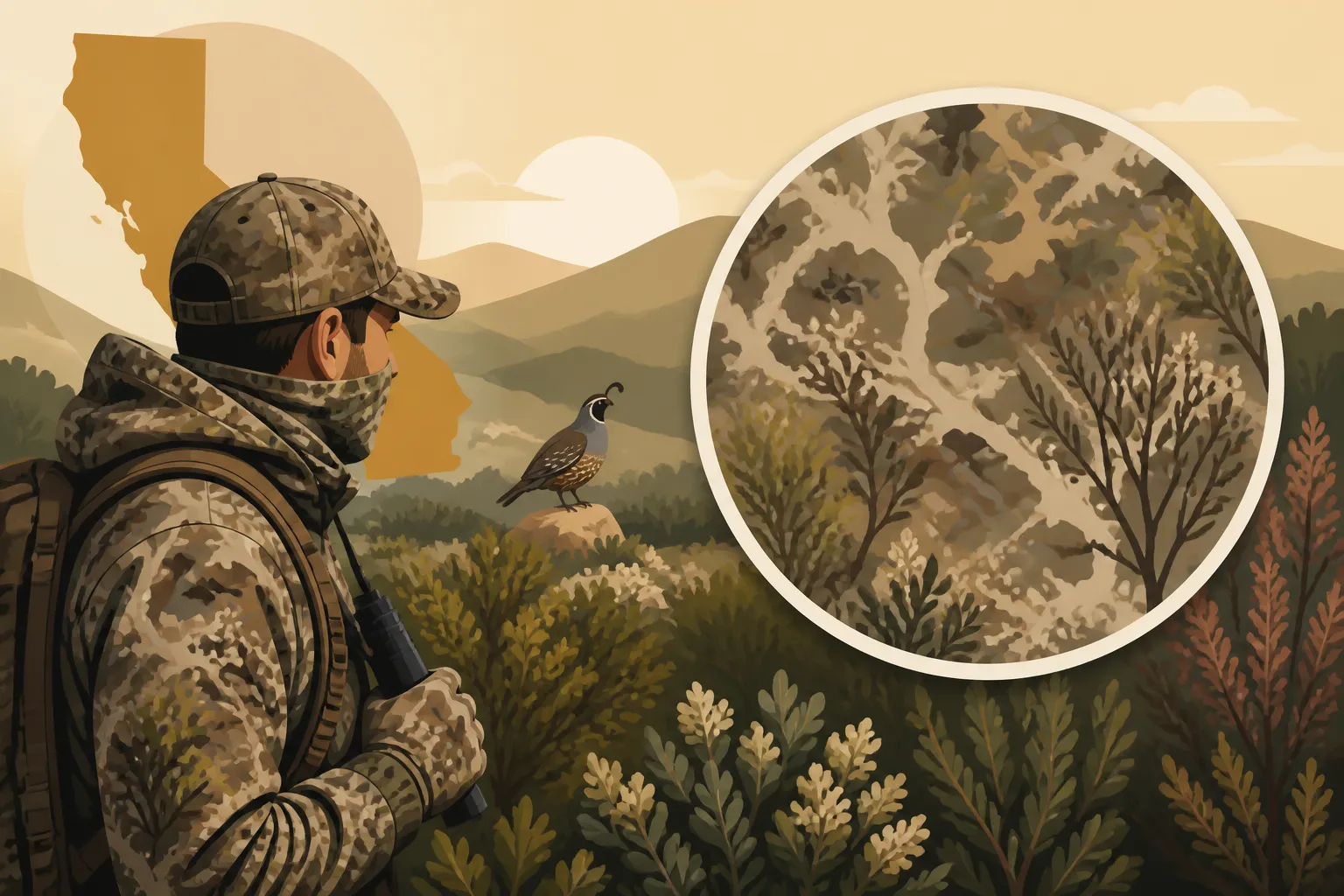
The best chaparral patterns successfully integrate both. They feature large, irregular splotches of various greens, browns, and grays (the macro elements) that themselves are filled with intricate, realistic textures. This creates a layered visual effect, adding depth and allowing the pattern to perform effectively whether you're glassing a distant ridge or slipping through dense brush on a still-hunt. Without this balance, your camo becomes a compromise, excelling at one range but failing at another, which is a gamble you don't want to take in unforgiving terrain.
Color Palettes That Reflect Chaparral's Diverse Hues
The color palette of your camo is incredibly important in chaparral, but it's not just about picking one green. California's chaparral is a mosaic of shifting colors throughout the year and even within a single drainage. In the spring and early summer, it might be a vibrant, almost iridescent green from winter rains. By late summer and fall, much of that green has faded to sun-baked gold, muted tan, or even a reddish-brown as plants go dormant or turn. An effective pattern needs to incorporate a blend of these dominant earth tones, not just a single shade.
Beyond the obvious greens and browns, don't overlook the secondary colors that define chaparral. The gray of granite outcroppings, the dark, almost black shadows cast by dense vegetation, the reddish hue of manzanita bark, or the pale tan of dry, brittle grasses are all part of the visual tapestry. A well-designed pattern will thoughtfully include these colors, even if subtly, to add realism and prevent the overall look from being one-dimensional or artificial. It's about blending into the entirety of the environment, not just one plant.
Furthermore, varying shades within each color family are crucial for creating visual depth. Instead of a single flat green, a good pattern will have several greens, ranging from deep, shadowed olive to bright, sun-drenched lime. This variation helps the pattern adapt to different light conditions, preventing it from looking flat or becoming a dark blob in the shadows. This dynamic color integration allows the camo to truly disappear into the shifting light and diverse textures of the chaparral, especially when you are hunting in areas like Hunting Coastal Range Oak Woodlands where the cover can change dramatically within a few yards.
Selecting Camo for California's Varied Chaparral Seasons
Adapting to the "Green-Up" of Spring and Early Summer
If you're heading out for an early season hunt, like the When Zone A Archery Season Opens or other spring/early summer opportunities, you'll encounter chaparral that's still quite vibrant. Winter rains will have brought out lush, deep greens, and the foliage will often be at its thickest. For these conditions, your camouflage should lean heavily into patterns with richer, more vibrant greens and deeper olive tones. Bright, almost neon greens found in some patterns might work in an open alfalfa field, but they'll look out of place against the muted, darker greens typically found deep within the dense chaparral brush.
The key here is also to incorporate darker greens and even some charcoal grays. These darker shades are essential for mimicking the deep shadows that are so prevalent within thick chaparral. Lighter greens alone will make you stand out where the sunlight struggles to penetrate. Think about how light filters through a dense canopy – there are highlights, mid-tones, and significant areas of shadow. Your camo needs to reflect this complexity.
Finally, consider the moisture. Early season often means more humidity and damp vegetation. Colors tend to appear richer and deeper when wet. A pattern that looks perfectly acceptable in dry conditions might appear too bright or dull when it's damp, creating an artificial sheen that game animals can easily pick out. Test your gear in various conditions if possible, or choose patterns known for their versatility across different moisture levels.
Blending with the "Dry-Down" of Late Summer and Fall
As California's long, dry summer progresses, the chaparral undergoes a dramatic transformation. What was once vibrant green quickly turns to shades of gold, tan, and parched brown. This "dry-down" period defines much of the late summer and fall hunting, particularly for zones that open later, such as Hunting a D-Zone That Opens in August or Hunting a D-Zone That Opens in November. For these seasons, your camo needs to shift away from dominant greens and embrace the colors of a sun-baked landscape.
Focus on patterns that feature muted browns, various tans, and subtle grays. These colors will blend seamlessly with the dead grasses, exposed dry dirt, sun-bleached rocks, and the dormant, straw-colored brush that now dominates the environment. Brighter, greener patterns will look completely out of place against this parched backdrop, creating a stark contrast that will draw attention to your position.
Even during the dry season, you'll still find pockets of green, often in the shade of live oaks, in deeper canyons, or near perennial water sources. The best patterns for late-season chaparral will subtly incorporate these deeper greens, but they will be subdued and effectively blended with the dominant dry tones. The goal isn't to be a solid block of brown, but a nuanced pattern that reflects the mosaic of dry vegetation and the occasional hint of enduring green. This balanced approach ensures you remain concealed whether you're moving through a dry ridge or peering into a shadowed draw.
Beyond the Pattern: Performance Features for Chaparral Hunting
Durability and Comfort for Tough Terrain
California's chaparral is not gentle on gear. The dense, thorny vegetation, sharp rocks, and often abrasive ground can quickly shred flimsy fabrics, leaving you exposed and uncomfortable. When choosing camo for this environment, prioritize durable materials. Look for fabrics like ripstop nylons or tough polyesters that are designed to withstand constant rubbing, snags, and punctures. Investing in well-constructed clothing with reinforced stress points will pay dividends in the long run, preventing premature wear and tear in the field.
Beyond durability, comfort is non-negotiable, especially during long stalks or still-hunting sessions under the California sun. Breathability is paramount in hot climates; you'll be working hard, climbing steep hillsides, and navigating thick brush. Moisture-wicking fabrics are essential for managing sweat, drawing it away from your skin to prevent chafing and keep you dry. This allows you to stay focused on the hunt rather than being distracted by discomfort.
Finally, don't overlook the quietness of the fabric. Rustling pants or a noisy jacket can give away your position long before an animal sees you. Test your camo by moving, bending, and rubbing the fabric against itself or other layers. Choose materials that are soft and quiet, especially if you anticipate close-range encounters in dense cover. Many online resources, including gear reviews often highlighted by GoHunt, provide valuable insights into the noise level and overall performance of different fabrics in real-world hunting scenarios.
Mobility and Layering for Dynamic Conditions
Navigating chaparral often means traversing steep, uneven, and challenging terrain. Your hunting clothing needs to allow for complete freedom of movement without binding or restricting your stride. Look for features like articulated knees, gusseted crotches, and strategically placed stretch panels in garments. These design elements ensure that you can climb, crawl, and maneuver through dense cover without your clothing working against you. Restriction in movement can lead to fatigue, unnecessary noise, and missed opportunities.
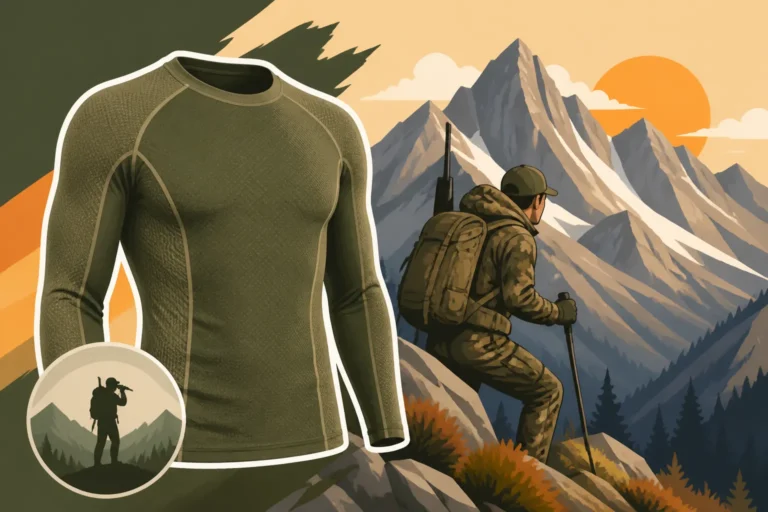
California weather, particularly in the chaparral, can be incredibly dynamic. A crisp, cool predawn morning can quickly give way to scorching midday temperatures, and then drop again as evening approaches. Layering is not just a suggestion; it's a necessity. A good camo system will allow you to add or shed layers seamlessly without compromising your concealment or comfort. Your base layers, insulating mid-layers, and outer shell should all be selected to work together, providing adaptability to changing conditions while maintaining your camouflage integrity.
Practical features in your camo gear can significantly enhance your hunting experience. Deep, quiet pockets for calls, small GPS devices, or snacks are invaluable. Quiet zippers that don't clang or rattle are crucial, as are adjustable cuffs and waistbands that allow for a customized fit and prevent snags. These seemingly minor details contribute significantly to your overall effectiveness and comfort when you're battling dense cover and need quick, silent access to your gear. If you're tackling a remote hunt, such as Hunting California's Sierra Nevada Backcountry, these considerations, along with a well-stocked first aid kit and reliable navigation tools, become absolutely critical.
Top Camo Styles and Considerations for California Chaparral
Patterns Excelling in Dense, Green Brush
When the chaparral is at its most vibrant, typically during spring and early summer hunts, you want camouflage patterns that lean into dense, varied green and olive tones. Look for styles that feature intricate, high-contrast elements mimicking natural organic shapes like leaves, branches, and shadows. These patterns are designed to disrupt the human form at various ranges against the complex and visually noisy backgrounds common in the Western states. Rather than broad, sweeping patterns, effective options for green chaparral often have a more "busy" or "micro" pattern that still incorporates larger disruptive elements to prevent you from appearing as a solid mass.
The most effective patterns for dense, green brush aren't just green; they cleverly integrate a spectrum of greens, from the deep, dark shades found in heavy cover to the lighter, more reflective greens of sunlit foliage. They often blend in subtle hints of muted grays and browns, which naturally occur as older leaves decay or as bark shows through. This prevents the pattern from looking artificial or too uniform against the natural chaos of the brush.
Consider patterns that maintain their disruptive qualities even when wet or shadowed. Some lighter patterns can become saturated and lose their definition, appearing as a dark blob. The best options will have enough internal contrast and texture to remain effective across different lighting and moisture conditions, ensuring you stay hidden whether you're stalking through a dewy morning or sitting in a deep, shaded gully. Checking platforms like GoHunt for their annual gear guides can offer insights into patterns gaining traction with Western hunters for these specific conditions.
Patterns for Drier, More Open Chaparral
As the California landscape inevitably shifts to its parched, late-season state, your camo needs to adapt dramatically. For drier, more open chaparral, you'll want patterns that emphasize muted browns, tans, grays, and even some reddish-browns to match the sun-baked environment. These patterns work by blending with the dominant colors of dead grasses, exposed earth, sun-bleached rocks, and the dormant, straw-like foliage of many chaparral plants. Overly green patterns will stick out like a beacon in this environment.
Look for camo styles that include diverse textures and colors that mimic the broken, irregular appearance of dried brush and rocky terrain. Patterns with a "desert" or "scrubland" influence often perform exceptionally well here, as they're specifically designed to blend into sparse, arid conditions. The goal is to avoid any single dominant color and instead present a varied, broken appearance that disappears into the faded backdrop.
Even in the driest chaparral, you'll encounter pockets of green – perhaps a lone live oak, some riparian vegetation in a deep canyon, or even the subtle green tint of certain dormant shrubs. The most versatile dry-season patterns will still incorporate these greens, but they will be muted, desaturated, and skillfully blended into the dominant dry tones. This ensures that you don't become instantly visible if you move from an open, dry hillside into a slightly greener, shaded draw. This nuanced color blending is especially important when pursuing deer in areas like Glassing a Canyon for a Bedded Buck where the terrain can shift from stark and open to shaded and greener within a short distance.
Here's a quick comparison of camo considerations for different chaparral conditions:
| Condition | Dominant Colors | Pattern Type Focus | Key Features to Look For | Best Use Scenario |
|---|---|---|---|---|
| Early Season (Green) | Deep Green, Olive, Dark Brown | High-Contrast, Varied Foliage | Mix of macro/micro, integrates shadows, subtle grays/browns | Still-hunting in dense, lush brush; ambushing near water in spring |
| Late Season (Dry) | Tan, Muted Brown, Gray, Sage | Blending, Earthy Textures | Desaturated greens, rock/dirt textures, good for open ground | Spot-and-stalk on dry ridges; hunting near exposed rock/deadfall |
| Mixed (Foothills) | Green, Brown, Gray, Reddish-Brown | Versatile, Transitional | Balanced color palette, mimics bark/rock/foliage, good depth | Hunting varied terrain with mixed live/dead brush, rocky outcrops |
Matching Camo to Specific Hunting Scenarios
Your choice of camouflage isn't just about the season or general environment; it should also align with your specific hunting strategy. If you primarily engage in still-hunting through extremely dense brush, where close-range encounters are common, a pattern with fine, intricate micro-details becomes paramount. At spitting distance, a coarser pattern can look artificial, but a dense, photorealistic or highly textured micro-pattern will help you vanish into the immediate foliage.
Conversely, if your primary method involves extensive glassing from elevated positions, trying to locate game across vast canyons or open hillsides, the macro elements of your camo take precedence. Here, the pattern's ability to break up your overall outline against distant backdrops is more important than the minute details. Glassing a Canyon for a Bedded Buck demands that your silhouette doesn't scream "human" from hundreds of yards away.
Remember that a complete concealment strategy extends beyond your clothing. A solid-colored backpack, a brightly reflective scope, or even an exposed face can quickly give away your position. Ensure your gloves, face mask, hat, and any visible gear like rifle slings or bino harnesses are also camouflaged or in muted, non-contrasting colors. Even when setting up a ground blind, especially if you're like me and prefer to really Brushing In a Blind on a Field Edge, your camo needs to blend seamlessly with the natural materials you're using to integrate the blind into the landscape. Every detail contributes to your overall success in disappearing into the challenging, yet rewarding, chaparral.
Disclaimer
This article is for general informational purposes only and does not constitute professional advice. Laws, prices and regulations vary by location and change over time. Consult a qualified professional for guidance on your specific situation.