Best Backpack Frame for Quartered Elk
You’ve done it. You’ve put in the scouting, drawn a coveted tag, endured the physical grind, and finally, your bull is down in some remote, steep canyon of the Sierra Nevada or the high country of the Siskiyous. The elation is immense, but it's quickly followed by a heavy dose of reality: now you have to get hundreds of pounds of meat and bone off the mountain. This isn't just a walk in the park; it's often the hardest part of the hunt, and if you don't have the right gear, it can quickly turn into a nightmare. This guide is all about helping you understand and choose the best backpack frame to carry out quartered elk, ensuring your hard-earned harvest makes it home safely and comfortably.
The Brutal Reality of Packing Out an Elk in California
Let's be honest, hunting elk in California isn't for the faint of heart. Whether you're chasing Roosevelt elk in the dense redwood forests of the North Coast, Tule elk in the tule-choked wetlands and rolling hills of the Central Valley, or Rocky Mountain elk near the Oregon border, the moment you punch your tag, the real work begins. And that work revolves around carrying a substantial amount of weight over unforgiving terrain.
Why a Standard Backpack Won't Cut It
Many hunters start out with a general-purpose hunting pack, maybe even a larger backpacking pack they use for camping. While these packs are great for hauling your personal gear, a sleeping bag, or a few days' worth of food, they simply aren't engineered for the extreme, unbalanced loads presented by a quartered elk. Imagine trying to strap 80-100 pounds of boned-out meat, still warm and potentially dripping, onto a soft-sided pack designed for a 30-pound load of clothing. It quickly becomes a saggy, uncomfortable mess. The stitching rips, the frame (if it even has one) buckles, and the weight distribution is all wrong, pulling you backward or sidelong and putting immense strain on your shoulders and lower back. You'll be cursing every step of the journey, guaranteed. The specialized design of a dedicated pack frame is critical because it manages this weight, distributing it to your hips and allowing you to maintain better posture and balance, which is absolutely vital when navigating steep, uneven trails or pushing through dense brush for miles.
When you're far from any road, deep in the wilderness areas of Hunting California's Sierra Nevada Backcountry or facing the elevation changes of Hunting California's High-Country X-Zones, you need equipment that can literally take the weight off your shoulders. A standard pack lacks the rigid structure, robust load shelf, and industrial-strength compression straps necessary to lash down an awkward, heavy quarter of an elk. Without these features, not only is the pack-out agonizingly painful, but it can also be dangerous, increasing your risk of falls, injuries, or even damaging your meat if it's not securely transported.
The Sheer Volume and Weight of Elk Meat
An adult bull elk can be an enormous animal. While exact weights vary widely by species, age, and time of year, a typical Tule elk bull might dress out at 300-450 pounds, a Roosevelt bull can easily hit 600-700 pounds, and a Rocky Mountain bull often exceeds 800 pounds live weight. When you factor in bone-in quarters, a single hindquarter could be 70-100 pounds, with front quarters, backstraps, tenderloins, neck meat, and the cape and antlers adding even more. Even if you bone out the meat to reduce weight, you're still looking at a minimum of 150-250 pounds of pure protein, often spread across multiple trips.
Consider an early season hunt in California, say in August or September. The temperatures can still be scorching, especially during the day. Keeping that meat cool and clean is paramount to prevent spoilage. A pack frame designed to carry quarters means you can often secure them outside the main pack bag, allowing for better airflow around the game bags and minimizing direct contact with your body heat. This is a subtle but significant advantage over stuffing warm meat into a conventional pack's main compartment. Furthermore, the sheer bulk of four quarters, a cape, and antlers demands a frame with exceptional carrying capacity and a robust load shelf. Without a specialized system, you might be forced to make numerous small trips, increasing your exposure to the elements, reducing the time you have to get the meat cooled, and burning valuable energy. It's a logistical challenge that requires purpose-built gear, especially when every minute counts to preserve your valuable harvest.
Key Features of a High-Performance Elk Pack Frame
When you're looking to invest in a pack frame capable of handling the monumental task of hauling out an elk, you're looking for specialized engineering, not just a big bag. These frames are designed from the ground up to manage immense weight and distribute it efficiently, turning what would be an impossible burden into a manageable, albeit still challenging, endeavor.
Frame Material and Design
The backbone of any good elk pack is, quite literally, its frame. You'll typically find two main designs: external frames and rigid internal frames (often called "hybrid" or "load-hauler" internal frames).
- External Frames: These frames are often visible on the outside of the pack and typically constructed from aluminum tubing. They excel at carrying very heavy, bulky, or awkwardly shaped loads, making them a traditional choice for meat hauling. The weight is held away from your back, which can offer better ventilation, a huge plus during a hot California hunt. The downside can be that they sometimes feel less stable for dynamic movements or scrambling through dense brush compared to a good internal frame.
- Rigid Internal Frames: Modern internal frames for heavy hauling are far from the flexible, lightweight frames of backpacking packs. They often feature robust carbon fiber or aluminum stays (sometimes multiple) that create a stiff, almost plank-like structure against your back. This design keeps the load close to your center of gravity, offering superior stability when traversing steep sidehills or navigating technical terrain. Many high-performance hunting packs utilize this type of frame, where a primary bag can be detached, revealing a load shelf and compression system directly against the frame for meat hauling.
When it comes to materials, carbon fiber is the premium choice. It's incredibly strong, lightweight, and rigid, making for a supremely efficient load-hauler. However, it comes with a higher price tag. Aluminum frames are also very capable, generally more affordable, and can be quite durable. While slightly heavier than carbon fiber, a well-designed aluminum frame can still comfortably handle elk quarters. The key is that the frame, regardless of material, provides a stable, unyielding platform for the load shelf, preventing sag and sway when you're moving with hundreds of pounds on your back.
Suspension System and Adjustability
A pack frame is only as good as its suspension system. This is where the magic happens, transferring the immense weight of an elk quarter from your shoulders to your hips, which are far better equipped to bear heavy loads.
- Torso Length Adjustability: Your pack needs to fit you. A properly adjusted pack will have the shoulder straps originating just above your shoulders, with the hip belt resting firmly over the top of your hip bones. Many quality frames offer ample adjustment for torso length, allowing you to fine-tune the fit. If the frame is too short, the weight will ride on your shoulders; too long, and the hip belt won't engage properly.
- Hip Belt: This is your primary load-bearing component. It should be wide, thickly padded, and rigid enough to not buckle under heavy weight. Look for hip belts that are contoured to hug your hips and offer robust buckles and compression straps for a secure fit. Some high-end hip belts even have removable lumbar pads for custom shaping.
- Shoulder Straps: While the hip belt carries most of the weight, the shoulder straps still play a crucial role. They should be well-padded, wide enough to distribute pressure without digging in, and ergonomically shaped to avoid chafing.
- Load Lifters: These small straps connect the top of the shoulder straps to the top of the frame. When tightened, they pull the top of the pack closer to your body, reducing backward lean and shifting the load slightly forward and upward. This simple adjustment can make a world of difference in comfort and balance, especially on those long, grueling hikes out.
- Sternum Strap: This strap connects across your chest between the shoulder straps, preventing them from slipping outward and helping stabilize the load.
A quality pack will allow for micro-adjustments in all these areas, ensuring a custom fit that can adapt to different loads and body movements. Trying on packs with simulated weight and making these adjustments is critical; a poorly fitting frame, no matter how robust, will be a miserable experience and can lead to injuries, especially when Packing Meat Out of a Steep Canyon.
Load Shelf and Compression Capabilities
These two features are absolutely non-negotiable for an elk pack frame. They are what truly differentiate a meat hauler from a backpacking pack.
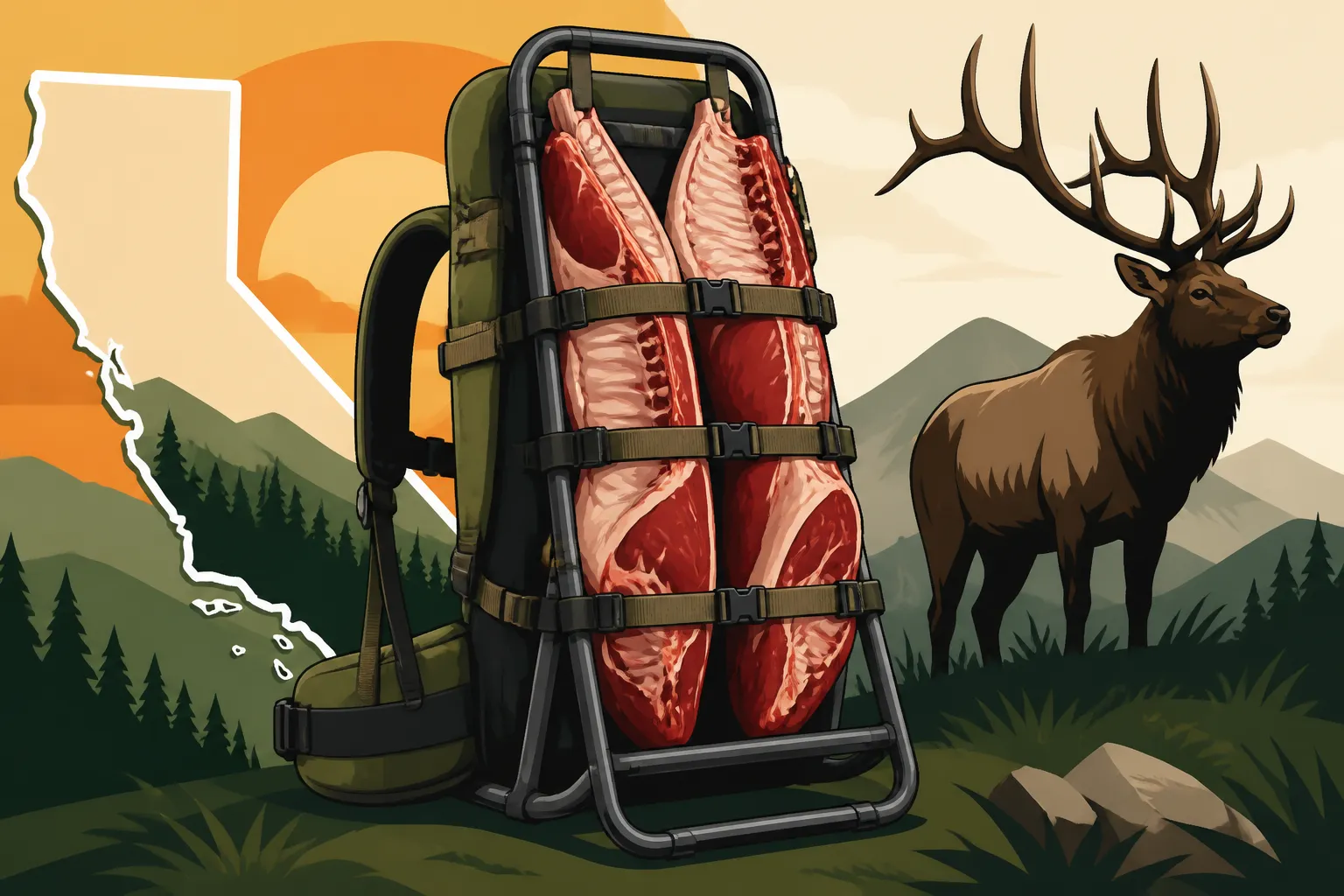
- Load Shelf: This is a sturdy platform, often integrated into the bottom of the frame or as a detachable component, that allows you to secure large, heavy, and often unwieldy items (like elk quarters, or even boned-out meat in heavy-duty game bags) directly against the frame and close to your back. The load shelf effectively creates a "sandwich" where your quarters are pressed between the frame and the main pack bag (if you're using one), or simply lashed directly to the bare frame. This keeps the heaviest part of the load from sagging or swinging, ensuring that the weight is transferred efficiently to your hips. Without a robust load shelf, the bottom of your pack bag would bear the brunt of the weight, quickly leading to failure or extreme discomfort.
- Compression Straps: A high-performance elk pack frame will feature an abundance of heavy-duty compression straps. These aren't just for cinching down a sleeping bag; they are designed to tightly secure hundreds of pounds of meat, antlers, or other gear to the frame, preventing any movement or shifting during your hike. Look for wide, durable straps with robust buckles that can withstand immense tension. Multiple points of compression – side, top, and often a "cross-over" or "X-strap" system – ensure that the load is locked down tight. Any shifting of weight, even a few inches, can throw you off balance, especially when traversing uneven ground or moving through thick timber, making the pack-out exponentially harder.
Many frames are designed as modular systems, where a bare frame and load shelf can be used independently for meat hauling, and then a dedicated pack bag can be attached to the frame for your personal gear once the meat is secured. This versatility is a hallmark of truly effective elk pack frames.
| Feature | Aluminum Frame | Carbon Fiber Frame |
|---|---|---|
| Weight | Moderate to Heavy | Very Light |
| Rigidity | High | Extremely High |
| Durability | Excellent, can be bent but often repairable | Excellent, extremely strong but can crack under impact |
| Cost | Mid-range | Premium/High |
| Vibration Dampening | Good | Good, but can feel stiffer with heavy loads |
| Typical Use | Reliable workhorse for heavy, regular use | High-performance, ultralight for serious backcountry |
Choosing the Right Pack Frame for Your California Elk Hunt
With the variety of elk species and hunting terrains in California, from the coastal redwoods to the high desert mountains, your choice of pack frame should be as tailored as your hunting strategy. There's no one-size-fits-all, but there's definitely a right fit for you.
Considering Your Hunt Style and Terrain
Are you planning quick, intense day hunts where you might be packing out an animal from a mile or two in, or are you embarking on multi-day backcountry epics where you're carrying a camp along with the expectation of meat?
For short, aggressive day hunts, where you might be Hunting a Ridge-Top Saddle at First Light and then needing to pack out quickly, you might prioritize a lighter, more streamlined frame that still offers exceptional load-hauling capability. You might not need a massive expedition bag, but the bare frame and load shelf must be top-notch.
If your style is more geared towards extended trips into the true wilderness, like those found in the Trinity Alps or vast sections of the Los Padres National Forest, then you'll need a frame system that can accommodate a larger primary pack bag for all your gear, food, and shelter, in addition to its meat-hauling prowess. The ability to remove the main bag and securely lash meat directly to the frame, then reattach the bag on top of the meat, is a huge advantage for multi-day excursions. The terrain also dictates a lot. Steep, jagged Sierra peaks demand a frame that offers maximum stability and doesn't allow for any sway, potentially causing a loss of footing. For flatter, but still challenging, environments like the Tule elk strongholds, a robust frame is still necessary, but perhaps extreme articulation isn't as critical as sheer capacity. When you're dealing with the challenges of Wind and Thermals in Steep Sierra Country, you don't want your pack fighting against you, throwing your balance off kilter.
Finally, consider your support system. Are you hunting solo and planning to pack out an entire elk by yourself, potentially over multiple trips? Or do you have a partner who will share the load? Solo hunters often need a pack frame that can handle more weight per trip, or at least be comfortable enough for repeated journeys, emphasizing ultimate comfort and durability. Outfitters or websites like GoHunt can often help you sort through options by specific hunt type.
Balancing Weight, Durability, and Cost
This is often the classic hunting gear conundrum. The lightest gear usually comes with the highest price tag, and sometimes, a slight compromise on durability, although modern carbon fiber frames are incredibly tough.
- Weight: Every ounce counts, especially when you're adding hundreds of pounds of meat. A lighter pack frame means more energy for the actual hauling. However, don't sacrifice critical durability for minimal weight savings if it means the frame might fail under load or become uncomfortable.
- Durability: An elk pack frame is an investment, and it will be subjected to immense stress. Look for heavy-duty stitching, robust buckles, reinforced stress points, and quality materials that can withstand being dragged, dropped, and pushed against jagged rocks. A frame failure deep in the backcountry can be catastrophic. Think about the abuse it will take when you're Dragging a Deer Out of a Steep Canyon – an elk is much, much heavier.
- Cost: Quality pack frames are not cheap. Expect to invest a significant amount. However, view it as a long-term investment in your hunting success and personal safety. The cost of a good pack pales in comparison to losing an elk due to inadequate gear or incurring a serious injury. Sometimes, spending a bit more upfront saves you headaches and heartache down the line. Remember, it's not just about getting the animal; it's about getting it home, and a reliable pack frame is essential for that final, crucial stage.
Many hunters find themselves in a situation where they need a pack that performs flawlessly under extreme conditions. While GoHunt might offer a wide array of options and user reviews, always cross-reference with manufacturer specifications and consider how the pack will truly stand up to the specific demands of a California elk hunt.
Testing and Fitting Before the Hunt
Never, ever take a new pack frame on a serious hunt without thoroughly testing it first. This is a common mistake that can turn a triumphant pack-out into pure misery.
- Simulate Heavy Loads: Don't just try it on empty. Load the pack frame with 75-100+ pounds of weight. Sandbags, sacks of dog food, or even dumbbells wrapped in old clothes work great. Take it for a long hike – not just around the living room, but on varied terrain similar to what you'll encounter on your hunt. Go up hills, down hills, over uneven ground. Pay attention to how the pack feels, where pressure points develop, and if anything rubs uncomfortably.
- Professional Fitting: If possible, visit a specialty outdoor gear store that has experienced staff trained in pack fitting. They can help adjust the frame to your specific torso length, hip circumference, and shoulder width, optimizing the load lifters and hip belt placement. Even if you've been fitted before, re-evaluate after you've been training for the season, as your body shape might change.
- Adjustments and Fine-Tuning: As you hike with a heavy load, you'll likely need to make micro-adjustments to the shoulder straps, hip belt, and load lifters. Experiment with different settings. The goal is to get the majority of the weight squarely on your hips, with the shoulder straps primarily stabilizing the load rather than bearing its full weight. A perfectly fitted pack will feel like an extension of your body, distributing the load efficiently and minimizing fatigue. This preparation is paramount for ensuring you can effectively tackle the challenges of Recovering a Deer From a Steep Canyon, let alone a full-sized elk. Taking the time to dial in your pack's fit will pay dividends in comfort and endurance when it truly matters.
Maximizing Your Pack-Out Efficiency
Having the best pack frame in the world is only half the battle. Knowing how to efficiently quarter your elk and properly load that heavy frame will make all the difference in getting your meat off the mountain. This is where experience and preparation really shine.
Field Quartering and Meat Care
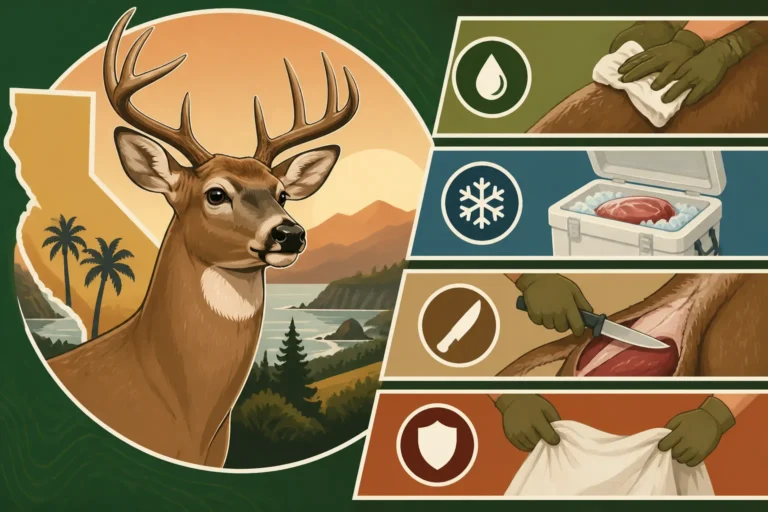
Before you even think about loading your pack, you need to ensure the meat is properly cared for. This step is critical, especially when hunting in California's often warmer conditions or during extended seasons that might lead into colder weather, such as Hunting into a Late-November Zone Close.
- Proper Field Dressing: Get the guts out quickly to allow the carcass to cool. This is always the absolute first step. Roll the animal if possible to keep the clean side up.
- Quartering Techniques: There are various methods, but the goal is to break the animal down into manageable, transportable sections. For elk, many hunters opt for the "gutless method," which involves skinning and quartering without opening the body cavity. This keeps the meat cleaner and avoids gut pile contamination. Separate each leg at the joint, get the backstraps, tenderloins (if you open the cavity), and any other edible meat. For large bulls, you might even break the quarters into smaller, more manageable pieces, especially if you're boning out. A good Best Bone Saw for Elk Quartering can make a huge difference here, allowing for cleaner cuts and easier separation.
- Game Bags: Do not skimp on quality game bags. These are essential for keeping your meat clean, protecting it from flies and dirt, and allowing it to breathe and cool. Use breathable, sturdy cloth bags (synthetic or natural fiber) for each quarter and for miscellaneous meat. Avoid plastic bags at all costs, as they trap heat and promote bacterial growth. Having a few high-quality Best Game Bags for Field Care in August Heat is a non-negotiable item for any California elk hunt.
- Boning Out: To significantly reduce weight, consider boning out the meat from the quarters. This eliminates the heavy bone but requires careful butchering to ensure all edible meat is removed and the cuts are clean. This is often a game-time decision based on distance to the truck, weather, and available help. While it saves weight, it adds time to the field processing.
- Cooling the Meat: After quartering and bagging, try to get the meat cooled as quickly as possible. Hang it in the shade, prop it open for airflow, or even lay it on cold rocks if available. In warmer weather, this is your primary concern to prevent spoilage. Having a large, well-insulated Best Cooler for Packing Out Meat in Hot Weather waiting at the trailhead is crucial.
Loading and Balancing the Pack
Once your meat is ready, the way you load your pack frame is critical for comfort and safety. A poorly loaded pack can feel twice as heavy and throw you off balance.
- Weight Distribution: The heaviest items should be placed as close to your back as possible, and generally in the middle to upper part of the pack frame. This keeps the center of gravity high and close to your body, promoting better balance. For elk quarters, this often means lashing them directly to the load shelf and frame, with your primary pack bag either on top of them or attached over them.
- Secure the Load: Use all those robust compression straps to cinch everything down tightly. There should be no wiggle, no shifting, no play in the load. Any movement within the pack will constantly pull at you, requiring extra energy to counteract and increasing your risk of losing balance.
- Balance the Sides: Try to distribute the weight evenly from side to side. If one side is significantly heavier, the pack will pull you off-center, leading to muscle strain and fatigue. This is particularly important when packing two quarters or an entire boned-out animal.
- Antlers: If you're packing antlers, they often get lashed to the outside of the pack, typically vertically along one side or horizontally across the top, depending on their size and your preference. Ensure they are secured incredibly tightly and don't catch on overhead branches.
- Practice Loading: Just like fitting, practice loading your pack frame with your simulated heavy weights. Walk around, bend over, simulate climbing. Get a feel for how the pack behaves. Adjust your loading strategy until you find what works best for your body and your frame. A properly loaded and balanced Best Pack for a Multi-Day Elk Hunt will make an enormous difference in your endurance and mental state during those grueling miles out of the backcountry. This thoughtful approach will help you navigate treacherous terrain with greater ease, even through the most challenging conditions.
Disclaimer
This article is for general informational purposes only and does not constitute professional advice. Laws, prices and regulations vary by location and change over time. Consult a qualified professional for guidance on your specific situation.