When Zone A Archery Season Opens
For many California archers, the start of Zone A's deer season isn't just another date on the calendar—it’s the moment years of anticipation, practice, and scouting culminate. Figuring out the exact opener amidst California's sometimes-confusing regulations can be a headache, but understanding this critical window is your first step to a successful blacktail hunt. This comprehensive guide will break down precisely when you can draw back your bowstring in Zone A, what to expect, and how to prepare for this challenging yet rewarding early season.
Pinpointing the Start of California's Zone A Archery Season
If you're an archery hunter in California, you know the waiting game can be brutal. But when that Zone A archery opener finally rolls around, it feels like all the hard work leading up to it is worth it. Understanding the precise dates is paramount, and it's something you absolutely need to confirm every single year with the official CDFW regulations. Don't rely on last year's memory; regulations can shift.
The Official Opening Dates for Archery Deer in Zone A
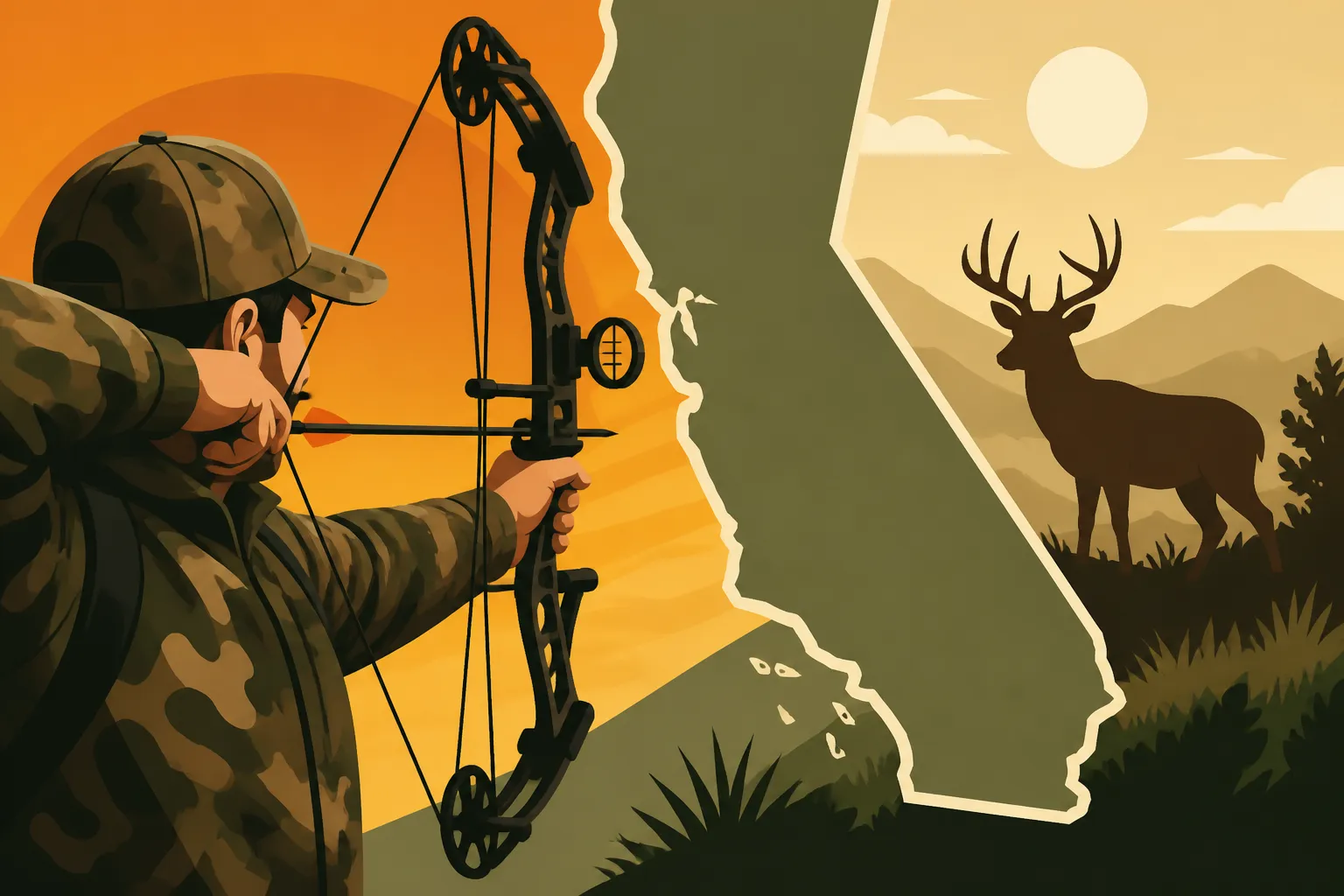
Historically, California’s Zone A Archery Deer Season kicks off on the second Saturday in August. This date typically means you’re looking at a mid-August start, running for a specific, usually short, window before the general rifle season opens in the same zone. For instance, in a recent year, it might open on August 12th and run for about three weeks, closing just before the general season begins. This timing is critical because it's a dedicated archery-only period, meaning fewer hunters in the field and a unique opportunity to pursue blacktail deer with traditional methods.
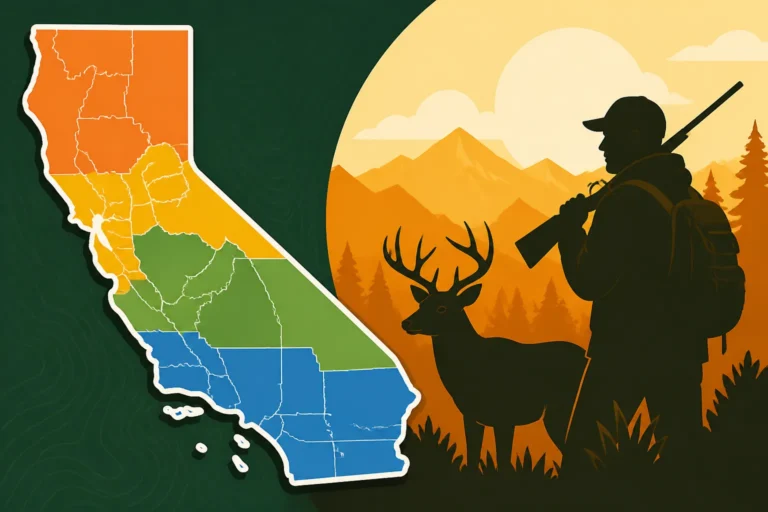
It's tempting to think all deer seasons across the state are uniform, but California's diverse geography and deer populations lead to a complex, multi-zone system. Zone A is distinct, covering a vast area of the state, primarily in the coastal and inner coastal ranges and parts of the Sierra foothills. You can find detailed maps and specific dates in the official CDFW Big Game Hunting Regulations. Always, always cross-reference with the latest regulations or use reliable hunting platforms like GoHunt that integrate official data to ensure you have the most up-to-date information. Missing the opener or hunting outside the legal dates can lead to severe penalties, so precision here isn't just good practice—it's mandatory.
What Makes Zone A Unique for Early Blacktail Hunts
Zone A is a powerhouse for Columbia blacktail deer, and its early August archery opener presents a distinct set of challenges and opportunities. Unlike later seasons when deer patterns might be more established or weather more forgiving, the August opener means contending with significant heat, dry conditions, and often less predictable deer movement.
The geography of Zone A encompasses a range of habitats, from dense oak woodlands and chaparral in the coastal foothills to mixed conifer forests at slightly higher elevations. This means your hunting strategies need to be highly adaptable. You might be still-hunting deep into thick cover or sitting patiently near a critical water source. Understanding the nuances of Columbia Blacktail and Mule Deer in California is crucial, as blacktails are known for their preference for dense cover and often smaller home ranges compared to their mule deer cousins found further east. The early season also means bucks are often still in their summer patterns, focusing on feeding and staying cool, often moving very little during daylight hours. This demands stealth, patience, and a deep understanding of how deer use the landscape to beat the heat and find sustenance.
Let's quickly outline the typical Zone A Archery Season structure:
| Season Type | Typical Start Date | Typical End Date | Primary Species | Key Considerations |
|---|---|---|---|---|
| Archery-Only | Second Saturday in Aug | Early September | Columbia Blacktail | Hot weather, dense cover |
| General Season | Second Saturday in Sep | Mid-October | Columbia Blacktail | More hunters, cooler temps |
Remember, these are typical dates. Your responsibility as a hunter is to verify them each year.
Essential Preparations for a Successful Zone A Archery Hunt
The early archery opener in Zone A isn't for the faint of heart. It demands a significant amount of preparation, both physically and mentally. Rushing into the season without proper planning is a recipe for frustration, or worse, an unsuccessful and potentially unsafe hunt. Trust me, I’ve learned this the hard way more times than I care to admit.
Navigating California's Hunting License and Tag System
Before you even think about setting foot in the woods, you've got to ensure your paperwork is in order. California has a robust licensing and tag system, and it’s non-negotiable. First, you'll need a valid California hunting license. If you're new to hunting or haven't hunted in California before, you'll also need to meet the California Hunter Education Requirements. After that, for deer, you'll need to purchase a deer tag specific to Zone A. Unlike some of the premium X-zones, Zone A tags are generally over-the-counter (OTC) or available with decent draw odds, but it's still vital to secure yours well in advance of the season opener.
The process typically involves purchasing your base license and then adding the deer tag through the CDFW's online ALDS system, a licensed agent, or at a CDFW office. Keep an eye on the California Big Game Drawing Application Window if you're ever considering other zones, but for Zone A, it's usually a simpler process to acquire the tag directly. Always carry proof of your license and tag while hunting, whether it's the physical copy or an electronic version on your phone, as long as it's accessible and valid. Don't let a technicality derail your hunt before it even starts.
Pre-Season Scouting Strategies for Hot Weather Blacktails
Scouting is where your hunt truly begins, and for Zone A's early archery season, it's absolutely critical. Deer behavior in August is heavily influenced by heat and water availability. Unlike a crisp fall day, deer will be seeking shade and water sources diligently. This means your scouting efforts should focus heavily on these factors. Look for springs, seeps, creek bottoms, and even stock ponds that might not be obvious on a map. These areas become magnets when temperatures soar. Tools like GoHunt's mapping overlays, showing public land boundaries, water sources, and topography, can be incredibly helpful for identifying potential hotspots from your couch before you even hit the dirt.
When you're out there, pay close attention to fresh tracks, droppings, and browse lines near water or in dense, shaded bedding areas. Bucks will often establish predictable patterns between bedding and feeding, usually at first light and last light, so pinpointing these corridors is key. If you're not seeing much activity during the day, remember they're likely moving at night to avoid the heat. Trail cameras, strategically placed near water or game trails leading to bedding, can offer invaluable insights into their nocturnal movements without disturbing them. You can learn a lot from Scouting California Public Land Before Season, even in the off-season. This early season, deer might still be fairly concentrated, offering a unique opportunity if you can pinpoint their summer hideouts.
Gear, Regulations, and Ethical Considerations for Archers
Hunting with a bow and arrow is a primitive and deeply satisfying pursuit, but it comes with its own set of rules and gear considerations, especially in a state like California. Being prepared means more than just having a sharp broadhead; it means understanding the specific legal framework and equipping yourself for the unique conditions of Zone A.
Understanding California's Archery-Specific Rules and Broadhead Requirements
California has specific regulations governing archery equipment to ensure ethical and humane harvesting of game. For deer, you must use a bow with a minimum draw weight, and arrows must be equipped with broadheads that meet certain criteria. While specific draw weights can vary, generally, a minimum of 30-40 pounds is common for deer, and your arrow must have a broadhead with at least two cutting edges and a minimum cutting width (often 7/8 inch). Expanding or mechanical broadheads are generally legal as long as they meet the minimum cutting width when open. However, always double-check the latest regulations on Broadheads and Arrows for California Archery Season to ensure your setup is compliant.
It’s crucial to understand that while California has a strict non-lead ammunition requirement for firearms statewide, this mandate does not apply to archery equipment. Your arrows can still use components with lead, though many archers choose lead-free options for personal preference or environmental reasons. The key is to ensure your broadheads are razor-sharp and your bow is precisely tuned for consistent arrow flight. This not only ensures accuracy but also maximizes penetration for a quick, humane kill. Practice, practice, practice with your hunting broadheads before season to confirm their flight characteristics are identical to your field points.
Adapting Your Gear for Zone A's August Conditions
August in Zone A can be scorching, with daytime temperatures often soaring into the 90s or even triple digits in some areas. This heat is your biggest adversary, second only to the wily blacktail. Your clothing system needs to be built for breathability and moisture-wicking. Think lightweight, synthetic layers that pull sweat away from your body, even for cooler mornings. Often, you'll start in the dark with a jacket and shed it quickly as the sun climbs. Dressing in layers, as described in Layering for Hot-to-Cold Zone A Archery Days, is crucial. Forget the heavy camo; focus on light-colored earth tones or open-country patterns that blend with dry summer foliage.
Footwear is another critical component. You'll be covering miles over varied terrain – steep, rocky hillsides, dry creek beds, and thick brush. Choose comfortable, supportive boots with good ankle support that are well-broken in. Water is life out there; plan to carry significantly more than you think you’ll need, especially if you're doing a day hunt. A water filter can be a lifesaver for multi-day trips. Hydration packs are excellent for hands-free access to water. Consider a quality game bag and a sturdy pack frame designed for hauling meat. When you do harvest an animal in the heat, time is of the essence, and you'll want the right gear to get that meat cooled and out of the field quickly. A reliable mapping app like GoHunt can also assist in planning routes that offer shade or water access, both critical for hunter and game.
Strategies for Locating and Harvesting Zone A Blacktails
With your license in hand, bow tuned, and gear ready, it's time to talk strategy. The early Zone A archery season demands a different approach than cooler, later hunts. Blacktail deer are notoriously cagey, and the August heat adds another layer of complexity.
Tactics for Hunting Early Season Deer in Oak Woodlands
Much of Zone A is characterized by vast expanses of oak woodlands, especially in the coastal and inner coastal ranges. These habitats offer abundant food and cover for blacktails. In August, deer will be focused on whatever early mast crops are available, like nascent acorns, or specific types of browse that are still palatable despite the dry conditions. Water, however, remains king. Identify pinch points, saddles, or benches that connect bedding areas (often on north-facing slopes for shade) with feeding and watering sites. Learning to effectively hunt Hunting Coastal Range Oak Woodlands is an art, demanding patience and a keen eye for subtle deer sign.
During the heat of the day, blacktails will be bedded down in the thickest, shadiest cover they can find. This is where still-hunting extremely slowly, one careful step at a time, can pay off, but it requires immense stealth. More often, a successful early archery strategy involves sitting on a promising ambush point near water or a heavily used travel corridor, especially during the first and last hours of daylight. Consider using a ground blind or brushing in natural cover to break up your silhouette. Remember, deer might not be moving far, so you need to be in their bedroom or kitchen, or at least along the short path between them.
Interpreting Deer Movement and Rut Activity in August
While the peak rut for blacktail deer in California typically occurs later in the fall, generally October through early November, the August archery season can offer glimpses of pre-rut activity, particularly towards the end of the archery window. Bucks are usually still in their bachelor groups and haven't fully dispersed to seek does. However, testosterone levels are rising, and you might start seeing some early rubs or even minor sparring. Understanding When the California Rut Peaks by Zone helps put the early season behavior into context.
Deer movement will be highly concentrated during the cooler periods of the day: dawn and dusk. Mid-day movement, if it occurs, will almost certainly be short trips to water or to shift bedding locations to maximize shade. Hunters need to adapt by being in their spots before first light and staying until well after last light. Pay attention to wind and thermals, especially in hilly terrain. Warm air rises as the sun heats the ground, and cool air sinks as it cools. Your scent can betray you, so position yourself to have the prevailing air currents working in your favor, ideally carrying your scent away from where you expect deer to approach.
Post-Harvest Care and Reporting Your Zone A Deer
Successfully taking a deer with archery gear is a fantastic accomplishment, but the work isn't over. In August, prompt and thorough post-harvest care is absolutely critical to preserve the meat. The ambient heat can spoil venison quickly. Once your deer is down, prioritize getting to it immediately. Field Dressing a Deer in Hot Weather means getting the guts out as fast as possible to allow the carcass to begin cooling. This reduces bacteria growth and heat retention.
After field dressing, get the deer out of the sun and into the coolest possible location. If you’re not far from your vehicle, quartering the deer and placing the meat in breathable game bags (never plastic!) in a cooler packed with ice is the ideal scenario. Even if it's a short drag, every minute counts. Once you're home, continue cooling the meat and begin processing or transport it to a reputable wild game butcher. Finally, don't forget your legal obligation to report your deer harvest. California requires all deer tags to be reported through the Automated License Data System (ALDS), which can be done easily online or via the CDFW app. Make sure you understand Registering a California Deer Online and adhere to the deadline, typically 30 days after harvest or by January 31st if you don't harvest a deer. Proper reporting helps CDFW manage deer populations for future generations, ensuring these hunting opportunities remain available.
Disclaimer
Please note that hunting regulations, season dates, and tag requirements in California are subject to change. Always consult the official California Department of Fish and Wildlife (CDFW) regulations or website for the most current and accurate information before planning any hunting trip. This article is intended for informational purposes only and should not be considered a substitute for official legal guidance.