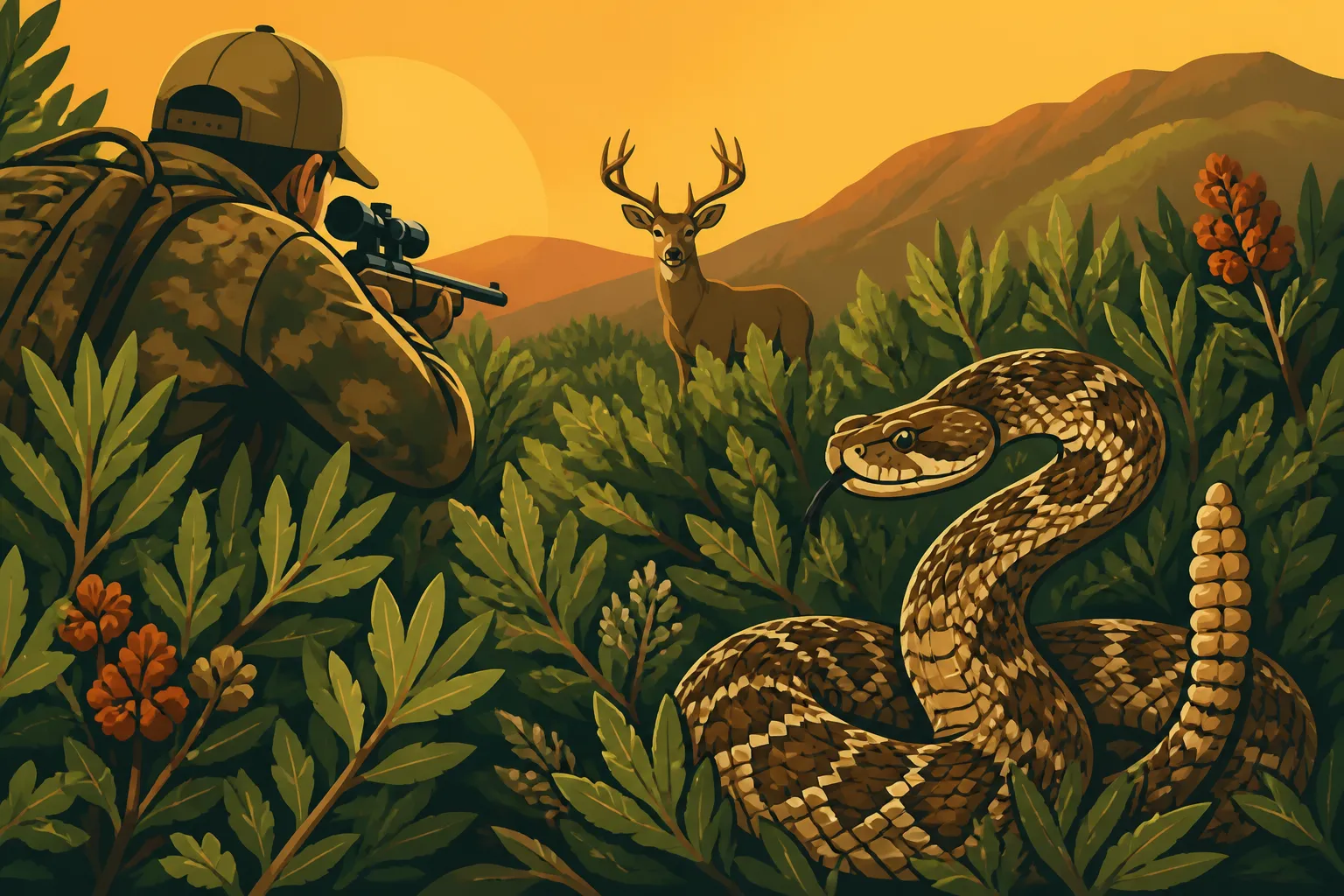
Rattling Volume in Thick Chaparral
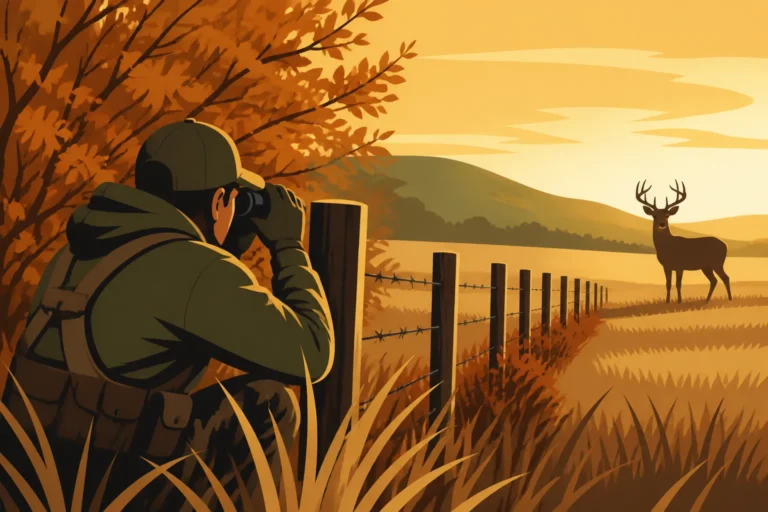
Anyone who's spent time chasing blacktail deer in California knows the sheer frustration of trying to get a buck's attention when he's buried deep in a gnarly chaparral thicket. It feels like you're yelling into a pillow, doesn't it? This guide is all about cutting through that impenetrable brush, specifically focusing on how to adjust your rattling volume to effectively pull those cagey California bucks out of their dense cover and into your shooting lane.
Understanding Chaparral and Blacktail Behavior
Hunting in California often means navigating some of the densest vegetation imaginable. It’s a completely different ballgame than the open country many hunters are used to, and understanding this unique environment is key to rattling effectively.
The Dense Reality of California Chaparral
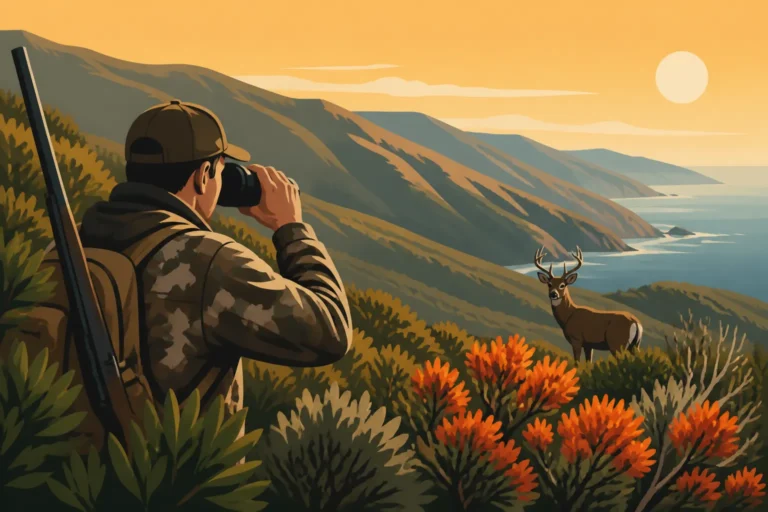
When we talk about chaparral, we're not just talking about a few bushes. We're talking about a near-impenetrable wall of manzanita, ceanothus, scrub oak, chamise, and various thorny shrubs that can swallow a grown man whole. It’s thick, it’s noisy to move through, and it provides incredible cover for deer. Imagine trying to see more than 10 yards, let alone 50, in some of these areas. This density drastically affects how sound travels and how deer react to it. A "loud" rattle in open timber might be barely a whisper in a dense chaparral draw. The sound gets absorbed, deflected, and muted almost immediately.
This reality means that your rattling strategy can't be a one-size-fits-all approach. You can't just clang antlers together with all your might and expect results. The sheer volume of material between you and the deer means you need to be very intentional about the intensity and frequency of your rattling sequences. It’s a common mistake to assume that if you can’t hear yourself well, the deer won’t either, leading to over-rattling. But the deer are often much closer than you think, especially in areas where they feel secure.
Blacktail's Instincts in Thick Cover
California blacktail deer are absolute masters of living in this dense environment. They are inherently shyer and more reclusive than their mule deer cousins, often relying on cover for security rather than open country for escape. When a blacktail hears rattling in chaparral, their first instinct isn't always to charge in. Instead, they often circle downwind, trying to get a scent, or they might just ease in cautiously, using every bit of available cover. This wariness is compounded by hunting pressure; a buck that's been rattled at before, or has seen hunters in his lifetime, will be even more hesitant.
Understanding these instincts means recognizing that your rattling isn't just about imitating a fight; it's about conveying a story that makes the buck curious enough, or aggressive enough, to investigate. The story you tell with your antlers needs to feel real and immediate within the confines of the chaparral. A buck that is bedded down, or moving quietly through thick cover, might be easily spooked by an overly aggressive, out-of-place ruckus. Their world is often one of subtle cues and careful movement.
Mastering Rattling Volume for Close Encounters
The key to successful rattling in thick chaparral isn't just about making noise; it's about controlling that noise with precision. You want to make enough sound to penetrate the cover but not so much that you scream "human" or "fake" to a wary buck.
The Nuances of Soft Rattling
When you’re hunting thick chaparral, particularly areas where deer might be bedded or moving through slowly, soft rattling is often your secret weapon. Think about two bucks gently sparring, establishing dominance without a full-blown brawl. This might involve light tickling of the tines, subtle grinding of the bases, and a few soft clicks. You're not trying to shatter the silence; you're trying to interrupt it just enough to pique a buck's interest. The goal is to make it sound like a natural, everyday occurrence within the deer's immediate vicinity.
This soft approach is especially effective when you're hunting areas that you suspect hold deer, like a bedding area or a funnel they might use, as discussed in Hunting a Funnel Between Two Oak Ridges. If you suspect a buck is within 75-100 yards, a soft sequence can often draw him in quietly. He might just stand up, take a few steps, and try to pinpoint the source of the sound. This is where patience is crucial. After a soft sequence, wait five to ten minutes, scanning constantly. A blacktail won't usually come charging in. Instead, he might appear like a ghost, slowly picking his way through the brush.
When to Amp Up the Intensity and When Not To
There are times when you need a bit more volume, but it's a fine line. If you're in a slightly more open patch of chaparral, or if the wind is really pushing your scent and sound, a moderately aggressive sequence might be needed to carry the sound further. This means more forceful clashing of the antlers, simulating a more serious but not desperate fight. This can be effective if you're trying to reach a buck that might be 150-200 yards away, beyond the immediate range of a soft rattle. However, even with more intensity, remember that chaparral will mute a lot of the sound. You're not aiming for a "full-throttle" fight sound you might use in open Midwest timber.
When not to amp up the intensity? Almost always if you're close to a bedding area or if you’ve already spooked a deer in the vicinity. An overly loud, sudden rattle can send a wary buck bounding away, convinced it’s a threat. Also, avoid aggressive rattling on windy days if the deer are likely downwind. The wind will carry your human scent right to them, and a loud, aggressive call paired with human scent is a sure way to blow a hunt. Pay close attention to Wind and Thermals in Steep Sierra Country as this applies to all forms of calling. Knowing when to back off on the volume is just as important as knowing when to increase it. If you're unsure, always err on the side of caution and go softer.
Strategic Rattling Techniques in Thick Cover
Rattling effectively in chaparral isn't just about the sound itself, but how you integrate it into a broader strategy that considers the deer's senses and the terrain.
Integrating Grunts and Bleats with Rattling
Rattling antlers alone can be powerful, but combining them with vocalizations can make your setup even more convincing. A common and highly effective strategy is to weave in grunts and bleats with your rattling sequences. Start with a rattling sequence – soft, medium, or aggressive depending on the situation – and then, immediately after, throw in a few deep buck grunts. This simulates a buck fighting and then grunting in frustration or to establish dominance. The grunts act as a "closer," often pulling in bucks that might be hesitant to commit to just rattling. For more on this, check out Rattling and Grunting California Blacktail Bucks.
Doe bleats can also be incredibly effective. A single, soft doe bleat immediately after a rattling sequence can simulate a doe witnessing the fight or trying to break it up. This can sometimes appeal to a buck's more amorous side, especially during the pre-rut or rut phases, making him curious about the "prize" that might be involved in the ruckus. Remember, consistency and realism are key. Don't rattle for a minute straight, then immediately launch into a flurry of grunts and bleats. Mimic natural deer behavior – a burst of action, then silence, then perhaps a grunt or two. This pause and listen approach is often overlooked.
Positioning for Success and Escape Routes
Your position is paramount when rattling in thick cover. You need to pick a spot that offers a good view (as good as it gets in chaparral), conceals you well, and, most importantly, provides a clear shooting lane or two. Often, this means finding a small opening, a game trail intersection, or a subtle rise that allows you to see a bit further. Don't rattle from the densest part of the brush; find an edge or a natural clearing where a deer might step out. You also need to consider your wind direction above all else. Blacktail will almost always try to approach downwind, so position yourself so they have to cross a shooting lane before getting your scent.
Think about your escape route too. Not your escape route, but the buck’s. A deer coming to rattling will be on high alert. If he senses danger or sees something unnatural, he's gone. Make sure your rattling sequences end well before a deer would get downwind of you. If you know a buck is working his way in, as seen on your GoHunt app, stop rattling and get ready. Allow him to make the mistake of coming into range, not you making the mistake of spooking him with too much noise at the wrong time. If possible, hunt areas where you can see a natural travel corridor, like a subtle saddle or a cleared path, to increase your odds. For more on reading the terrain, consider information on Hunting a Ridge-Top Saddle at First Light.
Gear and Practice for Effective Rattling
Having the right tools and knowing how to use them are non-negotiables for successful rattling, especially when dealing with the unique challenges of chaparral.
Choosing the Right Rattling Antlers
Not all rattling antlers are created equal, especially for the nuanced art of calling in thick brush. While real antlers provide the most authentic sound, they can be bulky and noisy to carry through dense chaparral. Synthetic rattling bags or compact antlers like the Black Rack or Rattle Box offer a great compromise. They are quieter to transport and can still produce a realistic range of sounds. The key is to find a set that allows you to control the volume and intensity. You want to be able to produce soft ticks and grinds, as well as more aggressive clashes, all without sounding like you’re trying to chop down a tree.
For chaparral, I often recommend a smaller, lighter set of real antlers or a quality synthetic set that can be manipulated quietly. The heavy, big-racked antlers that make a tremendous racket in open country might be overkill and even detrimental in thick cover. You’re often trying to imitate smaller, younger bucks sparring, or at most, two mid-sized bucks. The biggest bucks are often more hesitant to come to a fight, preferring to let the smaller guys sort it out while they watch from a distance. The GoHunt app can sometimes show you historical harvest data for your chosen zone, giving you an idea of typical antler size and therefore what sounds might be most realistic.
Practicing Your Rattling Sequence
Just like any other hunting skill, rattling takes practice. Don't wait until opening morning to try your hand at it. Practice in your backyard, in a local park (be mindful of noise ordinances!), or even in your garage. Experiment with different sequences, varying the intensity and duration. Listen to recordings of real deer fighting to get a feel for the rhythm and natural pauses. Practice combining your rattling with grunts and bleats. The more natural and fluid your sequence sounds, the more believable it will be to a wary blacktail.
A typical sequence might look like this:
- Start Soft: Gently tickle tines for 15-20 seconds. Mimic light sparring.
- Pause: Wait 30 seconds to a minute. Listen intently.
- Moderate Clash: Clash antlers together a bit harder, then grind for 10-15 seconds.
- Grunts: Immediately follow with 2-3 buck grunts.
- Long Pause: Wait 3-5 minutes, scanning the area constantly. Deer often come in silent.
- Repeat (if nothing appears): If after 10-15 minutes nothing has shown up, you can try a more aggressive sequence, but always consider the wind and your location.
| Rattling Scenario | Ideal Volume | Sequence Example | Target Range (Approx.) | Blacktail Response Expectation |
|---|---|---|---|---|
| Thick Bedding | Very Soft/Subtle | Light ticks, soft rubs, occasional grunt. | 0-75 yards | Cautious approach, standing up, slow movement, circling downwind. |
| Transition Areas | Medium/Moderate | Gentle clashes, grinding, 2-3 grunts. | 75-150 yards | Curiosity, pausing, might move to investigate from cover. |
| Open Edges | Moderate/Aggressive | Forceful clashes, longer grinding, multiple grunts. | 150-250 yards | More aggressive approach possible, but still cautious. |
| High Wind | Moderate/Aggressive | Increase intensity slightly to carry sound, focus on grunts. | Varies | Reduced effectiveness, focus on downwind approach. |
This practice will build your confidence and help you adapt your rattling to the ever-changing conditions of the California chaparral. While you're practicing your calling techniques, also consider getting your gear dialed in. Think about what's involved in Choosing Non-Lead Rifle Ammunition in California for your rifle, or the right broadheads if you're an archer, as detailed in Broadhead Choices for California Blacktail.
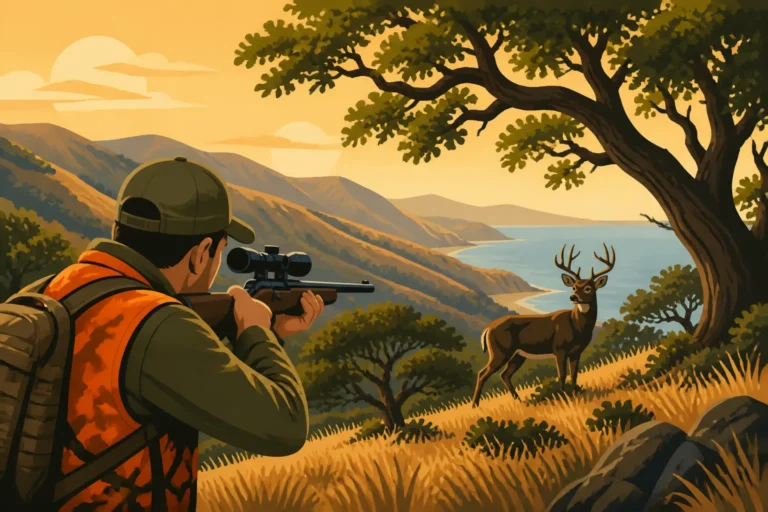
Always be ready for a shot after your rattling sequence, as a buck might appear silently and quickly. Knowing Where California Blacktail Bucks Bed can help you anticipate where to set up for optimal rattling success. Keep an eye on your wind, stay concealed, and be patient. The chaparral might be thick, but with the right rattling volume, you can still pull those elusive blacktail bucks into range. Don't forget that scouting beforehand, as covered in topics like Scouting California Public Land Before Season, will always give you an advantage, no matter what calling method you employ. Also, understand the California Zone A Season Dates or other relevant zone dates to plan your hunts appropriately.
Disclaimer
Hunting is an inherently dangerous activity. This guide provides information for educational purposes only and does not endorse illegal activities. Always follow all local, state, and federal hunting regulations, obtain necessary licenses and tags, and prioritize safety. Be aware of your surroundings, know your target, and wear appropriate safety gear, including blaze orange where required.