Hunting Rocky Mountain Elk Near the Oregon Line
You drew one of California’s rarest tags, a Rocky Mountain elk hunt in the far northeast, and now the doubts set in. The herds are small, the country is huge, the animals wander back and forth across the Oregon line, and you may never get this chance again. This guide covers how to plan, scout and hunt Rocky Mountain elk in that lonely corner of California.
Understanding Rocky Mountain Elk in Northeast California
Most people picture California elk as tule elk in the Central Valley or Roosevelt elk in the redwoods. The Rocky Mountain elk of the northeast are a different story. They live in a high, dry, sparsely populated part of the state that feels more like eastern Oregon or northern Nevada than anything a coastal Californian would recognize.
Where the Herds Actually Live
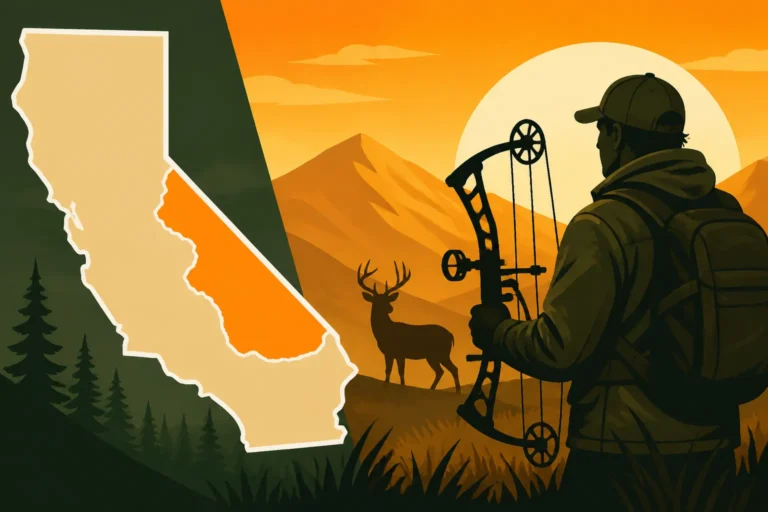
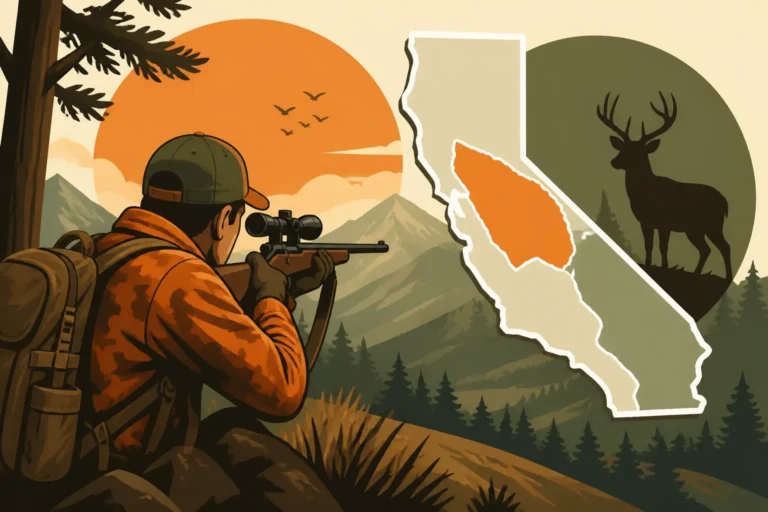
Rocky Mountain elk in California are concentrated in the northeastern counties, especially Modoc, the eastern side of Siskiyou, and parts of Lassen. The landscape is a mix of juniper and sagebrush flats, lava rimrock, ponderosa and lodgepole pine forest, aspen pockets, wet meadows and reservoirs. Big pieces of the Modoc National Forest and the eastern districts of the Klamath National Forest fall inside this range, along with BLM ground and a lot of private ranch land.
The Warner Mountains east of Alturas, the timbered country around the Devils Garden, and the Medicine Lake Highlands are all names you will hear when people talk about northeastern elk. These are not dense populations in the way a Colorado hunter might expect. Herds are small and scattered, and individual groups can cover a lot of ground between seasons. For background on how many animals are out there and how the numbers have changed, read Rocky Mountain Elk Population Near Oregon.
Because of that low density, elk here behave a little differently from elk in places with heavy populations. They may use a huge home range, they often spend time on private ground where they are left alone, and a herd that was in one basin last week can be ten miles away this week. The hunter who succeeds is usually the one who covers country efficiently, glasses a lot, and keeps an open mind.
Why the Oregon Line Matters
The state line is not a fence. Elk in the far north of California move back and forth into Oregon, following feed, water, weather and pressure. That has two big effects on your hunt.
First, a herd you scouted in August might spend part of your season north of the line. Your California tag is only valid in California, so an elk standing a few hundred yards into Oregon is simply off limits. You cannot follow a wounded animal across the line and keep hunting it under your California tag either, so make sure your shot opportunities are well inside the state. If you are hunting near the border, carry a reliable GPS with the state line clearly marked.
Second, hunting pressure on the Oregon side can push elk south, and pressure on your side can push them north. Pay attention to what is happening in the neighborhood. If Oregon seasons are open nearby, elk may filter into quieter California country, and the reverse can happen once your own season gets busy.
How Tags Are Allocated
There is no over-the-counter Rocky Mountain elk tag in California. Tags come through the Big Game Drawing, and the number available each year is tiny compared with the number of applicants. Most hunters will apply for many years before they draw, and plenty never do. The mechanics are explained in Applying for a Rocky Mountain Elk Tag Near Oregon, and the brutal math behind the drawing is laid out in California Rocky Mountain Elk Draw Odds.
If you are a nonresident, your path is even narrower. California is famously restrictive about elk tags for nonresidents, so check the current rules before you build a plan around an application.
Once you draw, treat it like the hunt of a lifetime, because for many hunters it is. Clear your calendar, start scouting early, and give yourself the full season if you can.
| Planning Item | What It Involves | Why It Matters Near the Oregon Line |
|---|---|---|
| Tag | Big Game Drawing only | Few tags, long odds, little room for error |
| Land status | National forest, BLM and large private ranches | Elk often favor private ground during pressure |
| State line | Elk move both directions | Your tag stops at the border |
| Terrain | Juniper flats, rimrock, pine and aspen | Glassing and covering ground both matter |
| Weather | Cold nights, early storms possible | Camp and clothing must handle real cold |
Scouting Rocky Mountain Elk Before the Season
With so few animals spread across so much country, scouting is not optional. It is the hunt before the hunt, and it is where most of the success in the northeast is decided.
Digital Scouting From Home
Start with a mapping app and spend serious time on land ownership. The northeast is a patchwork of public and private ground, and elk often know exactly where the private boundaries are. Layer national forest, BLM and private parcels together, then mark the public pieces that hold water, meadows and timber cover close together. Tools like GoHunt combine land ownership with hunt unit boundaries and research data, which helps you narrow a huge area down to a handful of places worth checking.
Look for water first. In this dry country, springs, stock ponds, reservoirs and wet meadows are magnets in late summer and early fall. Then look for security cover close to that water: north-facing timbered slopes, aspen pockets and rough rimrock country where elk can bed without being bothered. A place where water, feed and cover sit within a mile of each other is a good candidate.
Roads matter too. Much of this country has a network of forest and ranch roads, and elk tend to move away from the busiest ones during the season. Mark areas that are at least a mile or more from the nearest drivable road. If you want more on how distance from a road changes elk and deer behavior, our article How Far to Walk From a Forest Road covers the idea in depth.
Boots-on-the-Ground Scouting
Plan at least one long scouting trip in summer and another in the weeks before your hunt. Elk behavior in July is not elk behavior in September, but early trips teach you the country, the roads and the access points.
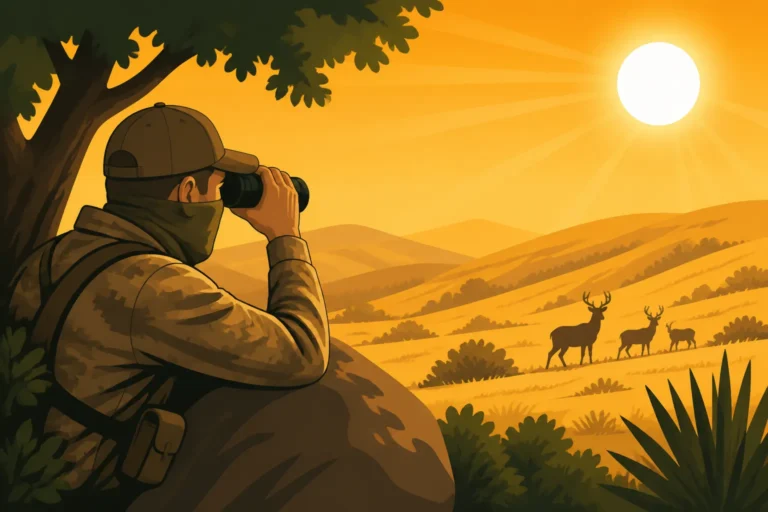
On the ground, look for tracks in soft mud around water, rubs on small pines and junipers as bulls start to shed velvet, wallows in wet meadow edges, and droppings that tell you how recently elk used an area. Glass meadows and openings at first and last light. In this big, open country, a good pair of binoculars on a tripod can show you elk two or three miles away.
Talk to people. Ranchers, forest service staff, and the folks at the gas station or diner in towns like Alturas and Tulelake often know where elk have been seen. Be respectful, do not expect anyone to give away a secret spot, and remember that a friendly conversation can lead to permission to cross private ground.
Planning for the Oregon Side Movement
Because elk move across the line, think about where the herds are likely to be during your specific season. If your scouting shows a herd using country right on the border, look for the routes they use to move north and south, and figure out where you can intercept them while they are clearly in California.
If the herd you scouted is gone when the season opens, do not panic. Check nearby water and cover, look for fresh tracks heading somewhere, and be ready to move to your backup areas. Having three or four scouted areas instead of one is the single best insurance you can buy for this hunt.
Hunting Tactics for Northeastern Elk
Once the season opens, the approach depends on the timing of your hunt, the weather, and the behavior of the elk you find.
Glassing and Covering Ground
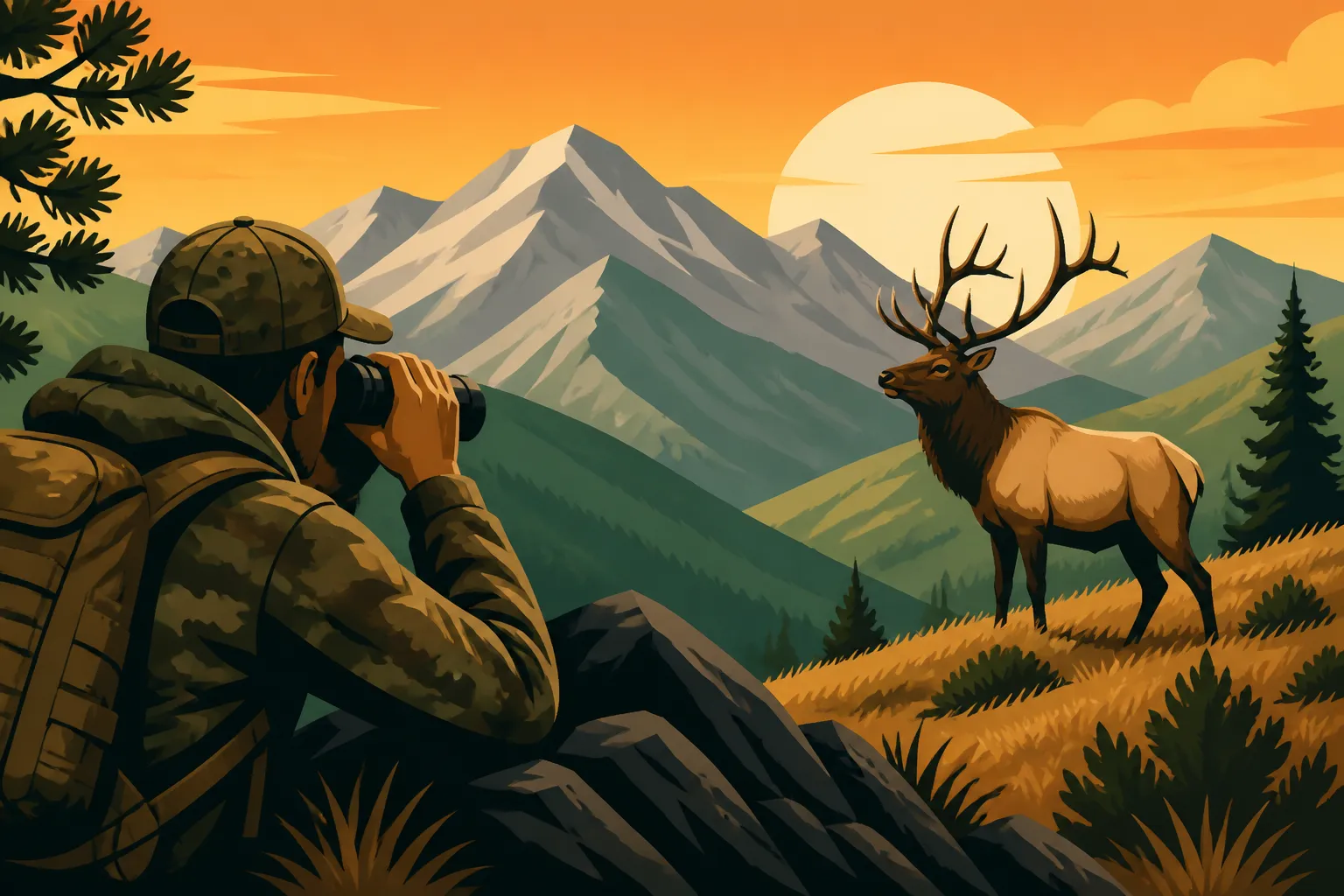
In the open juniper and sage country, glassing is your main weapon. Get to a high point before first light, settle in, and glass meadows, timber edges and open slopes until the elk bed. Then glass again in the evening. When you find elk, take time to plan your approach with the wind and the terrain.
In timbered country, especially in the Warner Mountains and other forested areas, glassing is less effective and you will need to cover ground on foot. Move slowly along ridges and through timber, stop often to listen, and check wallows and water sources for fresh sign.
Be ready to cover a lot of country. Many successful hunters in the northeast drive forest roads at dawn to reach different glassing points, then walk long distances once they locate elk. Having a truck that can handle rough roads and plenty of fuel and water is part of the plan.
Calling During the Rut
If your hunt overlaps with the rut, calling can be extremely effective. Bulls bugle to announce themselves and gather cows, and a well-placed bugle or cow call can bring a bull into range. The general approach is covered in Calling a Bull Elk in September.
In low-density populations, bulls may have fewer cows and less competition, which can make them more responsive to calling in some situations and more cautious in others. Start with soft cow calls, listen for responses, and escalate only if needed. Do not overcall. Pressured bulls in public land often learn to go silent.
Locate bulls at dawn and dusk by listening for bugles, then move in quietly with the wind in your favor. Set up with a caller behind the shooter if you are hunting with a partner, so the bull’s attention is focused behind you when he comes in.
Dealing With Pressure and Private Land
Elk in the northeast learn quickly. When hunting pressure increases, they often move onto private ranches or into the roughest, most remote country they can find. Watch for patterns where elk feed on public meadows at night and move to private ground at dawn.
If you can gain permission to hunt private land, it can make a huge difference. Approach landowners well before the season, be respectful, and offer something in return, such as help with chores or a share of the meat. Our guide Knocking on Doors in California Ranch Country offers practical tips for asking permission.
On public land, hunt the edges of private ground carefully and always know exactly where the boundary is. Use mapping tools to confirm your location, and never cross a boundary without permission.
| Situation | Best Approach | What to Watch For |
|---|---|---|
| Open juniper and sage | Glass from high points at dawn and dusk | Elk bedding in rimrock and timber edges |
| Timbered mountains | Still-hunt and check wallows and water | Fresh tracks, rubs and droppings |
| Rut activity | Locate bugles, then call softly | Bulls going silent under pressure |
| Heavy pressure | Move to remote country or seek permission | Elk shifting to private ground |
| Elk near the border | Intercept while clearly in California | Your tag does not apply in Oregon |
Gear, Shooting and Getting Your Elk Out
A Rocky Mountain elk is a big animal, and the northeast is a long way from processors, cold storage and help. Planning for the after-the-shot work is part of a successful hunt.
Rifles, Calibers and Non-Lead Bullets
California requires non-lead ammunition for all hunting, so plan on a copper or other non-lead bullet designed for elk. Choose a cartridge with enough energy for a large animal, and practice with the exact load you will hunt with. Popular choices include the .30-06, .300 Winchester Magnum, 7mm magnums and similar cartridges. See Choosing a Caliber for California Elk for a deeper discussion.
Shots in open country can be long, so practice at realistic distances from field positions. Know your limits and pass on shots that are beyond your ability. In timbered country, shots are often closer, but you may need to shoot quickly through small openings.
Camp and Clothing for the High Desert
The northeast can be hot during the day and freezing at night, sometimes in the same week. Pack layers, a warm sleeping bag, and gear that can handle wind, rain and snow. Early fall storms are not unusual at higher elevations.
Water can be scarce in the open country, so carry plenty and know where you can refill. Many camps in the area are primitive, with no services, so plan to be self-sufficient. Cell service is spotty in much of this country, so a satellite communicator is a smart investment.
Field Care and Packing Out
An elk produces a lot of meat, and getting it out of the field is serious work. Bring a good pack frame, game bags, a sharp knife and a saw. Quartering an elk and packing it out can take a full day or more, even with help. Our gear article Best Pack for a Multi-Day Elk Hunt covers what to look for in a pack built for meat hauling.
Cool the meat as quickly as possible. In warm weather, get the quarters into shade and away from the ground, and get them to cold storage quickly. Many hunters bring large coolers and ice, or arrange cold storage ahead of time in a nearby town.
Plan your trip home as well. The drive from the far northeast to the population centers of California is long, and keeping the meat cold along the way requires planning. Some hunters process the elk themselves at camp, while others use a processor in a nearby town or closer to home.
Recording What You Learned
Whether you fill your tag or not, take detailed notes about where you found elk, how they moved, and what the weather did. If you are lucky enough to draw again someday, or if you are helping a friend who draws, that information is valuable. Services like GoHunt let you save waypoints and notes in one place, but a simple notebook works too.
Finally, remember to report your elk hunt as required by your tag. Reporting helps the state manage these small herds, and it is part of the responsibility that comes with holding one of California’s most coveted tags.
Disclaimer
This article is for general informational purposes only and does not constitute professional advice. Laws, prices and regulations vary by location and change over time. Consult a qualified professional for guidance on your specific situation.