Bowfishing California Rivers in the Off-Season
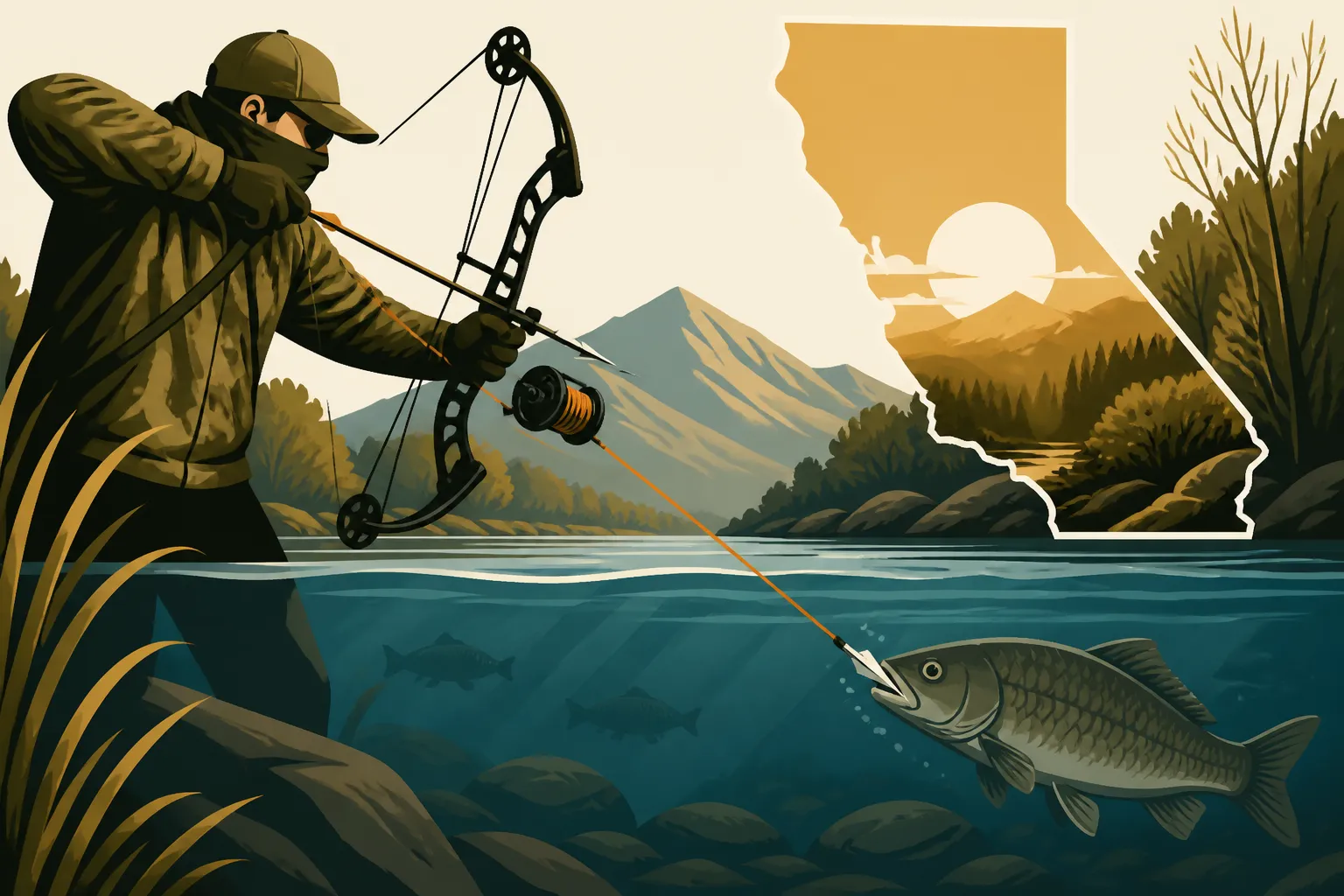
When the general hunting seasons close and the woods fall silent, many of us feel that familiar ache for outdoor adventure. That feeling of cabin fever can really set in, especially through the warmer months when big game tags are a distant dream. But what if I told you there’s an exhilarating, action-packed pursuit that thrives in California’s rivers during what most consider the "off-season"? This guide dives deep into the world of bowfishing California rivers, offering a unique way to ethically harvest invasive species and keep your archery skills sharp year-round.
Understanding California's Bowfishing Regulations for Rivers
Stepping into the world of bowfishing means understanding a different set of rules than what you might be used to with traditional rod-and-reel fishing or typical hunting seasons. It’s a hybrid sport, combining the challenge of archery with the pursuit of aquatic targets, and California has specific regulations designed to manage it. You can't just grab your deer bow and start shooting any fish you see. It’s crucial to know what you’re allowed to target, where, and with what equipment to ensure you’re always hunting legally and ethically.
Legal Species and Seasons for River Bowfishing
One of the most exciting aspects of bowfishing in California rivers is that many of the prime targets are invasive or non-native species, which means you're often doing the ecosystem a favor while having a blast. The main species on most bowfisher's hit lists are common carp, striped bass (in certain areas), hardhead, and pikeminnow. Common carp, in particular, are abundant in many of California's river systems, especially in the Central Valley, and they don't have a closed season or bag limit for bowfishing. This makes them a perfect target for year-round action.
These species are often considered detrimental to native fish populations and habitats, making their removal a conservation positive. For instance, common carp are notorious for rooting up vegetation on river bottoms, muddying the water, and destroying spawning beds for native species. Striped bass, while a popular sport fish for rod-and-reel anglers, are also non-native to California and can prey heavily on native salmon and steelhead smolts in the Delta and lower river systems. Always double-check the latest California Department of Fish and Wildlife (CDFW) regulations, but generally, these are fair game with archery gear. You'll find these fish thrive in the warmer, slower stretches of many rivers, especially in areas like the lower Sacramento River, the San Joaquin River, and the intricate waterways of the Sacramento-San Joaquin River Delta. These areas often warm up quickly in spring and stay productive through fall, offering consistent action during the deer and bird hunting off-season.
Licensing, Permits, and Archery Equipment Rules
Before you even think about stringing an arrow, you'll need the proper paperwork. For bowfishing in California, you'll generally need a valid California fishing license. This isn't a hunting license, but a fishing license that covers the take of fish by any legal means, including archery equipment. You can find detailed information on California Hunting Licenses and What They Cost and California Resident License Options if you're looking to combine activities, but for bowfishing specifically, a fishing license is paramount. Always carry proof of your license while afield, whether it's the physical copy or on your phone through the CDFW app.
When it comes to your archery gear, California has specific requirements to ensure fair chase and safety. Unlike hunting big game, there typically isn't a minimum draw weight for bowfishing bows, which means it's accessible to archers of varying strength levels. However, the arrows themselves are critical. Bowfishing arrows are typically solid fiberglass, much heavier and more durable than those used for deer or elk. They must have a barb or some other means of retaining the fish once shot, and crucially, they must have a line securely attached to the arrow and connected to your bowfishing reel. This line is how you retrieve your fish and arrow. Broadheads and arrows designed for big game, like those discussed in Broadheads and Arrows for California Archery Season, are not appropriate for bowfishing. Your bowfishing setup needs to be dedicated to the task. Remember, while not mandatory for fishing, many bowfishers find value in the principles covered by California Hunter Education Requirements, especially regarding safe archery handling and ethical shot placement, even on fish.
Essential Gear and Setup for River Bowfishing in California
Bowfishing isn't just about showing up with any old bow. It's a specialized discipline that requires specific equipment to be effective and, more importantly, safe. The gear you choose will directly impact your success rate and how much fun you have out on the water. From the type of bow to the specific arrow tips, every piece plays a vital role in connecting with and landing those powerful river fish.
Bows, Reels, and Arrows: Your Primary Tools
Let's talk about the heart of your setup: the bow. While you can use an old compound bow or a traditional recurve, many dedicated bowfishers opt for bows specifically designed for the sport. These bows often have lower draw weights, are more compact, and are built to withstand the wet, gritty environments encountered while river bowfishing. Dedicated bowfishing bows, like those from Oneida or AMS Bowfishing, often have unique cam systems that allow for a "snap shooting" style, where you can quickly draw and release without a precise anchor, which is perfect for fast-moving targets. If you're using a regular hunting bow, consider lowering your draw weight for comfort and faster follow-up shots.
Next up is the reel, which is arguably the most distinctive piece of bowfishing gear. There are three main types:
- Bottle Reels: These are simple, durable, and popular. The line is manually spooled into a bottle-shaped container, and when you shoot, it simply flows out. To retrieve, you hand-wind the line back into the bottle. They are incredibly reliable and less prone to tangles than other systems.
- Spincast Reels: Mounted to the bow, similar to a fishing rod setup, these reels allow for quick casting and push-button retrieval. Brands like Zebco offer robust spincast reels that can handle the heavy line and fighting fish. They offer faster retrieval but can sometimes snag or backlash if not managed carefully.
- Drum Reels: These are basic, open reels where the line is manually wrapped. They are simple but can be slower to retrieve and require more careful line management to prevent tangles.
Finally, the arrows. As mentioned, these are not your typical hunting arrows. Bowfishing arrows are made from solid fiberglass, making them heavy, durable, and resistant to bending or breaking on impact with submerged obstacles. They feature specialized barbed tips, designed to penetrate scales and hold the fish securely. Many also incorporate a "slide" system, which prevents the line from tangling in the bowstring, a critical safety feature. Without a proper slide, a tangled line can cause the arrow to snap back towards the shooter, leading to serious injury. Always ensure your arrow is properly rigged with a slide and a sturdy line.
Optics, Lighting, and Personal Gear for River Environments
While traditional hunting optics like powerful binoculars and spotting scopes, often discussed when Glassing Mule Deer in Open California Country or Glassing a Canyon for a Bedded Buck, aren't typically used for bowfishing, other visual aids are crucial. During the day, high-quality polarized sunglasses are invaluable for cutting glare off the water's surface, allowing you to spot fish lurking just beneath the surface or in shallow weed beds. Many carp hunts in the Sacramento or San Joaquin rivers rely heavily on this ability.
For night bowfishing, which can be incredibly productive for certain species, lighting is paramount. Bright LED bow-mounted lights or powerful boat-mounted lights are used to illuminate the water, attracting fish and making them visible against the dark riverbed. Headlamps are also essential for rigging gear, navigating shorelines, and safely moving around. Remember that rivers can be unpredictable environments, especially at night.
Beyond visual aids, your personal gear needs to be robust and appropriate for potentially wet, muddy, or sandy conditions. Waterproof or water-resistant Boots and Clothing for California's Varied Terrain are a must, whether you're wading the shallows of the lower Feather River or navigating the banks of the Stanislaus. Layered clothing is always a good idea, as river temperatures can fluctuate, even in the off-season. A good quality pack, while not the Packs and Gear for a Backcountry Elk Hunt you might use for the high country, is still important for carrying water, snacks, extra arrows, a first-aid kit, and a game bag for your catch. For planning your river expeditions and scouting potential access points, utilizing advanced mapping tools like GoHunt can provide satellite imagery and public land overlays that are just as useful for finding fishy stretches of river as they are for locating deer habitat.
Tactics and Locating Fish in California Rivers
Bowfishing in California's rivers isn't just about raw archery skill; it's a game of strategy, observation, and knowing where to find your targets. Rivers are dynamic environments, constantly changing with water levels, current, and season. Understanding these dynamics and adapting your approach is key to consistently putting fish on the bank.
Reading the River: Prime Spots for Invasive Species
The first step to successful bowfishing is knowing where to look. Invasive species like common carp, striped bass, and pikeminnow have specific preferences for habitat within river systems. Common carp, the most widespread target, are often found in shallow, warm, slow-moving sections of rivers. Look for them in:
- Shallow Flats and Back Eddies: These areas warm up quickly, especially in the spring and summer. Carp love to cruise these flats, often with their backs or tails breaking the surface, feeding on aquatic vegetation or bottom detritus.
- Weed Beds and Submerged Structure: Heavy cover provides carp with both food and security. Patches of lily pads, submerged timber, or dense aquatic weeds are prime spots.
- Oxbows and Sloughs: Off-channel areas with minimal current are like carp magnets, particularly in the vast Hunting the Central Valley Flyway river systems.
For striped bass, especially in the Sacramento-San Joaquin River Delta system, they often relate to structure and current breaks, similar to how a fish-eating predator would. Target them in:
- Tidal Sloughs and Deep Channels: Stripers will use these as highways.
- Confluence Points and Current Breaks: Where two waterways meet or where the current slows behind a point or submerged obstacle. These are ambush points.
Pikeminnow, found in many of the larger rivers like the Sacramento and Feather, tend to inhabit slower-moving stretches with some depth, often near structure. The key is to be stealthy. Approach slowly, use polarized sunglasses during the day to spot subtle movements or shapes, and be patient. Learning Reading California Mud for Fresh Deer Movement can offer transferable skills here, as both involve interpreting subtle environmental cues for animal presence. Understanding how fish use these varied river features, from the main channel to the quiet backwaters, is paramount to your success.
Day vs. Night Bowfishing Techniques
The decision to bowfish during the day or at night can significantly impact your strategy and success. Both have their advantages and unique challenges.
Daytime Bowfishing:
Daytime bowfishing is largely a game of stealth and keen observation. You'll spend most of your time stalking along riverbanks, wading shallow areas, or slowly drifting in a boat, searching for fish. Polarized sunglasses are absolutely critical to cut through the glare and see into the water. Carp will often be visible "tailing" in the shallows, feeding with their heads down, or slowly cruising just under the surface. This technique requires patience and a good eye for subtle movement. The sunlight can also create refraction, making fish appear shallower or deeper than they actually are, so learning to adjust your aim for this is part of the learning curve. You might find fish concentrated in Hunting a Standing Alfalfa Field or similar agricultural run-off areas near river systems, especially if they provide cover or food.
Nighttime Bowfishing:
Night bowfishing offers a completely different experience and can often be more productive, especially for carp. The darkness causes many fish to move into shallower feeding areas without the pressure of boat traffic or shore activity. The main technique involves using powerful lights mounted to your bow or boat to illuminate the water. These lights penetrate the water, and fish often become "hypnotized" or disoriented by the bright beams, making them easier targets. You'll typically motor or pole slowly through shallow flats, weed beds, and along shorelines, scanning the illuminated water for fish. The challenge at night is navigation and identifying targets quickly in the artificial light. Safety is also a higher concern; always bowfish with a partner and ensure you have proper navigation lights on any watercraft. Many California Wildlife Areas and Ecological Reserves with river access might have restrictions on night activities, so always check local rules.
River Access, Ethical Considerations, and Enjoying the Catch
Once you've got your gear dialed in and an understanding of where and how to find fish, the next crucial step is accessing the water legally and ethically. California's rivers run through a mix of public and private lands, and knowing the difference is vital. Beyond access, responsible stewardship of the resource, even invasive species, is a hallmark of any good outdoorsperson.
Finding Public Access Points and Navigating River Systems
California boasts an extensive network of rivers and waterways, but public access isn't always obvious. Many excellent bowfishing opportunities exist on Public Hunting Land in California, including areas managed by the Bureau of Land Management (BLM) and through California's Eighteen National Forests. Rivers like the Sacramento, Feather, and San Joaquin often have designated public access points, boat ramps, and riverside parks that are ideal for launching a boat or wading in. For instance, sections of the Sacramento River offer excellent bank access and boat launches. You can often find detailed maps and access information through the CDFW website or by using mapping applications like GoHunt, which overlays public land boundaries, allowing you to identify legal access points with precision.
Furthermore, some California Wildlife Areas and Ecological Reserves might offer bowfishing opportunities, although you'll need to check the specific regulations for each area. Many of these areas are part of the Hunting the Central Valley Flyway or are near Hunting a California Sacramento Valley Wildlife Refuge, where numerous waterways intersect. Always respect signage and understand that wildlife areas often have specific rules regarding entry times, vehicle access, and methods of take. If you find stretches of river bordered by private property, remember that Getting Private Land Permission in California is not just a courtesy but a legal requirement. Always ask for permission before venturing onto private land, and respect landowners' wishes.
Handling Your Harvest and Environmental Stewardship
The ethical bowfisher understands that harvesting fish, even invasive species, comes with responsibility. It's crucial to have a plan for your catch. Leaving fish to rot on the bank is not only wasteful but also creates an unpleasant situation for other river users and can attract scavengers, leading to negative wildlife encounters.
Many invasive species, like common carp and striped bass, are excellent table fare if properly prepared. Carp can be pan-fried, baked, or even smoked, and their firm, white meat is surprisingly versatile. Striped bass are highly prized for their fillets. Learning Butchering a Deer at Camp might give you some transferable skills for efficient field dressing and processing. If you don't plan to eat the fish, consider using them as fertilizer for your garden or offering them to others who will consume or utilize them responsibly. This is especially true for carp, as their removal has direct ecological benefits.
Ultimately, being a responsible bowfisher means being a good steward of California's natural resources. Pack out everything you pack in, leave no trace, and be courteous to other river users, whether they are anglers, kayakers, or wildlife watchers. By following regulations, practicing ethical harvesting, and respecting the environment, you ensure that bowfishing remains a sustainable and enjoyable pursuit for years to come.
| Species | Legal Status for Bowfishing | Preferred River Habitat | Average Size for Bowfishing | Notes |
|---|---|---|---|---|
| Common Carp | Non-native, no bag limit or closed season in most areas (always verify current CDFW regulations). | Shallow flats, back eddies, weed beds, slow-moving sections, oxbows, sloughs. Often in warmer, murkier water. | 5-20 lbs (can exceed 50 lbs) | Widespread in Central Valley rivers and Delta. Strong fighters. Excellent for beginners and seasoned bowfishers due to abundance and year-round availability. Good table fare if prepared properly. |
| Striped Bass | Non-native, specific regulations may apply depending on location (e.g., Delta). Verify current rules. | Tidal sloughs, main river channels, current breaks, near structure (submerged trees, bridge pilings). Preys on other fish. | 5-20 lbs (can exceed 40 lbs) | Found mainly in the Sacramento-San Joaquin River Delta and connecting waterways. Check local regulations carefully, as bag and size limits can apply even for bowfishing in certain areas or during specific times. |
| Pikeminnow | Native, but often managed as a "predatory fish." Always verify specific river rules for take. | Slower moving sections of larger rivers, often near structure or deeper pools. | 1-5 lbs (can reach 20+ lbs) | Four species in California, with Sacramento pikeminnow being the most common. Known for preying on native salmonids. Verify specific regulations for the river you intend to fish. |
| Hardhead | Native to California, check CDFW regulations for specific take allowances or restrictions. | Often found in deeper, cooler pools of larger rivers, sometimes near rocky structure. | 1-3 lbs | A bottom-feeding minnow. Less common target for dedicated bowfishing, but may be incidentally taken. Ensure you know the rules for your specific location. |
Disclaimer
Always consult the latest California Department of Fish and Wildlife (CDFW) regulations before engaging in any hunting or fishing activity. Regulations can change seasonally and annually, and it is the individual's responsibility to understand and adhere to all applicable laws.