Wild Pigs Across California
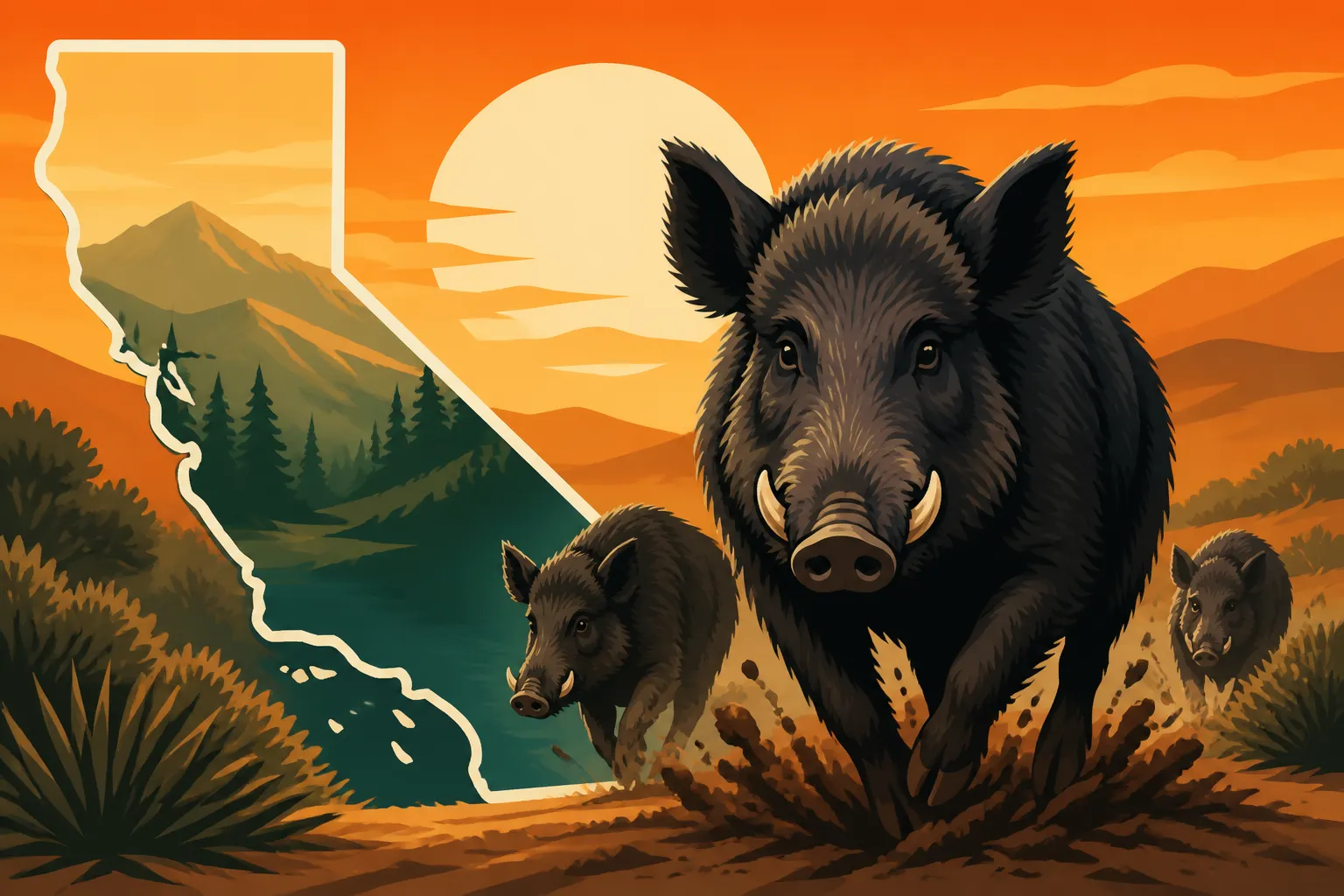
The growing population of wild pigs across California presents a unique challenge and opportunity for hunters. These adaptable animals are known for their destructive habits, tearing up agricultural lands, damaging sensitive ecosystems, and even competing with native wildlife for resources. For those of us eager to pursue them, navigating the vast landscapes where they thrive, understanding their behaviors, and adhering to California's specific hunting regulations can feel overwhelming. This guide aims to demystify wild pig hunting in the Golden State, offering a comprehensive look at everything from their biology to effective hunting strategies, helping you become a more successful and responsible pig hunter.
Understanding California's Wild Pig Problem
California's relationship with wild pigs is complex, to say the least. While they offer exciting hunting opportunities, they are also a significant agricultural pest and a serious threat to the state's natural habitats. The frustration of landowners and conservationists dealing with their widespread destruction is very real, and as hunters, understanding this context helps us appreciate the importance of our role in managing their numbers.
The Proliferation and Spread of Wild Pigs
Wild pigs, often referred to as wild hogs, feral pigs, or wild boar, aren't native to California. Their presence dates back to the 1700s when Spanish settlers introduced domestic pigs that subsequently escaped and interbred with European wild boars brought over in the 1920s for hunting purposes. This mix created the resilient, highly adaptable animals we see today. They reproduce at an incredible rate, with sows capable of having multiple litters per year, each with several piglets. This rapid reproductive cycle, combined with their intelligence and lack of natural predators in many areas, has allowed their populations to explode.
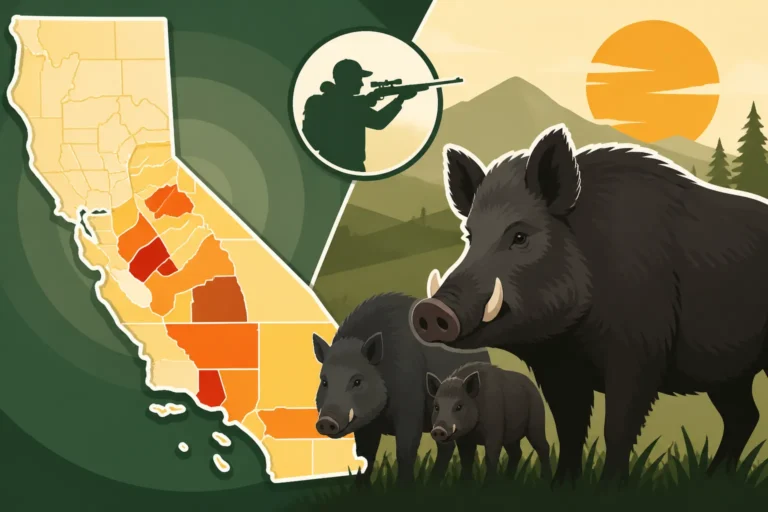
From their initial introduction, they have steadily expanded their range. You'll find them rooting through everything from coastal oak woodlands to dense chaparral, and even venturing into agricultural fields in the Central Valley. Their ability to thrive in such diverse environments, from the dry hillsides of Southern California to the greener ranges of the north, is a testament to their hardiness. This expansion has led to them being present in almost every county in California, though some areas host far denser populations than others. If you're wondering Which California Counties Have the Most Pigs, you'll often find Central Coast counties like Monterey, San Luis Obispo, and Santa Barbara are frequently cited as hotspots.
Ecological and Agricultural Damage Caused by Pigs
The impact of wild pigs on California's ecosystems and agricultural industry is profound and costly. Their signature behavior—rooting—involves tearing up the soil with their powerful snouts in search of food like acorns, bulbs, and insects. This rooting disrupts plant communities, destroys sensitive wetland habitats, and accelerates soil erosion, particularly on steep slopes or after heavy rains. Native plants struggle to compete with invasive species that often colonize these disturbed areas, further degrading the habitat.
Beyond ecological damage, the economic toll on agriculture is immense. Wild pigs raid vineyards, damage irrigation systems, consume valuable crops like alfalfa and corn, and even prey on newborn livestock. Farmers and ranchers spend countless hours and resources attempting to fence them out or deter them, often with limited success against such determined and intelligent animals. This is a significant reason Why California Treats Pigs as Game, Not Pests, as hunting is recognized as a critical tool in population management, even if it can't fully eradicate the problem.
Wild Pig Biology and Behavior: Key to Successful Hunting
Understanding how wild pigs operate is your first step toward hunting them effectively. They are incredibly intelligent, wary, and physically tough animals, which makes them a formidable quarry. Learning their habits, senses, and physical capabilities will significantly improve your chances afield.
Sensory Abilities and Intelligence
Wild pigs rely heavily on their sense of smell, which is incredibly acute—often cited as being even better than a deer's. They use it to locate food buried several inches underground, detect predators from afar, and communicate with other pigs through scent markings. This is why playing the wind is absolutely critical when hunting pigs; if they catch your scent, they're gone. Their hearing is also excellent, allowing them to pick up subtle sounds of approaching danger, so moving quietly and deliberately is paramount.
While their eyesight is generally considered less developed than their other senses, they are still adept at detecting movement, especially at dawn and dusk. They see in shades of gray, which means contrast and movement are what alert them. This combination of keen senses, coupled with their recognized intelligence—they are known for their problem-solving skills and ability to adapt to hunting pressure—makes them very challenging. They quickly learn to avoid areas where they've been disturbed and can become almost entirely nocturnal in pressured environments.
Daily and Seasonal Movement Patterns
Pigs are opportunistic feeders, and their daily movements are largely dictated by the availability of food, water, and cover. In warmer months, they tend to be most active during the cooler parts of the day: early morning and late evening. As temperatures drop or in areas with heavy hunting pressure, they often become primarily nocturnal. During the heat of the day, they'll retreat to dense cover, often near water sources, to wallow in mud, which helps regulate their body temperature and rid them of parasites.
Seasonal patterns also influence their movements. Acorns are a significant food source for wild pigs, particularly in California's extensive oak woodlands. During fall, when acorns drop, pigs will concentrate heavily in these areas. You'll often find them Hunting After a Poor Acorn Year, where pigs will move to other food sources like agricultural fields or areas with soft mast, making those spots more productive. Water is another critical factor, especially during California's dry summers. Identifying reliable water sources, whether a small seep or a stock pond, can be key to locating pigs, as they'll visit these areas frequently.
Prime Wild Pig Habitat Across California
California's diverse landscape offers wild pigs a plethora of habitats, from dense coastal chaparral to sprawling oak woodlands and riparian corridors. Knowing these prime areas and the specific features within them will dramatically increase your scouting and hunting efficiency.
Coastal Range Oak Woodlands and Chaparral
The rolling hills and dense brush of California's Coast Range are quintessential wild pig country. These areas, particularly in counties like Monterey, San Luis Obispo, and Mendocino, provide an ideal mix of cover, food, and water. The abundant live oak and black oak species drop acorns that pigs gorge on from fall through winter, and the dense chaparral offers excellent bedding and escape cover. Rivers and creeks, even seasonal ones, provide vital water sources and travel corridors.
When hunting these zones, focus on areas where oak woodlands transition into chaparral or open grassy areas. Pigs will often bed in the thick stuff and venture out into more open country to feed, especially under the cover of darkness or during low light. Look for signs like rooted-up ground, fresh tracks in mud near water, and rubs on trees where boars mark their territory. Following game trails that lead from dense bedding areas to feeding grounds or water sources is a classic strategy. You can find success by Hunting Pigs on Central Coast Oak Ranges by paying close attention to these transitional areas and tracking current food sources.
Sierra Foothills and Agricultural Fringe
Moving inland, the lower elevations of the Sierra Nevada foothills offer another excellent wild pig habitat. Here, you'll find a mix of oak woodlands, open grasslands, and often, proximity to agricultural fields. Pigs in these areas exploit the natural food sources of the oak forests while also frequently raiding adjacent farms for crops like alfalfa, corn, and even orchards. This is where the term "pest" really comes into play for local landowners.
Key areas to scout include riparian corridors along creeks and rivers that cut through the foothills, providing both water and travel routes. Look for fields bordering dense cover, as pigs will often stage in the brush before moving into the fields to feed at night. When Hunting a Standing Alfalfa Field or other crops, remember that pigs are often nocturnal in these exposed locations, making early morning or late evening hunts crucial, or even night hunting if allowed by specific regulations. Access to these areas often requires private land permission, which can be challenging but highly rewarding.
Other Less Obvious Habitats
While oak woodlands and agricultural fringes are classic pig country, these adaptable animals can turn up in surprising places. They are present in parts of the Mojave Desert fringe, particularly near perennial water sources and where there's enough vegetation to offer cover. Similarly, some northern California conifer forests, especially those with an understory of oaks or consistent water, can hold pigs. Even relatively high-elevation areas with sufficient food and water can sustain populations, though these are typically less dense.
The key across all these varied habitats is always the same: water, food, and cover. If you can identify areas that offer all three, especially those that provide sanctuary from human disturbance, you'll likely find pig activity. This is where tools like GoHunt's mapping features can be incredibly useful, allowing you to overlay public land boundaries with satellite imagery to identify potential water sources, dense cover, and feeding areas, even in less obvious locales. Scouting effectively means looking beyond the obvious and piecing together the puzzle of a pig's daily needs.
California Wild Pig Season and Regulations
Unlike deer or bear, wild pigs in California have a unique regulatory framework. Understanding these rules is essential to stay legal and make the most of your hunting opportunities. The absence of strict season dates offers flexibility, but other requirements are non-negotiable.
Year-Round Season and Tag Requirements
One of the biggest advantages for pig hunters in California is that there is no closed season and no bag limit on wild pigs. This means you can pursue them Hunting Pigs Without a Closed Season year-round, which is fantastic for fitting hunts into your schedule and taking advantage of opportunistic encounters. However, even with no closed season, you still need a valid California hunting license and a wild pig tag for each pig harvested. These tags are inexpensive and can be purchased online through the CDFW website or at authorized license agents. Remember, even if you tag multiple pigs in one day, each requires its own tag.
The process is fairly straightforward: once you've harvested a pig, you must immediately fill out and attach the tag to the animal. The tag contains spaces for the date, time, and location of harvest. Later, you'll need to report your harvest through the California Department of Fish and Wildlife's Automated License Data System (ALDS). This reporting is crucial for wildlife management, as it helps the CDFW track harvest numbers and population trends. Neglecting to report your harvest can result in penalties, so always make sure to follow through.
Non-Lead Ammunition and Other Legalities
California has some of the strictest ammunition laws in the nation, particularly regarding lead. Since July 1, 2019, the use of lead ammunition for hunting any animal anywhere in California has been prohibited. This means that for wild pig hunting, you must use non-lead projectiles, typically made of copper or other approved non-toxic materials. This law applies to all firearms, including rifles, shotguns, and handguns. You'll need to research and select Which Non-Lead Bullets California Approves for your chosen caliber.
Beyond ammunition, it's also important to be aware of rules regarding baiting, night hunting, and trapping. Baiting Hogs Legally in California is generally allowed on private land with landowner permission, but specific regulations might apply, so always double-check. Night Hunting Rules for California Hogs are very restrictive; generally, it's not allowed for big game with firearms, though there are specific exceptions for depredation permits or certain methods on private land, which are usually handled by licensed professionals. Trapping is also legal for wild pigs on private land, but typically requires a depredation permit and can be a complex process, often best left to those with experience in Trapping a Sounder on Private Land.
Where to Hunt: Public vs. Private Land Access
Finding a place to hunt wild pigs can be one of the biggest challenges. While California has vast tracts of public land, pig populations tend to be denser and more consistent on private agricultural and ranch lands. Public land opportunities do exist within National Forests, BLM lands, and some Wildlife Areas, but these areas often see heavy hunting pressure, and pigs can become very wary and nocturnal.
Securing permission on private land is often the most productive route. This can involve anything from cold-calling landowners to joining a hunting club or paying for a guided hunt. Building relationships with landowners can be a long game but is often worth the effort. For public land, extensive scouting is crucial. Use mapping apps like those often integrated with GoHunt, which show public land boundaries, topo maps, and satellite imagery to identify remote areas, water sources, and dense cover where pigs might seek refuge from pressure. Remember that Hunting Pressure on California Public Land can quickly push pigs into inaccessible areas, so focus on hard-to-reach spots.
Effective Hunting Methods for California Wild Pigs
Wild pigs are tough, smart, and often elusive. To consistently find success, you'll need a combination of persistence, stealth, and adaptable tactics. Different environments and pig behaviors will call for different approaches.
Spot-and-Stalk in Open Country
Spot-and-stalk is arguably one of the most exciting and rewarding ways to hunt wild pigs, particularly in more open or semi-open terrain like rolling oak woodlands, dry grasslands, or powerline cuts. This method relies heavily on good optics and patience. You'll spend a lot of time behind your binoculars or spotting scope, scanning hillsides, creek bottoms, and the edges of dense cover, especially during the cooler parts of the day – early morning and late afternoon. Look for movement, dark shapes against lighter backgrounds, or even the subtle shimmer of heat off a group of pigs.
Once you spot pigs, the real work begins. Plan your stalk carefully, paying close attention to wind direction, terrain features that offer cover, and the pigs' current activity. They might be feeding, rooting, or moving to a bedding area. Get below the wind, use draws, ridges, and dense vegetation to conceal your approach, and move slowly and deliberately. Pigs often feed in groups, called sounders, which can make a stalk challenging as there are many eyes and noses to evade. Keep an eye on any "sentinel" pigs that might be standing guard. Your goal is to get within comfortable shooting range without being detected. This requires immense patience, often taking hours to close the distance.
Still-Hunting and Ambushing in Dense Cover
For those areas with thick chaparral, dense riparian zones, or heavily wooded canyons, still-hunting or ambushing can be more effective than spot-and-stalk. Still-hunting involves moving extremely slowly and quietly through likely pig habitat, stopping frequently to scan and listen. You're not looking for a distant animal, but rather one that might be bedded or feeding just out of sight. Pay attention to every snap of a twig, rustle in the leaves, or faint grunt. Pigs are incredibly noisy when they're feeding or moving through brush, so listen for those tell-tale sounds.
Ambush tactics, such as setting up near known pig trails, water holes, or feeding areas, can also be highly productive. This often involves finding fresh sign – tracks, rooting, scat – and then determining the most likely time and direction of pig movement. Then, you find a good vantage point with ample cover downwind and wait. A ground blind, either natural or manufactured, can be an excellent tool for concealment, especially in areas where pigs are accustomed to human presence but wary of direct observation. This works well when Using a Ground Blind on BLM Land or private ground.
Utilizing Calls and Scent Control
While not as common as for deer or predators, certain calls can sometimes be effective for wild pigs. Distress calls, such as a piglet in distress, can sometimes draw in curious sows or protective boars. Some hunters also use simple grunts or feeding sounds to try and stop a moving pig for a shot or to encourage them to approach. However, pig calling is a nuanced skill, and over-calling or using the wrong sound can just as easily spook them. It's often best used sparingly and in conjunction with other methods.
Scent control, as mentioned earlier, is paramount due to their incredible sense of smell. Wear clean hunting clothes, use scent-eliminating sprays, and always hunt with the wind in your favor. Even the slightest whiff of human scent can send a sounder scattering. Pay attention to Wind and Thermals in Steep Sierra Country or any other hunting area, as thermals can shift dramatically throughout the day, especially in hilly terrain, carrying your scent far further than you might anticipate.
Field Care and Processing Your California Wild Pig
Harvesting a wild pig is just the first step; proper field care and processing are crucial to ensure you get the best possible meat from your effort. Pigs, especially during warmer California hunting seasons, require prompt and efficient handling to prevent spoilage.
Rapid Cooling and Field Dressing
Unlike deer, wild pigs have a thicker hide and a layer of fat that can insulate the carcass, making rapid cooling even more critical, especially during California's often warm hunting season. As soon as the pig is down, get to it immediately. The first step is to Field Dressing a Deer in Hot Weather (the same principles apply to pigs) by gutting the animal. Remove all internal organs as quickly as possible to allow the body cavity to cool. If conditions are hot, you might even consider splitting the brisket and pelvis to expose more surface area for cooling.
Once field dressed, the goal is to get the carcass cooled down. If you're close to your vehicle, get it loaded and transport it to a cooler or processing facility. If you're in the backcountry, you'll need to quarter the pig. This involves separating the animal into four main sections (front shoulders, hindquarters, and optionally the backstraps and tenderloins) to make it easier to pack out and to allow for faster cooling. Hang the quarters if possible, even for a short time, to allow air circulation and initial cooling. Using game bags is highly recommended to protect the meat from flies and dirt while allowing it to breathe.
Transporting and Butchering
Transporting a wild pig can be a heavy endeavor. A full-grown boar can easily weigh over 200 pounds, with some exceeding 300 pounds. For backcountry hunts, a good external frame backpack is indispensable for carrying out quarters. For easier terrain, a game cart can be a lifesaver. Once you have the pig out of the field, the next step is butchering. You can take it to a professional wild game processor, or if you're comfortable, do it yourself at home.
When butchering, remember that wild pig meat is often leaner than domestic pork, especially from wilder, free-ranging animals. It's delicious and versatile, perfect for sausages, roasts, and chops. Be mindful of scent glands, particularly on older boars, which can impart an undesirable flavor if not carefully removed during butchering. Also, be aware of trichinosis, a parasite sometimes found in wild game. While rare, it's always wise to cook wild pig meat thoroughly to an internal temperature of at least 160°F (71°C) to ensure safety.
Dealing with Tough Boars and Older Animals
Hunting older boars can present unique challenges, both in the field and during processing. Large boars often have incredibly thick hides, sometimes referred to as "shields," especially over their shoulders and flanks. This can make skinning more difficult and might require a very sharp Best Knife for Skinning a Wild Pig and careful technique. Their meat can also be tougher and have a stronger, gamier flavor compared to younger sows or piglets.
When processing meat from older boars, it's often best suited for ground meat, sausage, or slow-cooked preparations like pulled pork, which tenderize the tougher cuts. Don't be discouraged by a "tough" boar; with the right cooking methods, even the gamiest meat can be transformed into a delicious meal. And for those interested in a trophy, the tusks of an old boar can make an impressive mount, requiring careful removal from the skull. Learning to judge Judging a Boar's Cutters Before the Shot can add another layer of excitement to your hunt.
Challenges and Considerations for California Pig Hunters
Hunting wild pigs in California comes with its unique set of challenges. From intense hunting pressure on public lands to navigating complex regulations and the physical demands of the chase, being prepared for these realities will lead to a more successful and less frustrating experience.
Hunting Pressure and Pig Behavior
California's public lands, while abundant, can experience significant hunting pressure, especially during deer and other big game seasons. Wild pigs are quick learners, and this pressure rapidly teaches them to become wary and predominantly nocturnal. You might find areas with plenty of fresh sign, but struggle to actually lay eyes on a pig during legal hunting hours. This is a common frustration for public land hunters.
To overcome this, consider hunting during weekdays when pressure is lower, or venturing deeper into the backcountry where fewer hunters are willing to go. Early season or off-season hunts can also be productive before pigs have been heavily educated. When planning your hunt, GoHunt's mapping tools or similar resources can help you identify remote pockets of public land or areas with difficult access, which often hold less pressured animals. Focus on finding ground others might walk past, or areas that offer the pigs ample security cover to retreat to.
Navigating Access and Landowner Relations
One of the biggest hurdles for California pig hunters is gaining access to land. While public lands exist, many of the prime pig hunting areas are on private property. Getting Private Land Permission in California can be a challenging but rewarding endeavor. It often requires persistence, respect, and building trust with landowners. Start by knocking on doors, offering to help with pig control, and always being polite and professional. Offer to share some of your harvest or help with small chores around the property.
If direct access proves difficult, consider guided hunts or hunting leases. While these come with a cost, they guarantee access to productive ground and often provide a higher chance of success. Joining a local hunting club or connecting with other hunters through online forums can also lead to opportunities or valuable insights into where to find access. Always respect posted signs and never trespass; knowing What California Trespass Law Requires is crucial.
Physical Demands and Gear
Wild pig hunting in California can be physically demanding. Whether you're navigating steep, brushy canyons in the Coast Range or covering miles of rolling foothills, you'll be putting in work. The terrain can be unforgiving, with dense vegetation, uneven ground, and often significant elevation changes. This means proper gear is essential.
Invest in comfortable, sturdy boots that offer good ankle support, durable clothing suitable for busting through brush, and a reliable pack for carrying your gear and, hopefully, meat. Due to the diverse climate, layering is key, as temperatures can swing dramatically from chilly mornings to hot afternoons. A good pair of binoculars is a must for spotting pigs, and a rangefinder can be invaluable for accurate shot placement. And, of course, a reliable firearm or bow, sighted in with California-legal non-lead ammunition, is non-negotiable.
Here’s a quick overview of some key considerations:
| Challenge Type | Description | Solution/Consideration |
|---|---|---|
| Hunting Pressure | Pigs on public land become wary, nocturnal due to high hunter presence. | Hunt weekdays, deep backcountry, off-season; use mapping tools like GoHunt. |
| Land Access | Most productive areas are private; difficult to gain permission. | Knock on doors politely, offer help, consider guided hunts/leases, join clubs. |
| Physical Demands | Rugged, brushy, steep terrain requires endurance. | Invest in quality boots, layered clothing, sturdy pack; physical conditioning. |
| Non-Lead Ammo | California mandates non-lead ammo for all hunting. | Research approved non-lead projectiles, test with your firearm, stock up before season. |
| Hot Weather | High temperatures common during year-round season; meat spoilage risk. | Prioritize rapid field dressing and cooling, carry game bags and plenty of water. |
| Pig Intelligence | Pigs quickly learn and adapt to hunting tactics. | Vary your approach, use stealth, play the wind, adapt to their nocturnal habits. |
Conservation and Management: Why Hunting Is Crucial
While often seen as a challenging quarry or a nuisance animal, wild pig hunting plays a vital role in California's wildlife management and conservation efforts. Hunters are often the most direct contributors to controlling their populations and mitigating their widespread negative impacts.
The Hunter's Role in Population Control
Because wild pigs are not native and cause extensive damage, the California Department of Fish and Wildlife (CDFW) views their management as a critical priority. With no bag limits and a year-round season, hunting is positioned as the primary tool for population control. Each pig harvested by a hunter directly contributes to reducing the overall population and lessening the pressure on native ecosystems and agricultural lands. This is a clear example of how hunters are conservationists, actively participating in maintaining ecological balance.
The harvest data collected through the mandatory reporting system (ALDS) is crucial for the CDFW to monitor population trends and distribution. Your efforts, even if you only harvest one pig a year, provide valuable data that informs statewide management strategies. It underscores Why California's Zones Open on Different Dates for other species, demonstrating a nuanced approach to wildlife management where pigs are treated distinctly due to their invasive status.
Mitigating Ecological Damage
By reducing pig numbers, hunters directly help to mitigate the ecological damage these animals inflict. Less rooting means less soil erosion, allowing native plant communities a better chance to recover. Fewer pigs reduce competition with native wildlife, such as deer and turkeys, for essential food sources like acorns. It also lessens the predation pressure on ground-nesting birds and other small animals.
While hunting alone cannot eradicate wild pigs from California, it remains the most practical and widespread method of control. Combined with trapping and other management strategies on private lands, hunting forms a critical component of a comprehensive approach to managing this invasive species and protecting California's unique and often fragile natural heritage. Your commitment to responsible and ethical hunting is not just about pursuing a challenging game animal; it's about actively contributing to the health of the environment.
Disclaimer
Please remember that hunting regulations, seasons, and access rules can change. Always consult the latest California Department of Fish and Wildlife (CDFW) regulations and local land management guidelines before planning any hunt. This guide is for informational purposes only and does not substitute for official legal advice or current regulations.