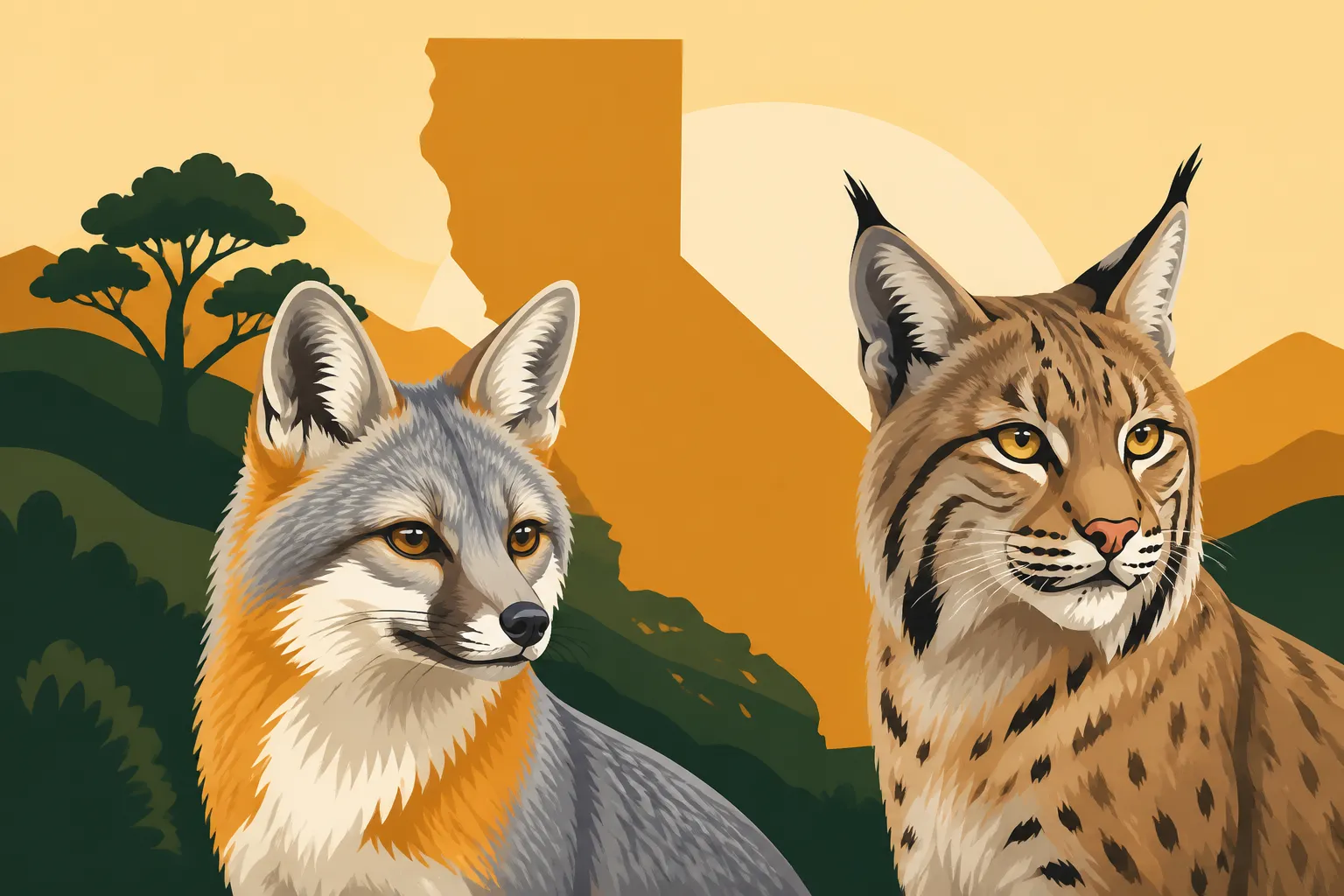
California Gray Fox and Bobcat Populations
It’s easy to get caught up in the pursuit of California's bigger game species, but sometimes we overlook the fascinating and often elusive smaller predators that roam our wild places. Gray foxes and bobcats are a vital part of California's diverse ecosystems, adapting to everything from dense coastal chaparral to arid desert washes. This guide will take a deep dive into the populations, behaviors, and management of these incredible furbearers, helping you understand their world whether you're a hunter, trapper, or simply an admirer of wildlife.
Understanding California's Gray Fox Populations
Gray foxes, with their striking gray and rusty-red fur, are a truly unique species in California. Unlike many canids, they possess a semi-retractable claw that allows them to climb trees with remarkable agility, a skill that often catches people off guard. They are incredibly adaptable, making them a common sight in various habitats across the state, even surprisingly close to human development.
Gray Fox Distribution and Habitat Preferences
California’s gray foxes are incredibly widespread, truly living up to their name as generalists. You'll find them almost everywhere, from the dense oak woodlands and chaparral of the Hunting Northern California's Coast Range to the rocky foothills and riparian corridors cutting through agricultural lands. They thrive in areas with plenty of dense cover, which provides both protection from larger predators like coyotes and ample hunting opportunities for their varied diet. Picture a tangled creek bottom with blackberries and willows, or a hillside choked with manzanita – that’s prime gray fox country. Even if you're out Hunting Coastal Range Oak Woodlands, don't be surprised to see one slip through the undergrowth. Their ability to climb trees, an unusual trait for a canid, gives them a significant advantage, allowing them to escape danger or even nap safely above ground, high in the branches of a valley oak.
Their adaptability means they can make a living in diverse landscapes, from the relatively moist redwood fringes in the north down to the drier, scrubby areas of Southern California. They aren’t overly picky, as long as there’s enough prey and cover to go around. This broad distribution means that whether you’re scouting deer in Zone A or calling coyotes in the desert, you're likely sharing the landscape with a thriving gray fox population.
Population Trends and Management
Despite widespread habitat alteration in California, gray fox populations generally remain stable and healthy throughout much of their range. They aren’t prone to the dramatic boom-and-bust cycles that some other small game species experience, thanks to their flexible diet and ability to adapt to changing conditions. They face competition from coyotes, who are larger and often dominate prime hunting grounds, but the gray fox's arboreal skill and willingness to use denser, less open cover helps them carve out their niche. In areas where coyote numbers are high, you might find gray foxes being pushed into more marginalized habitats or becoming even more nocturnal.
The California Department of Fish and Wildlife (CDFW) manages gray foxes as a furbearer species, meaning there are regulated seasons for hunting and trapping them. This management ensures that populations remain robust while still allowing for recreational take. While they don't have the high commercial value of some other furbearers, their consistent presence is a testament to their resilience. Hunters pursuing other small game or predators will often encounter gray foxes, serving as a reminder of the intricate web of life that flourishes even in areas with significant human presence.
Key Characteristics and Behavior
Gray foxes are masters of stealth and opportunism. Their diet is incredibly varied, consisting primarily of small mammals like rabbits and rodents, but they also readily consume birds, insects, and a surprising amount of plant material, especially fruits and berries. This dietary flexibility is a major reason for their success in diverse environments. You might even find them munching on acorns alongside deer in the fall. They are primarily nocturnal or crepuscular, meaning they are most active during the twilight hours of dawn and dusk, though it's not uncommon to see them during the day, especially if they are raising kits or food is scarce.
Their most famous characteristic, of course, is their climbing ability. They are the only canid in North America that can truly climb trees, using those semi-retractable claws to grip bark and ascend branches. This not only offers an escape route from larger predators but also provides access to den sites in hollow trees or elevated vantage points. When you're spending time in the field, whether it's Hunting Coastal Range Oak Woodlands or exploring a brushy canyon, keep an eye out for their distinctive tracks, which can sometimes look like small domestic dog prints, but their behavior and secretive nature are what truly set them apart.
Delving into California's Bobcat Populations
Bobcats are perhaps the quintessential small wildcat of North America, and California is no exception. These fierce, territorial hunters are a testament to the wildness that persists even in a highly populated state. Their short "bobbed" tail, tufted ears, and striking spotted coat make them instantly recognizable, though their elusive nature often means only fleeting glimpses.
Bobcat Range and Preferred Ecosystems
California's bobcats are incredibly widespread, adapting to nearly every habitat type in the state, from high desert to coastal forests. However, they generally prefer areas with a good mix of dense cover, rocky outcrops, and open hunting grounds. Think of the chaparral-covered hillsides of Hunting Southern California's Chaparral Foothills, or the rugged canyons lined with oaks and brush. These landscapes offer them excellent ambush cover, denning sites among rocks, and a steady supply of their preferred prey. They are highly territorial, with individual bobcats maintaining home ranges that can vary greatly in size depending on prey availability and habitat quality. A large male in an arid, prey-scarce area might roam a vast territory, while a bobcat in a rich riparian zone might have a much smaller range.
They often overlap in habitat with gray foxes but tend to be more strictly carnivorous and reliant on small to medium-sized mammals and birds. They are masters of camouflage and silent movement, making them incredibly difficult to spot despite their widespread presence. If you're out Scouting California Public Land Before Season, look for their distinct tracks—round with no claw marks showing, indicating their retractable claws—especially near water sources or game trails in dense cover.
Population Status and Conservation Considerations
California's bobcat population is generally considered healthy and robust. Their adaptability, efficient hunting strategies, and relatively broad diet have allowed them to thrive even with varying levels of human disturbance. However, like all wildlife, they face challenges from habitat loss and fragmentation, which can isolate populations and increase their vulnerability to road mortality or human-wildlife conflicts. The CDFW actively manages bobcats as a furbearer species, and there have been specific regulations put in place over the years to ensure their long-term sustainability. For instance, there was a period where trapping bobcats for their pelts faced scrutiny, leading to stricter regulations and even bans in certain areas, particularly around national park lands or urban interfaces.
Current management focuses on sustainable harvest limits and monitoring population trends. The regulated take helps to manage populations and provides economic opportunity for trappers, all while ensuring that bobcats continue to be a thriving part of California’s wild heritage. It’s always critical to check the latest regulations to understand seasons and reporting requirements, as these can change to reflect current population dynamics and public interest.
Distinctive Traits and Hunting Adaptations
Bobcats are the epitome of a silent predator. They rely heavily on their acute senses of sight and hearing to locate prey, often sitting motionless for extended periods, blending perfectly into their surroundings before launching a lightning-fast attack. Their preferred diet consists mainly of rabbits, hares, and rodents, but they are also opportunistic, taking birds, young deer, or even carrion when available. This predatory efficiency plays a crucial role in controlling prey populations and maintaining ecological balance.
Their physical adaptations are perfectly suited for their hunting style. Their powerful hind legs allow for impressive leaps, and their short, muscular bodies are designed for quick bursts of speed over short distances. The famous "bobbed" tail, far from being a disadvantage, likely aids in quick changes of direction during a chase through dense cover. When you're out in areas like the Mojave Desert BLM Land or a steep canyon, and you hear a rustle in the brush that sounds too big for a squirrel but too small for a deer, it just might be a bobcat on the prowl. Their stealth and evasive tactics make them a true prize for those who appreciate the challenge of observing or pursuing elusive wildlife.
Habitat Overlap and Interspecies Dynamics
California's wild landscapes are a tapestry of intertwined lives, and the gray fox and bobcat, while distinct, frequently share the same general territories. Understanding how they coexist—and sometimes compete—offers a deeper insight into the complex ecology of our state's furbearer populations.
Coexistence and Competition
It might seem like two similar-sized predators sharing the same turf would lead to constant conflict, but nature often finds a way to minimize direct competition. Gray foxes and bobcats often achieve this through what ecologists call "resource partitioning." This means they might specialize in slightly different prey, hunt at different times, or use different types of cover within the same general area. For instance, while both will eat rabbits, a bobcat might focus on larger cottontails and jackrabbits, while a gray fox might include more rodents, insects, and a higher proportion of plant matter in its diet.
Furthermore, their activity patterns can differ. While both are largely nocturnal, gray foxes might be more active during earlier and later twilight hours, overlapping less with the peak hunting times of bobcats. The gray fox’s unique climbing ability also gives it a distinct advantage, allowing it to access food or escape threats that a bobcat cannot. The biggest driver of interspecies dynamics, however, often comes from a larger predator: the coyote. Where coyote populations are dense, both bobcats and gray foxes might adjust their behavior, becoming more secretive, more nocturnal, and utilizing denser cover to avoid confrontations with the larger, more dominant canids. This pressure from coyotes can push gray foxes and bobcats into smaller, more specific niches within their shared habitat.
Impact of Human Development on Populations
Human development, with its ever-expanding footprint, inevitably influences wildlife populations. Habitat fragmentation, where large tracts of wild land are broken up by roads, housing developments, and agriculture, poses a significant challenge for both gray foxes and bobcats. Roads, in particular, lead to increased mortality rates, as these animals attempt to cross new barriers in their traditional home ranges. A freeway or even a busy rural highway can become an almost impassable barrier, isolating populations and reducing genetic flow.
However, both species also demonstrate a surprising degree of adaptability to altered landscapes. Gray foxes, especially, can often be found on the fringes of suburban areas, utilizing greenbelts, golf courses, and even large backyards if sufficient cover and prey are available. Bobcats, while generally more wary, have also been observed navigating human-dominated areas, often using riparian corridors or undeveloped canyons as travel routes. The challenge for wildlife managers, and for us as hunters and outdoor enthusiasts, is to ensure that sufficient contiguous habitat remains, and that corridors for movement are protected, allowing these vital predators to continue their roles in California's rich ecosystems. Understanding these impacts is crucial as we think about managing wildlife for the long haul.
Hunting and Trapping Regulations for Gray Fox and Bobcat
For those interested in pursuing gray foxes and bobcats, understanding the specific regulations is absolutely paramount. California has detailed rules regarding furbearer seasons, methods, and licensing, which are designed to ensure sustainable populations and ethical practices. These aren't just suggestions; they are legal requirements that every hunter and trapper must follow.
General Season Dates and Methods
California sets specific seasons for furbearers like gray foxes and bobcats, and these dates can vary from year to year, so always consult the current CDFW regulations. Generally, there's a defined open season, typically in the fall and winter months when their pelts are in prime condition. For hunting, legal methods often include rifles, shotguns, pistols, and archery equipment, similar to what you might use for other small game or predators. The use of calls—both electronic and mouth calls—is a popular and effective method for bringing these curious and predatory animals into range, especially when working a property that allows Predator Calling California Ranch Land or even trying to draw them out in Predator Calling California's Mojave Desert Country.
Trapping, however, has more specific and often stricter rules. If you're considering trapping, be aware that California has very particular regulations regarding trap types, sizes, set locations, and inspection requirements. For instance, there are limitations on the use of body-gripping traps, and snare regulations are tightly controlled. It's not as simple as just putting out a trap; you need to understand the nuances of the law, including specific rules for the California Fox and Bobcat Trapping Season. This is where a detailed read of the regulations, and perhaps even speaking with experienced trappers, becomes essential.
Licensing Requirements and Reporting
Before you even think about heading afield, you'll need the proper licensing. For hunting gray foxes, a valid California hunting license is required. If you plan to trap either species, a separate California trapping license is mandatory. These licenses come with their own set of requirements, including potential fees and, in some cases, specific training or examinations to ensure you understand ethical trapping practices and regulations. You can learn more about this by researching California Trapping License Requirements. It's not just about paying a fee; it's about demonstrating competence and responsibility.
Beyond initial licensing, reporting requirements are a critical part of furbearer management. Hunters and trappers are often required to report their take of certain species, including bobcats and sometimes gray foxes, within a specific timeframe or using a designated online system. This data is invaluable to the CDFW for monitoring population trends, assessing the impact of harvest, and making informed decisions about future seasons and bag limits. Failing to report a harvest can lead to significant California Wildlife Violation Penalties and undermines the very conservation efforts that allow these species to thrive. Always carry proof of your license while in the field – a digital copy on a mapping app like GoHunt or a physical printout will do.
Ethical Considerations and Best Practices
Ethical hunting and trapping are cornerstones of responsible wildlife management. For both gray foxes and bobcats, this means adhering to fair chase principles and minimizing any potential suffering. When hunting, this translates to knowing your effective range, making clean shots, and being proficient with your chosen weapon. With predator calling, for example, it’s about understanding the animals’ behavior and ensuring you have a safe backdrop before you call them in.
For trapping, ethics revolve around the humane treatment of animals. This includes using appropriate trap types that are designed to minimize injury, placing traps strategically to avoid non-target species, and checking traps frequently, as mandated by law, to dispatch animals quickly and humanely. The goal is always to maximize efficiency and minimize stress for the animal. Additionally, proper carcass handling and hide preparation are important, especially for furbearers. Respect for the animal, the resource, and the law should always guide your actions in the field. Understanding these principles is not only about legal compliance but also about upholding the integrity of hunting and trapping as conservation tools.
Observing and Appreciating These Elusive Predators
Beyond the pursuit of a tag, there's immense satisfaction in simply observing California's gray foxes and bobcats in their natural element. These animals are masters of discretion, and a glimpse of either one is often a highlight of any outdoor adventure. Appreciating their role in the ecosystem helps us understand the bigger picture of wildlife health.
Tips for Wildlife Watching
Spotting a gray fox or bobcat in the wild requires patience, stealth, and a little bit of luck. Since both are primarily nocturnal or crepuscular, your best chances are at dawn or dusk, when light is low, and the landscape is quieter. Focus your efforts on areas with good cover, like the edges of oak woodlands, dense chaparral stands, or along riparian corridors. These are natural travel routes and hunting grounds. Using good binoculars, or even a spotting scope, can significantly increase your ability to pick out subtle movements in low light or dense vegetation.
Trail cameras are an absolute game-changer for observing these elusive animals. By placing cameras near known game trails, water sources, or potential den sites (without disturbing them, of course), you can capture their movements and gain insight into their patterns without being physically present. This is particularly effective in areas where you might be Hunting a California BLM Desert Wash for Deer or exploring any public land where these predators roam. A good mapping app like GoHunt can also help you identify promising ambush points or travel corridors based on topography and satellite imagery, increasing your chances of a visual encounter.
Their Role in the Ecosystem
Both gray foxes and bobcats play a critical, often underestimated, role in maintaining the health and balance of California’s ecosystems. As predators, they are natural pest controllers, helping to regulate populations of rodents, rabbits, and other small mammals that can, in excessive numbers, impact agricultural crops or forest health. By preying on these animals, they prevent overgrazing, reduce the spread of certain diseases, and generally keep the food web in check.
Consider a healthy oak woodland ecosystem: without predators like bobcats and gray foxes, rodent populations could explode, leading to increased damage to tree seedlings and an imbalance in the understory plant communities. They also help keep deer and wild pig populations wary and on the move, which contributes to healthier browse for other species. Their presence signifies a relatively healthy and functioning ecosystem. So, whether you're actively hunting, trapping, or just enjoying a quiet hike, take a moment to appreciate these incredible animals. They are truly the wild pulse of California’s diverse and dynamic landscapes, a constant reminder of the intricate beauty of nature at work. And if you're ever interested in pursuing small game, remember that this includes Small Game and Predator Hunting in California, a rich experience in itself.
Disclaimer
This article is for general informational purposes only and does not constitute professional advice. Laws, prices and regulations vary by location and change over time. Consult a qualified professional for guidance on your specific situation.