Why Sierra Deer Grow Bigger Than Coastal Deer
It's a question that echoes across California deer camps every season: "Why do the deer in the Sierra seem so much bigger than the ones we pull out of the coastal hills?" You're not imagining it. Many hunters notice a distinct difference in body size and antler development between deer harvested in the high country of the Sierra Nevada and those taken from the rolling oak woodlands and chaparral of the coastal ranges. This guide is going to break down the environmental, nutritional, and even genetic factors that contribute to these observable differences, helping you understand the complex world of California deer and giving you a deeper appreciation for the unique challenges and opportunities each region presents.
The Nutritional Divide: Why Habitat Matters So Much
When it comes to growing big deer, nutrition is king. Just like any animal, a deer's ability to grow a large body and impressive antlers is directly tied to the quality and abundance of the food sources available to it. California's vast and diverse landscape means that deer in different regions have access to vastly different pantries, and this has a profound impact on their overall development.
Forage Quality and Availability
Think about the difference between a grocery store with rows of fresh produce and a sparse general store with limited options. That's a good analogy for the forage differences between the Sierra Nevada and many coastal areas. The Sierra, particularly after a good snowmelt and throughout the spring and summer, offers a bounty of nutrient-rich forbs, grasses, and tender new growth in meadows and along timber edges. These plants are often packed with protein and essential minerals, which are crucial for antler development and body mass. Deer here might browse on a wide variety of plants, from aspen shoots to willow, and graze on succulent green grasses in high-elevation basins.
Coastal regions, especially the dry, brushy chaparral and oak woodlands that dominate much of the range, often present a different scenario. While oak mast (acorns) can provide a fantastic, high-energy food source in good years, it's seasonal and inconsistent. The browse species common in chaparral, like chamise and manzanita, are often lower in digestible protein and moisture content compared to the more varied diet found higher up. Deer in these areas might work harder to find enough quality forage, especially during the long, dry California summers, which can lead to smaller body sizes and less impressive antler growth. Drought conditions can exacerbate this, making an already tough nutritional environment even more challenging. You might find yourself Hunting Coastal Range Oak Woodlands or Hunting a Funnel Between Two Oak Ridges, constantly observing the quality of the mast crop.
Water Sources and Stress
Water is another often-underestimated factor in deer health and size. In the Sierra Nevada, especially in the high country, reliable water sources are generally abundant, even well into the late summer and fall. Springs, snowmelt, creeks, and alpine lakes provide consistent hydration. This constant access to water reduces stress on deer, allowing their bodies to focus more energy on growth and maintenance rather than scrambling for fluids. A well-hydrated deer is a healthy deer, better able to digest food and utilize nutrients.
Contrast this with many parts of the coastal ranges, particularly in the drier southern and central regions. Summers can be long and hot, and water sources can dry up quickly. Deer in these areas might have to travel significant distances to find water, expending valuable energy and potentially reducing their feeding time. This constant low-level stress can impact overall body condition and antler growth. Imagine a buck needing to trek miles to a muddy seep during an August heatwave – that's energy not going into developing a bigger rack or adding pounds. Hunters often find that sitting a Water Seep at First Light can be a productive strategy in these drier environments.
Climate and Environmental Pressures
Beyond food and water, the overall climate and other environmental pressures play a huge role in how large deer can ultimately become. The Sierra Nevada and the coastal ranges present dramatically different living conditions, each with its own set of challenges and advantages for deer populations.
Winter Severity and Energy Expenditure
One of the most significant differences between these two regions is the winter. Sierra Nevada deer, especially those migrating to lower elevations from the high country, face true winters with snow, freezing temperatures, and limited forage availability. To survive these harsh conditions, they must build up significant fat reserves during the lush summer and fall months. This biological imperative to pack on weight before winter translates into larger overall body mass. While winter can be tough, the genetics and adaptive strategies of these deer favor robust body size for survival. You'll often be Tracking a Deer in Fresh Sierra Snow when hunting the later seasons, which tells you a lot about their adaptations.
Coastal deer, on the other hand, typically experience much milder winters. Snowfall is rare, and while temperatures can dip, they rarely stay below freezing for extended periods. This means coastal deer don't face the same intense pressure to put on massive amounts of fat for winter survival. Their energy can be more evenly distributed throughout the year, but without the strong selective pressure for extreme winter hardiness and fat storage, they don't necessarily grow to the same large body sizes seen in the Sierra. The milder climate might sound easier, but it doesn't always translate to bigger deer if the forage quality isn't there year-round.
Predation and Human Impact
Predation pressure can also influence deer populations and, indirectly, the average size of deer. Both regions have predators like mountain lions and coyotes, but their densities and hunting success rates can vary. In areas with higher predator density or where deer are more vulnerable, younger or less robust deer might be culled more frequently, potentially leading to a healthier but not necessarily larger overall herd if the best genetics aren't surviving. However, a balanced predator-prey relationship can also lead to stronger, more resilient deer over time.
Human impact, particularly hunting pressure and tag allocation, also plays a role. In many Sierra X-zones and even some D-zones, drawing a tag can be challenging, meaning fewer deer are harvested overall, potentially allowing bucks more time to mature and reach their full physical potential. For those Hunting California's High-Country X-Zones, the limited tag numbers can make a difference. Conversely, some coastal D-zones have more liberal tag availability, which could lead to a younger age structure in the buck population if too many younger deer are harvested before they reach their prime. Understanding California's Multi-Zone Deer Season System is key here.
Genetic Influence and Herd Management
While environment and nutrition are huge, we can't ignore the deer themselves. Genetics play a fundamental role in the potential size and growth patterns of any animal. California is home to different deer subspecies and populations that have adapted to their specific environments over millennia, and these adaptations influence their physical characteristics.
Regional Genetics and Adaptation
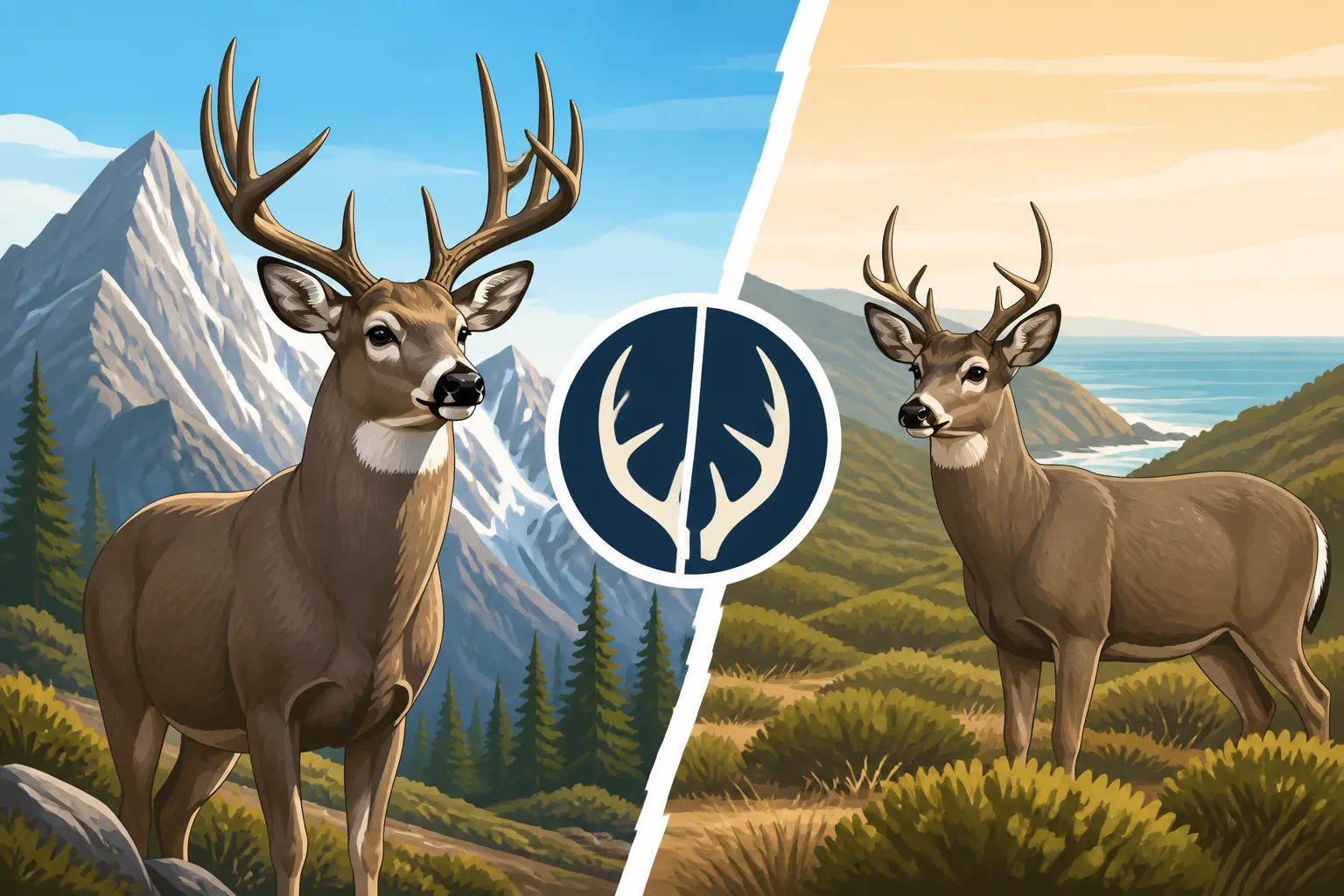
Primarily, we're talking about two main deer types when we discuss California deer: the Columbia Blacktail deer (a subspecies of mule deer) and the larger Rocky Mountain Mule Deer, which ranges into the eastern Sierra and high desert. While the coastal ranges are predominantly Blacktail country, the Sierra Nevada is where you'll find a mix, with Blacktail on the western slopes and true Mule Deer (or hybrids with significant Mule Deer influence) on the eastern side and higher elevations.
Mule deer, as a species, generally grow larger bodies and antlers than blacktail deer. Their genetic blueprint favors a more robust build, adapted to open country and harsher winters. So, when you see those impressive deer in the eastern Sierra, you're often looking at a deer with strong Mule Deer genetics, which inherently gives them a head start in the size department compared to their coastal blacktail cousins. Even within the Columbia Blacktail subspecies, populations have adapted to their specific niches. Deer on the moist, rich northern coast might grow larger than those in the drier central coast chaparral due to better local conditions, but they still generally won't reach the dimensions of a high-country mule deer. You can learn more about Columbia Blacktail and Mule Deer in California to grasp these distinctions.
Hunting Pressure and Age Structure
Herd management and hunting regulations also indirectly influence the average size of deer encountered in different regions. In areas with high hunting pressure and liberal "any-buck" tags, younger bucks might be harvested before they have a chance to reach their full potential, leading to a population with a younger average age structure. While this isn't necessarily a bad thing for herd health, it does mean fewer mature, large-bodied bucks are available.
Conversely, some of California's premium deer zones, particularly certain X-zones in the Sierra, are draw-only and highly regulated. This often results in lower hunting pressure and allows bucks more years to mature, leading to a higher proportion of older, larger-bodied, and bigger-antlered deer. Hunters who use resources like GoHunt to analyze draw odds and harvest success rates often gravitate towards these areas, understanding that patience and persistence can pay off with a more mature animal. The ability for bucks to age out and express their full genetic potential, coupled with superior habitat, is a key reason for the size difference.
Putting It All Together: What This Means for Hunters
Understanding why Sierra deer tend to grow larger than coastal deer isn't just academic; it has practical implications for how you plan your hunts, manage your expectations, and appreciate the unique characteristics of each hunting ground.
Scouting and Strategy Differences
Knowing these regional differences can significantly inform your scouting and hunting strategies. If you're heading to the Sierra Nevada, particularly the eastern slopes or high-elevation D-zones, you'll be anticipating the chance at a truly heavy-bodied buck with wider antlers, potentially more akin to a mule deer. Your strategy might focus on glassing vast open slopes, patiently covering ground in timber, and being prepared for longer shots in more rugged terrain. When Glassing Mule Deer in Open California Country, you're looking for that telltale deep chest and wide spread.
For coastal deer hunting, especially for blacktails, your focus might shift. While a giant coastal blacktail is certainly possible, the "average" buck will likely be smaller in body and antler. Your strategy might involve still-hunting dense chaparral, understanding intricate trail systems in oak woodlands, and focusing on close-quarters encounters. You'll celebrate a solid, mature blacktail buck for what it is—a challenging, hard-earned animal from a tough environment, regardless of its size relative to a Sierra muley. Knowing Where California Blacktail Bucks Bed in their preferred dense cover is crucial for success.
Managing Expectations
Ultimately, this understanding helps us manage our expectations as hunters. It's easy to get caught up in social media images of giant bucks, but it's important to remember that not all deer are created equal, and not all hunting grounds offer the same potential. A 150-pound, mature 3×3 blacktail from a dry coastal zone can be just as much of a trophy, if not more, than a 200-pound 4×4 mule deer from the Sierra, simply because of the challenges involved in finding and harvesting it in its specific environment.
Appreciating the factors that lead to these differences allows us to celebrate the diversity of California's deer populations. Whether you're chasing the robust mule deer of the high country or the elusive blacktails of the dense coastal brush, each experience is unique and rewarding in its own right. Resources like GoHunt can help you dive into harvest data and regional insights, giving you a clearer picture of what to realistically expect in various zones, further enhancing your hunting preparedness. The goal isn't just a big deer; it's a memorable hunt, a connection with nature, and the satisfaction of understanding the intricate ecosystems we're privileged to explore.
Disclaimer
This article is for general informational purposes only and does not constitute professional advice. Laws, prices and regulations vary by location and change over time. Consult a qualified professional for guidance on your specific situation.