California Rattlesnake Encounters Afield
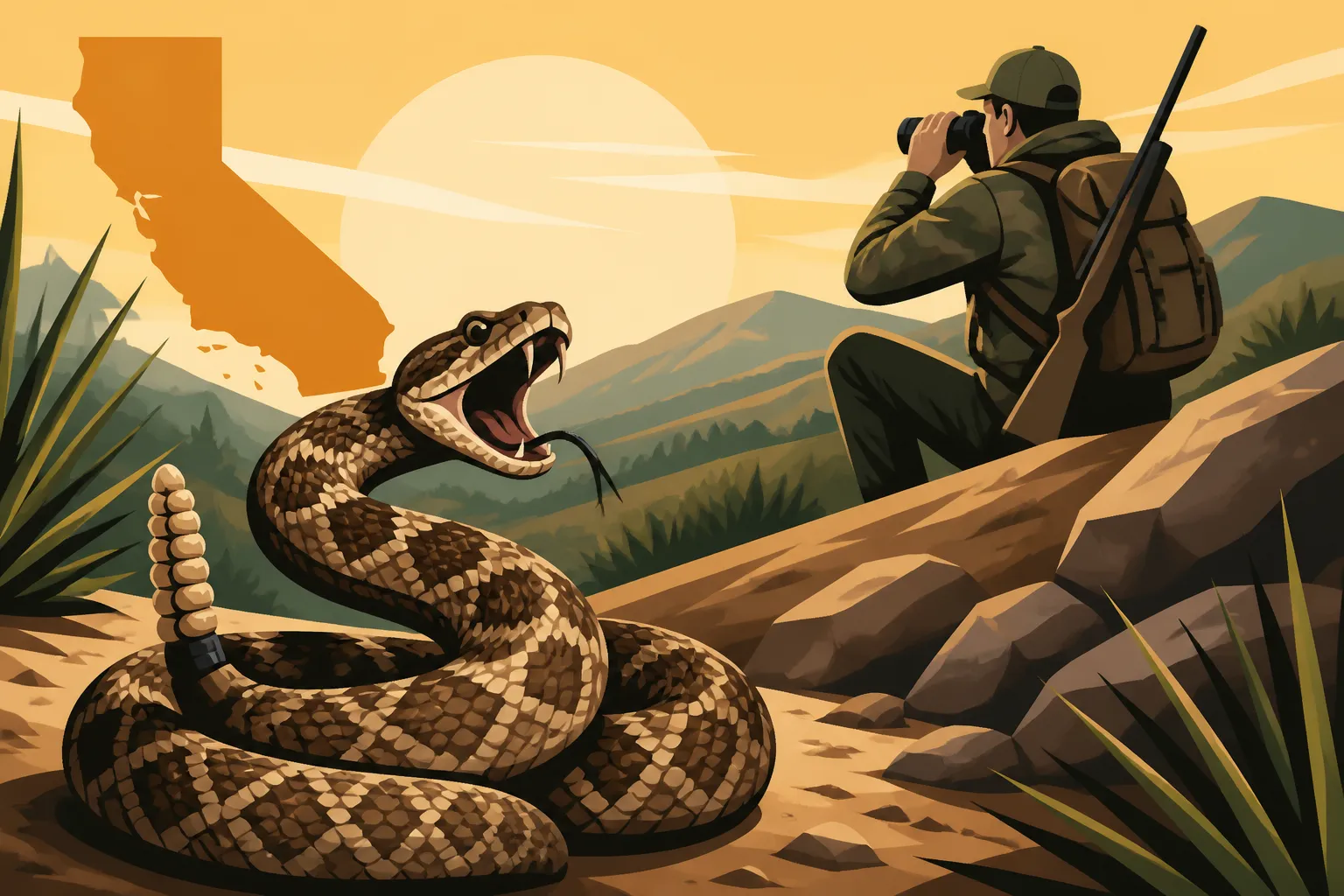
For any hunter in California, the sudden, distinct buzz of a rattlesnake can stop you dead in your tracks, sending a jolt of primal fear through even the most seasoned outdoors enthusiast. It’s an unavoidable reality of venturing into our diverse landscapes, from oak woodlands to arid desert washes. This guide is here to walk you through everything you need to know about rattlesnake encounters afield, offering practical advice on prevention, safe reactions, and critical emergency response, so you can hunt with confidence and stay safe.
Understanding California's Rattlesnakes
Before we can effectively avoid or react to rattlesnakes, it's essential to understand a bit about them. California is home to several species of rattlesnakes, but the most commonly encountered by hunters are various subspecies of the Western Rattlesnake (Crotalus oreganus), including the Northern Pacific Rattlesnake in the north and central regions, and the Great Basin Rattlesnake in the eastern Sierra. Further south, particularly in desert areas, you might also find the Western Diamondback Rattlesnake or the Mojave Rattlesnake, each with its own nuances, though general safety rules apply to all.
Where and When They Live and Hunt
Rattlesnakes are creatures of adaptation, thriving across a vast array of California's habitats. You'll find them in rocky outcroppings, dense chaparral, oak woodlands, dry creek beds, high desert fringes, and even surprisingly close to water sources in warmer weather. Think about where deer, pigs, or turkeys forage – these are often the same places a snake might be lurking, seeking rodents or a warm spot to digest.
They are most active when temperatures are between 65 and 90 degrees Fahrenheit. This means prime hunting seasons in spring and early fall, especially in lower elevations, often coincide perfectly with peak rattlesnake activity. During the hotter parts of summer, like an August deer hunt in a D-zone that opens early, they might be more active at dawn and dusk, or seeking shade under bushes and rocks during the midday heat. Conversely, on a cool spring morning, they might be basking in the sun on a trail or rock to warm up, making them less obvious. Understanding these patterns helps you anticipate where they might be.
Their Defensive Behaviors
Rattlesnakes are not inherently aggressive; they are defensive. Their primary goal is to avoid confrontation and conserve energy. They use their rattle as a warning system, a clear signal that you are too close. However, there are times when they might not rattle before striking: if they are startled, feel immediately threatened, are cold and sluggish, or if the ambient noise is too high (like a rushing creek or heavy wind).
When a rattlesnake feels threatened, it will coil, raise its head, and vibrate its tail, producing that unmistakable sound. If that warning is ignored, a strike is its last resort. They can strike up to two-thirds of their body length, so maintaining a safe distance is absolutely paramount. It’s a common misconception that baby rattlesnakes are more dangerous because they can't control their venom injection; while they are certainly dangerous and can deliver a full dose, adult snakes generally can control the amount of venom they inject, and a larger snake usually means more venom. Regardless of age, any bite is a medical emergency.
Prevention is Key: How to Avoid a Rattlesnake Encounter
The best way to deal with a rattlesnake is to never encounter one in the first place, or at least to minimize the surprise factor. Proactive measures are your best defense. This isn't about fear; it's about respect for the wild and smart preparedness.
Dressing for Protection
Your gear plays a significant role in prevention. When you're out chasing deer in Hunting Coastal Range Oak Woodlands or trying to locate birds in the chaparral, think about your lower legs. This is where most rattlesnake bites occur.
- Tall, Stiff Boots: Invest in high-quality, unyielding leather or synthetic boots that come up past your ankles. They provide a decent first layer of defense.
- Snake Gaiters or Chaps: These are non-negotiable for hunting in rattlesnake country. Modern snake gaiters are often made from tough ballistic nylon, polycarbonate, or other puncture-resistant materials and extend from your ankle to just below your knee. They are lightweight, comfortable, and can deflect a strike, potentially saving you a trip to the emergency room. Don't skimp here; think of them as an insurance policy. While you're layering for hot-to-cold temperatures, make sure protection for your legs is part of that system. Layering for Hot-to-Cold Zone A Archery Days
- Thick Pants: Wear durable, thick canvas or denim pants. While not snake-proof on their own, they add another layer of material that can slow down or reduce the penetration of a strike, especially when combined with gaiters.
Mindful Movement and Awareness
This is where the "veteran lifestyle blogger" advice comes in: slow down, pay attention, and assume they are everywhere.
- Watch Where You Step and Place Your Hands: This cannot be stressed enough. Before stepping over a log, reaching into a brush pile, or sitting down against a rock, always look first. Use a trekking pole or your rifle butt (carefully!) to probe potential hiding spots. Snakes love to hide under shaded overhangs, in crevices, or amidst fallen leaves. When you're Still-Hunting California's Sierra Nevada Timber or navigating thick cover, every step needs to be deliberate.
- Scan the Ground Ahead: Keep your eyes moving, scanning not just for game but for potential hazards. A coiled rattlesnake can be incredibly well-camouflaged. Often, you might hear the rattle after you've already walked past one, highlighting how easily they blend in.
- Use a Stick or Trekking Pole: Especially when walking through dense brush or areas with poor visibility, a sturdy stick or trekking pole can be a lifesaver. You can use it to tap the ground ahead of you, disturb vegetation, or probe potential hiding spots, often eliciting a rattle before you get too close. This can give the snake a chance to alert you or simply move away.
- Avoid Walking at Night Without a Light: While night hunting for hogs might involve different rules, generally for deer or turkey, walking in the dark increases your risk significantly. If you must, use a powerful headlamp to illuminate the ground far ahead of you.
- Mind Your Campsite: Before setting up camp, especially in warmer areas like those for Hunting California's BLM Desert Land, thoroughly check the area for snakes. Keep your tent zipped, store food properly, and keep gear off the ground. Always check your boots before putting them on in the morning. A good First Aid Kit for a Remote Hunt should always be part of your camp gear.
Scouting and Using Technology
Before you even step foot in the field, use modern tools to your advantage. A mapping app like GoHunt can be invaluable. You can mark potential areas where snakes might be more prevalent, such as rocky slopes, dense drainages, or south-facing hillsides where they like to warm up. Scouting California Public Land Before Season becomes even more effective when you're looking at terrain not just for game sign, but for snake habitat. Identifying these features on a map can help you plan safer routes.
What to Do If You Encounter a Rattlesnake
Despite your best preventative measures, you will eventually encounter a rattlesnake in the wild. It’s part of hunting in California. The key is to react calmly and correctly. Panic can lead to mistakes.
Freeze, Assess, Retreat
This is your immediate three-step response:
- Freeze: The moment you see or hear a rattlesnake, stop moving immediately. Snakes react to motion. By freezing, you reduce the perceived threat and give the snake a chance to assess the situation without further provocation.
- Assess: Once frozen, take a moment to locate the snake and understand its position relative to you. Is it coiled? Is it moving away? Is it rattling intensely? Evaluate the distance between you and the snake.
- Retreat: Slowly, calmly, and deliberately, back away from the snake. Do not make any sudden movements. Keep your eyes on the snake as you create more distance. If the snake is coiled and rattling, giving it space is almost always the correct response. They will rarely pursue you; they just want the threat (you) to leave.
Never Provoke or Handle
This is non-negotiable. Do not try to kill, catch, or antagonize a rattlesnake. This is when most bites occur. Even if you think you’ve killed it, a snake can still reflexively strike for a surprising amount of time. Leave it alone. Your goal is to move safely past it, or to give it the opportunity to move away from you. This is true whether you find one sunning itself on a trail or hear one buzzing under a bush.
Dealing with a Snake Near Camp or in a Blind
Finding a rattlesnake near your hunting camp or in the vicinity of your ground blind can be particularly unsettling. The same rules apply: maintain distance, and do not provoke. If it’s directly in your path, or too close for comfort to a high-traffic area of your camp, try to make noise from a safe distance to encourage it to move away. Stomping the ground near it (but not at it) or gently tapping a stick on the ground can sometimes encourage it to relocate. If it refuses to move, it may be best to adjust your camp layout or find an alternate route until it disperses naturally. Remember, they often move on their own after a short period.
| Action | Do | Don't |
|---|---|---|
| Encounter | Freeze, assess the situation, slowly back away. | Panic, run, try to kill or capture the snake. |
| Movement | Watch your step, use a stick to probe, wear protective gaiters/boots. | Step blindly, reach into unseen areas, walk barefoot/in sandals. |
| Campsite | Keep tent zipped, check boots before wearing, keep gear off ground. | Leave food unsecured, sleep with tent open, ignore snake activity. |
| If Bitten (Crucial) | Stay calm, call 911/emergency services immediately, immobilize bitten limb. | Cut the wound, suck venom, apply a tourniquet, apply ice. |
First Aid and Emergency Response for Bites
A rattlesnake bite is a serious medical emergency. Even if you don't feel immediate symptoms, venom can cause significant tissue damage, swelling, and systemic effects. Every second counts in getting proper medical attention.
Immediate Actions After a Bite
- Stay Calm and Call for Help: This is the absolute first step. Panicking will only increase your heart rate, potentially spreading venom faster. Immediately call 911 or your local emergency services. In remote areas, this might mean using a satellite communication device. Apps like GoHunt often have features that allow you to quickly pinpoint your exact GPS coordinates, which is vital information for emergency responders, especially if you're deep in the Hunting California's Sierra Nevada Backcountry or a distant Hunting a California BLM Desert Wash for Deer.
- Immobilize the Bitten Limb: Keep the bitten limb as still as possible and below the level of your heart. This helps slow the spread of venom. If possible, use a splint or sling to keep the limb from moving.
- Remove Constricting Items: Take off any rings, watches, bracelets, or tight clothing around the bitten area. Swelling can begin rapidly, and these items can quickly become tourniquets, cutting off circulation.
- Note the Time: Remember the exact time the bite occurred. This information is crucial for medical professionals to track the progression of symptoms and treatment.
- Get to Medical Attention Immediately: Seek professional medical care as quickly as possible. Antivenom is the only effective treatment, and it needs to be administered by trained medical personnel. Do not attempt to walk long distances if possible, as exertion can also increase venom spread. If you can be safely transported by vehicle, do so.
What NOT to Do (Myth Busting)
There are many old wives' tales and dangerous practices when it comes to snakebite first aid. Avoid all of these:
- Do NOT cut the wound: This only increases the risk of infection and can cause further damage to tissues and blood vessels.
- Do NOT try to suck out the venom: This is ineffective and can introduce bacteria into the wound, causing more problems. Plus, if you have any cuts or sores in your mouth, you risk venom absorption yourself.
- Do NOT apply a tourniquet: This can cut off blood flow completely, leading to limb damage and even amputation. It does not prevent venom spread effectively and is extremely dangerous.
- Do NOT apply ice or heat: Neither is effective, and ice can cause frostbite, further damaging tissues.
- Do NOT drink alcohol or caffeine: These can increase heart rate and potentially accelerate venom spread.
- Do NOT try to capture or kill the snake: This wastes precious time and puts you at risk of another bite. Medical professionals do not need the snake for identification; symptoms are usually enough.
Being prepared for rattlesnake encounters in California's wild spaces is part of being a responsible hunter. By understanding their behavior, taking preventative measures, and knowing exactly what to do in an emergency, you can minimize risks and enjoy your time afield, whether you're stalking Wild Pig Hunting California Year-Round or heading out for Rifle Hunting California's General Deer Season.
Disclaimer
This article is for general informational purposes only and does not constitute professional advice. Laws, prices and regulations vary by location and change over time. Consult a qualified professional for guidance on your specific situation.