Hunting California’s Carrizo Plain BLM Land
The vast, seemingly endless expanse of California's Carrizo Plain can be incredibly intimidating for any hunter, especially those used to the timbered mountains or rolling oak hills. It's a land of big skies, often extreme weather, and deceptive distances that can make spotting game feel like finding a needle in a haystack. This guide is dedicated to helping you unravel the mysteries of this unique Bureau of Land Management (BLM) treasure, offering insights into its landscape, wildlife, and the strategies you'll need to successfully pursue game in one of California's most remarkable public hunting areas.
Understanding the Carrizo Plain Landscape and Wildlife
The Carrizo Plain National Monument, managed primarily by the BLM, is a truly distinctive part of California, offering a hunting experience unlike almost any other in the state. Forget dense forests or thick chaparral; here, you're dealing with vast open grasslands, alkali flats, and rolling hills that demand a different approach, both mentally and physically. It’s a place that tests your resolve and your glassing skills, but it rewards those who put in the effort with a truly wild experience.
Geographic Features and Terrain Challenges
When you first lay eyes on the Carrizo Plain, it's the sheer scale that hits you. This isn't a small tract; it's miles upon miles of wide-open country. The dominant features are the expansive grasslands, which, depending on rainfall, can be lush and green or a sea of golden, brittle stalks. Interspersed are low, rolling hills, often covered in saltbush and sparse scrub, offering some contour and potential cover for game. Then there are the iconic alkali flats, particularly around Soda Lake, which are stark white and completely devoid of vegetation – beautiful to look at, but not where you'll find deer.
The challenges here are significant. The lack of tall trees means virtually no shade, making midday hunts in warmer seasons brutal. Temperatures can swing wildly, from freezing mornings to scorching afternoons. The ground itself, while generally open, can be uneven, riddled with badger holes, and surprisingly rough in washes or along rocky outcrops. Footwear is critical, and you'll log many miles. Wind is another constant companion; it can whip across the plain, making glassing difficult, carrying scent far and wide, and quickly dehydrating you. Understanding the lay of the land, particularly drainages and subtle elevation changes, becomes crucial for both spotting game and planning your approach.
Primary Game Species and Their Habitat Needs
While the Carrizo Plain is famous for its non-hunting wildlife, like the pronghorn antelope and various endangered species, there are definite hunting opportunities for those willing to put in the work. The primary big game target here is the tule elk, which has seen a remarkable recovery and thrives in the open grasslands. For these magnificent animals, the Carrizo Plain offers vast grazing areas and water sources, particularly around Soda Lake and various stock ponds. Hunting success often hinges on drawing a coveted tag and understanding elk movements within this open environment. You might also find some scattered deer, though the Carrizo isn't typically known as a prime deer hunting zone compared to other regions like those covered in Hunting California's High-Country X-Zones.
Beyond big game, the plain offers opportunities for smaller species. Wild pigs can be found, especially in areas with more cover or closer to water sources and agricultural interfaces on the fringes of the plain. Their destructive rooting habits are evident, and they adapt well to the scattered pockets of oak or dense scrub that break up the grasslands. Coyotes are also abundant, offering a predator calling challenge against the backdrop of the vast landscape. Waterfowl can be present during wet years, particularly around temporary puddles or the edges of Soda Lake, but it’s not a consistent waterfowl destination like the Central Valley refuges detailed in Waterfowl Hunting California's Central Valley.
Seasonal Considerations for Hunting Success
Hunting success on the Carrizo Plain is heavily dictated by the season and, crucially, by the weather. For tule elk, which often have early season hunts, you'll likely contend with hot, dry conditions. This means early mornings and late evenings are prime, and elk will be concentrated around water and seeking any available shade. The landscape will be brittle and noisy, making quiet stalks difficult. Later seasons, if available, can offer cooler temperatures, but rainfall dictates everything. A wet fall or winter can transform the plain, bringing green grass and dispersing animals more widely.
For wild pigs, the same principles apply. They are most active during cooler parts of the day, particularly at dawn and dusk. In hot weather, they'll seek dense cover or wallow near water. A good rain can soften the ground, making their rooting and tracks much more visible, which can be invaluable for locating them. Coyote hunting often benefits from cooler weather, as their activity increases. Regardless of the species, always be prepared for extreme temperature swings. A frosty morning can quickly give way to a baking afternoon, so layering your clothing is not just advisable, it's essential for comfort and safety. Hot-Weather Sitting Strategy in August for example, is critical here.
Navigating Access and Regulations on BLM Land
Hunting on BLM land, especially somewhere as unique as the Carrizo Plain, requires a thorough understanding of where you can go, where you can’t, and what rules apply. It's not like simply walking into a national forest; there are specific ecological sensitivities and management plans in place that dictate hunter conduct. Missteps here can not only ruin your hunt but also lead to serious penalties and jeopardize future access for all hunters.
Permitted Areas and Restricted Zones
The Carrizo Plain National Monument is a mosaic of different land designations. While much of it is BLM land open to hunting, there are significant portions that are closed to protect endangered species or sensitive habitats. The Soda Lake area, for instance, has extensive closures. It's absolutely crucial to obtain detailed, up-to-date maps and understand where the hunting boundaries lie. Don't rely on general assumptions. Digital mapping apps like onX Hunt are incredibly valuable here, allowing you to see public vs. private land, as well as specific closures within the monument, directly on your phone or GPS device.
Always cross-reference with the latest CDFW regulations and any local BLM notices. Sometimes seasonal or temporary closures occur due to fire danger, specific wildlife breeding seasons, or other management needs. Ignorance is not an excuse. Taking the time to study maps, understand the various designations (National Monument, Wilderness Study Areas, Ecological Reserves), and consult official sources will save you a lot of headache and keep you on the right side of the law. Remember, this is a special place, and respecting its conservation goals is paramount.
Vehicle Access and Road Conditions
Vehicle access on the Carrizo Plain is a mixed bag and depends heavily on recent weather. The main routes, like Soda Lake Road, are generally graded dirt roads and usually passable with a two-wheel-drive vehicle, though a high-clearance vehicle is always a better bet. However, many of the smaller, less-traveled two-track roads that spiderweb off the main arteries can quickly become impassable with even a light rain. Mud turns to a thick, sticky clay that can bog down even a four-wheel-drive truck. This is not the place to push your luck and get stuck miles from anywhere without cell service.
Always check local conditions before heading out, especially if there has been any rain. The BLM often closes roads entirely during wet periods to prevent damage. Pay attention to signage. Off-road travel is strictly prohibited off designated routes to protect the fragile desert soils and vegetation. Stick to established roads and trails, and be prepared to hike significant distances from where you park. The ability to read California Mud for Fresh Deer Movement will be less useful than reading mud for vehicle safety here.
Special Regulations for Carrizo Plain Hunting
Beyond the standard California hunting regulations, the Carrizo Plain often has additional rules due to its National Monument status and the presence of endangered species. For example, specific areas might have restrictions on certain types of firearms, or even complete closures during particular times of year. Non-lead ammunition is a statewide requirement for hunting in California, as explained in California's Non-Lead Ammunition Requirement, and this is rigorously enforced on the Carrizo Plain. Given its wide-open nature, long-range shots are often common, making bullet performance crucial.
There are also rules concerning camping, campfires, and the use of off-road vehicles. Discharging firearms too close to roads or developed areas is prohibited, and always remember to check the specific distances. Retrieval of game from closed areas, even if legally shot from an open area, might have specific protocols or require contacting the BLM or CDFW. Always confirm the most current regulations directly with the California Department of Fish and Wildlife (CDFW) and the local BLM office before your hunt.
Essential Gear and Preparedness for the Plain
Hunting the Carrizo Plain isn't just about finding game; it's about surviving and thriving in a demanding environment. The right gear can mean the difference between a memorable hunt and a miserable, potentially dangerous, experience. Don't underestimate the unique challenges this landscape presents, from the wide-open spaces to the extreme weather fluctuations.
Optics and Long-Range Equipment
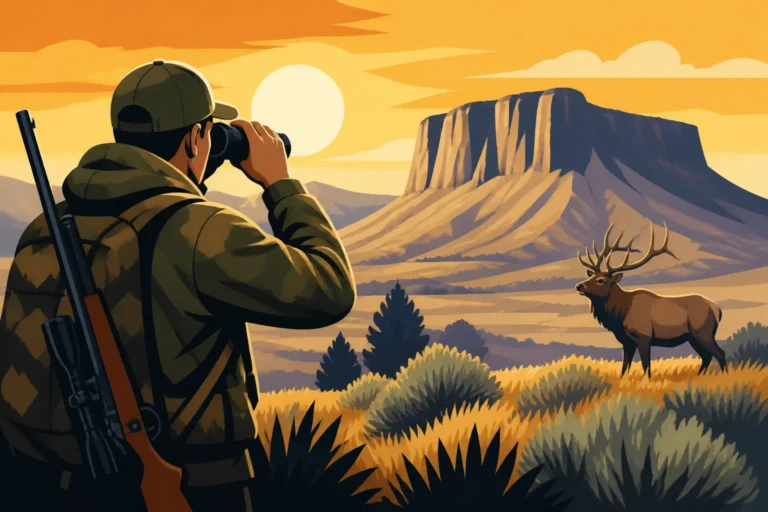
This is where your optics earn their keep. The Carrizo Plain is a glassing paradise, but only if you have quality equipment. Forget walking around hoping to jump a buck; you'll be spending hours, perhaps days, behind glass. High-quality binoculars (10×42 or 12×50 are great starting points) are non-negotiable. A spotting scope with a sturdy tripod is equally important for identifying distant animals and judging them accurately, especially for elk. You'll be picking apart distant hillsides and looking into subtle draws, often at ranges of a mile or more. Best Binoculars for Glassing a Burn Scar might offer some comparable insight for open country.
A reliable rangefinder capable of accurately reading distances out to at least 1,000 yards is also essential. Misjudging distance in this open country is easy and can lead to missed shots or, worse, unethical situations. For hunters targeting elk, a flat-shooting rifle caliber paired with non-lead bullets designed for long-range performance is highly recommended. Make sure your rifle is sighted in accurately and you're confident in your shooting abilities at extended distances.
Hydration, Navigation, and Safety Essentials
Water, water, and more water. You cannot overpack water for the Carrizo Plain, especially during the warmer months. Dehydration is a serious threat. Bring more than you think you'll need, and consider a portable water filter as a backup, though natural water sources are scarce. Navigation is also critical. While the plain seems simple, the rolling hills and repetitive landscape can quickly disorient you, especially if you're focused on a distant animal. A GPS device or a robust mapping app like onX Hunt or GoHunt with downloaded offline maps is essential. Cell service is spotty to nonexistent in many areas. Best GPS App for California Public Land is a must-have.
Beyond these, a comprehensive first-aid kit is crucial. You're often a long way from help, and simple scrapes can become infected quickly in dusty conditions. A satellite messenger or personal locator beacon (PLB) is a wise investment for communicating in emergencies when out of cell range. Prepare for vehicle breakdowns by carrying extra fuel, a spare tire, tire repair kit, jumper cables, and basic tools. A shovel and traction boards can also be invaluable if you encounter mud or soft sand.
Clothing and Footwear for Desert Conditions
Layering is the name of the game. Mornings can be chilly, even frosty, but by midday, temperatures can soar. Start with moisture-wicking base layers, add insulating mid-layers, and top it off with a windproof and water-resistant outer shell. Avoid cotton, which holds moisture and can quickly lead to hypothermia if temperatures drop or you get wet. Camo patterns that blend with dry grasses and sparse scrub will be more effective than forest patterns.
Footwear must be comfortable, supportive, and durable. You'll be covering many miles over uneven, sometimes rocky, terrain. High-ankle boots offer stability and protection from thorns and rattlesnakes. Ensure they are well-broken in before your hunt. Gaiters can be a lifesaver, keeping dust, burrs, and foxtails out of your boots and socks. Don't forget a wide-brimmed hat, sunglasses, and plenty of sunscreen to protect against the relentless sun.
| Item Type | Specific Gear Recommendation | Why It's Essential on Carrizo Plain |
|---|---|---|
| Optics | 10x or 12x Binoculars | Essential for scanning vast, open terrain; identifying distant game. |
| High-Power Spotting Scope + Tripod | Crucial for extended glassing, identifying and judging animals at extreme distances. | |
| Long-Range Rangefinder (1000+ yards) | Accurate distance measurement is critical in deceptive open country for ethical shots. | |
| Navigation | GPS Device or Mapping App (e.g., onX Hunt) | Reliable navigation in areas with no cell service; shows public/private land and restricted zones. |
| Downloaded Offline Maps | Cell signal is unreliable; offline access to maps ensures you always know where you are. | |
| Hydration | Ample Water (3-5+ liters/day) | Dehydration is a major risk; natural water sources are scarce. Bring more than you think you need. |
| Water Filter (Backup) | For emergency situations, though natural sources are limited. | |
| Safety | First-Aid Kit (Comprehensive) | Help is often far away; treat injuries quickly to prevent complications. |
| Satellite Messenger / PLB | For emergency communication where cell service is absent. | |
| Vehicle Emergency Kit | Spare tire, jack, basic tools, jumper cables, traction boards for remote breakdowns. | |
| Clothing | Layered System (Wicking, Insulating, Shell) | Adapt to extreme temperature swings from cold mornings to hot afternoons. |
| Wide-Brimmed Hat, Sunglasses, Sunscreen | Protection from intense, direct sunlight. | |
| Footwear | Sturdy, Broken-In Hiking Boots | Comfort and support for many miles over uneven, potentially rocky terrain. |
| Gaiters | Keep dust, burrs, and plant matter out of your boots. |
Strategies for Hunting the Carrizo Plain
Hunting the Carrizo Plain demands a specific set of strategies, largely revolving around patience, precision, and an intimate understanding of open-country game behavior. This isn't a place for quick, reactionary hunting; it's a chess match played across a vast board.
Spot-and-Stalk Techniques
Spot-and-stalk is the dominant hunting method on the Carrizo Plain. With such expansive views, sitting and waiting is generally ineffective for big game unless you're positioned perfectly over a water source during a hot, dry spell. Instead, you'll want to find a high vantage point, settle in, and spend hours behind your binoculars and spotting scope, systematically picking apart the landscape. Glassing a Canyon for a Bedded Buck or Glassing Mule Deer in Open California Country gives you an idea of the intensity involved. Look for subtle movements, unusual shapes, or changes in color that indicate an animal. Pay close attention to shaded slopes in the morning or evening, and areas near water.
Once an animal is spotted, the real challenge begins: planning and executing a stalk across open ground with minimal cover. This requires extreme patience and often involves long detours to utilize every fold in the terrain, every patch of saltbush, or every dry wash. Use the wind to your advantage, keeping it in your face or quartering. Be prepared for multiple attempts; animals in open country are inherently wary and will often spot you before you get within range. This is a game of inches and hours.
Reading the Landscape for Game Sign
While fresh tracks and rubs might not be as common or obvious as in timbered areas, the Carrizo Plain still offers plenty of sign for the discerning hunter. Look for well-worn game trails leading to and from water sources, through saddles in the hills, or connecting pockets of denser vegetation. These trails will indicate regular travel routes. Droppings can give you a good idea of what species are frequenting an area and how recently.
Perhaps most important is identifying feeding areas. Elk will leave obvious grazing patterns in the grass. Wild pigs, with their powerful snouts, will tear up large sections of ground looking for roots and invertebrates, leaving unmistakable "rooting" sign. Hunting Pigs Without a Closed Season is something to be aware of. Pay attention to how game uses the terrain for shelter from wind or sun, and where they might bed down for the day. Learning to "read" the plain means understanding how game animals interact with its unique features, from the subtle nuances of a water seep to the sheltering embrace of a small knoll.
Managing Hunting Pressure and Other Users
The Carrizo Plain is public land, and as such, you will likely encounter other users. This might include other hunters, photographers, birdwatchers, or even researchers. While it's generally a vast enough area to disperse people, popular access points or areas known to hold game can see higher pressure, especially during opening weekends. Being aware of this pressure and planning accordingly can improve your experience.
Try to scout during the off-season to identify areas that might receive less attention. Sometimes, simply walking a little further from a road or parking area can put you into untouched territory. Always be respectful of other users, and practice good sportsmanship. If you see another hunter actively stalking an animal, give them a wide berth. Remember, we all share this amazing resource. Being courteous helps ensure a positive experience for everyone and maintains a good reputation for hunters.
Respecting the Environment and Leaving No Trace
Hunting on the Carrizo Plain isn't just about bagging an animal; it's about connecting with a truly wild landscape and ensuring it remains pristine for future generations. Given the sensitive nature of this National Monument, ethical conduct and adherence to Leave No Trace principles are not just good ideas, they are critical.
Ethical Hunting Practices and Carcass Disposal
Ethical hunting begins with knowing your limits and ensuring a clean, quick kill. This means practicing your shooting skills well before the season and being confident in your ability to make an accurate shot at the distances you might encounter on the plain. If you make a shot, dedicate yourself to recovering that animal, no matter how difficult the task. Blood trailing can be tough in open, dry conditions, but it's your responsibility. Blood Trailing After Dark in California might be necessary if daylight fades.
Once an animal is down, proper carcass disposal is key. Pack out all non-biodegradable waste, including gut piles if regulations require it or if you are in a highly visible area. Move the carcass away from roads, trails, and water sources if possible. The goal is to leave no trace that you were there, allowing nature's scavengers to do their work discreetly without creating a nuisance or attracting unwanted attention. This also includes packing out all spent casings and trash.
Fire Safety and Off-Road Vehicle Impact
Fire danger on the Carrizo Plain, especially during the dry seasons, is extremely high. One spark from a vehicle, a misplaced cigarette, or an unextinguished campfire could devastate thousands of acres of fragile habitat. Always check fire restrictions before heading out. Often, campfires are completely prohibited, and even gas stoves may have restrictions. Carry a fire extinguisher in your vehicle and be acutely aware of anything that could cause a spark.
As mentioned earlier, off-road vehicle travel is strictly prohibited off designated routes. The fragile soils and plant life of the Carrizo Plain are easily damaged by vehicle tracks, creating scars that can last for decades. Stick to established roads and trails, even if it means a longer hike to your desired hunting area. This commitment to staying on designated routes helps protect the ecosystem and prevents conflicts with land managers and other users.
Wildlife Protection and Sensitive Habitats
The Carrizo Plain National Monument is home to numerous endangered and threatened species, from the San Joaquin kit fox to the giant kangaroo rat. Hunters have a vital role in protecting these species by being aware of their presence and avoiding disturbance to their habitats. Know where restricted areas are and respect those boundaries. If you encounter an endangered species, observe it from a distance and do not approach or disturb it.
Understanding the broader ecological context of the plain means recognizing sensitive habitats like alkali flats, seasonal wetlands, and unique plant communities. These areas often support specialized wildlife and should be treated with extra care. Your actions as a hunter directly reflect on the broader hunting community. By demonstrating a deep respect for the land and all its inhabitants, you contribute to a positive image of hunting and help ensure that these public lands remain open for future outdoor enthusiasts.
Planning Your Trip: Permits, Scouting, and Logistics
A successful hunt on the Carrizo Plain starts long before you ever set foot on the ground. Meticulous planning, understanding the permit process, and leveraging modern scouting tools are paramount for navigating this challenging yet rewarding landscape.
Licensing and Tag Requirements
Before anything else, ensure you have all the necessary California hunting licenses and tags. This includes a valid California hunting license, any required endorsements (like an upland game bird validation if you plan to hunt small game), and the specific tag for the species you intend to pursue. For elk, particularly the tule elk on the Carrizo, you'll need to apply through the California Big Game Drawing Explained, which is a draw system with challenging odds. Obtaining a tag for the Carrizo Plain is often a multi-year endeavor for many hunters, demanding persistence in the draw.
Wild pigs require a California's Year-Round Wild Pig Tag, which can be purchased over the counter. Always carry proof of your licenses and tags while hunting, whether physical copies or digital versions if permissible. Double-check all season dates and bag limits for your specific area and species, as these can vary. And of course, the statewide non-lead ammunition requirement applies here, so ensure your chosen ammunition complies with California law.
Pre-Season Scouting and Digital Tools
Given the vastness and open nature of the Carrizo Plain, pre-season scouting is absolutely critical. If you can, make a trip or two before the season opens to familiarize yourself with the terrain, locate water sources, and identify potential game corridors. Pay attention to fresh sign and observe animal movements during different times of day. Even without animals present, learning the contours of the land, identifying potential glassing knobs, and noting likely bedding areas will give you a significant advantage.
Digital mapping tools like onX Hunt and GoHunt are invaluable for this. You can overlay public land boundaries, designate specific closed areas, mark waypoints for water, high points, or game sign, and even analyze terrain features like elevation changes and shaded slopes from the comfort of your home. These apps allow you to drop pins, create routes, and even monitor weather conditions. You can also use them to plan your vehicle access and identify hike-in spots. Investing time in "e-scouting" is a game-changer for a place like the Carrizo Plain. Scouting California Public Land Before Season is not optional here.
Camping and Accommodations on the Plain
Camping is often the most practical accommodation option for hunting the Carrizo Plain, given its remote nature. The BLM offers primitive camping along some of the main roads, typically without developed facilities like water or restrooms. "Dispersed camping" is often allowed in certain areas, meaning you can camp outside of designated campgrounds, but always verify current regulations. This generally means packing in everything you need and packing out everything you bring, including all trash and human waste. Be prepared to be self-sufficient.
While there are small towns surrounding the Carrizo Plain, such as Taft or Santa Margarita, they are usually a significant drive from the core hunting areas. Booking accommodations in these towns would mean daily commutes of an hour or more, eating into valuable hunting time. For most hunters, a well-equipped camp on the plain itself offers the best strategic advantage, allowing for early morning starts and late evening glassing without a long drive back to town. Just be mindful of weather, especially wind, and secure your camp thoroughly.
Disclaimer
This article is for general informational purposes only and does not constitute professional advice. Laws, prices and regulations vary by location and change over time. Consult a qualified professional for guidance on your specific situation.