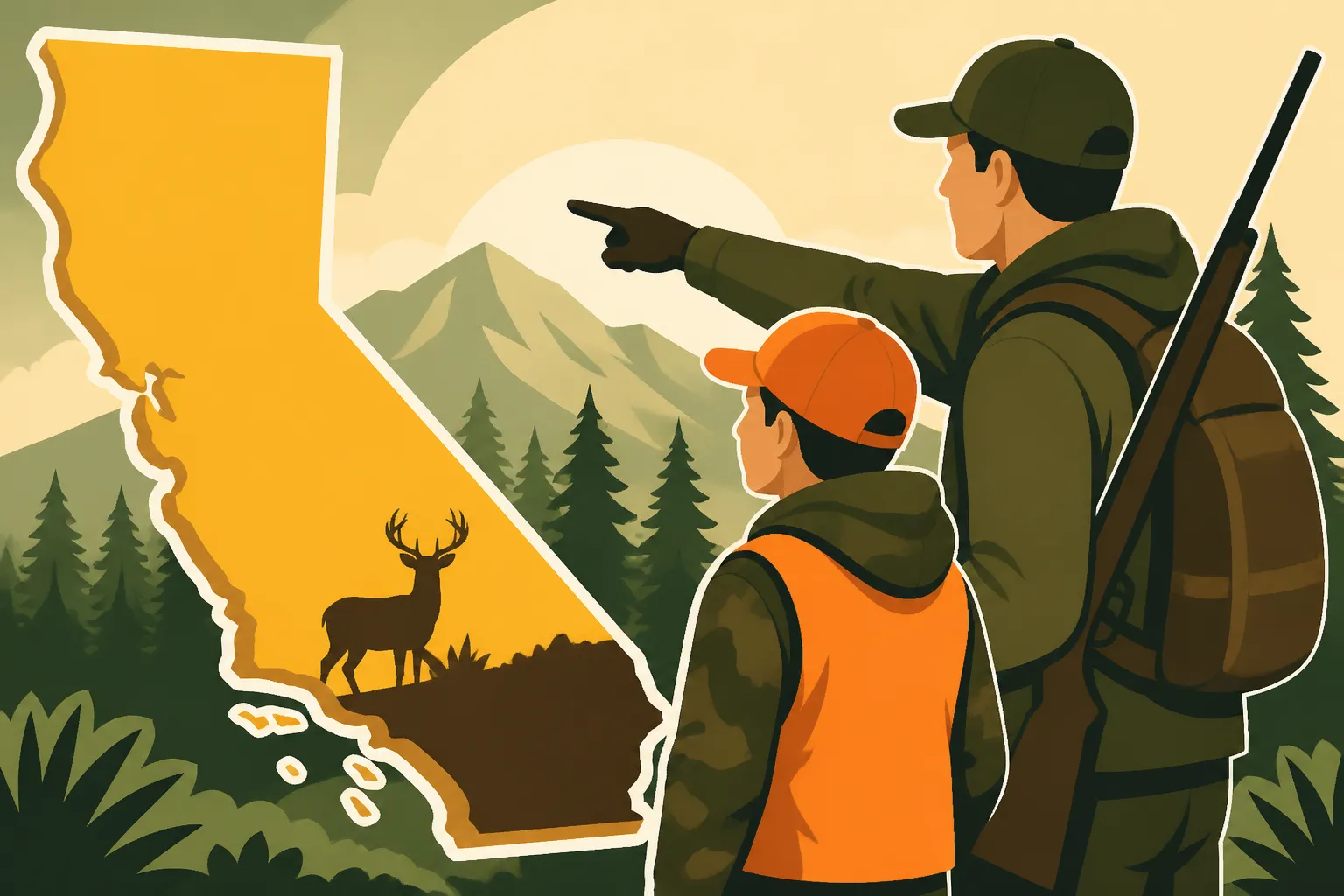
California Apprentice Hunter License Rules
It can feel overwhelming and a little intimidating when you're first dipping your toes into the world of hunting, especially here in California with all our unique regulations. For new hunters, or even those just thinking about it, figuring out where to start, what licenses you need, and how to get proper instruction can be a real hurdle. That's where California's Apprentice Hunter License program steps in, offering a fantastic pathway for aspiring hunters to gain invaluable field experience under the watchful eye of a seasoned mentor before completing the mandatory hunter education course. This guide is all about demystifying that process, showing you how this program works, and helping you navigate the rules for a safe, ethical, and successful introduction to hunting.
Understanding California's Apprentice Hunter License Program
California's wildlife conservation efforts are deeply rooted in hunter education and safety. However, the state also recognizes that getting real-world experience is crucial for developing responsible hunters. The Apprentice Hunter License program is designed to bridge that gap, allowing individuals to experience hunting firsthand, alongside an experienced mentor, without having first completed the formal hunter education course. It's truly a "try before you buy" approach, but with all the necessary safety nets in place.
What Exactly Is an Apprentice Hunter License?
Think of the Apprentice Hunter License as a provisional permit. It’s not a full hunting license, but rather a temporary way for someone to participate in hunting activity while under direct, immediate supervision. The core idea is simple: if you're new to hunting and want to see what it's all about, you can get this special license and go hunting with an adult who already holds a valid California hunting license and is at least 18 years old. This adult then acts as your mentor, responsible for your safety and adherence to all regulations.
This license is an amazing tool for families and friends who want to introduce someone new to the tradition. It removes that initial barrier of needing to dedicate several hours (or days) to a hunter education course before ever even seeing a field. It’s perfect for someone considering hunting but unsure if they want to commit fully, or for a young person eager to learn directly from a parent or guardian. The California Department of Fish and Wildlife (CDFW) manages this program to encourage participation while maintaining high safety standards.
Key Benefits for New Hunters and Mentors
The advantages of the Apprentice Hunter License program are truly significant for everyone involved. For the new hunter, it's an unparalleled opportunity to get hands-on experience in a low-pressure environment. You get to learn directly from someone with practical knowledge, observing everything from scouting techniques to ethical shot placement and field dressing. This kind of experiential learning is often far more effective than just reading a manual or watching videos. You get to feel the crisp morning air, see the wildlife in its natural habitat, and understand the nuances of hunting strategy. This can be especially important in diverse landscapes, whether you're learning about Hunting Coastal Range Oak Woodlands or trying to understand Wind and Thermals in Steep Sierra Country.
For mentors, it's a chance to pass on a cherished tradition and ensure the future of hunting. You get to share your passion, instill good conservation values, and directly teach safe firearm handling and ethical hunting practices. It’s incredibly rewarding to guide a new hunter through their first successful outing, witnessing their excitement and growth. Moreover, having a structured program like this gives mentors clear guidelines, which is always helpful when you're taking on the responsibility of introducing someone new to hunting. Many experienced hunters use resources like GoHunt to scout areas and plan trips, which can then be used to teach an apprentice effective planning. It solidifies the bond and creates lasting memories, building the next generation of responsible outdoors enthusiasts.
Eligibility and Requirements for Apprentice Hunters
Before you or your mentee can hit the field, it's crucial to understand the specific rules that govern who can get an Apprentice Hunter License and what's expected once you have it. California's regulations are designed to ensure safety and ethical conduct, especially when bringing new people into the fold.
Age Restrictions and Adult Supervision
In California, anyone who is at least 12 years old can purchase an Apprentice Hunter License. There's no upper age limit, which means adults new to hunting can also take advantage of the program. However, the critical component here is the "adult supervision" aspect. The mentor must be at least 18 years old and hold a valid California hunting license for the current license year. This isn't just a suggestion; it's a legal requirement.
The CDFW regulations are very clear on what "immediate supervision" means. The mentor must be in a position to take immediate control of the firearm or archery equipment of the apprentice hunter. This typically translates to being within arm's reach for younger or less experienced apprentices, or at least within immediate voice control and visual contact, and close enough to intervene physically if necessary. You can dive deeper into the specifics of How Close a California Mentor Must Stay to ensure you're fully compliant. The safety of the apprentice and everyone else in the field is paramount, so mentors must take this responsibility seriously.
How to Acquire the Apprentice License
Getting an Apprentice Hunter License in California is a fairly straightforward process, designed to be accessible. You can purchase it directly through the California Department of Fish and Wildlife's (CDFW) online license sales system, through a licensed agent (like many sporting goods stores), or at a CDFW license sales office. Many hunters use the GoHunt platform or similar resources to manage their licenses and tags, and the apprentice license is just another item you can add.
Here's a quick rundown of the steps:
- Meet Age Requirements: Ensure the apprentice is at least 12 years old.
- Mentor Readiness: Confirm the mentor has a current, valid California hunting license and is at least 18 years old.
- Purchase Online/In-Person: Navigate to the CDFW website or visit a license agent. Select the "Apprentice Hunting License."
- Provide Information: You'll need to provide the apprentice's personal information (name, date of birth, address, etc.). If purchased online, you'll print a temporary license.
- Cost: The cost is generally comparable to a junior hunting license or a reduced-fee annual license, making it a very affordable entry point. It's always a good idea to check the current rates on the CDFW website or through the GoHunt platform, which usually has up-to-date pricing info, as part of understanding California Hunting Licenses and What They Cost.
The license is valid for the remainder of the current license year. Remember, this license doesn't negate the need for specific tags for certain game animals. For example, if you plan on hunting deer or wild pigs, the apprentice will still need to purchase the appropriate tags, just like any other hunter.
What Game Can Be Hunted with an Apprentice License?
This is where the Apprentice Hunter License truly shines. It allows the apprentice to hunt for any legal game animal for which the mentor possesses a valid license, tags, and stamps. This means if the mentor has a valid deer tag, the apprentice can hunt deer under their supervision. If the mentor has a waterfowl stamp, the apprentice can participate in waterfowl hunting.
It's crucial to remember that while the apprentice doesn't need prior hunter education, they do need to acquire any necessary tags for specific game animals. For instance, if you're planning a trip to go Wild Pig Hunting California Year-Round, both the mentor and the apprentice would need to possess current California Wild Pig Tags. The same goes for deer, bear, or elk. The mentor also needs to ensure all legal requirements, such as California's Choosing Non-Lead Rifle Ammunition in California mandate, are followed by both themselves and their apprentice.
This broad applicability allows new hunters to experience a variety of hunting opportunities, whether it's chasing small game, calling turkeys, or even pursuing big game like deer. It's an excellent way to get a taste of different hunting styles and species, helping the apprentice discover what aspects of hunting they enjoy most, all while learning about responsible wildlife management and conservation.
Mentor Responsibilities and Best Practices
Being a hunting mentor is a huge responsibility, but it's also one of the most rewarding experiences you can have in the outdoors. You're not just supervising; you're shaping the next generation of hunters, instilling values, knowledge, and skills that will last a lifetime.
Legal Obligations of a Mentoring Hunter
As a mentor, your legal obligations go beyond just being present. You are directly responsible for ensuring the apprentice hunter understands and complies with all hunting laws and regulations. This includes:
- Direct and Immediate Supervision: As mentioned before, you must be in a position to take immediate control of the apprentice's weapon. This means no wandering off to check a different ridge while your apprentice is sitting alone. For the safety of the apprentice and others, strict adherence to the rules of How Close a California Mentor Must Stay is non-negotiable.
- Safety First: You are the primary safety instructor. This means teaching proper firearm or bow handling, muzzle control, trigger discipline, understanding your zone of fire, and identifying your target and what's beyond it. You're also responsible for ensuring that the apprentice is using legal ammunition, especially given California's Non-Lead Ammunition Requirement.
- Regulatory Compliance: Ensure the apprentice has all the necessary licenses, tags, and stamps for the game being pursued. You must also ensure they understand bag limits, season dates, and reporting requirements (like Reporting a Pig Harvest Through ALDS).
- Ethical Conduct: You're the role model for ethical hunting. Teach fair chase principles, respect for wildlife, responsible land stewardship, and proper field care of harvested animals.
Failing to meet these obligations can result in serious consequences, not just for the apprentice but for the mentor as well, including fines, license suspension, or even criminal charges. The weight of this responsibility should never be underestimated.
Creating a Positive First Hunting Experience
Beyond the legal requirements, a good mentor focuses on making the experience positive, educational, and fun. The goal isn't just to punch a tag; it's to foster a lifelong love and respect for the outdoors.
Here are some best practices:
- Start Simple: Don't immediately jump into a challenging backcountry elk hunt. Consider starting with small game, target shooting, or even just scouting trips to familiarize the apprentice with the environment, tracking, and identifying game. Quail Hunting California Foothill Chaparral or dove hunting can be great introductions due to higher success rates and less intense physical demands.
- Emphasize Learning Over Harvesting: Focus on teaching about animal behavior, habitat, shot placement, and tracking. Celebrate effort and learning, even if no game is harvested. The experience itself is the trophy.
- Patience is Key: New hunters will have questions, make mistakes, and need things explained multiple times. Be patient, encouraging, and understanding. Remember your own early days in the field.
- Teach Beyond the Shot: Demonstrate proper field dressing, meat care, and respecting the animal after the harvest. Explain why conservation efforts are vital and how hunter dollars contribute to them.
- Use Tools Wisely: Leverage mapping apps, weather forecasts, and platforms like GoHunt for planning. Show the apprentice how to read aerial maps to find promising terrain or understand Finding Ground Others Walk Past. These modern tools are essential for today's hunter.
- Safety Briefings: Before every outing, go over a safety briefing, reminding the apprentice of the four rules of firearm safety, shot placement, and your plan for the hunt.
By prioritizing safety, education, and enjoyment, you'll help create not just a hunter, but a passionate conservationist.
Transitioning from Apprentice to Licensed Hunter
The Apprentice Hunter License is a fantastic starting point, but it's important to remember it's a temporary measure. To become a fully licensed, independent hunter in California, the apprentice must complete an approved hunter education course. This is the next crucial step in their journey.
The California Hunter Education Requirements cover essential topics like hunting ethics, wildlife identification, firearm safety, survival skills, first aid, and conservation principles. Once successfully completed, the apprentice will receive a hunter education certificate, which is then used to purchase a full California hunting license.
Here's the typical progression:
- Gain Experience: Utilize the Apprentice Hunter License to get initial field experience under mentorship.
- Complete Hunter Education: Enroll in and pass a certified California hunter education course. Options include in-person classes, online courses followed by a field day, or a full online course with a final exam. You can find more details at Who Needs California Hunter Education.
- Purchase Full License: With the hunter education certificate, the individual can now purchase a full annual hunting license from the CDFW.
- Apply for Tags: Once licensed, they can apply for specific game tags, such as those obtained through The California Big Game Drawing Explained, for species like deer, bear, or elk.
This structured progression ensures that new hunters not only gain practical experience but also possess a comprehensive theoretical understanding of responsible hunting, equipping them for a lifetime of safe and ethical outdoor pursuits.
Common Questions and Misconceptions
It's natural to have questions, especially when dealing with specific licensing programs like the Apprentice Hunter License. Let's clear up some common points of confusion.
Can I mentor more than one apprentice at a time?
This is a frequently asked question, and the answer in California is generally no, not for active hunting situations where firearms or archery equipment are being handled. While regulations don't explicitly state a hard one-to-one ratio in all contexts, the requirement for "direct, immediate supervision" fundamentally limits a mentor to effectively supervising only one apprentice at a time when that apprentice is actively hunting or handling a weapon.
Think about it from a safety perspective: how can one person maintain immediate control over two separate individuals handling weapons, especially if they are in different locations or encounter an animal at the same time? The primary concern is always safety and the ability to intervene instantly. Therefore, if you're taking an apprentice out to hunt, plan on a one-to-one ratio for active hunting scenarios to ensure full compliance with the immediate supervision requirement and, more importantly, to guarantee the safest possible environment. You can learn more about California's approach to California Mentored Youth Hunting Rules for a deeper dive.
Is the Apprentice License a Substitute for Hunter Education?
This is perhaps the biggest misconception. Absolutely not. The Apprentice Hunter License is not a replacement for hunter education. It is explicitly designed as a stepping stone, an introductory experience before completing the formal hunter education course. The CDFW clearly states that this license allows an individual to hunt prior to completing hunter education, but it does not exempt them from eventually completing it to obtain a regular hunting license.
Once an apprentice hunter decides they want to continue hunting beyond the initial year (or as soon as they feel ready), they must successfully complete a state-approved hunter education course. Only then can they purchase a full California hunting license and hunt independently. The apprentice license merely provides an opportunity for practical field exposure and mentorship, making the formal hunter education more meaningful when they eventually take it. So, while it's a fantastic program, keep in mind its provisional nature.
What Happens If an Apprentice or Mentor Makes a Mistake?
Hunting regulations are in place for safety, conservation, and ethical conduct. Violating these rules, whether intentionally or accidentally, can lead to serious consequences for both the apprentice and the mentor.
- For the Apprentice: Depending on the severity of the violation, consequences can range from warnings and fines to the revocation of hunting privileges and even criminal charges for serious offenses. For example, hunting out of season, exceeding bag limits, or unsafe firearm handling are all serious infractions.
- For the Mentor: As the supervising adult, the mentor is legally responsible for the apprentice's actions. If the apprentice commits a violation, the mentor can be held equally, or even solely, responsible. This could mean personal fines, loss of their own hunting license, or other legal repercussions.
This underscores why the "immediate supervision" rule and the mentor's legal obligations are so crucial. It's not just about teaching, it's about active oversight and intervention. Before heading out, it's always wise for both parties to review all applicable regulations, especially concerning specific game species and local rules. Ignorance of the law is not an excuse.
Here's a quick comparison of the Apprentice and Regular Hunter Licenses in California:
| Feature | Apprentice Hunter License | Regular California Hunting License |
|---|---|---|
| Hunter Education | Not required initially (pre-requisite for full license) | Mandatory |
| Supervision Required | Yes, direct and immediate by a licensed mentor | No, can hunt independently |
| Minimum Age | 12 years old | 12 years old (after completing hunter ed) |
| Validity | Current license year (temporary) | Current license year (renewable) |
| Game Huntable | Any game mentor is licensed/tagged for | Any game hunter is licensed/tagged for |
| Purpose | Introduction to hunting under mentorship | Full, independent hunting privileges |
| Cost (Resident) | Generally reduced fee | Standard annual fee (check CDFW for current pricing) |
Disclaimer
The information provided in this article is for general guidance and educational purposes only. Hunting regulations in California are complex and subject to change. Always consult the official California Department of Fish and Wildlife (CDFW) regulations, current hunting pamphlets, and any local ordinances before engaging in any hunting activities. It is the responsibility of every hunter to know and abide by all applicable laws.