Rocky Mountain Elk in Northeast California
For many California hunters, the dream of pursuing elk seems almost mythical, overshadowed by the intense competition for tags and the sheer vastness of our state's wild places. But if you’ve set your sights on the majestic Rocky Mountain Elk, specifically in the rugged, beautiful reaches of Northeast California, you’re looking at a truly unique and challenging endeavor. This guide is here to unravel the complexities, shed light on where these magnificent animals roam, and equip you with the knowledge to pursue a Rocky Mountain elk tag and embark on an unforgettable hunt.
The Rocky Mountain Elk in California's Northeast
When most people think of elk in California, they often picture the iconic Tule Elk of the Central Valley or the Roosevelt Elk in the dense, rainy redwood forests of the northwest. But tucked away in the sprawling, high-elevation landscapes of Northeast California, a distinct and impressive population of Rocky Mountain Elk thrives. These aren't just a few stragglers; they are a testament to successful reintroduction efforts and a management strategy that has allowed them to establish a foothold in some of the most remote and scenic parts of our state. Understanding their presence here is the first step toward a successful hunt.
A Brief History of Reintroduction and Population Growth
Historically, Rocky Mountain Elk were not native to California. The species found here were primarily Tule and Roosevelt elk. However, in the late 1980s, the California Department of Fish and Wildlife (CDFW), in cooperation with other agencies, initiated a reintroduction program. Elk from other western states, primarily Oregon, were transplanted into suitable habitats in Lassen and Siskiyou counties. The goal was to establish viable, free-ranging herds that would expand California's elk populations and provide additional hunting opportunities. This initiative proved remarkably successful, with these transplanted animals and their offspring adapting well to the high mountain valleys, pine forests, and sagebrush country of the region.
Today, these herds have grown steadily, albeit slowly, due to the limited amount of prime habitat and the challenges of managing large ungulates. While not as numerous as deer or even wild pigs in California, their numbers are stable and managed carefully. The annual tag quota for Rocky Mountain Elk is quite small, reflecting the conservative approach to ensure the long-term health and expansion of these herds. This makes securing a tag a truly coveted achievement, requiring persistence and a bit of luck in the draw.
Distinguishing Rocky Mountain Elk from Other California Species
It’s easy to tell a Rocky Mountain Elk apart from its California cousins if you know what to look for. Rocky Mountain Elk (Cervus canadensis nelsoni) are generally larger in body size and antler mass compared to Tule Elk (Cervus canadensis nannodes) and Roosevelt Elk (Cervus canadensis roosevelti). A mature Rocky Mountain bull can weigh over 700 pounds and stand five feet tall at the shoulder, with antlers that can spread five feet or more, featuring multiple long, thick tines. Their coats are typically tan with a darker brown mane and legs, and a distinctive light rump patch.
Tule Elk, by contrast, are the smallest North American elk subspecies, often with thinner antlers and lighter body weights, adapted to the grassland and wetland habitats of the Central Valley. Roosevelt Elk are larger than Tules, often rivaling Rocky Mountain Elk in body size, but their antlers tend to be more compact with less spread, and they prefer the dense, humid coastal forests, often exhibiting a darker, shaggier appearance. Understanding these distinctions isn't just for bragging rights; it helps you appreciate the specific adaptations and behaviors of the Rocky Mountain Elk you'll be pursuing in California's rugged northeastern zones.
Prime Habitats for Rocky Mountain Elk in Northeast California
To hunt Rocky Mountain Elk, you first need to know where they live. Unlike other game species that might be found across a broad range of the state, California’s Rocky Mountain Elk herds are highly concentrated in specific, often remote, areas of the northeastern quadrant. These regions are characterized by diverse topography, from sprawling sagebrush flats and volcanic plateaus to dense pine forests and steep mountain canyons, providing the varied food sources and cover these animals need.
Lassen and Siskiyou Counties: The Core Range
The primary stronghold for Rocky Mountain Elk in California lies within Lassen and Siskiyou counties. Specifically, areas within the Lassen National Forest, Modoc National Forest, and the surrounding Bureau of Land Management (BLM) lands are where you’ll find the highest concentrations. These areas offer a mosaic of habitats critical for elk survival. You'll encounter vast expanses of Ponderosa pine and mixed conifer forests that provide excellent bedding cover, especially during the day and in winter. Interspersed with these forests are large meadows, natural clearings, and sagebrush-bitterbrush communities, which serve as crucial feeding grounds, particularly in the mornings and evenings.
The landscape is rugged and often remote, meaning hunters need to be prepared for challenging terrain and limited access in some areas. Public land dominates much of this region, which is excellent news for hunters, but it also means extensive scouting is paramount. Areas around the Hat Creek Rim in Lassen County, and the various mountain ranges within Siskiyou County near the Oregon border, are key regions to research. These regions often feature volcanic rock formations and lava flows, creating natural barriers and unique challenges for navigating the terrain.
Identifying Key Terrain Features and Forage Sources
Rocky Mountain Elk are creatures of habit and will gravitate towards areas that provide both food and cover, often dictated by the season. In the warmer months, they favor higher elevations where temperatures are cooler and green forage is abundant, such as lush mountain meadows and timbered slopes. As fall progresses and hunting season approaches, they might move to lower elevations, following the cooler temperatures and seeking out areas with good browse and water sources. Look for areas with a mix of timber and open spaces, especially those with natural water sources like springs, creeks, and small ponds.
Forage is paramount. Elk are grazers and browsers, so they will seek out grasses, forbs, and the tender shoots of shrubs like bitterbrush, serviceberry, and aspen. Burn scars from past wildfires can also be hot spots; the regenerating vegetation provides highly nutritious new growth that elk eagerly exploit. When you're scouting, pay close attention to areas that show evidence of fresh grazing, tracks, and droppings. Remember, these animals can cover vast distances, so knowing how to effectively use a mapping tool, like the public land layers offered by GoHunt, can be a game-changer for understanding land ownership and identifying potential elk corridors. You'll want to study areas that offer a combination of dense security cover for bedding and open feeding areas.
The Challenge of Rocky Mountain Elk Hunting in California
Let’s be honest, getting a Rocky Mountain Elk tag in California is tough. It’s a pursuit defined by patience, persistence, and often, a hefty dose of luck in the draw. Unlike deer tags in some zones, elk tags are extremely limited, reflecting the conservation-first approach to managing these unique herds. This scarcity makes the pursuit all the more rewarding for those who are successful, but it also means hunters need to be realistic about their chances and fully understand the application process.
Understanding the California Big Game Drawing
The only way to secure a Rocky Mountain Elk tag in California, outside of a very rare landowner tag, is through the annual California Big Game Drawing. This isn't like buying an over-the-counter tag; it's a competitive lottery system. Every year, thousands of hopeful hunters apply for a handful of coveted elk tags across the state's various elk zones. For Rocky Mountain Elk specifically, the number of tags issued is incredibly low, often in the single digits for many units. This directly impacts your draw odds, which are typically well under one percent for many Rocky Mountain Elk hunts.
The application period usually opens in the spring, and it’s critical to submit your application on time. Missing the deadline means waiting another year. You'll need a valid California hunting license to even apply. The system is based on a preference point system, meaning the more years you apply and are unsuccessful, the more points you accumulate, which theoretically increases your chances in future draws. However, even with maximum points, there’s no guarantee, as many others are in the same boat. It's truly a test of long-term commitment. You can learn more about how to navigate the complex application process by reading our guide on Applying for a California Tule Elk Tag in the Big Game Drawing.
Rocky Mountain Elk Tag Draw Odds and Management Units
The draw odds for Rocky Mountain Elk tags are notoriously low, often the lowest among all big game species in California. For specific hunt units like Northeastern California Rocky Mountain Elk Zone or zones within the Modoc and Lassen units, you might see odds well below 0.5%. This is a stark contrast to some deer zones where tags are far more plentiful. The CDFW manages these elk populations in specific "elk zones" or hunt units, each with its own allocation of tags. These allocations are based on population estimates, herd health, and management goals, which are designed to maintain healthy populations and provide sustainable hunting opportunities.
It's crucial to research the specific units where Rocky Mountain Elk tags are offered. Some units might have slightly better odds than others, or offer different season dates (archery vs. general rifle), but overall, expect a long wait. Websites like GoHunt offer excellent tools for analyzing draw odds and unit breakdowns, helping you make informed decisions about where to put in for your precious points. Understanding the nuances of California Elk Tag Draw Odds by Species is essential for any serious applicant. While you're at it, don't forget to mark your calendar for the California Elk Application Deadline to ensure you don't miss out on your chance each year.
Key Behaviors and Seasonal Patterns of Rocky Mountain Elk
Understanding the seasonal movements and behaviors of Rocky Mountain Elk is paramount to successful hunting, especially in the vast and varied terrain of Northeast California. Elk are highly adaptable, but their patterns are significantly influenced by weather, forage availability, and their reproductive cycle, known as the rut. Ignoring these natural rhythms is like trying to find a needle in a haystack; paying attention will help you narrow down your search and increase your chances of an encounter.
The Elk Rut in Northeast California
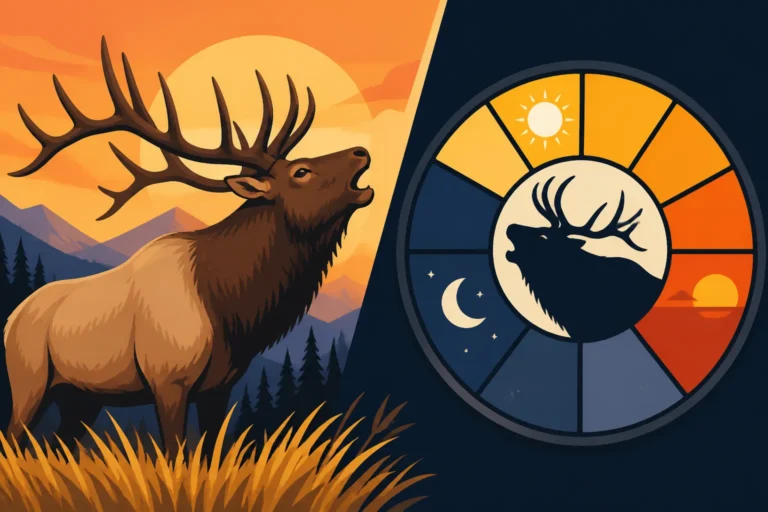
The rut, or breeding season, is arguably the most exciting time to hunt elk. For Rocky Mountain Elk in Northeast California, the rut typically peaks in September, extending into early October. During this period, bulls become highly vocal, bugling to attract cows and challenge rival bulls. This is when they are most active and can be located by their distinct calls. Knowing how and when to use calls can be incredibly effective during this time, drawing a curious or challenging bull into range. You can dive deeper into effective calling strategies with our guide on Calling a Bull Elk in September.
However, hunting during the rut in California means navigating the often-early archery seasons. Rifle seasons for elk often fall outside the peak of the rut, making bugling less effective and requiring different strategies. Even during rifle season, the residual effects of the rut can mean bulls are still somewhat active, but they will be much warier. Understanding the specific season dates for your tag is crucial, as it dictates the strategies you'll employ.
Summering Grounds and Wintering Habits
Elk are migratory animals, and their movements are largely driven by food and security. In the summer months, Rocky Mountain Elk in Northeast California will typically move to higher elevations, seeking out cooler temperatures, abundant green forage in mountain meadows, and dense timber for bedding. This is when cows are raising calves, and bulls are growing their antlers, often found in bachelor groups in secluded, high-country basins. Locating these summering grounds through early scouting can provide valuable intel for fall hunts.
As winter approaches, usually by late October or November, elk begin to move to lower elevations. Snowfall pushes them down from the high country into traditional winter ranges, which often consist of more sheltered valleys, south-facing slopes, and areas with available browse like bitterbrush and sage. These lower elevations offer easier travel and access to forage that isn't buried under deep snow. Understanding these migratory patterns, and knowing when and where specific units open (as discussed in Applying for a California Rocky Mountain Elk Tag Near Oregon), is key to predicting where elk might be during your hunting season.
Daily Movement Patterns and Bedding Areas
Beyond seasonal migrations, elk also follow daily movement patterns between bedding and feeding areas. Typically, elk will feed actively in open areas or forest edges during the early morning and late evening. As the sun rises, they move into dense cover, often on north-facing slopes, in thick timber, or in areas with heavy brush, where they will bed down to chew their cud and rest throughout the day. Locating these bedding areas requires careful observation and an understanding of prevailing winds and thermals.
During your hunt, approaching bedding areas quietly, often from downwind or crosswind, can lead to successful encounters. Elk have an incredible sense of smell and hearing, so being cognizant of your scent and noise is paramount. Knowing how to interpret tracks, scat, and rub signs will also help you identify travel corridors between feeding and bedding sites. This attention to detail and patience is what often separates successful elk hunters from those who go home empty-handed.
Scouting and Preparation for Rocky Mountain Elk
Hunting Rocky Mountain Elk in Northeast California is not a spur-of-the-moment endeavor. It demands extensive preparation, both physically and mentally, and thorough scouting. The sheer scale of the landscape, coupled with the elusive nature of elk, means you need to put in the legwork long before opening day. Think of it as an investment; the more you prepare, the higher your chances of success.
Pre-Season Scouting Strategies
Pre-season scouting is absolutely critical. Even if you don't have a tag in hand, familiarizing yourself with potential elk country is invaluable for future applications. If you are fortunate enough to draw a tag, you should dedicate as much time as possible to scouting your specific unit. Start by studying maps – topographical maps, aerial imagery, and land ownership maps are your best friends. Tools like GoHunt's mapping features can show you public land boundaries, terrain features, and potential water sources, helping you identify promising areas from home. Look for areas that have a good mix of dense timber for cover and open meadows or clearings for feeding. Identifying pinch points, saddles, and travel corridors between these areas can be highly effective.
Once you’ve identified some hotspots on the map, it’s time to hit the ground. Hiking into these areas, looking for fresh elk sign (tracks, droppings, rubs, wallows), and observing game movement are essential. Pay attention to how the wind and thermals behave in different parts of the terrain, as this will directly impact your hunting strategy. Set up trail cameras in key areas like water sources or game trails, but be mindful of regulations regarding their use on public land. Our comprehensive guide on Scouting California Public Land Before Season offers even more in-depth advice on getting a jump start on your hunt.
Physical Conditioning and Mental Toughness
Rocky Mountain Elk hunting is physically demanding. These animals live in steep, rugged country, and you'll often be covering miles on foot, gaining significant elevation, and potentially packing out hundreds of pounds of meat over difficult terrain. Don't underestimate the physical challenge. Start an intense training regimen months before your hunt. This should include cardiovascular exercises like hiking with a loaded pack, running, and cycling, as well as strength training. The better physical shape you are in, the more ground you can cover, and the better equipped you'll be to handle the demanding task of retrieving a downed animal.
Mental toughness is equally important. Elk hunting often involves long days, early mornings, and late nights, with many hours of seeing no animals. Frustration can set in. You need to be prepared for challenging weather, unexpected obstacles, and the emotional roller coaster of close calls and missed opportunities. Developing patience, perseverance, and a positive attitude will serve you well. Being mentally prepared to push through discomfort and stay focused, even when things get tough, is a hallmark of a successful elk hunter.
Essential Gear for a Northeast California Elk Hunt
Beyond your weapon and ammunition, the right gear can make or break your elk hunt. Given the varied conditions of Northeast California, you need versatile and reliable equipment. Non-lead ammunition is a mandatory requirement for all hunting in California, so ensure you have the correct, certified non-lead bullets for your rifle. Our article on California's Non-Lead Ammunition Requirement provides critical details on this.
Optics are non-negotiable: High-quality binoculars (10×42 or 12×50) and a spotting scope are essential for glassing vast landscapes and identifying elk at long distances. A rangefinder is also crucial for ethical shot placement in open country. We delve into this more with Optics for California's Open-Country Deer Hunting.
Layered Clothing and Boots: The weather in Northeast California can change rapidly, from warm sunny days to cold, wet, or snowy conditions. A layering system that allows you to adapt is key. Look for breathable, moisture-wicking base layers, insulating mid-layers, and a waterproof/windproof outer shell. Comfortable, sturdy, and broken-in hiking boots are paramount, preferably waterproof, as you’ll be covering a lot of ground in potentially wet or snowy conditions. Our guide on Boots and Clothing for California's Varied Terrain offers excellent advice here.
Backpack and Field Care Supplies: A sturdy backpack, ideally one with a good frame for hauling heavy loads, is essential. You'll need it to carry water, food, extra layers, first-aid supplies, and field dressing tools. Game bags are critical for keeping meat clean and cool, especially if you're hunting in warmer early-season conditions. A satellite communication device can also be a lifesaver in remote areas with no cell service. For an extensive breakdown of what to carry, check out Packs and Gear for a Backcountry Elk Hunt.
Hunting Strategies for Northeast California Rocky Mountain Elk
Once you've drawn that coveted tag and completed your scouting, it's time to put a plan into action. Hunting Rocky Mountain Elk in Northeast California demands a combination of patience, strategic movement, and adaptability. The vast public lands and the elk's natural wariness mean you need to be prepared to cover ground and employ specific tactics tailored to the terrain and the animal's behavior.
Spot-and-Stalk in Open Country
The terrain in much of Northeast California, particularly the volcanic plateaus and sagebrush steppe, lends itself well to spot-and-stalk hunting. This method involves using optics to locate elk from a distance, then carefully planning an approach to get within shooting range. This is where high-quality binoculars and a spotting scope truly shine. Find a vantage point that offers expansive views of potential feeding and bedding areas. Spend hours patiently glassing, picking apart every patch of timber, every shadow, and every open hillside. Elk often blend seamlessly into their surroundings, so look for abnormal shapes, patches of contrasting color, or the glint of an antler.
Once an animal or herd is spotted, the real work begins. Analyze the terrain, wind direction, and the elk's current activity. Plan your stalk to keep the wind in your favor, using draws, ridges, and cover to remain undetected. Move slowly and deliberately, paying attention to every step to avoid making noise. This method is incredibly effective for capitalizing on the open nature of the country, similar to tactics employed when Glassing Mule Deer in Open California Country. However, remember that elk are herd animals, and there are many eyes and ears to contend with.
Still-Hunting and Ambush Tactics in Timber
While glassing open country is effective, Rocky Mountain Elk in Northeast California will often seek refuge in dense timber, especially during the middle of the day or in areas with higher hunting pressure. This is where still-hunting and ambush tactics come into play. Still-hunting involves moving extremely slowly and quietly through the timber, taking a few steps, then pausing for several minutes to observe, listen, and scan for any sign of elk. Focus on game trails, natural funnels, and areas with fresh sign. Your goal is to see the elk before they see you.
Ambush tactics can be effective around known feeding areas, water sources, or travel corridors between bedding and feeding grounds. This might involve setting up before first light or late in the afternoon in an area where you’ve identified recent elk activity. Patience is key here; be prepared to sit for extended periods, remaining motionless and quiet, allowing the elk to move naturally into your vicinity. Pay close attention to wind direction, ensuring your scent isn't blowing towards the expected approach of the animals. Hunting along a Scrape Lines Along a Forest Service Road or near natural choke points can also increase your odds.
Calling and Decoy Strategies
Calling can be a highly effective tactic for Rocky Mountain Elk, especially during the rut. Bugling, cow calls, and calf calls can be used to locate elk, provoke a bull, or draw them closer. During the peak of the rut, aggressive bugling can challenge a dominant bull, often causing him to come investigate. More subtle cow and calf calls can pique the curiosity of a bull or bring in an entire herd. It's crucial to practice your calls before the hunt and understand the different sounds and what they signify.
Decoys, particularly cow elk decoys, can also be employed to draw a bull in closer during the rut, especially when combined with calling. A visual stimulant can be the final piece of the puzzle to convince a wary bull to commit. However, using decoys requires careful consideration of safety, especially on public lands where other hunters might be present. Always be aware of your surroundings and the location of other hunters, and ensure positive identification of your target. Regardless of your chosen method, persistence and adaptability are vital.
Essential Gear and Equipment Considerations
Preparing for a Rocky Mountain Elk hunt in Northeast California involves more than just a rifle and some bullets; it’s about having a complete system of reliable gear that can withstand the rigors of the backcountry and the demands of the hunt. Given the specific regulations and environmental conditions of California, certain equipment choices become even more critical.
Rifle and Caliber Selection for Elk
Choosing the right rifle and caliber is fundamental. For Rocky Mountain Elk, you'll need a caliber capable of delivering sufficient energy for a clean, ethical kill on a large animal. Popular choices include .300 Winchester Magnum, 7mm Remington Magnum, .30-06 Springfield, and .308 Winchester. Newer calibers like the 6.5 PRC or .300 PRC are also excellent options. The most important factor, however, is shot placement, which comes from proficiency with your chosen rifle. Spend plenty of time at the range, practicing shots from various positions and at different distances, to ensure you are confident and accurate. For a broader look at suitable firearms, see our guide on Rifles and Calibers for California Big Game.
Non-Lead Ammunition Mandate
California has a statewide ban on lead ammunition for all hunting, which means you must use certified non-lead bullets for your elk hunt. This isn't an option; it's a legal requirement. Most hunters opt for copper monolithic bullets, which offer excellent weight retention and terminal performance. Brands like Barnes TTSX, Hornady GMX, Federal Trophy Copper, and Nosler E-Tip are popular and proven choices. It's vital to test different brands and bullet weights with your specific rifle to find what shoots most accurately. Non-lead bullets can sometimes have different ballistic characteristics than their lead counterparts, so re-zeroing your rifle with your chosen non-lead load is absolutely essential. Our detailed article, Choosing Non-Lead Rifle Ammunition in California, provides an exhaustive breakdown of options.
Packing Out: Game Bags, Coolers, and Carts
Elk are large animals, and packing one out of the backcountry is a monumental task. You absolutely need a plan for game retrieval before you even pull the trigger. High-quality, breathable game bags are non-negotiable for protecting the meat from dirt, insects, and bacteria. Synthetic game bags are often preferred for their durability and reusability. Quartering an elk in the field is usually the most practical approach.
If hunting in warmer early-season conditions, you'll need to prioritize cooling the meat quickly. Having a large cooler (or multiple coolers) with plenty of ice back at your vehicle or camp is crucial. For extremely rugged terrain, a strong backpack frame designed for packing out heavy loads will be your best friend. In flatter, more accessible areas, a sturdy game cart can significantly ease the burden. Consider the terrain of your specific hunting unit when deciding on your retrieval strategy; what works in a flat meadow won't work in a steep canyon.
| Gear Category | Essential Items | Specific Considerations for CA Elk Hunting |
|---|---|---|
| Firearm/Bow | Rifle (e.g., .300 Win Mag), Bow (high poundage) | Must be proficient; suitable for large game. |
| Ammunition | Certified Non-Lead Bullets | MANDATORY in California. Test for accuracy with your rifle. |
| Optics | Binoculars (10x-12x), Spotting Scope, Rangefinder | High quality for vast landscapes. Tripod for stability. |
| Clothing | Layering System (base, mid, outer), Rain Gear | Adapt to rapid weather changes. Moisture-wicking, waterproof, windproof. Camo for specific habitat. |
| Footwear | Sturdy, Waterproof Hiking Boots | Broken-in for comfort and support over rugged, varied terrain. |
| Pack | Backpack with Frame (60L+), Daypack | Must be capable of packing out heavy meat. Durable and comfortable for long hikes. |
| Navigation | GPS Device/App (e.g., GoHunt), Maps, Compass | Offline maps crucial in remote areas. Understanding land ownership (BLM, National Forest). |
| Field Care | Game Bags, Sharp Knives, Bone Saw | High-quality, breathable bags. Knives for field dressing, bone saw for quartering. |
| Safety/Emergency | First-Aid Kit, Satellite Communicator, Headlamp | Essential for remote backcountry hunts. Headlamp with extra batteries. Bear spray if in bear country. |
| Food & Water | High-Energy Snacks, Water Filter/Purifier | Plenty of water. Backup filter for multi-day hunts. |
| Calls & Decoys | Elk Calls (bugle, cow), Cow Decoy | Especially important during the rut. Practice calls beforehand. |
Post-Harvest and Regulatory Compliance
Harvesting a Rocky Mountain Elk in California is an achievement of a lifetime, but the work isn't over once the animal is down. There are crucial post-harvest steps and regulatory compliances that every hunter must adhere to. Proper reporting, meat care, and understanding disease monitoring are not just good practices; they are legal requirements designed to ensure responsible wildlife management and public health.
Reporting Your Harvest
In California, reporting your elk harvest is mandatory. This is typically done online through the California Department of Fish and Wildlife's (CDFW) Automated License Data System (ALDS) within a specific timeframe, usually within 30 days of harvest. This data is vital for wildlife managers to track harvest success rates, population trends, and overall herd health. It directly informs future tag allocations and management strategies. Failing to report your harvest can result in penalties, so make sure you understand the requirements for your specific tag. Keep your tag attached to the animal until it is processed or stored.
The information you provide, such as the date and location of the harvest, the age and sex of the animal, and sometimes antler measurements, helps the CDFW make informed decisions about elk populations. This data, combined with population surveys and biological studies, paints a comprehensive picture of the state's elk herds, allowing for sustainable hunting opportunities.
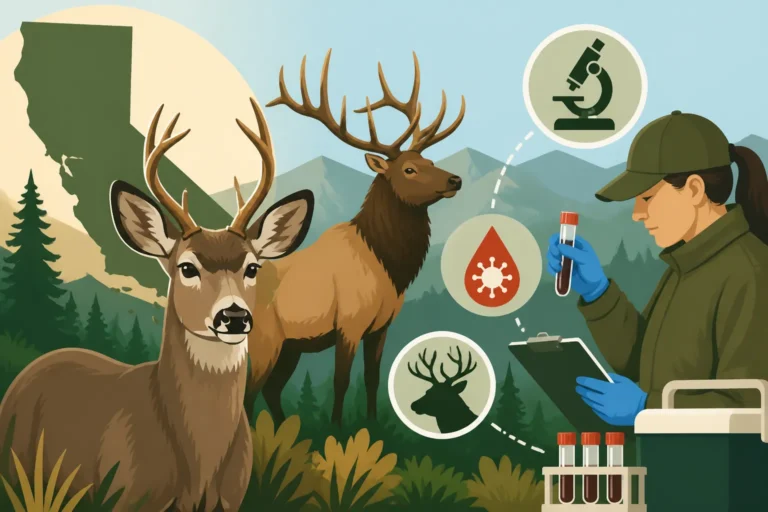
Chronic Wasting Disease CWD Monitoring
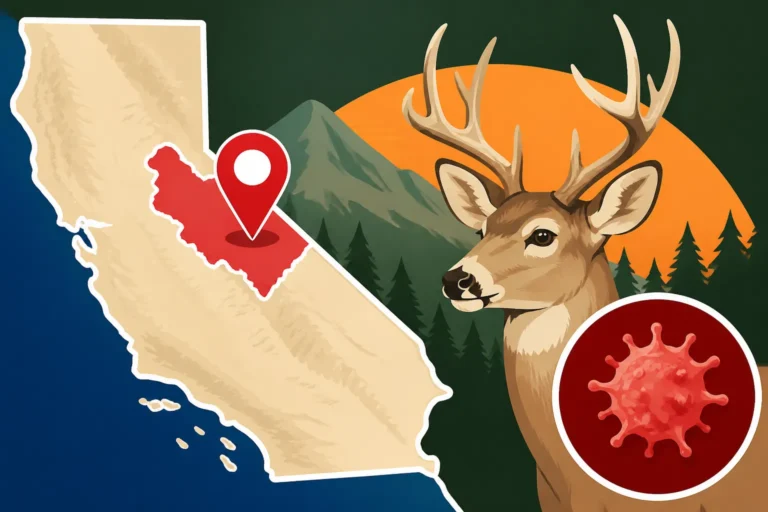
Chronic Wasting Disease (CWD) is a neurological disease affecting deer, elk, and moose that has been detected in several states. While CWD has only recently been detected in California in other cervids, elk hunters must be aware of potential CWD testing zones and requirements. The CDFW actively monitors for CWD, and in certain regions or zones, mandatory CWD testing of harvested deer and elk may be required. Hunters are often asked to submit specific lymph node or brainstem samples from their harvested animals at designated check stations or drop-off points.
Before your hunt, always check the latest CDFW regulations regarding CWD for your specific hunting unit. If CWD testing is required or recommended, understand the proper sample collection procedures or where to take your animal for sampling. Handling venison from a CWD testing zone with care and taking precautions during field dressing (e.g., wearing gloves, minimizing contact with brain and spinal tissue) are important for both safety and compliance. You can learn more about this by researching California's Two CWD Testing Zones.
Field Care and Meat Processing
Proper field care of your harvested elk is paramount to ensuring the quality of the meat. Elk meat is lean and delicious, but it can spoil quickly, especially in warmer temperatures. Once your elk is down, work quickly to field dress the animal, removing the entrails to allow the carcass to cool. If conditions are warm, quartering the animal and getting it into game bags to hang in a cool, shady spot is ideal. This allows air to circulate and cools the meat rapidly, preventing bacterial growth.
Transporting the meat to a professional processor or processing it yourself at home requires careful attention to hygiene and temperature control. Keep the meat as cool as possible during transport. Many hunters opt for local wild game processors, especially for a large animal like an elk, as they have the facilities and expertise to handle it efficiently. Whether you process it yourself or use a professional, proper aging, cutting, wrapping, and freezing are crucial steps to preserve your valuable harvest and enjoy it for months to come.
Disclaimer
The information provided in this article is for general guidance and informational purposes only. Hunting regulations, season dates, and specific requirements in California are subject to change by the California Department of Fish and Wildlife (CDFW). It is the hunter's responsibility to consult the most current CDFW regulations, understand all laws, and obtain the necessary licenses and tags before engaging in any hunting activities. Always prioritize safety, ethical hunting practices, and respect for wildlife and the environment.