California Turkey Brood Survey Results
It’s a tale as old as time for turkey hunters: the hope and anxiety leading up to spring season. Did the birds have a good nesting year? Are there lots of young poults running around, promising future gobblers? This guide will dive deep into California's turkey brood survey results, explaining what these crucial numbers mean for the health of our wild turkey populations and how you can use this insight to potentially improve your next hunt.
Understanding California's Turkey Brood Surveys
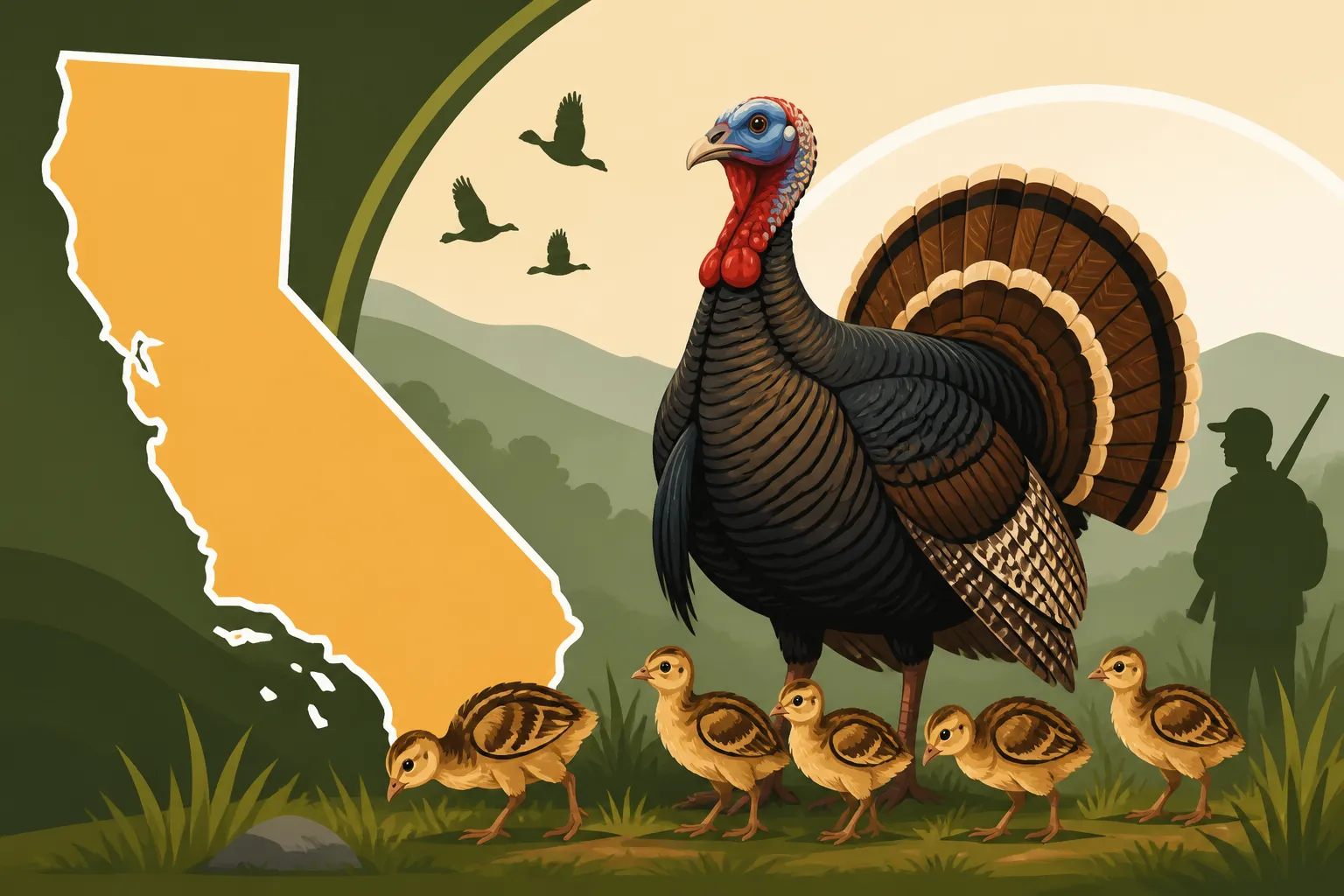
When you’re out in the oak woodlands during the spring and summer, you might occasionally glimpse a hen with a string of tiny, fuzzy chicks trailing behind her. That sight, as fleeting as it can be, is a direct indicator of what wildlife biologists are trying to measure with turkey brood surveys. These surveys are absolutely critical for understanding the reproductive success of our wild turkey populations here in California, and they provide a glimpse into what hunting seasons might look like in the coming years.
What Brood Surveys Actually Measure
A "brood" in turkey terms refers to a hen and her poults – those adorable, pea-sized chicks that are running around trying to keep up with mom. The primary goal of these brood surveys is to assess reproductive success, which is really about how many of those little poults actually make it past their most vulnerable early weeks. It’s also about measuring "recruitment," which is the rate at which those young birds survive to become part of the adult population. Think of it as the ultimate report card for the local turkey family.
The methods for collecting this data can vary a bit, but they often involve a combination of dedicated California Department of Fish and Wildlife (CDFW) staff observations and, increasingly, citizen science programs. Hunters, birdwatchers, and other outdoors enthusiasts are often encouraged to report sightings of hens with poults during specific windows, usually late spring through early summer. This is when poults are still small and easily identifiable as being part of a current year’s hatch. When you’re out Scouting California Public Land Before Season, keeping an eye out for these family groups can give you your own informal insight. This data is invaluable because it directly informs CDFW’s management decisions, helping them understand population trends, set bag limits, and plan conservation efforts, ensuring we have healthy Introduced Wild Turkeys in California for generations to come.
The Data Points: Hens, Poults, and Ratios
So, what exactly are the numbers we’re looking at? The main data points collected in a brood survey are fairly straightforward: the total number of hens observed, the total number of poults observed, and then, most importantly, the poult-to-hen ratio. This ratio is essentially a calculation of how many poults, on average, are accompanying each hen. It's the most telling figure.
A high poult-to-hen ratio, let's say 4:1 or 5:1, indicates a very successful breeding season with good poult survival. This is fantastic news for hunters, as it suggests a robust influx of young birds into the population, which will mature into jakes and then full gobblers in the following years. Conversely, a low ratio, perhaps 1:1 or 2:1, indicates a tough year for reproduction or early poult survival. This might mean fewer birds in the future and could impact your hunting success in 1-2 seasons. Environmental factors play a massive role in these numbers, and understanding those factors helps us contextualize the survey results. For a broader view, you might also look at the California Turkey Population Estimate to see how these localized brood numbers fit into the statewide picture.
Factors Influencing Turkey Brood Success in California
California’s diverse landscape means that turkey brood success isn’t a one-size-fits-all situation. From the coastal ranges to the foothills of the Sierra Nevada, local conditions can drastically impact how many poults make it to adulthood. Understanding these influences is key to making sense of the survey results and even predicting how well your local birds might be doing.
Weather's Role: Rain, Drought, and Temperature
Ask any seasoned turkey hunter, and they’ll tell you that weather is king, not just for the hunt itself, but for the life cycle of the birds. Spring rains, for instance, are a double-edged sword. A good amount of moisture can be incredibly beneficial, leading to lush vegetation and a boom in insect populations. These insects—grasshoppers, crickets, and beetles—are absolutely vital for young poults, providing the protein-rich diet they need to grow rapidly in their first few weeks. More bugs mean healthier, faster-growing poults, which in turn leads to higher survival rates.
However, too much rain, especially cold, incessant downpours during the crucial hatching and early brooding period, can be devastating. Poults are tiny and delicate; they chill easily and can succumb to hypothermia if they get too wet and can't dry out. Similarly, drought conditions can significantly hinder brood success. Less rain means less forage, fewer insects, and stressed hens, which may not be able to produce as healthy a clutch or properly care for their young. Extreme temperatures, whether unexpected cold snaps or scorching early summer heatwaves, can also negatively impact poult survival. Understanding these patterns is especially important in regions like the Hunting Coastal Range Oak Woodlands where microclimates can vary dramatically.
Habitat Quality and Food Availability
Beyond the immediate weather, the underlying quality of the habitat is paramount for successful turkey reproduction. Our iconic oak woodlands, prevalent across much of California, are absolutely vital. These areas provide abundant mast crops—acorns—in the fall and winter, which are a critical food source for adult turkeys, helping hens build up the energy reserves they need for nesting and egg laying the following spring. Without good mast crops, hens might enter the breeding season in poorer condition, impacting clutch size and poult viability.
The understory vegetation within these woodlands and adjacent areas is equally important. Dense, yet walkable, cover provides essential protection for nesting hens and hiding spots for young poults from aerial and ground predators. This vegetation also hosts the insect populations that poults rely on for growth. Access to reliable water sources is another non-negotiable, especially in California's drier regions. Healthy habitat contributes to robust California Turkey Population by Region, ensuring that even if one year's weather is less than ideal, the birds have the resources to bounce back. Tools like GoHunt can help you analyze habitat types and identify potential brood-rearing zones before you ever set foot in the field, making your scouting efforts more efficient.
Predation and Disease
Nature is a tough school, and young turkey poults face a gauntlet of challenges from predators. Common culprits include coyotes, bobcats, raccoons, skunks, opossums, and a variety of raptors, all of whom see small, flightless poults as an easy meal. Nest predation, where eggs are taken before they even hatch, is also a significant factor. While hens are incredibly protective, they can only do so much, and a high density of predators in a specific area can noticeably depress brood survival rates.
Disease can also play a role, though it’s generally less of a widespread population driver than weather and habitat. Diseases like Avian Pox or Blackhead can affect turkey health and, in severe outbreaks, reduce poult survival or overall population vitality. However, for the most part, robust populations can weather these challenges, and a healthy habitat tends to support healthier birds with stronger immune systems. Understanding these dynamics helps us appreciate the resilience of wild turkeys and the complex interplay of factors that contribute to brood success.
Interpreting Survey Results for Your Hunt
So, you've seen the brood survey results, maybe read some reports from CDFW, or even checked a platform like GoHunt that aggregates wildlife data. Now what? The real trick is translating those abstract numbers into actionable insights for your upcoming turkey hunt. It's about seeing beyond the raw data and understanding its implications for the birds you'll be pursuing.
Connecting Surveys to Future Turkey Populations
This is where the rubber meets the road. A strong poult-to-hen ratio reported this summer means that by next spring, you should see a healthy number of jakes (first-year gobblers) running around, and in two years, a good number of mature 2-year-old gobblers. Conversely, a poor brood year means a dip in those age classes a year or two down the line. If the surveys indicated a particularly tough season for poults, you might find that When California Gobblers Go Quiet in Late Spring, it’s not just a seasonal lull, but a reflection of overall lower bird density.
This understanding can help you adjust your expectations. If your favorite hunting spot had a banner brood year two seasons ago, you might anticipate more gobbling activity and more birds responsive to calls. If it was a tough year, you might have to work harder, cover more ground, and potentially adjust your calling strategy. Higher populations can mean birds are more spread out, or paradoxically, if a lot of hunters are drawn to the "good" areas, it can lead to increased competition and more pressured birds. Knowing this helps you formulate a solid plan rather than just showing up and hoping for the best.
How to Find Current Brood Information
The best way to stay informed is to keep an eye on official sources. The CDFW is the primary agency responsible for collecting and disseminating this data. They often release annual summaries or updates on their wildlife management pages, providing insights into various game species, including turkeys. These reports are usually broken down by region or management unit, which is far more useful than a broad statewide average when planning your local hunt.
Beyond official channels, local wildlife conservation groups and online hunting forums often share anecdotal observations and discuss regional trends that can supplement the official data. Increasingly, digital scouting tools and platforms like GoHunt are integrating various layers of wildlife data, which, while not always directly showing "brood survey results," can provide valuable insights into habitat health and historical population trends that align with what brood surveys indicate. When planning for seasons like California Spring Turkey Permit Rules or California Fall Turkey Permit Rules, having this kind of information can give you a significant edge.
Poult-to-Hen Ratio Interpretation Guide
Understanding what those numbers mean at a glance can be incredibly helpful. Here’s a quick guide to interpreting poult-to-hen ratios:
| Poult-to-Hen Ratio | Interpretation | Impact on Hunting (1-2 years later) |
|---|---|---|
| 0-1:1 | Very poor reproductive success or poult survival. Indicates significant challenges during nesting/brooding season (e.g., severe weather, high predation). | Expect fewer jakes and mature gobblers. Hunting may be tougher, requiring more effort and focus on high-quality, undisturbed habitat. |
| 1-2:1 | Below average success. Some poults survived, but not enough to significantly boost the population. Conditions were likely challenging but not catastrophic. | Population may be stable or slightly declining. Fewer young birds entering the harvestable pool. Focus on prime areas. |
| 2-3:1 | Average to good success. A healthy number of poults are surviving. This ratio indicates stable population growth over time. | Stable numbers of jakes and gobblers. Good hunting opportunities, typical population dynamics. |
| 3-4:1+ | Excellent reproductive success and poult survival. Indicates ideal conditions during nesting/brooding (e.g., favorable weather, abundant food, good cover). | Expect a strong influx of jakes and mature gobblers. Potentially more birds responsive to calls, and opportunities may increase across wider areas. |
Applying Brood Data to Your Hunting Strategy
Ultimately, all this information about turkey brood surveys is only truly valuable if you can translate it into practical steps for your own hunting strategy. It’s not just about knowing the numbers, but knowing how to let those numbers inform your decisions in the field.
Adjusting Expectations and Tactics
If the brood surveys for your target area indicate a particularly poor year, it's wise to temper your expectations. Instead of expecting to hear gobblers sounding off from every ridge, you might need to adjust your tactics. This could mean focusing your efforts on historically reliable areas that tend to hold birds even in tough years, or hunting harder by covering more ground, employing more aggressive calling sequences, or waiting longer at productive spots. You might find you need to be more patient and subtle in your Calling a Gobbler Off an Oak Ridge Roost or rethink your Decoy Placement for Pressured California Birds.
Conversely, if the surveys point to an excellent brood year, you can approach the season with more optimism. A strong influx of jakes means more young, often less wary birds that might be more willing to respond to calls. This can be a fantastic time to introduce a new hunter to the sport, as success rates might be higher. However, a booming population might also attract more hunters to popular public lands, so understanding hunter pressure also becomes crucial.
Scouting with Brood Data in Mind
Brood data isn't just about predictions; it's a fantastic guide for your preseason scouting. If you know that a certain area had a good poult hatch, focus your scouting efforts there. Look for signs of those previous broods: small tracks alongside larger hen tracks, numerous droppings, or dusting bowls in sunny, protected areas. These signs confirm that the habitat was productive enough to support young turkeys.
Prioritize scouting areas with optimal brooding habitat. Think about open understory areas with good insect populations, nearby water sources, and secure roosting sites like the ones found in Turkey Roost Tree Preferences. Areas near agricultural fields or recent burns that generate new green growth and insect activity can also be magnets for hens and poults. Using mapping applications with habitat layers can help you identify these areas from home, narrowing down your in-field scouting dramatically.
Long-Term Trends and Management
While a single year's brood survey is valuable, the real power of this data lies in observing long-term trends. Consistent monitoring helps CDFW understand the overall health and trajectory of California's turkey populations. Are populations growing, stable, or declining in certain regions? This long-term perspective feeds directly into wildlife management decisions, influencing everything from season lengths and bag limits (as outlined in California Turkey Season Rules) to habitat restoration projects.
For us hunters, understanding these trends gives us a deeper appreciation for the resource and helps us advocate for responsible conservation. When we participate in citizen science surveys or support organizations working on habitat improvement, we're directly contributing to the future of California hunting. Ultimately, turkey brood survey results are more than just numbers; they are a vital heartbeat monitor for our wild turkeys, offering a window into the natural world and guiding our actions as ethical and informed outdoors enthusiasts.
Disclaimer
This article is for general informational purposes only and does not constitute professional advice. Laws, prices and regulations vary by location and change over time. Consult a qualified professional for guidance on your specific situation.