Finding Access Near Redding
Finding prime hunting access in California, especially around hubs like Redding, can feel like trying to find a needle in a haystack – overwhelming with conflicting information and dense regulations. Many hunters get frustrated, thinking all the good spots are locked up or too far gone. But don't despair! This comprehensive guide will meticulously break down how to uncover and navigate the diverse public and private hunting opportunities right in the Redding area, giving you the practical strategies and knowledge to confidently find your next hunting spot.
Understanding the Redding-Area Hunting Landscape
Hunting in California, particularly around a vibrant community like Redding, presents a unique set of challenges and immense opportunities. It's not always straightforward, but with the right knowledge and a bit of persistence, you can absolutely find some fantastic places to pursue game.
The Challenge of Finding Public Access
Let's be honest: the frustration of trying to pinpoint a good hunting spot in California is real. You look at maps, you see vast swaths of green, but then you wonder, "Can I actually hunt there?" The Golden State does boast a considerable amount of public land, but it’s often a complex mosaic of National Forests, Bureau of Land Management (BLM) holdings, and state-managed wildlife areas, all with their own rules and accessibility quirks. Adding to the complexity are the infamous "checkerboard" land ownership patterns, where public and private parcels are intertwined like a patchwork quilt, making boundary identification absolutely critical. Around Redding, a growing area, you're also dealing with increased outdoor recreation pressure, which means finding those quieter, less-disturbed spots takes a bit more effort.
Overview of Key Public Land Types
To successfully navigate the Redding-area hunting scene, it’s essential to understand the different types of public lands available and what each generally offers.
- National Forests: These are the vast, forested areas surrounding Redding, like the Shasta-Trinity. They offer extensive timbered landscapes, ranging from low foothills to high mountain peaks. You'll typically find deer, bear, wild pigs, and a variety of upland birds like grouse and quail here. Access often involves a network of paved roads, dirt roads, and hiking trails.
- Bureau of Land Management (BLM) Lands: BLM parcels tend to be more arid, consisting of rolling foothills, open grasslands, and desert washes. They can be scattered and often less regulated in terms of access than state lands, but they may require more self-sufficiency and robust vehicle access. These areas can hold good populations of deer, wild pigs, quail, and coyotes.
- State Wildlife Areas and Ecological Reserves: Managed by the California Department of Fish and Wildlife (CDFW), these areas are specifically set aside for wildlife conservation and public recreation, including hunting. They are often smaller, highly managed, and typically focus on specific game species like waterfowl, pheasants, or upland birds. Access usually involves designated entry points, and many require reservations, drawings, or specific permits. Hunting a California Sacramento Valley Wildlife Refuge is a perfect example of such a managed hunt.
Why Redding is a Prime Base Camp
Despite the access challenges, Redding stands out as an absolutely prime base camp for California hunters. Its geographical location is simply unbeatable. Nestled at the northern end of the Central Valley, it serves as a gateway to several distinct ecosystems within a relatively short drive. To the east, you have the volcanic plateau and high desert. To the west and north, you plunge into the extensive mountain ranges and dense forests of the Shasta-Trinity and Klamath National Forests. South, you have access to the valley's rich waterfowl opportunities. This diversity means that whether you're chasing blacktail deer in steep timber, calling turkeys in oak woodlands, or decoying ducks in flooded fields, Redding puts you within reach of it all. It also boasts good infrastructure, including a variety of lodging, restaurants, and outdoor gear shops, making it a convenient hub for multi-day hunts.
Navigating National Forest Opportunities Near Redding
The vast expanses of National Forest land surrounding Redding are arguably your best bet for consistent public land hunting, especially for big game. But "vast" doesn't mean "easy." Knowing which forests to focus on and how to approach them is key.
Shasta-Trinity National Forest: Your Backyard Wilderness
The Shasta-Trinity National Forest literally wraps around Redding, offering over two million acres of diverse hunting grounds. This is often the first place local hunters look, and for good reason. The terrain is incredibly varied, ranging from the low, brushy foothills that transition from the valley floor, up through dense Ponderosa pine and Douglas fir forests, to high elevation red fir and even alpine zones around peaks like Mount Shasta. This forest is predominantly home to Columbia Blacktail deer, with some mule deer and blacktail/mule deer hybrids in transitional areas. You'll also find a healthy population of black bears, wild pigs, and upland birds.
Access often involves a network of Forest Service roads, some well-maintained and paved, others rough dirt tracks that demand a high-clearance 4×4. Many of these roads lead to trailheads that can take you deep into the backcountry, away from road hunters. Areas that have seen recent fires, or "burn scars," can be particularly productive for deer and bear in the years following, as new growth provides forage and cover. Remember, Hunting a National Forest Burn Scar requires adapting your strategy to the new landscape, but it can pay off big. Always check current fire restrictions and road closures before heading out. And, of course, California's California's Non-Lead Ammunition Requirement applies here, so ensure your rifle is sighted in with approved non-lead projectiles.
Klamath National Forest and the Northward Reach
Venturing a bit further north from Redding, you'll encounter the Klamath National Forest. This forest tends to be even more remote and rugged than parts of the Shasta-Trinity, characterized by towering timber, steep canyons, and a wild, untamed feel. This is serious backcountry hunting country, often requiring more extensive planning, backpacking gear, and a higher level of fitness. While still primarily blacktail deer habitat, some of the bucks here can grow quite large, benefitting from less pressure and older-growth timber.
Hunting the Klamath means embracing solitude and working harder for your game. Access often involves long drives on winding forest roads, some of which may be seasonally closed due to snow or washouts. It's a prime destination for those seeking a true wilderness experience, and if you're lucky enough to draw an X-zone tag in the far north, this is where you might find your Hunting California's High-Country X-Zones adventure. Scouting here isn't just about finding game sign; it's about understanding the vast landscape, water sources, and escape routes. Expect to put on some serious miles with your boots and rely heavily on topographic maps and GPS units like onX Hunt to navigate.
Mendocino National Forest: A Western Approach
West of Redding, accessible by routes like Highway 36, lies the Mendocino National Forest. While not as immediately adjacent as Shasta-Trinity, it's a significant chunk of public land that offers a different hunting experience. The Mendocino is characterized by extensive oak woodlands, dense chaparral, and steep canyons, providing fantastic habitat for blacktail deer and wild pigs. The hunting here can be challenging due to the thick cover, which often limits visibility and makes still-hunting or spot-and-stalk tactics demanding.
This forest offers a good opportunity for Hunting Coastal Range Oak Woodlands, where understanding deer and pig movement patterns through the timber and along ridgelines is crucial. You'll find a mix of older logging roads and more primitive tracks. Some areas are known for holding good numbers of pigs, especially near seasonal water sources or agricultural fringes. Hunters often underestimate the Mendocino, which can work to your advantage, as it might see slightly less pressure than the more popular Shasta-Trinity areas, especially further from major access points.
BLM Lands: Unlocking Desert and Foothill Gems
While National Forests offer vast, timbered hunting, the Bureau of Land Management (BLM) lands around Redding often present a different, equally valuable, set of opportunities. These lands are generally characterized by more open, arid terrain, scattered across the foothills and valleys.
Scattered BLM Parcels and Their Unique Access
Unlike the contiguous blocks of National Forest, BLM land in the Redding vicinity tends to be more fragmented, with numerous smaller parcels interspersed among private holdings. These scattered chunks of public land can be goldmines for hunters willing to put in the research. They often get overlooked by those focused solely on the larger national forests, which means potentially less pressure on game like deer, wild pigs, quail, and coyotes. Many of these parcels are accessible via county roads or unmaintained dirt tracks, but some require extensive walk-in access.
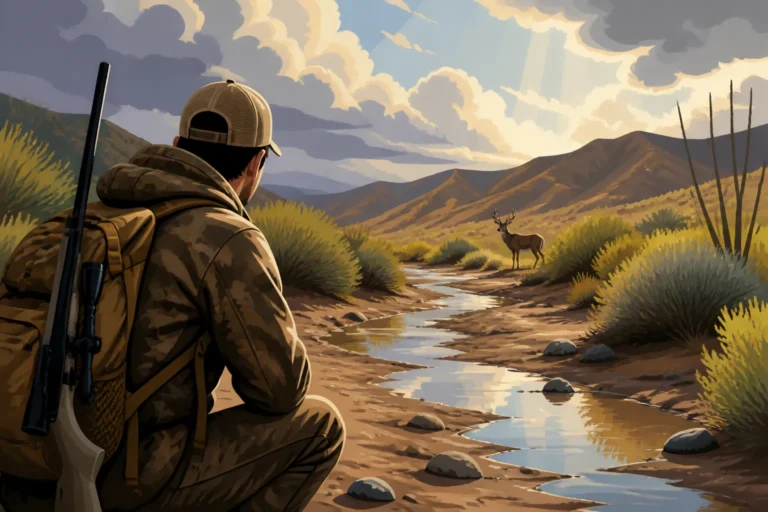
The key to unlocking these gems is often detailed map work. You'll need to identify individual BLM parcels, scrutinize aerial imagery for access points, and understand the surrounding land ownership. Tools like onX Hunt and GoHunt become absolutely indispensable here, allowing you to clearly see public/private land boundaries, access roads, and topographic features. Don't be surprised to find a seemingly small, isolated BLM parcel holding significant game, especially if it borders private agricultural land or offers a unique water source. Hunting a California BLM Desert Wash for Deer is a great example of how these less-obvious areas can produce.
Respecting Boundaries on Checkerboard Lands
The "checkerboard" nature of BLM land ownership is where many hunters get into trouble if they're not careful. Imagine driving down a dirt road, and on one side it's public land, but on the other, it's private, then it swaps again a mile down the road. It's incredibly easy to inadvertently trespass if you're not constantly aware of where you are. This isn't just a courtesy; it's a legal necessity. California has strict trespass laws, and ignorance of a boundary is generally not a valid defense.
This is precisely why robust mapping applications are not just helpful but absolutely essential for hunting BLM lands. They allow you to see property lines in real-time, often right down to the fence line, and will alert you if you're approaching or crossing into private property. Before you even leave home, spend hours poring over these maps, identifying legal access points, and planning your routes. Always carry your GPS device with offline maps downloaded, as cell service is often nonexistent in these remote areas. When in doubt, err on the side of caution. If a boundary is unclear or unposted, it's better to find another spot than risk a citation or, worse, damaging landowner relations for all hunters.
State Wildlife Areas and Ecological Reserves for Specific Hunts
Beyond the vast open spaces of National Forests and BLM land, California offers a network of state-managed properties, including Wildlife Areas (WAs) and Ecological Reserves (ERs). These areas provide incredibly valuable, often highly managed, hunting opportunities, especially for specific species.
Key State Lands for Waterfowl and Upland Birds
The areas around Redding and further south into the Central Valley are renowned for their waterfowl and upland bird hunting. Several state properties offer exceptional opportunities:
- Sacramento National Wildlife Refuge Complex: While a "refuge," several units within this complex allow hunting for ducks and geese. These areas are specifically managed wetlands, often featuring flooded rice fields and marsh habitat. Hunts are typically permit-based, requiring reservations or a lottery draw, and often involve strict shooting hours and bag limits. It's a premier destination for Decoying Ducks in California's Central Valley Flooded Rice and Pass-Shooting Geese on California's Sacramento Refuges.
- Gray Lodge Wildlife Area: Located southeast of Redding, Gray Lodge is another waterfowl mecca. It's intensively managed with flooded fields, ponds, and islands, providing critical habitat for migrating birds. Similar to other refuges, hunting is managed through a reservation system, and checking in and out is mandatory. Beyond waterfowl, Gray Lodge also offers limited opportunities for pheasant and dove.
- Tehama Wildlife Area: Situated west of Red Bluff, this large WA primarily focuses on deer, especially during special antlerless or archery hunts, but it also has good populations of wild pigs and upland birds like quail and turkeys in the oak woodlands and chaparral. Access can be challenging due to rugged terrain, but it offers a more traditional hunting experience compared to the managed wetlands. Quail Hunting California Foothill Chaparral is a popular pursuit here.
These state lands are vital for specific types of hunting, and while they can be crowded, the management ensures healthy game populations and a quality experience for those who do their homework.
Draw Hunts and Special Regulations to Know
Hunting on California's state-managed properties, especially wildlife areas, often comes with a very different set of rules compared to general National Forest or BLM land. It's critical to understand these specific regulations, as they can vary significantly from one property to another and even change season to season.
- Permit and Reservation Systems: Many WAs and ERs, particularly those managed for waterfowl or pheasant, operate on a reservation or lottery draw system. You often need to apply well in advance, and successful applicants receive a permit for a specific hunt day or period. Walk-in opportunities might exist, but they are usually limited and based on availability after reservation holders have been processed.
- Mandatory Check-in/Check-out: For many state hunts, especially for birds, you'll be required to check in at a designated station before entering the field and check out upon leaving. This allows CDFW to monitor harvest data and hunter pressure.
- Weapon Restrictions: Some areas might have specific weapon restrictions, such as shotgun-only rules for certain bird hunts, or restrictions on ammunition types beyond the statewide non-lead requirement. For example, California Legal Firearms for Deer Hunting rules might differ on specific state lands.
- Hunting Zones and Blinds: Many WAs are divided into specific hunting zones, and you may be assigned a blind or a general area to hunt. Decoy placement, dog use, and even the type of blind you can use might be regulated.
- Bag Limits and Shooting Hours: While statewide bag limits apply, some WAs might have stricter limits or specific shooting hour windows that differ from general regulations.
The bottom line is this: never assume general statewide hunting regulations apply to a State Wildlife Area or Ecological Reserve. Always consult the specific regulations for that property, usually available on the CDFW website, well before your planned hunt. Ignoring these specific rules can lead to citations, loss of hunting privileges, and even confiscation of game.
Exploring Private Land Access Strategies
While public lands offer incredible opportunities around Redding, the reality is that much of California's prime hunting habitat, especially in the foothills and agricultural zones, lies on private land. Gaining access to these parcels can be a game-changer for consistent success.
Building Relationships with Landowners
The idea of "knocking on doors" might seem old-fashioned in today's world, but it remains one of the most effective strategies for securing private land hunting access in California. Many hunters shy away from it, which means those who are willing to make the effort often find themselves with unique opportunities. Approach landowners with respect, a friendly demeanor, and a genuine interest in their property and concerns. Start by offering assistance – perhaps helping with fence repair, weed control, or even just offering to keep an eye on their property.
Focus on landowners with smaller parcels that might not be on a large hunting lease, or those who are experiencing issues with nuisance animals like wild pigs or coyotes. These are often your best entry points. Explain that you are a responsible, quiet hunter who will respect their property and leave no trace. Offer to share some of your harvest. Building trust is paramount, and it often takes time. A handshake agreement can be gold, but it's always wise to also have written permission to avoid any misunderstandings, especially in California, where Do You Need Written Permission in California? is a common question. Over time, these relationships can evolve into long-term access that provides consistent hunting opportunities far from the public land crowds.
Hunting Clubs and Lease Opportunities
For those who prioritize consistent, quality access and are willing to invest financially, joining a hunting club or securing a private land lease can be an excellent option. Around Redding, there are various clubs and opportunities, particularly for wild pig, deer, and upland bird hunting.
- Hunting Clubs: These are groups of hunters who collectively lease large tracts of private land or manage their own property. Membership typically involves an annual fee, which covers the lease costs, property maintenance, and often includes amenities like cabins, processing facilities, or even guides. The benefits are clear: exclusive access, often on well-managed land with healthy game populations, and a built-in community of like-minded hunters. The drawback is the cost and the potential for a less "wild" experience compared to true public land backcountry hunting. Joining a California Hunting Club can be a great way to gain consistent access without the full responsibility of a private lease.
- Private Leases: Individually or with a small group of trusted friends, you can lease private land directly from a landowner. This offers the most control over your hunting experience, allowing you to manage game, set up blinds, and truly learn a property over time. Lease costs vary wildly based on acreage, game populations, location, and amenities, but they are a significant financial commitment. California Hunting Lease Costs can range from reasonable to very expensive depending on the quality and exclusivity. Leases often provide the best opportunities for managing a property for specific big bucks or turkey populations, as you control the pressure and can implement habitat improvements.
Whether it's a handshake or a formal lease, private land access requires commitment, clear communication, and impeccable ethics. Your behavior reflects not just on you, but on all hunters.
Essential Tools and Tactics for Access Success
Finding good hunting access in the Redding area, or anywhere in California for that matter, isn't just about knowing where the public land is. It's about how you approach the challenge, the tools you use, and the mindset you bring to the field.
Leveraging Mapping Applications (onX Hunt, GoHunt)
In California, especially around Redding where land ownership can be fragmented and boundaries often unclear, mapping applications are not just useful – they are absolutely essential. Forget paper maps for pinpointing property lines; modern apps put a wealth of information right in your pocket.
Platforms like onX Hunt and GoHunt have revolutionized how hunters scout and navigate. These apps allow you to:
- Identify Public/Private Land: This is the big one. With a tap, you can see exactly where public land ends and private land begins, complete with landowner names in many cases. This is critical for avoiding accidental trespass, particularly on those "checkerboard" BLM parcels or when hunting along the fringes of National Forests.
- View Topographic and Satellite Imagery: Scout from your couch! Identify ridgelines, drainages, water sources, dense cover, and open areas without leaving home. Look for old logging roads, clear-cuts, or natural funnels that animals might use. Reading Aerial Photos for Sierra Deer becomes a powerful pre-season scouting tool.
- Track Your Movement and Mark Waypoints: As you scout or hunt, the app tracks your path, allowing you to retrace steps or mark important features like game sign, water holes, or potential stand locations.
- Download Offline Maps: Cell service is often non-existent in the remote areas around Redding. Downloading maps for your hunting unit beforehand ensures you always have navigation, even deep in the backcountry.
Using these tools effectively during your Scouting With the CDFW Hunting App sessions can save you countless hours of wandering and dramatically increase your confidence in knowing exactly where you are legally allowed to hunt.
Scouting, Persistence, and Respect
Even with the best mapping apps, nothing replaces boots on the ground. Scouting is the foundation of successful hunting, and it's particularly true when you're trying to find less-pressured access points.
- Pre-Season Reconnaissance: Drive forest roads, walk trails, and hike into promising areas months before the season. Look for fresh tracks, rubs, scrapes, and bedding areas. Identify key food sources like acorn flats or berry patches. Observe game trails and learn how animals move through the terrain. This is how you discover those hidden pockets that others walk past, truly Finding Ground Others Walk Past.
- Understanding Animal Behavior: Pay attention to how wind and thermals affect animal movement in different terrain types. Learn what Late-Season Food Sources for California Deer might be available, or where California Blacktail Bucks Bed during the hotter parts of the year. This deeper understanding will guide your efforts.
- Persistence Pays Off: Don't get discouraged if a spot doesn't produce on your first try. Wildlife patterns change due to weather, food availability, and hunting pressure. Revisit areas, try different times of day, and experiment with different access routes. Many successful hunters can tell you stories of finding their best spots only after repeated, persistent efforts.
- Respect for the Land and Others: Always practice Leave No Trace principles. Pack out everything you pack in, and perhaps even a little extra trash left by others. Close gates, stay on designated roads, and be courteous to other hunters, hikers, and landowners. Your actions contribute to the public perception of hunters, and preserving access for future generations depends on all of us being responsible stewards of the land. This includes following all regulations, such as California Firearms Discharge Setback Rules and staying informed about California Area Closures in Season.
By combining modern technology with traditional scouting and a strong ethical approach, you'll be well on your way to discovering some incredible hunting opportunities around Redding.
Public Land Hunting Opportunities Near Redding
| Land Type | Primary Game Species | Typical Terrain | Access Challenges | Key Advantages |
|---|---|---|---|---|
| National Forest | Blacktail Deer, Bear, Wild Pig, Turkey, Grouse | Dense timber, steep mountains, foothills | Remote roads, wilderness areas, seasonal closures | Vast, diverse habitat, less pressure in backcountry |
| BLM Land | Deer, Wild Pig, Quail, Coyote, Rabbit | Arid foothills, oak woodlands, scrub, washes | Fragmented parcels, private land boundaries, rough roads | Overlooked, potential for less pressure on smaller tracts |
| State Wildlife Area | Waterfowl (Ducks, Geese), Pheasant, Quail, Dove | Managed wetlands, agricultural fields, riparian | Reservation/draw systems, specific rules, check-in | Concentrated game, habitat management, often high success rates |
| Ecological Reserve | Limited small game (check specific area rules) | Varied, specific sensitive habitats | Very strict rules, often highly restricted or no hunting | Conservation-focused, limited special hunts |
Disclaimer
This article is for general informational purposes only and does not constitute professional advice. Laws, prices and regulations vary by location and change over time. Consult a qualified professional for guidance on your specific situation.