Spring Turkey Hunting in California
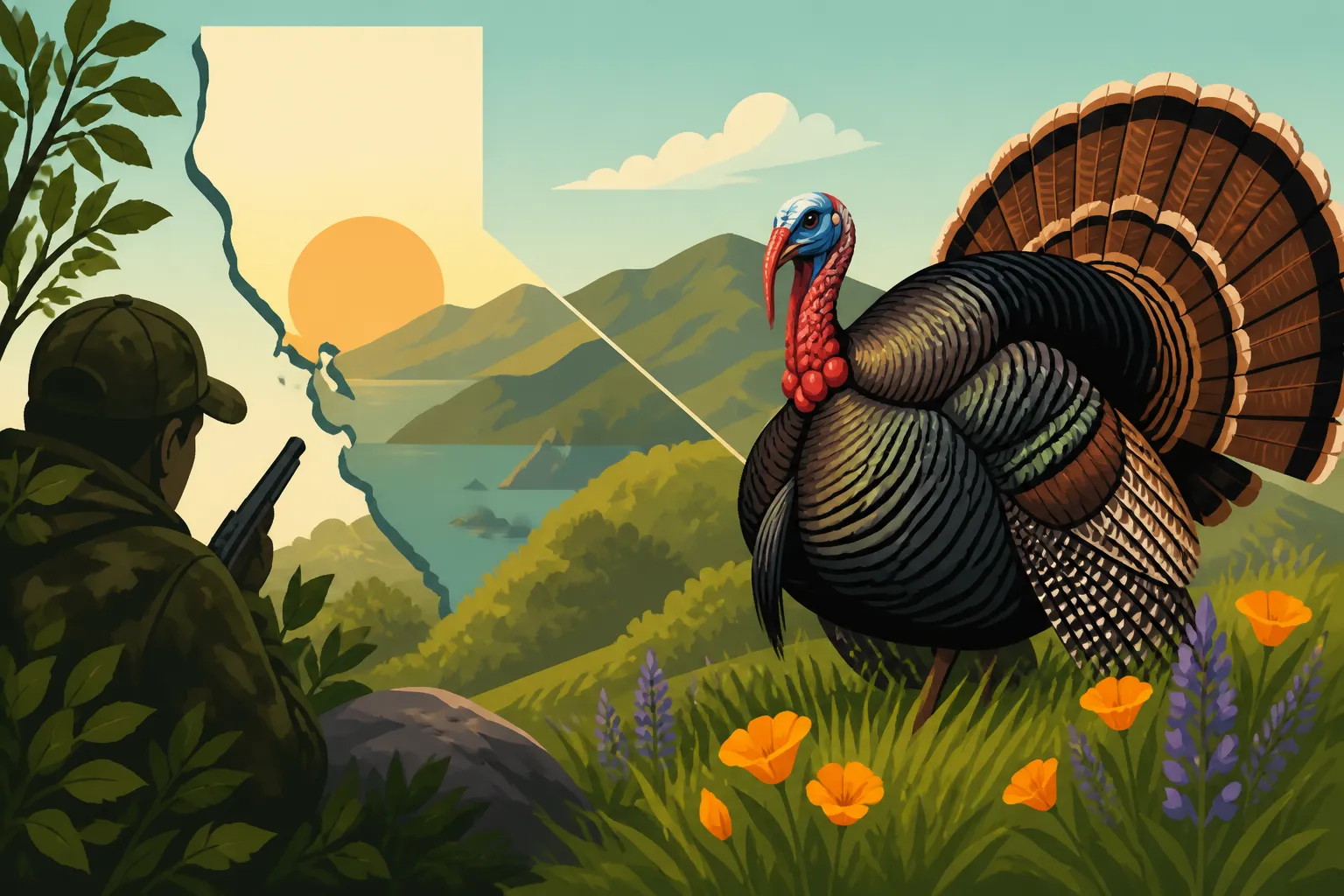
Spring turkey hunting in California can feel like an enigma wrapped in an obstacle course, especially when those wily gobblers play hard to get. You've spent countless hours scouting, practiced your calls until your jaw aches, and still, those birds seem to know your every move, shutting down just out of range or refusing to budge from their roost. This comprehensive guide is here to unravel the mysteries of chasing spring gobblers in the Golden State, offering realistic strategies and deep insights to help you punch your tag.
Understanding California's Spring Turkey Season Structure
Venturing out for spring turkeys in California requires a solid understanding of the regulations. It's not just about knowing when the season opens; it's about navigating the specific rules for licenses, tags, and even the type of equipment you can use. Many hunters get frustrated by unexpected nuances, so let's break down the official structure to ensure you're on the right side of the law and ready for success.
Key Season Dates and Zones
California's general spring turkey season typically kicks off in late March and runs through early May, offering a generous window of opportunity. However, it's crucial to consult the current California Department of Fish and Wildlife (CDFW) regulations each year, as dates can shift slightly. For instance, in many parts of the state, the general season for adult turkeys starts on the last Saturday in March and closes in early May. This main season is usually open statewide, meaning you don't typically contend with zone-specific regulations like you might for deer.
Beyond the general season, there are often special youth hunts and archery-only periods that provide additional opportunities. For example, a junior-only hunt often precedes the general season, giving younger hunters a fantastic chance to experience the thrill of a spring turkey hunt with less pressure. There might also be a specific archery-only window near the end of the general season, extending the pursuit for those who prefer stick and string. These specific dates are paramount for planning, as showing up a day early or late can mean a missed opportunity or, worse, a violation. Always double-check the exact dates for the current year; nothing ruins a hunt faster than finding out you're out of season. You can find detailed information on these specific opening and closing days by looking up the official California Spring Turkey Season Opening Day() regulations.
Tag Requirements and Licensing
Before you even think about stepping into the woods, you need to ensure your paperwork is in order. For spring turkey hunting in California, you'll need a valid California hunting license, which is your foundational document for any hunting activity in the state. On top of that, you'll need an Upland Game Bird Validation. This validation is specifically required for hunting resident upland game birds, including turkeys. It's a separate purchase from your base license but absolutely essential. Many new hunters, especially those transitioning from big game, sometimes overlook this validation, thinking their deer tag covers everything. It doesn't.
The good news is that California doesn't typically require a separate "turkey tag" in the same way it does for deer or elk. Instead, the Upland Game Bird Validation, along with your hunting license, authorizes you to hunt turkeys. You'll also need a Harvest Information Program (HIP) Validation if you plan to hunt migratory birds, but for resident wild turkeys, the Upland Game Bird Validation is the main requirement beyond your base license. Make sure to understand all the specifics regarding California Spring Turkey Permit Rules() before heading afield. Purchasing these permits is straightforward and can be done online through the CDFW license sales service, at licensed agents, or at CDFW offices. Always keep physical or digital proof of your licenses and validations with you while hunting, as wildlife officers frequently check for compliance.
Legal Hunting Hours and Equipment
California adheres to strict rules regarding hunting hours and equipment, which are designed to promote fair chase and safety. For spring turkeys, hunting is typically allowed from one-half hour before sunrise to sunset. This means you can be out there when the gobblers are still on the roost, sounding off their morning calls, and stay until they fly up for the evening. Timing is everything in turkey hunting, and being in position well before first light, listening for those initial roost calls, is a critical component of success.
When it comes to equipment, shotguns are the most popular choice. California regulations typically allow shotguns 10 gauge or smaller, using shotshells loaded with shot size no larger than No. 2. Lead shot is generally permissible for upland game birds, including turkeys, with some exceptions on specific public lands or within certain designated non-lead zones. However, given the statewide move towards non-lead for big game, many hunters are choosing non-lead options for all their hunting pursuits. Archery equipment is also permitted, and as mentioned, there's often an archery-only season that caters specifically to bowhunters. If you're using archery gear, ensure your broadheads meet the legal requirements for cutting diameter and fixed/mechanical design. Crossbows are also allowed during archery seasons, provided they meet specific draw weight and safety requirements. Always confirm the specific legal firearms for hunting and California Crossbow Equipment Rules() if that's your preferred method. Using illegal equipment or hunting outside of legal hours can result in hefty fines and the loss of hunting privileges, so always prioritize knowing and following the rules.
Scouting and Locating Spring Gobblers Before the Hunt
You can have the best calls, the fanciest gear, and a perfect setup, but if you're not where the birds are, it's all for naught. Effective scouting is the backbone of successful spring turkey hunting in California. It's about more than just a casual drive-by; it's a deep dive into understanding turkey behavior, habitat preferences, and local patterns. The more you know before opening day, the higher your chances of hearing that thunderous gobble up close.
Pre-Season Reconnaissance and Sign Reading
Spring turkeys, particularly the Rio Grande and Merriam's subspecies prevalent in California, are creatures of habit. They prefer specific roosting trees, travel along predictable routes, and feed in particular areas. Your pre-season reconnaissance should focus on identifying these key locations. Start by driving or walking areas with known turkey populations, especially those with good mixes of oak woodlands, open grassy fields, and water sources. Look for fresh turkey sign: tracks in dusty roads or soft soil, scratch marks in leaf litter where they've been feeding, and most importantly, droppings and feathers.
Droppings can tell you a lot. Male droppings are typically J-shaped or coiled, while hens' are more amorphous. Fresh droppings indicate recent presence. Feathers, particularly large tail feathers or primary wing feathers, are strong indicators of where birds are spending time, especially near roosts or dusting bowls. Focus your search on creek bottoms, oak groves, and the edges of agricultural fields. During the pre-season, getting out early in the morning and late in the evening can be incredibly informative. You might hear gobbles from the roost or fly-down cackles, giving you a direct indication of where birds are spending the night. This kind of hands-on scouting provides invaluable, real-time intelligence that no map or app can fully replicate. Understanding California Turkey Roost Tree Preferences() can greatly enhance your ability to pinpoint these critical overnight locations.
Using Technology for Effective Scouting
While boots on the ground are essential, modern technology can significantly streamline your scouting efforts. Satellite imagery and topographic maps, readily available through apps like GoHunt or OnX Hunt, are powerful tools. Start by identifying promising habitat from your computer or phone: areas with mixed oak and conifer forests, open fields, and proximity to water. Look for south-facing slopes, which warm up faster in the morning, attracting turkeys for sunning and feeding. Identify potential roost sites—tall, mature trees, especially oaks or sycamores, along ridges or creek beds.
These mapping applications allow you to pinpoint specific locations, drop pins, and create detailed hunt plans. You can mark potential roosts, strut zones, travel corridors, and even listen for gobbles and mark them on your map in real-time. This creates a database of turkey activity over time, helping you identify consistent patterns. Furthermore, many apps now include public land boundaries, critical for ensuring you're scouting and hunting legally. For example, if you're looking at a parcel of Bureau of Land Management (BLM) land, GoHunt can show you the specific boundaries, helping you avoid accidental trespass. This is especially useful in California, where public and private lands often checkerboard, making clear boundary identification critical. Leveraging these tools maximizes your efficiency, allowing you to cover more ground virtually and focus your physical scouting on the most promising areas.
Identifying Roosting Areas and Travel Corridors
The ability to consistently locate turkey roosts and their preferred travel corridors is arguably the most important skill for a spring turkey hunter. Turkeys typically roost in tall trees, often near water or along ridges that offer commanding views. They fly down at first light, gobbling to attract hens, and then move to feeding areas. Your goal is to intercept them between the roost and their morning feeding or strutting grounds. To identify roosts, listen intently at dawn and dusk. Gobbles emanating from the same general area multiple mornings in a row are a dead giveaway.
Once they hit the ground, turkeys will often travel along field edges, old logging roads, creek bottoms, or natural funnels between oak groves. Look for "strut zones" – open areas where gobblers display for hens, often evidenced by drag marks from their primary wing feathers. Understanding these travel patterns allows you to set up strategically. For example, if you know birds roost on a particular ridge and typically feed in a lower alfalfa field, you can position yourself along their likely travel route at fly-down. This strategic placement, learned through diligent scouting, dramatically increases your chances of encountering a gobbler within calling and shooting range. Remember, turkeys have exceptional eyesight, so identifying areas with good cover along these corridors is also vital for your final setup.
Mastering Turkey Calling Techniques for California Birds
Calling a wild turkey is an art form, a conversation you're trying to inject yourself into. It's not just about making turkey sounds; it's about understanding the nuances of their language, reading their responses, and knowing when to be aggressive or subtle. For California's often pressured birds, mastering your calling techniques can be the difference between a frustrating silence and a thrilling gobble that sends shivers down your spine.
Essential Calls and When to Use Them
There's a wide array of turkey calls out there, but a few are absolutely essential for spring hunting in California. The cluck, yelp, purr, and cut are your primary vocabulary. A cluck is a soft, single note, often used to get a turkey's attention or confirm your presence. It's subtle and non-threatening, great for close-range work or when a bird is hung up. The yelp is arguably the most important call, simulating a hen looking for a gobbler. It consists of multiple high-pitched notes, often varied in rhythm and tone. Long, loud yelps are good for locating birds or drawing attention from a distance, while softer, more seductive yelps work well when a gobbler is close.
Purrs are soft, rolling sounds, indicating contentment or birds feeding. They are excellent for lulling a wary gobbler into close range, making him think other turkeys are happily feeding nearby. Use them when a gobbler is within 50-75 yards and seems hesitant. Cuts are sharp, aggressive, often excited "ka-KAW, ka-KAW!" sounds, mimicking a hen excited about a gobbler. These are fantastic for getting a gobbler to respond forcefully, challenging him, or trying to break him off a group of real hens. Knowing when to escalate from soft clucks and purrs to more aggressive yelps and cuts, or vice-versa, is key. Practice these calls until they sound natural and you can make them consistently. For deeper dives into this, check out Calling a Gobbler in Oak Woodland().
Reading Gobbler Responses and Adapting Your Strategy
The real skill in calling isn't just making sounds, but listening and reacting. Every gobbler response, or lack thereof, tells a story. A loud, eager gobble close by usually means he's interested and headed your way. A softer gobble, or one that sounds like it's fading, might mean he's moving away or less enthusiastic. The "shock gobble" is another common response, where a gobbler sounds off not necessarily because he's attracted to your call, but because a loud, sharp noise startled him. Use cuts, owl hoots, or crow calls to elicit shock gobbles and pinpoint a bird's location.
If a gobbler is consistently answering but not closing the distance, he might be "hung up"—expecting you (the hen) to come to him. This is a classic frustration. In this scenario, try a different call, increase or decrease volume, or even go completely silent for a while. Sometimes, pretending to walk away with some soft clucks and purrs can pique his curiosity and draw him in. If he's with hens, he's much harder to pull away, as he already has what he wants. In that case, you might need to get ahead of the flock or try to call the dominant hen in, knowing the gobbler will often follow. Adapting your calling strategy on the fly based on the bird's mood and location is what truly elevates a caller from novice to expert.
Realistic Scenarios for Calling Success
Let's walk through some common California spring turkey scenarios and how calling plays out.
Scenario 1: Roosted Bird at Dawn. You're set up an hour before light, listening for the first gobbles. He sounds off on the roost. Start with a soft tree yelp or a fly-down cackle as soon as you hear him. The goal is to let him know a hen is nearby. As he flies down, continue with soft clucks and purrs, maybe a few subtle yelps. Don't call too much; let him come to you. If he hangs up at 80 yards, try a single, soft purr. It often seals the deal.
Scenario 2: Mid-Morning Silence. It's 9 AM, and you haven't heard a gobble in an hour. This is where aggressive calling can pay off. Use loud yelps and cuts to try and locate a lonesome gobbler. Move to a new spot, call loudly for a few minutes, then wait 15-20 minutes. If no response, move again. This "run and gun" approach is effective when birds are scattered or quiet. You're effectively sweeping an area, hoping to pick up a response.
Scenario 3: Hung-Up Gobbler. He's gobbling his head off, but won't cross the last 75 yards. This is tough. First, ensure you have good visibility and he doesn't see anything suspicious. Try a "change-up" call – maybe a box call if you've been on a slate, or a diaphragm if you've been on a box. Sometimes a different hen voice is all it takes. If that fails, go silent for 15-20 minutes, then hit him with very soft, contented purrs, making him think the "hen" is losing interest and feeding away. This can sometimes make him nervous enough to commit. The key is patience and trying variations.
Scenario 4: Gobbler with a Harem. He's strutting with multiple hens, gobbling occasionally. This is perhaps the hardest. Your best bet is to call aggressively to the dominant hen, trying to draw her in. If she comes, the gobbler will often follow. If not, try to get ahead of the flock, setting up in their likely travel path and waiting for them to come to you. Sometimes, you might try a soft gobbler call to challenge him, but this is risky and often spooks the hens. Realism in your calling, like variations in Grunt Calls in Coastal Oak Timber() can be effective.
Setting Up for Success: Decoys, Blinds, and Ambush Points
You've done your scouting, practiced your calls, and now it's time to put it all together. Where and how you set up can make or break your spring turkey hunt. A well-placed decoy, a strategically hidden blind, or a perfect natural ambush point can turn a hesitant gobbler into a confident strut. It's about creating an irresistible scene while remaining invisible.
Decoy Strategies for Different Situations
Decoys can be incredibly effective, but they're not a magic bullet. Their use depends heavily on the situation, the terrain, and the pressure the birds are experiencing.
Single Hen Decoy: This is a versatile and often successful setup. A single hen decoy, especially a feeding or breeding hen, can be very attractive to a lonesome gobbler. Place it 15-20 yards in front of your position, slightly off to the side of where you expect the gobbler to approach. This draws his attention away from your hiding spot and gives you a clear shot. It's subtle and works well in areas with moderate pressure.
Hen and Jake Decoy: This setup can be very effective, especially if you're trying to provoke a dominant gobbler. A jake decoy simulates a young, subordinate male, which older gobblers often want to challenge and fight. Position the jake slightly behind a breeding hen decoy, as if he's attempting to breed her. This setup can enrage a tom, causing him to charge in, often directly at the jake. Place them 20-30 yards out. Be aware that this can also deter more subordinate gobblers, as they might avoid confrontation.
Strutting Tom Decoy: A full strut tom decoy can be a powerful magnet for dominant gobblers looking for a fight. However, it can also intimidate smaller gobblers or make wary birds hang up. Use this in areas where you know there are aggressive, dominant toms. Pair it with one or two hen decoys to make the scene even more enticing. Position the strutting tom further out, maybe 30-40 yards, to give you a bit more time as the approaching gobbler squares off.
Fanning/Reaping: This aggressive technique involves holding a turkey fan (real or artificial) and slowly moving towards a gobbler, mimicking a rival tom. It's incredibly exciting but comes with significant safety risks, as it completely resembles a turkey. It should only be attempted in areas where you are absolutely certain there are no other hunters, and ideally only when the gobbler is in open terrain and you have a clear line of sight to him. Always identify your target beyond any doubt. Check out Decoy Placement for Pressured California Birds() for more specific guidance on tough birds.
Choosing and Concealing Your Blind or Going Commando
Your choice of concealment depends on the terrain, the amount of gear you want to carry, and your hunting style.
Ground Blinds: Portable pop-up ground blinds offer maximum concealment, comfort, and protection from the elements. They allow for movement, which is great for new hunters or those with fidgety kids. Set up your blind at least a few days, if not weeks, before the season if possible, to allow birds to get accustomed to it. Brush it in thoroughly with natural vegetation—branches, leaves, grass—to break up its outline. Place it against a dark background, like a thick stand of oaks or a shadowed hillside, to help it blend in. Ensure you have clear shooting lanes from multiple windows. This method works well in open fields or on property where you can leave a blind set up.
Natural Blinds/Cover: If you're "going commando" and foregoing a pop-up blind, natural cover is your best friend. A large oak tree with a wide trunk, a thick brush pile, a fencerow, or a rise in the terrain can provide excellent concealment. Always sit with your back against something wider than your shoulders to break up your silhouette. Make sure you have a clear view and shooting lane in front of you, but remain completely still. Any movement will be picked up by a turkey's keen eyesight. For ideal concealment against a natural backdrop, refer to strategies like Setting Up Against a Big Valley Oak(). This is the preferred method for run-and-gun hunting or when covering vast public lands where carrying a blind is impractical.
Identifying Natural Ambush Points in California Terrain
Beyond specific blinds, understanding the landscape to identify natural ambush points is crucial. California's diverse terrain offers many opportunities.
Ridge Lines and Saddles: Turkeys often travel along ridge lines, especially in oak woodlands and chaparral. A saddle (a low point) on a ridge is a classic ambush spot, as birds will often pass through it. Set up just below the crest on the downwind side, giving you the advantage of sight and sound.
Creek Bottoms and Drainage Ditches: Turkeys need water, and creek bottoms provide not only water but also natural travel routes and good cover. Look for pinch points or areas where a creek bed narrows, forcing birds into a smaller corridor.
Field Edges: Where an open field meets dense timber or brush is a prime ambush point. Turkeys will often feed in the open fields but seek refuge and cover along the edges. Set up just inside the tree line, giving you the cover to call and the clear shot across the field.
Food Sources: Identify areas with abundant food, especially acorns in oak country or fresh green-ups in spring. Turkeys will concentrate their feeding efforts here. If you know birds are consistently hitting a particular area for food, setting up an ambush nearby can be highly effective.
Transition Areas: These are spots where different types of habitat meet, such as where an oak forest transitions to chaparral or an open pasture. Turkeys use these transition lines for cover and travel. Setting up where a game trail crosses one of these transition zones can be very productive. Always consider the wind direction and thermals, especially in hilly terrain, to ensure your scent isn't blowing towards where you expect the birds to come from.
The Art of the Spring Turkey Approach and Shot Placement
So you've called him in, he's gobbling, and he's heading your way. Now what? The final approach and shot placement are where many hunts are won or lost. It's a delicate dance of stealth, patience, and precision. California gobblers, especially on public land, are notorious for being wary, so every movement, every breath, needs to be calculated.
Stealth and Movement in Oak Woodlands and Foothills
California's oak woodlands and rolling foothills, prime turkey habitat, can be incredibly noisy underfoot. Dry leaves, brittle twigs, and crunchy acorn shells create a minefield of sound. This makes silent movement a significant challenge. When you're making your move to a setup location, move slowly and deliberately. Place each foot down gently, feeling for twigs or leaves before committing your weight. Stop frequently to listen for gobblers or hens, and to scan for potential obstacles or even other hunters.
If you hear a gobbler close by and you're not in a good position, the best move is often no move at all. Freeze. Wait until he moves off, or wait for a disturbance (like a loud truck on a distant road, or a crow caw) that might mask your sound. When walking, try to utilize natural depressions, creek beds, or the soft edges of old roads that might offer quieter passage. Use the terrain to your advantage: move from behind ridges, hills, or thick brush whenever possible, minimizing your exposure. If a gobbler sees you, even a slight movement can send him packing. Patience is your greatest virtue when navigating these noisy environments.
Shot Placement and Post-Shot Protocol
Once that gobbler steps into range, it's crunch time. For shotguns, the target area is the turkey's head and neck. This is a small target, but a hit there will drop him instantly and cleanly. Avoid body shots with a shotgun, as the dense feathers and bone can protect the vitals, leading to a wounded bird. Aim for the top of the neck where it meets the head. For most shotguns and turkey loads, this is a clean kill out to about 40 yards, depending on your choke and load. Practice shooting at turkey head targets before the season to understand your pattern.
For archery hunters, the vitals are the main target: the heart and lungs, located in the upper half of the body cavity, just behind the wing butt. Aim for a point just above the middle of the body, slightly forward of the leg. This will penetrate the lungs and potentially the heart. Shot distance for archery should be kept within your ethical and proficient range, typically 20-30 yards for most bowhunters.
After the shot, do not immediately jump up. Even a cleanly hit bird can flop and run a surprising distance. Keep your gun or bow shouldered and ready for a follow-up shot if needed. Watch the bird intently. If it's down and motionless, approach cautiously. Be aware that a "dead" turkey can sometimes deliver a powerful kick with its spurs if you're not careful. Secure the bird quickly, ensuring it's expired before you begin to celebrate. Then, remember to attach your tag to the bird immediately, fulfilling the legal California Turkey Tag Transport Rules().
Dealing with Hung-Up Gobblers and Challenging Scenarios
We've all been there: the gobbler is at 80 yards, gobbling like crazy, but simply won't come closer. This "hung-up" behavior is infuriating but common, especially with pressured California birds.
Here's how to deal with it:
Be Patient and Go Silent: Sometimes, the best call is no call. If he's hung up, go silent for 15-20 minutes. He might get curious or nervous that the "hen" is leaving and eventually commit.
Subtle Movement: If you're in a ground blind and he can't see you, try a very subtle movement with a decoy. Make it appear as if the hen is slowly walking away or just feeding. This can sometimes entice him to close the distance.
The "Walk Away" Call: Mimic a hen walking away by making a few soft clucks and purrs as if moving further into the woods, perhaps even scuffing the leaves lightly to simulate movement. This can sometimes trigger his natural instinct to pursue a departing hen.
Change Your Call: If you've been using a slate call, switch to a diaphragm or a box call. A different "hen voice" might be what he needs to hear. Vary your cadence and volume.
Crawl and Re-position (with extreme caution): If you have thick, concealing cover and are certain no other hunters are in the area, you might consider crawling forward 20-30 yards to a new setup. This is a high-risk, high-reward maneuver and should only be attempted if you are absolutely sure of your surroundings and the gobbler's exact location. Never crawl towards a gobbling bird in thick cover without absolute certainty of what's in front of you. Safety first.
Aggressive Tactics (if all else fails): If the gobbler is utterly stuck and you have nothing to lose, sometimes an aggressive approach works. Hit him with loud, excited cuts and yelps, as if a new hen has just arrived. This can sometimes break his stoicism, but it can also make him leave. It's a last resort.
Post-Harvest Care and Reporting Your California Turkey
Congratulations, you've punched your tag! But the hunt isn't truly over until your bird is properly cared for and legally reported. Proper post-harvest care ensures the meat is delicious, and fulfilling reporting requirements keeps you compliant with California's wildlife management efforts. Don't let your hard work go to waste by overlooking these critical steps.
Field Dressing and Meat Care in Warm Weather
Spring turkey season in California often means warm to hot weather, which can rapidly spoil game meat if not handled correctly. Field dressing your bird promptly is crucial.
Step 1: Gutting (Optional but Recommended for Warm Weather): While some hunters prefer to transport the bird whole, gutting it quickly after the kill will help the carcass cool down faster. Make an incision from the breast bone to the vent, being careful not to puncture the intestines. Reach in and remove all internal organs. This removes a significant heat source.
Step 2: Plucking or Skinning:
- Plucking: If you want to keep the skin on for roasting or frying, plucking is the way to go. This is easiest when the bird is still warm. You can dry pluck by pulling small sections of feathers against the grain. For faster plucking, some hunters opt for a "wet pluck" by dunking the bird in hot (not boiling) water for a minute or two, which loosens the feathers.
- Skinning: If you only care about the meat, skinning is much faster. Make an incision along the breastbone and peel the skin away from the meat. This is often preferred in very hot weather, as it exposes the meat to air for faster cooling.
Step 3: Cooling the Carcass: Once field dressed and either plucked or skinned, the most important step is to cool the bird rapidly. Do not pile it in a warm vehicle. Get it into a cooler with ice as soon as possible. Even better, hang the bird in a cool, shady, well-ventilated area if you're at camp for a few hours before heading home. Place ice packs inside the body cavity if you gutted it. The faster you cool the meat, the better the quality and safety.
Step 4: Transport: Transport your bird safely, keeping it cool. A well-packed cooler with plenty of ice is ideal. If you're driving a long distance in hot weather, replenish the ice as needed. The goal is to keep the meat below 40°F (4°C) to prevent bacterial growth.
Legal Reporting Requirements for Spring Turkeys
California takes its harvest reporting seriously, even for upland game birds. It's not just about compliance; it's about providing valuable data that the CDFW uses to manage wildlife populations and set future regulations. You are required to report your take.
Reporting Your Harvest: For spring turkeys, you must report your harvest through the CDFW's Automated License Data System (ALDS). This can typically be done online through your CDFW license account or by calling the ALDS telephone reporting system. The specific deadline for reporting your spring turkey harvest is usually within a few days of taking the bird, but always check the current regulations for the precise timeframe.
Information Needed: When reporting, you'll generally need to provide your GO ID (found on your hunting license), the date of kill, the county where the turkey was harvested, and whether it was a male (gobbler) or female (hen). Note that only gobblers or bearded hens are legal during the general spring season. Providing accurate information is vital for the state's wildlife biologists to track population health and harvest rates. Failing to report a harvested turkey can result in citations and fines, so make it a priority once you're out of the field.
Preserving Your Bird for Mounting or Memorabilia
If you've harvested a particularly impressive gobbler—one with a long beard, sharp spurs, or beautiful tail fan—you might want to preserve it as a trophy. Proper field care at the time of harvest is critical for successful taxidermy.
Mounting the Entire Bird: If you plan on a full body mount, do not gut the bird and avoid getting any blood on the feathers if possible. Transport the bird whole, keeping it cool but not frozen if you can get it to a taxidermist within a day or two. If not, carefully wrap the bird in plastic wrap (to prevent freezer burn) and freeze it whole. Make sure the tail fan is not bent or broken during transport. The fresher the bird, the better the taxidermist can work with it.
Fan and Beard Mounts: These are very popular and easier to manage.
- Tail Fan: Carefully cut the tail fan off at the base, leaving a small amount of meat and bone attached. Spread the fan into its natural shape, pinning it to cardboard or a piece of wood. Scrape away any excess meat from the base and apply borax to preserve it. Allow it to dry completely in this spread position for several weeks.
- Beard: Gently pull or cut the beard away from the breast, making sure to get the entire root. Apply borax to the base and allow it to dry. You can display it as is or integrate it into a plaque with the fan.
Spurs: Cut off the leg at the joint above the spur and below the spur. Carefully remove the meat and bone, leaving the spur and the surrounding scales intact. You can soak the spur section in denatured alcohol to clean and preserve it, then allow it to dry. Many hunters create keychains or necklace pendants from their gobbler spurs. Taking these preservation steps ensures that your trophy lasts for years, allowing you to relive the excitement of your hunt.
Common Challenges and Troubleshooting Your Spring Turkey Hunt
Spring turkey hunting, especially in a state like California with its diverse public lands and often pressured birds, is rarely easy. You'll encounter frustrations and unexpected obstacles. Knowing how to troubleshoot common challenges can turn a potential bust into a successful hunt, or at least keep your spirits up for the next outing.
Dealing with Pressure and Educated Birds
California's public lands, particularly those within a reasonable drive of population centers, can see significant hunting pressure, especially on opening weekend. This pressure makes turkeys "educated" – they've heard it all, seen it all, and quickly learn to associate human presence with danger.
Hunt Hard-to-Reach Areas: One of the best ways to escape pressure is to go where others won't. This often means putting in the miles, hiking further into national forests or BLM lands. Look for areas with steep terrain, dense brush, or far from easy road access. Turkeys in these areas are often less pressured and more responsive to calls. Using tools like GoHunt to scout remote access points and trail systems can be a game-changer for finding ground others overlook.
Scout Mid-Week: Most hunters hit the woods on weekends. Scouting on a Tuesday or Wednesday gives you a clearer picture of natural turkey movement without the disturbance of other hunters. You'll hear more natural gobbles and see more undisturbed sign.
Change Your Calling Style: If birds are call-shy, try softer, more subtle calling. Instead of aggressive cuts and yelps, focus on soft clucks, purrs, and contented feeding sounds. Sometimes, less is more. Act like a disinterested hen. Conversely, sometimes an entirely different, very aggressive style that a bird hasn't heard can surprise them into responding.
Hunt Mid-Day: Many hunters quit by 9 or 10 AM. While fly-down is exciting, often the mid-day hours (10 AM to 2 PM) can be highly productive, especially for gobblers that have been with hens and are now looking for companionship. These gobblers might roam more freely and be more receptive to calls.
Adapt to Silence: Educated birds often go silent. Don't be discouraged. Instead of relying solely on hearing gobbles, focus on visual scouting. Get to a good glassing point and look for birds feeding in open fields or strutting on ridges. Sometimes you have to spot them first, then devise a plan to get close. For tips on when birds clam up, see When California Gobblers Go Quiet in Late Spring().
Weather Impacts and Adapting Your Hunt Plan
Weather plays a huge role in turkey behavior, and California spring weather can be unpredictable, ranging from warm, sunny days to sudden rain and cold.
Rainy or Foggy Days: Turkeys often become less active on rainy or foggy days. Gobbling can decrease significantly, and they might stick to roosts longer or seek denser cover. On these days, focus on close-range hunting in timbered areas where visibility is limited anyway. You might have to rely more on subtle calls and careful movement. Look for birds along creek bottoms or in protected canyons. Wet feathers also make flying more difficult, so they might be more inclined to walk.
Windy Conditions: Wind is a turkey hunter's enemy. It makes hearing gobblers incredibly difficult and can make your calls sound unnatural. On windy days, focus on protected areas like leeward slopes, deep draws, or dense timber where the wind is minimized. Move slower, stop more often to listen, and position yourself to take advantage of any lulls in the wind. Louder calls might be necessary to cut through the noise, but be careful not to overdo it.
Hot Weather: As the spring progresses, California can get genuinely hot. Turkeys, like humans, seek shade and water during the heat of the day. Focus your efforts early in the morning and late in the afternoon. During mid-day, target areas with dense shade, near water sources, or along creek beds where temperatures are cooler. Birds might also use dusting bowls more frequently.
Cold Snaps: A sudden cold snap can make birds less active and gobble less, similar to rainy days. They might huddle in protected areas. Look for south-facing slopes that catch the most sun, as birds will seek warmth there.
The key is to be adaptable. Don't stick to a rigid plan if the weather changes. Always check the forecast and have a contingency plan ready.
Ethical Considerations and Safety First
Hunting is a privilege, and with it comes immense responsibility. Upholding ethical standards and prioritizing safety are non-negotiable.
Target Identification: Always be 100% certain of your target. In spring, only gobblers or bearded hens are legal. Never shoot at sound or movement. Wait until you clearly identify a legal bird and have a clear shot at the head or vitals. Misidentification can lead to shooting a protected hen or, far worse, another hunter. The wild turkey's head can appear small and hard to identify clearly in some situations, demanding patience and positive identification.
Other Hunters: On public land, you are not alone. Assume there are other hunters in the woods. Wear blaze orange or blaze pink when walking to and from your setup, especially if you're not actively hunting (e.g., carrying a harvested bird). Once you're set up, you can remove it. Never use a turkey call to imitate another hunter or to draw them in. If you hear another hunter calling, move to a different area or verbally communicate your presence. Be especially wary if using fanning or reaping techniques, as they put you directly in the role of a turkey.
Landowner Relations: If hunting private land, ensure you have explicit permission. Always know property boundaries. Be respectful of landowners and their property, leaving no trace behind. A good relationship with a landowner can secure hunting access for years to come.
Hunter Education: For new hunters, California's mandatory California Hunter Education Requirements() are crucial for learning these ethical and safety principles. Even seasoned hunters can benefit from refresher courses or just reviewing the regulations.
Wildlife Welfare: Always strive for a clean, ethical kill. If a bird is wounded, do everything in your power to recover it. This means blood trailing, even if it takes hours or extends into the next day. The ethical responsibility of a hunter doesn't end when the trigger is pulled. It's about respecting the animal and the resource.
Disclaimer
Always consult the current California Department of Fish and Wildlife (CDFW) regulations before engaging in any hunting activities. Seasons, bag limits, and legal requirements can change annually. This guide is for informational purposes only and does not supersede official state regulations.