Small Game and Predator Hunting in California
Many hunters in California feel a deep frustration when big game seasons close, leaving them with what seems like endless months before they can get back into the field. But the truth is, the Golden State offers incredible, often overlooked opportunities for small game and predator hunting year-round. This guide is here to pull back the curtain on those possibilities, providing you with the practical knowledge, gear insights, and strategic approaches you'll need to stay active in the field, hone your skills, and fill your freezer with delicious wild fare, or contribute to crucial wildlife management.
The Allure of Small Game and Predator Hunting in California
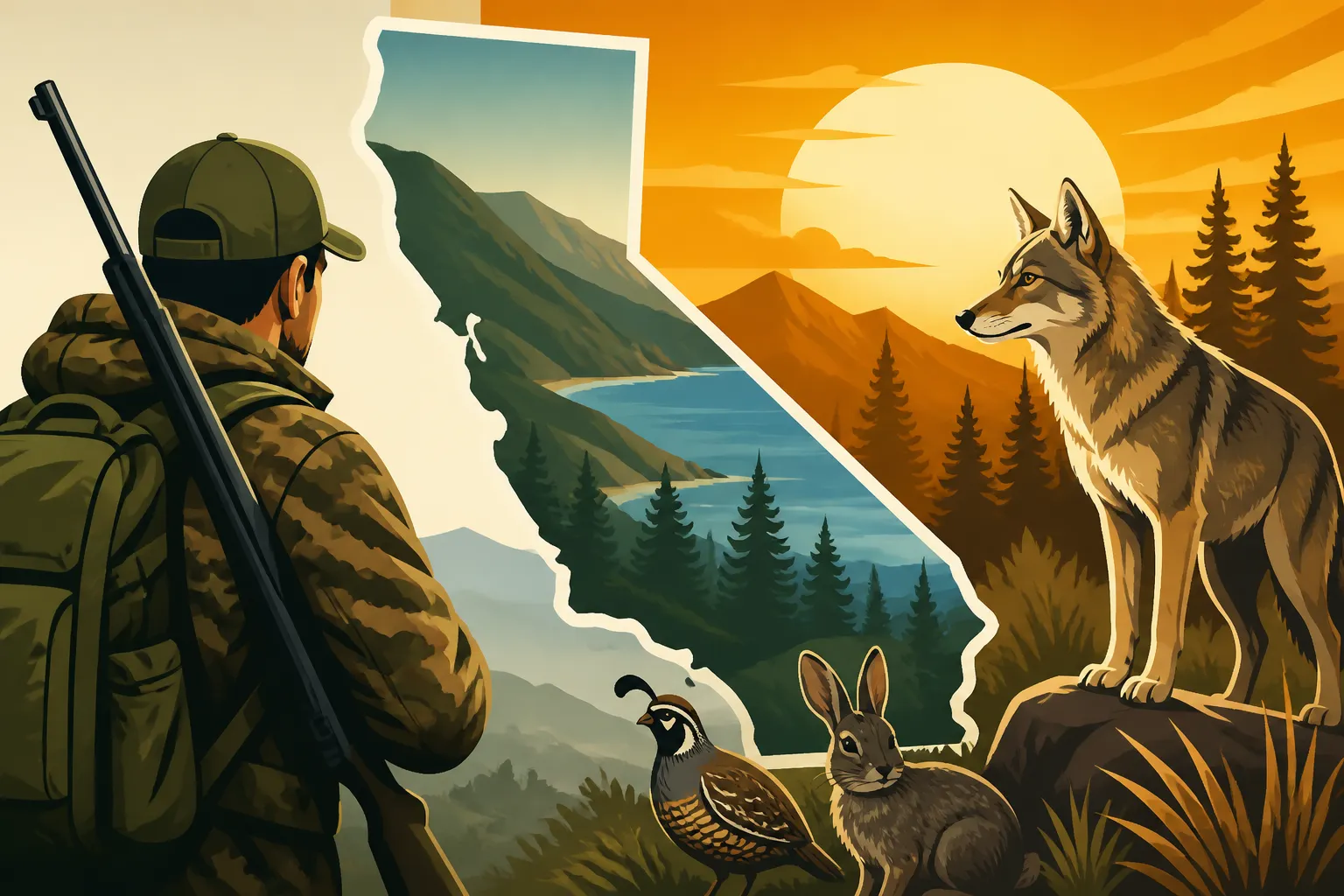
For many, hunting conjures images of majestic deer, powerful elk, or elusive bears. While California certainly offers those pursuits, the world of small game and predators provides a different, yet equally rewarding, set of challenges and experiences. It’s an accessible entry point for new hunters, a skill-sharpening arena for veterans, and a fantastic way to extend your time outdoors well beyond the typical big game calendar.
Beyond Big Game: Why Small Game Offers Year-Round Action
The beauty of small game hunting in California is its sheer variety and often extended seasons. While deer and elk tags might be hard to draw or limited to short windows, species like squirrels, rabbits, and quail can offer opportunities from late summer through winter, and sometimes even longer depending on the specific zone. This isn't just about bagging dinner, though a delicious rabbit stew or fried quail is certainly a perk! It's about developing essential hunting skills: stealth, tracking, reading terrain, and accurate shooting.
Think about it: practicing your shotgun swing on fast-flushing quail in the foothills or honing your rifle marksmanship on a fox squirrel perched high in an oak tree directly translates to better performance when that trophy buck finally steps out. Small game hunting allows for more frequent outings, which builds confidence and familiarity with your gear and local hunting spots. Plus, it's often a more relaxed atmosphere, perfect for introducing new hunters or sharing the woods with friends and family without the intense pressure often associated with a once-in-a-lifetime big game draw tag. It's about consistent connection with nature and the simple joy of the hunt.
The Thrill of the Chase: Why Predator Hunting Appeals to Many
Predator hunting, particularly for species like coyotes, brings a whole different kind of excitement and challenge. These animals are incredibly intelligent, wary, and often require a deep understanding of calling techniques, wind direction, and concealment. Unlike deer, which might browse passively, a coyote called in is actively hunting you, and that creates an adrenaline rush unlike any other. For some, predator hunting is about pest control, helping local ranchers protect livestock or contributing to game bird populations. For others, it’s purely about the tactical challenge and the opportunity to spend time in the wild honing their calling and stalking abilities.
California's vast landscapes, from the oak woodlands of the Coast Range to the wide-open spaces of the Mojave Desert, provide endless settings for predator pursuits. Seasons are often generous, sometimes even year-round for coyotes, making it an ideal activity during those "off-season" months. Many hunters find themselves hooked on the strategic chess match involved in outsmarting a cunning coyote, constantly refining their calls and setups. It's an opportunity to learn animal behavior firsthand and become a more effective hunter across the board. Plus, contributing to local wildlife management by reducing predator pressure on fawn or turkey poult populations is a very real and often appreciated benefit.
California's Diverse Small Game Opportunities
California is a surprisingly rich state for small game, boasting a variety of habitats that support everything from quick-flushing upland birds to wary forest critters. Each species offers its own unique challenge and demands different strategies and gear.
Quail: Fast-Flying Challenges in Varied Habitats
California is synonymous with quail, particularly the iconic California valley quail. These birds are abundant in foothill chaparral, oak woodlands, and even agricultural edges. Their distinctive "chi-ca-go" call is the soundtrack to many fall and winter mornings. Hunting quail is often a high-energy affair, requiring good boots, strong legs, and a quick swing on your shotgun. Coveys can number in the dozens, providing exciting flushes, but they are masters of cover, often running through dense brush before taking to the air.
Beyond the valley quail, you'll also find mountain quail in higher elevations, and gambel's quail in the desert regions, each with slightly different behaviors and preferred habitats. Mountain quail are larger and often found in steeper, thicker cover, while Gambel's are classic desert birds, often found near water sources in arid environments. A good pointing dog can be a huge asset when hunting quail, helping to locate birds and retrieve downed ones from thick cover. Without a dog, expect to do a lot of walking and be ready for sudden bursts of action. Many hunters enjoy Quail Hunting California Foothill Chaparral as a way to stay active during the cooler months.
Rabbits and Squirrels: Accessible Hunts for All Skill Levels
If you're looking for an accessible and often bountiful hunt, rabbits and squirrels are excellent choices. California has several species of rabbits, including cottontails and jackrabbits. Cottontails are typically found in brushy areas, often near agricultural fields or riparian zones, and offer excellent table fare. Jackrabbits, larger and faster, prefer open grasslands and desert environments, providing a challenging target for rimfire rifles. Squirrels, particularly California ground squirrels and various tree squirrels (like the Western gray squirrel and fox squirrel), are widespread. Tree squirrels offer exciting hunts in oak and conifer forests, requiring patience and a keen eye to spot them amongst the branches. Ground squirrels are often considered pests in agricultural areas and can provide ample opportunity for target practice with a rimfire.
Hunting rabbits and squirrels is fantastic for honing marksmanship skills with a .22 rifle or even a small-gauge shotgun. They are often found in areas with easier access than some big game units, making them ideal for shorter trips. For many, a morning spent stalking squirrels through an oak grove or walking fencerows for cottontails brings back fond memories and creates new ones, especially when hunting with youth. Plus, rabbit and squirrel meat are incredibly delicious and versatile in the kitchen.
Other Upland Birds: Doves, Pheasants, and Chukar
California's upland bird opportunities extend beyond quail to include doves, pheasants, and chukar. The dove season opener in September is a highly anticipated event across the state. Mourning doves and white-winged doves provide fast, erratic targets over cut grain fields, water holes, and orchards. It's a social hunt, often shared with friends and family, and a great way to kick off the fall hunting season. If you're looking for an exciting and accessible hunt, remember that Dove Hunting a Cut Grain Field can provide fast action.
Pheasants, though less widespread than in some other states, can still be found in remnant populations in the Central Valley, particularly in areas with dense cover and agricultural fields. These hunts often involve walking through thick cover, pushing birds towards blockers, or utilizing flushing dogs. Chukar, an introduced species, thrive in steep, rocky, arid canyons, particularly in the eastern parts of the state. They are incredibly tough birds, requiring grueling climbs and precise shots. Hunting chukar is a true test of endurance and marksmanship, and a successful chukar hunt is always a hard-earned victory.
Targeting California's Principal Predator Species
Predator hunting in California offers a dynamic and strategic challenge, appealing to those who appreciate the tactical side of the hunt. The primary species targeted are coyotes and bobcats, both requiring specific approaches due to their intelligence and elusive nature.
Coyotes: Smart, Widespread, and Challenging Adversaries
Coyotes are perhaps the most common and widely distributed predator in California, found in virtually every habitat type from coastal scrub to high desert and agricultural plains. Their adaptability and intelligence make them formidable adversaries for hunters. Coyotes respond well to calling, particularly distress calls mimicking injured prey animals or howls to simulate territorial intrusions. The thrill of a coyote responding to your call and stealthily making its way into view is incredibly exciting.
Hunting coyotes often involves setting up in a concealed position with a good view, using electronic calls or mouth calls to bring them in. Understanding wind direction is paramount, as coyotes have an incredible sense of smell. They can be hunted year-round in many areas, providing continuous opportunities to hone your skills. For those who enjoy the strategic puzzle of predator hunting, coyotes offer endless learning experiences. Many hunters find success Coyote Calling California Ranch Land where these clever canines often roam. Learning to read their approach and react quickly is key to success.
Bobcat: Elusive Furbearers Requiring Patience and Skill
Bobcats are beautiful, elusive furbearers that offer a significant challenge to predator hunters. While not as numerous or widespread as coyotes, they can be found in many of the same areas, particularly in brushy, rocky, and wooded habitats across the state. Their keen senses and natural wariness mean success often comes down to patience, excellent camouflage, and quiet movement.
Calling bobcats typically involves using a variety of distress calls, particularly those mimicking rodents or birds, which are staple food sources. Unlike coyotes that might charge in, bobcats often approach cautiously, using cover, and pausing frequently to scan their surroundings. A successful bobcat hunt is often a testament to a hunter's ability to remain perfectly still and blend into the environment for extended periods. There are specific regulations and tag requirements for bobcats, so always check the current CDFW guidelines before heading afield. The satisfaction of calling in and harvesting a bobcat is immense, a true trophy for the dedicated predator hunter.
Other Predators: Less Common but Still Part of the Landscape
While coyotes and bobcats are the primary focus for most predator hunters in California, other species are occasionally encountered or targeted under specific circumstances. Gray fox and raccoons, for example, are furbearers that can also respond to predator calls, particularly small rodent distress sounds. While not typically the primary target, encountering one adds an unexpected element to your hunt.
It's crucial to always be aware of the specific regulations for any species you might encounter, as seasons, bag limits, and legal methods can vary significantly. For instance, California has very strict rules regarding mountain lions, which are protected and cannot be hunted. Staying informed through the California Department of Fish and Wildlife (CDFW) regulations is paramount to ensure you're hunting legally and ethically. While the focus remains largely on coyotes, these other species can certainly make an appearance, adding to the diversity of your predator hunting experiences.
Essential Gear and Setup for Small Game Pursuits
Just like big game hunting, having the right gear is crucial for success and enjoyment when pursuing small game and predators. California's varied terrain and specific regulations, particularly the non-lead ammunition requirement, necessitate careful consideration of your equipment.
Firearms and Ammunition: Choosing the Right Tools
For small game, shotguns are often the workhorse, particularly for upland birds like quail, doves, and pheasants. A 12-gauge or 20-gauge shotgun is versatile, with open chokes (like improved cylinder or modified) being ideal for the fast, close-range shots often encountered. When it comes to ammunition, California's statewide non-lead requirement means you'll be using steel, bismuth, or other approved non-toxic shot. Steel shot is widely available and effective for most upland birds, though bismuth offers superior performance but at a higher cost.
For rabbits and squirrels, a .22 caliber rimfire rifle is a classic choice, offering precision and quietness. Make sure to use non-lead .22 LR ammunition, which is readily available. For coyotes and bobcats, a centerfire rifle like a .223 Remington, .204 Ruger, or .243 Winchester is common. Again, non-lead ammunition is mandatory. Consider bullet weights that offer good ballistic performance and minimal pelt damage if you plan to save the hide. Choosing Non-Lead Rifle Ammunition in California is a vital step for any hunter in the state, ensuring compliance and ethical performance. It's not just about the law; it's about choosing projectiles that perform effectively without leaving lead in the environment.
Calls, Decoys, and Dogs: Enhancing Your Small Game Success
Hunting calls are indispensable for both small game and predators. For upland birds, a good quail whistle or dove call can help locate birds or bring them back to your area. For predators, a range of calls is essential. Electronic calls like those from Foxpro or ICOtec offer a library of distress sounds (rabbit, mouse, bird), coyote howls, and pup distress calls that can be incredibly effective. Mouth calls, such as diaphragm calls for birds or hand calls for coyotes, offer versatility and require more skill, but are rewarding to master.
Decoys can also play a significant role. A spinning-wing dove decoy, for example, can dramatically increase your success in a Dove Hunting a Cut Grain Field by attracting birds from a distance. For predators, a simple motion decoy (like a rabbit or bird flapper) can distract an incoming coyote or bobcat, drawing their attention away from your position and giving you a cleaner shot. Lastly, a well-trained hunting dog can transform a small game hunt, especially for upland birds. Pointers, flushers, and retrievers not only help locate and retrieve game but also add a layer of companionship and joy to the hunting experience that is hard to beat.
Apparel and Footwear: Comfort and Stealth in California's Wilds
California's diverse climate means your hunting apparel needs to be adaptable. Layering is key, especially in areas where temperatures can swing dramatically from cool mornings to hot afternoons. Lightweight, breathable materials that wick moisture are crucial for active hunts. Camouflage patterns that blend with California's unique landscapes – from the muted greens and browns of oak woodlands to the arid tones of the desert – will help you disappear into your surroundings, especially when predator hunting. Blaze orange or pink may be required in some hunting areas or during specific seasons, so always check local regulations.
Footwear is perhaps the most critical component for small game and predator hunters who will be covering a lot of ground. Durable, comfortable, and supportive boots are non-negotiable. For steep, rocky terrain, ankle support and aggressive tread are essential. In dryer, warmer conditions, a lighter, more breathable boot might be preferred. Investing in quality boots that fit well can prevent blisters and fatigue, allowing you to hunt longer and more effectively. Remember, silence and comfort are your allies, so choose gear that allows for quiet movement and stands up to the rigors of California's wild landscapes.
Proven Strategies for Predator Hunting in California
Predator hunting is often a mind game, a test of your ability to understand animal behavior, master calling sequences, and remain undetected. California's varied terrain presents unique opportunities and challenges for calling in coyotes and bobcats.
Calling Techniques: From Howls to Distress Calls
The art of predator calling is about mimicking sounds that trigger a predator's natural instincts: hunger, territoriality, or curiosity. For coyotes, distress calls are often the most effective. Sounds like a "dying rabbit" or "fawn distress" can bring them in quickly, as they're looking for an easy meal. Varying the volume and duration of your calls, pausing to listen for responses, and using a sequence that builds realism are crucial. Start softer, then increase volume, and then taper off, mimicking an animal in its last throes.
Beyond distress calls, coyote vocalizations can be highly effective. A lone howl can pique the curiosity of other coyotes, or a challenge howl can draw in a dominant male. Pup distress calls can bring in adults, especially during breeding or denning seasons. For bobcats, smaller rodent or bird distress calls are often more productive, as their diet focuses on smaller prey. Patience is key with bobcats; they often approach slowly and cautiously. It's also important to understand Predator Calling California's Mojave Desert Country, as the open landscape and unique challenges require different sound projection and setup than dense timber. Having a diverse repertoire of calls and knowing when to use each one is what separates consistently successful callers from those who only occasionally get a response.
Stand Placement and Concealment: Maximizing Your Chances
Your stand placement is just as important as your calling technique. You need to position yourself where you have a clear field of view, ideally downwind of where you expect the predator to approach. Coyotes and bobcats will almost always try to circle downwind to scent-check the source of the call. Setting up with your back against dense cover or a large rock formation breaks up your silhouette and provides an ambush point. The goal is to see them before they see or smell you.
Consider the terrain and sun position. Hunting with the sun at your back can make it harder for incoming predators to spot you. Utilizing natural features like ridge lines, washes, or breaks in vegetation to funnel a predator's approach can give you an advantage. Optimal concealment means not just wearing good camouflage, but also remaining absolutely still. Even the slightest movement can betray your position to these sharp-eyed animals. This might mean sitting for 20-30 minutes, or even longer for bobcats, without twitching a muscle, completely focused on scanning for movement.
Timing and Conditions: Hunting the Right Moments
Successful predator hunting is heavily influenced by timing and environmental conditions. Early mornings and late evenings, during crepuscular hours, are often the most productive times, as predators are typically more active. However, overcast days or periods of light rain can also be excellent, as these conditions can mask your scent and sound, and encourage daylight activity.
Wind is a critical factor. A consistent, moderate wind (5-15 mph) is often ideal, as it helps carry your calls and masks your sound, but isn't so strong that it makes calling ineffective or causes predators to stay bedded. Avoid extremely windy days, which scatter sound, or completely still days, where your scent cone will spread easily and alert distant animals. The best hunters also pay attention to seasonal patterns. For example, during the spring denning season, adult coyotes might be more responsive to pup distress calls. Understanding these nuances and adjusting your tactics accordingly will significantly increase your odds of success.
Navigating California's Regulations for Small Game and Predators
California has a comprehensive set of hunting regulations, and it's absolutely crucial to understand them before heading afield. Ignorance of the law is never an excuse, and violations can lead to heavy fines and loss of hunting privileges.
Licensing, Stamps, and Special Permits
To hunt any game in California, you'll first need a valid California hunting license. This is your fundamental permit to pursue wild game. For residents, there are various California Resident License Options, and for non-residents, specific licenses are available. Beyond the base license, certain game animals require additional stamps or tags. For example, if you plan to hunt migratory birds like doves or ducks, you'll need a California Migratory Bird Hunting Validation and a federal duck stamp.
Bobcats, being furbearers, require a specific bobcat hunting tag, and there are strict reporting requirements if you harvest one. Always check the current CDFW hunting regulations booklet or their website for the most up-to-date information on what you need for each species. It’s also important to be aware of California Hunter Education Requirements. If you're a new hunter or haven't hunted in California before, you'll likely need to complete an approved hunter education course. This ensures everyone afield understands safety, ethics, and regulations.
Season Dates, Bag Limits, and Legal Methods
California's small game and predator seasons vary significantly by species and often by hunting zone. Small game seasons typically run from late summer or early fall through winter, offering extended opportunities. For instance, dove season often kicks off in September, while quail and rabbit seasons may open a bit later and extend into January. Predator seasons for coyotes are often open year-round, but always double-check. Bobcats have a specific, shorter season.
Bag limits specify how many animals of a particular species you can harvest per day and often how many you can possess. These are crucial for managing wildlife populations. For example, valley quail might have a daily bag limit of 10, while pheasants might be 2. There are also legal methods of take to consider. While rifles and shotguns are generally permitted for most small game and predators, certain areas may have restrictions (e.g., shotgun-only zones). Understanding these nuances is critical.
A quick reference table for some common small game and predators:
| Species | Typical Season Start (General) | Typical Season End (General) | Daily Bag Limit (General) | Common Legal Method |
|---|---|---|---|---|
| Valley Quail | Late October | Late January | 10 | Shotgun, Falconry |
| Cottontail | Early September | Late January | 5 | .22 rifle, Shotgun, Falconry |
| Tree Squirrel | Early September | Late January | 4 | .22 rifle, Shotgun |
| Mourning Dove | Early September | Mid-January (split season) | 15 | Shotgun, Falconry |
| Coyote | Year-Round | Year-Round | None | Rifle, Shotgun, Archery |
| Bobcat | Mid-October | End of February | 2 per season | Rifle, Shotgun, Archery, Traps |
Note: These are general dates and limits. Always consult the current CDFW hunting regulations for precise, zone-specific information.
Non-Lead Ammunition: A Critical Requirement
Perhaps the most significant regulation for all hunting in California is the statewide requirement for non-lead ammunition. As of July 1, 2019, it is illegal to use any lead ammunition for hunting in California. This applies to all firearms, for all species, everywhere in the state. This regulation was primarily implemented to protect California condors and other wildlife from lead poisoning.
This means hunters must source and use bullets made of copper, bismuth, steel, or other approved non-toxic materials. It's not just about compliance; it's about understanding how these different materials perform. For example, copper bullets often retain more weight and penetrate deeper than traditional lead bullets, but can behave differently in terms of trajectory and barrel fouling. You'll need to sight in your rifle with non-lead loads and ensure your shotgun chokes are compatible with steel shot. Familiarize yourself with California's Non-Lead Ammunition Requirement well before your hunt to avoid any surprises in the field. This requirement is non-negotiable and has fundamentally changed ammunition choices for every hunter in the state.
Finding Your Hunting Ground: Public and Private Land Access
One of the biggest hurdles for any hunter in California is finding suitable hunting ground. While vast, much of California's landscape is private, making access a constant challenge. However, with some effort and savvy, opportunities abound on both public and private lands.
Exploring California's Vast Public Lands
California boasts millions of acres of public land, including National Forests, Bureau of Land Management (BLM) lands, and State Wildlife Areas. These lands are open to hunting, provided you adhere to specific local regulations and statewide laws. National Forests, like those in the Sierra Nevada or Six Rivers, offer extensive opportunities for small game and predator hunting in diverse habitats, from high elevation forests to foothill oak woodlands. BLM lands, particularly in the desert regions of Southern California, are excellent for jackrabbits, ground squirrels, and coyotes.
Using mapping apps like GoHunt or OnX Hunt is absolutely essential for navigating public lands. These tools allow you to identify property boundaries, land ownership, roads, trails, and even topographic features, helping you find potential hunting spots and ensure you stay on legal ground. While public lands can receive significant pressure, especially near urban centers, willing hunters who are prepared to hike away from roads often find untapped opportunities. Remember to always respect public land rules, including vehicle access restrictions, camping regulations, and ethical waste disposal. For those looking to hunt larger public expanses, understanding Public Hunting Land in California is the first step towards consistent success.
The Art of Gaining Private Land Access
While public lands are an incredible resource, gaining access to private land can often open up prime hunting opportunities with less competition. Many private landowners, especially those with agricultural operations, may welcome hunters for predator control (coyotes, ground squirrels) or for managing small game populations. The key is respectful, polite communication.
Start by identifying potential properties, perhaps using satellite imagery or even just driving through rural areas. Then, approach landowners directly, in person if possible, with a clear and professional request. Be prepared to introduce yourself, explain what you want to hunt, and offer to share game or help with other tasks around the property. Always offer proof of insurance and a valid hunting license. The relationship is built on trust, so always follow through on your promises, leave the land cleaner than you found it, and express sincere gratitude. Remember that in California, you generally need written permission to hunt on private land. Learning Getting Private Land Permission in California is a skill that pays dividends for a lifetime of hunting.
Scouting and E-Scouting for Success
Regardless of whether you're hunting public or private land, effective scouting is paramount for consistent success. This involves both "e-scouting" from home and boots-on-the-ground reconnaissance. E-scouting using satellite imagery on platforms like GoHunt, Google Earth, or OnX allows you to identify key habitat features: water sources, dense cover, food plots, game trails, and potential travel corridors. Look for terrain changes, old logging roads, or natural funnels where game might concentrate.
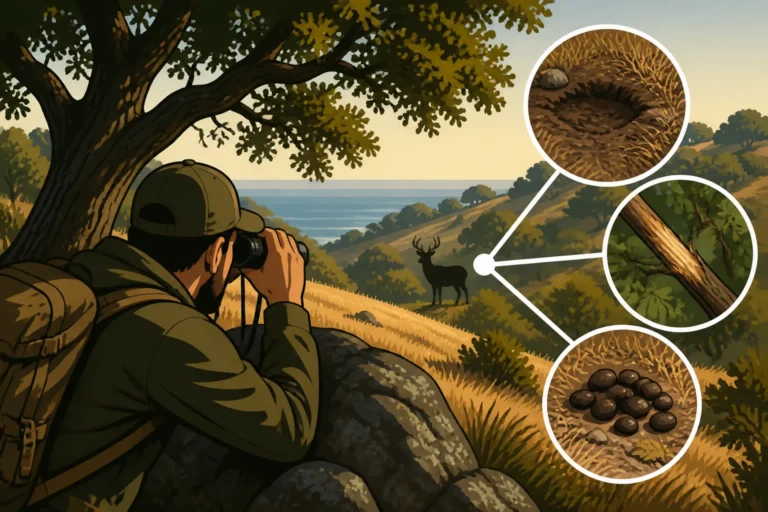
Once you have potential spots identified, it’s time for boots-on-the-ground scouting. Walk the area, looking for fresh tracks, scat, feeding signs, and actual game. Pay attention to bedding areas, travel routes, and pinch points. For predators, look for sign around water sources, ranch perimeters, or areas with abundant prey. Setting up trail cameras can also provide invaluable intelligence on game movement patterns and times of activity. Don't underestimate the importance of understanding the habitat and local conditions. Even something as simple as Reading California Mud for Fresh Deer Movement can give you insights into recent activity, which translates to small game and predators too. Scouting is not just an activity; it's an ongoing process that refines your knowledge of an area and increases your chances of success.
Ethical Considerations and Post-Harvest Practices
Hunting is a privilege, not a right, and with that privilege comes a profound responsibility to hunt ethically and ensure proper care of the game harvested. This is especially true when it comes to small game and predators, where responsible practices are key to public perception and wildlife conservation.
Respecting the Resource: Fair Chase and Responsible Hunting
Ethical hunting in California, and everywhere, centers on the principle of fair chase. This means pursuing animals in a manner that allows them a reasonable chance of escape, without undue advantage to the hunter. For small game, this translates to not shooting birds on the ground when they could be flushed, or not taking potshots at animals beyond your effective range. For predators, fair chase means using calls and concealment, but avoiding methods that guarantee a harvest without any challenge.
Responsible hunting also includes knowing your effective range with your chosen firearm and ammunition, and only taking shots that offer a high probability of a clean, ethical kill. Practicing regularly at the range with your non-lead ammunition is vital. Additionally, always identify your target positively before shooting, especially when hunting small game in thick cover where non-target species might be present. Hunter safety, for yourself and others, should always be the top priority. This includes knowing and following the basic rules of firearm safety at all times.
Field Care and Processing Your Small Game
Just like with big game, proper field care of small game is essential for preserving the quality of the meat. As soon as possible after harvest, field dress your small game. For birds, this usually means plucking or breasting them out. For rabbits and squirrels, gutting them quickly and cooling the carcass will prevent spoilage, especially in warmer weather. Removing entrails reduces bacterial growth and allows the body to cool faster.
If you're hunting in hot conditions, bring a cooler with ice to store your game immediately after field dressing. This is a critical step that many overlook with small game, but it makes a huge difference in flavor and safety. Once home, process your game promptly – either breaking it down into cuts for cooking or freezing it. Small game provides delicious, lean, and organic protein that many hunters cherish. Learning basic Field Dressing a Deer in Hot Weather techniques can easily be adapted for larger small game species, emphasizing the importance of rapid cooling.
Predator Management and Carcass Handling
When it comes to predator hunting, especially for coyotes, the ethical considerations extend to carcass handling. While some hunters will skin coyotes for their fur (when in prime condition during winter), many simply hunt them for management purposes. If you are not harvesting the fur or meat, it's still crucial to dispose of the carcass responsibly. Leaving carcasses in visible areas or where they might attract other scavengers or create a nuisance is unethical and gives hunters a bad name.
Whenever possible, remove the carcass from public view, or bury it if regulations allow and conditions are appropriate. If you are hunting on private land, discuss disposal methods with the landowner beforehand. For bobcats, if you harvest one, ensure you follow all tagging and reporting requirements as dictated by the CDFW. Ethical predator hunting contributes to responsible wildlife management and maintaining positive relationships with landowners and the non-hunting public.
Disclaimer
Please remember that hunting regulations in California are subject to change. Always consult the most current California Department of Fish and Wildlife (CDFW) regulations booklet or their official website before engaging in any hunting activity. This guide is for informational purposes only and does not supersede official regulations.