Spot-and-Stalk California Bear Hunting Before the Quota Closes
Trying to hunt black bear in California can feel like you're racing against an invisible clock, especially with the state's unique statewide quota system. Many hunters spend countless hours scouting, only to find the season closed early because the quota was met, or they miss crucial details about the specific regulations for bear hunting in California. This guide is here to walk you through the ins and outs of spot-and-stalk bear hunting, ensuring you understand the season structure, critical gear, and strategies to increase your chances of success before that elusive quota is filled.
Understanding California's Bear Season and Quota System
Hunting California black bears isn't just about finding the right animal; it's also about navigating a very specific set of regulations, particularly the statewide quota. Many hunters, especially those new to California, get frustrated by the uncertainty, fearing they'll miss their opportunity entirely. It's a valid concern, and knowing how the system works is half the battle.
General Season and Archery Opportunities
California offers both a general rifle season and an archery-only season for black bears, often running concurrently or overlapping with deer seasons in certain zones. The archery season typically kicks off earlier, giving bowhunters a unique window to pursue bears before the general season opens. For instance, the general season in many areas might open in late August or early September, aligning with specific deer zones. The key thing to remember is that these dates, while generally consistent year to year, are always subject to change by the California Department of Fish and Wildlife (CDFW). Always double-check the current regulations before planning your trip. The early archery window, as covered in topics like Hunting the August Archery Bear Window, provides a quieter experience, often with bears still heavily focused on summer food sources.
The Critical Statewide Quota and Its Impact
Here's where things get really interesting – and sometimes, really stressful. California operates under a statewide quota for black bears. Currently, that quota is set at 1,700 bears, or when the take of female bears reaches 40%, whichever comes first. This means that regardless of the published season end dates, the season for the entire state will close early if either of those thresholds is met. Imagine pouring your heart into a hunt, finally getting a solid bear located, only to check the CDFW website and find out the season closed yesterday. It happens, and it's a huge letdown. This quota system emphasizes the need for constant vigilance. You absolutely need to stay updated on the harvest numbers, which the CDFW typically updates regularly on their website. Understanding California's 1,700-Bear Statewide Quota is paramount to avoiding disappointment. If you're wondering What Happens When the Bear Quota Fills Early, it means your tag becomes invalid for the remainder of the year.
Non-Lead Ammunition and Other Regulations
California has a strict California's Non-Lead Ammunition Requirement for all hunting, and bear hunting is no exception. This means you cannot use lead bullets or projectiles. It's not just a recommendation; it's the law, and wardens will enforce it. This regulation stems from efforts to protect California condors and other wildlife from lead poisoning. Choosing the right non-lead ammunition is crucial, both for compliance and for ensuring ethical, humane kills. You'll need to confirm that your chosen ammunition is on the CDFW's certified non-lead list. Beyond ammo, hunters must also carry a valid California hunting license and a bear tag. Remember, a bear tag is a separate purchase from your general hunting license.
Scouting for Bears: Reading the Landscape
Spot-and-stalk bear hunting isn't just about the hunt itself; it’s an all-encompassing endeavor that starts long before you ever step foot into the woods with your weapon. Effective scouting is the backbone of success, especially in a state as vast and diverse as California. You can’t just blindly wander into bear country and expect to find animals. You need to understand their patterns, their habitat, and what they’re feeding on.
Identifying Prime Bear Habitat and Food Sources
Black bears are creatures of opportunity, especially when it comes to food. Their diet shifts dramatically throughout the seasons, and knowing what they're targeting is your biggest advantage. In spring and early summer, they're often found in lower elevations, browsing on green grasses, forbs, and emerging berries. As summer progresses, they’ll move to higher elevations, seeking out huckleberries, manzanita berries, and wild cherries, often found in brushy clear-cuts or along forest edges. Fall is all about mast crops – acorns, specifically. If you can locate a good oak stand with a heavy acorn drop, you're likely to find bears. Areas rich in specific food sources, like a Spot-and-Stalk Bear Hunting a Berry Patch, can be honey holes. This means spending time scouting these areas for sign, both before the season and even the day before you plan to hunt. Areas with water, like springs, creeks, and stock ponds, are also critical, especially in the dry California summers and falls.
Locating Bear Sign: Tracks, Scats, and Rubs
Bears leave plenty of clues if you know what to look for. Tracks are a dead giveaway, but knowing the difference between a sow and a boar, or a fresh track versus an old one, comes with experience. Look for tracks along dusty roads, muddy creek banks, and game trails. Scat is another key indicator. The content of the scat will tell you what they've been eating – berries, acorns, or even insect larvae. Fresh scat means a bear is nearby. Look for rub trees, where bears will scratch and rub their backs, often leaving hair behind. These are often scent marking posts. Flattened vegetation in berry patches or rooted-up areas in meadows also point to recent feeding activity. Pay attention to downed logs that have been torn apart looking for grubs, or rocks flipped over. This physical evidence, combined with an understanding of Where California Blacktail Bucks Bed, can help you identify primary travel corridors and bedding areas, even though bears might choose different spots.
Using Technology for Pre-Season Scouting
In today's hunting world, technology is your friend. Mapping applications like GoHunt can be invaluable for pinpointing potential bear country. You can use satellite imagery to identify oak stands, burn scars, areas with dense berry bushes, or north-facing slopes where bears might bed during warmer parts of the day. The app allows you to mark waypoints for promising areas, track your scouting routes, and even identify public land boundaries, which is crucial in California. Layers showing topography, water sources, and even historical fire data can guide you to areas less pressured by other hunters. You can also monitor past harvest data and population trends through resources often linked or aggregated by platforms like GoHunt, giving you a better idea of bear density in certain regions. This kind of pre-season digital scouting is an absolute must before you even put boots on the ground.
The Art of the Spot-and-Stalk
Once you’ve done your homework and found an area holding bears, the real challenge begins: finding the bear, getting close, and making a clean shot. Spot-and-stalk hunting is perhaps the most exhilarating form of hunting, demanding patience, keen observation, and silent movement.
Glassing Techniques for Open Country
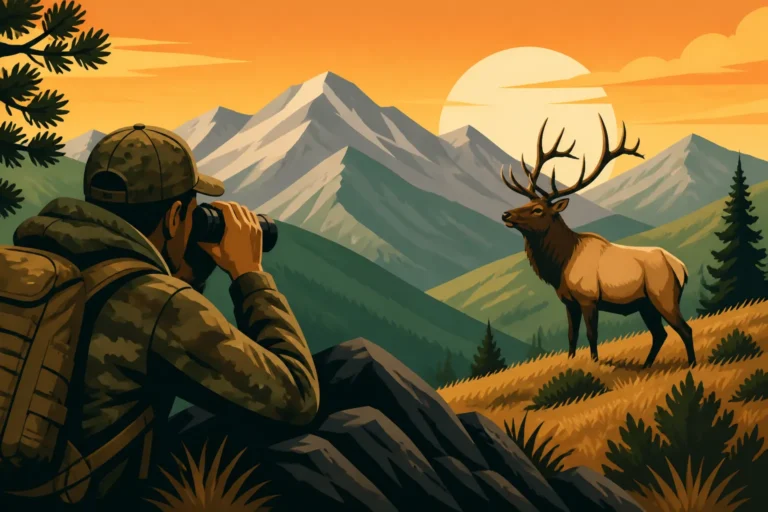
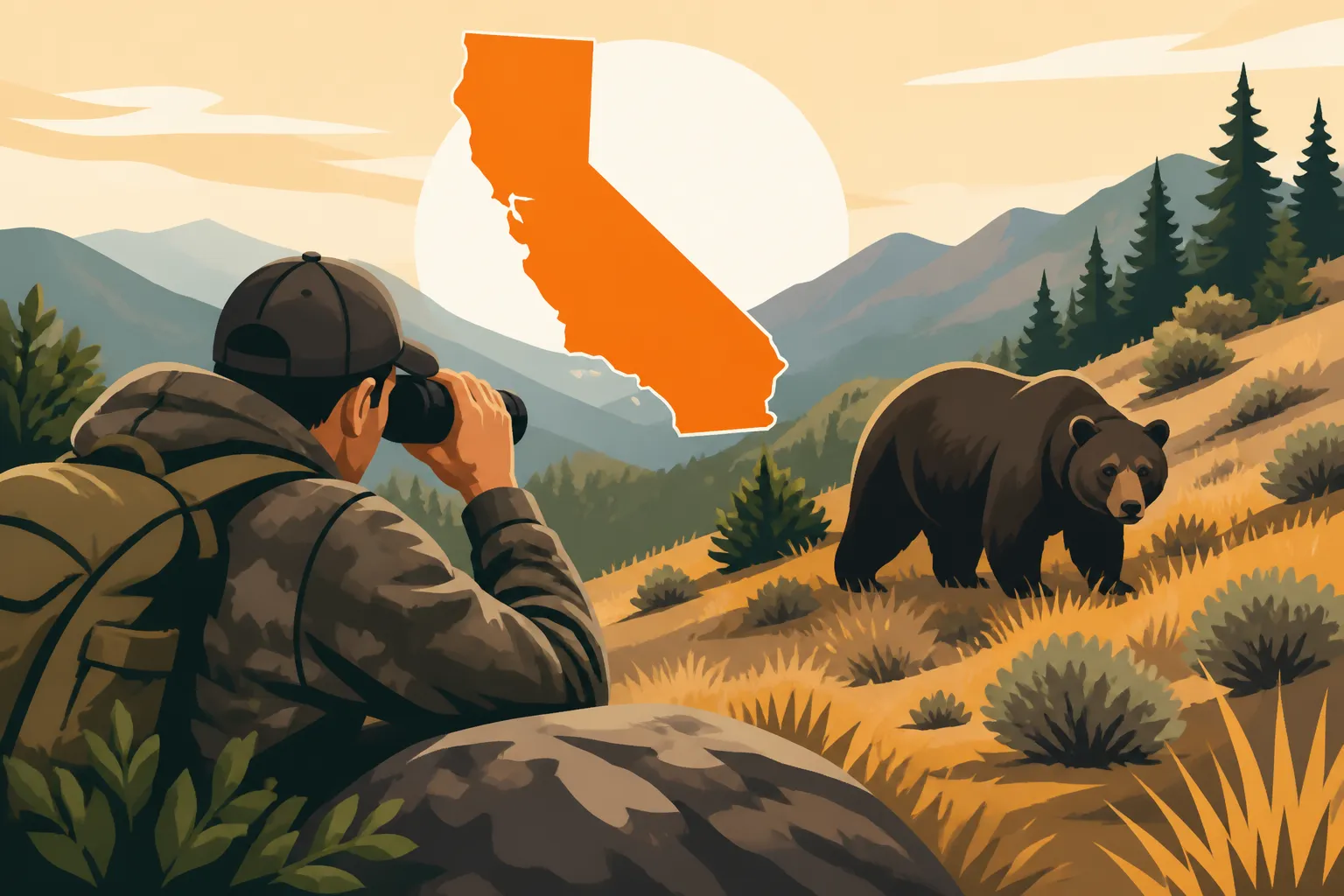
California offers a surprising amount of open country, from high Sierra meadows to vast chaparral hillsides, where glassing is incredibly effective. This is where your optics shine. Don't just scan; break the landscape down into grids. Start with binoculars to scan broad areas, looking for anything out of place—a dark blob on a hillside, a flicker of movement, or the distinct shape of a bear against the terrain. Bears often blend in remarkably well, appearing as a shadow or a burnt stump. Once you spot something promising, switch to a spotting scope on a tripod for a closer look. This is critical for confirming it's a bear, judging its size, and observing its behavior. When glassing, especially for a bedded animal, look for ears, a patch of hide, or even just the shine of fur. Early mornings and late evenings are prime glassing times as bears are most active, often feeding in open areas before retreating to thicker cover during the heat of the day. For more on maximizing your glassing efforts, check out Glassing Mule Deer in Open California Country, which offers transferable skills.
The Stalk: Wind, Topography, and Patience
This is the most challenging part. Once a bear is located, your mission is to get within shooting range undetected. The wind is your absolute master. Bears have an incredible sense of smell, and if they catch your scent, the game is over. Always approach into the wind, or with a crosswind that carries your scent away from the bear. Topography is your friend. Use ridges, draws, and dense vegetation for cover. Stay low, move slowly, and take advantage of every fold in the terrain. Don't rush. A typical stalk might involve crawling, long pauses to reassess the bear's movement, and careful navigation of noisy terrain like dry leaves or crunchy brush. This can take hours, and often, the bear will move or disappear before you can get close. It's frustrating, but it's part of the process. If you lose sight of the bear, don't panic. Stay put, watch the last place you saw it, and be patient. They often reappear. For high-country hunts, understanding Wind and Thermals in Steep Sierra Country is absolutely crucial for a successful stalk.
Shot Placement and Follow-Up
Ethical hunting demands a clean kill. For bears, the most effective shot placement is typically the shoulder/lung area. This targets the vitals and incapacitates the animal quickly. Avoid head-on or rear shots unless absolutely necessary for safety and you are confident in making a precise shot, as these offer smaller vital targets. After the shot, keep your eyes on the bear. Watch its reaction and mark its last known location. Bears are incredibly tough animals and can travel a surprising distance, even with a lethal shot. Wait a reasonable amount of time (15-30 minutes for a suspected good hit, longer for a questionable hit) before beginning your track. Bring a quality headlamp, even if it’s daylight, because tracking a bear in dense cover, especially as evening approaches, can be incredibly challenging. A well-placed shot and careful follow-up are critical for a successful and ethical harvest.
Essential Gear for California Bear Hunting
California’s diverse terrain and unique hunting regulations mean your gear selection needs to be precise and well-thought-out. From the rifle in your hand to the pack on your back, every item plays a crucial role in the success and safety of your bear hunt.
Rifles, Calibers, and Non-Lead Loads
Given California's strict non-lead ammunition requirement, your choice of rifle and caliber is more important than ever. You need a setup that can deliver enough energy for a clean kill on a tough animal like a bear, while also complying with the law. Common and effective calibers for black bears include .270, .30-06, .308, and even 6.5 Creedmoor with appropriate bullet construction. The key is selecting a bullet that's designed to expand reliably and retain weight at impact without fragmenting, ensuring deep penetration. Brands like Barnes (TSX, TTSX), Hornady (GMX, CX), and Nosler (E-Tip) offer excellent non-lead options. Remember, Choosing Non-Lead Rifle Ammunition in California also means you might need to re-zero your rifle, as non-lead bullets often have different ballistic characteristics than their lead counterparts. Always practice with your chosen hunting ammunition before the season to confirm accuracy and shot placement. You can learn more about suitable options in Rifles and Calibers for California Big Game.
Optics for Effective Spotting
Good optics are absolutely non-negotiable for spot-and-stalk bear hunting in California. You'll be spending hours, perhaps days, behind glass, picking apart distant hillsides and dense timber for any sign of a bear.
- Binoculars: A good pair of 10×42 or 12×50 binoculars are your primary scouting tool. They need to be clear, comfortable to hold for extended periods, and offer good low-light performance. Brands like Vortex, Leupold, and Maven offer reliable options that won't break the bank.
- Spotting Scope: For truly distant glassing and confirmation, a spotting scope (15-45x or 20-60x) mounted on a sturdy tripod is essential. This allows you to differentiate a bear from a rock, judge its size, and assess its direction of travel before committing to a stalk. When you're trying to figure out Field Judging a Bear's Hide Condition from a mile away, a spotting scope becomes indispensable.
- Rangefinder: A laser rangefinder is crucial for making accurate shot decisions. Knowing the exact distance to your target, especially in broken terrain, removes guesswork and increases your chances of a clean shot. For more detailed information on choosing the right glass, consider checking out Optics for California's Open-Country Deer Hunting.
Packs and Field Dressing Supplies
A sturdy, comfortable pack is more than just a place to store your gear; it's your lifeline in the backcountry. For a single-day hunt, a 30-45 liter pack is usually sufficient, but for multi-day excursions, you'll want something larger, perhaps 60-80 liters, with an external frame option for packing out meat. Look for packs with good weight distribution, plenty of pockets for organization, and durable construction. Brands like Kifaru, Mystery Ranch, and Stone Glacier are popular for their robust designs and comfort. Inside your pack, you'll need essential field dressing supplies:
- Sharp Knives: At least two, a fixed blade and a smaller gut hook or caping knife.
- Game Bags: Lightweight, breathable game bags are crucial for protecting the meat from dirt and flies. Cotton or synthetic options work well.
- Gloves: Latex or nitrile gloves for hygiene during field dressing.
- Rope/Cordage: Useful for dragging, hanging meat, or securing gear.
- First Aid Kit: Always, always carry a comprehensive first aid kit, especially when hunting in remote areas.
- Water and Filtration: Sufficient water for the day, plus a water filter or purification tablets for extended trips.
- Navigation: A reliable GPS device or a mapping app like GoHunt on your phone (with downloaded offline maps) is critical for staying found and marking your kill site.
Post-Harvest: Reporting and Field Care
Congratulations! You've successfully navigated the challenges of a spot-and-stalk bear hunt, and now you have a bear on the ground. But the work isn't over. California has specific requirements for reporting your harvest and handling the animal. Neglecting these steps can lead to severe penalties, so it's vital to know what to do immediately after the shot.
Mandatory Reporting and Tooth Submission
California law requires you to report your bear harvest immediately after it's taken. This is often done through the CDFW's Automated License Data System (ALDS) online or by phone. It's similar to the process for Reporting a Pig Harvest Through ALDS, but with an additional step for bears. You'll need to provide details like the date, location, and the method of take. Crucially, you are also required to submit a tooth from your harvested bear to the CDFW. This is usually a premolar tooth, and specific instructions for its removal and submission are provided with your bear tag. This tooth is essential for the CDFW's biological monitoring program, allowing them to determine the bear's age, which is vital data for managing the statewide population. Failure to submit the tooth within the specified timeframe can result in a fine. Make sure you understand how to collect the tooth properly before you head out.
Field Dressing and Meat Preservation in Warm Weather
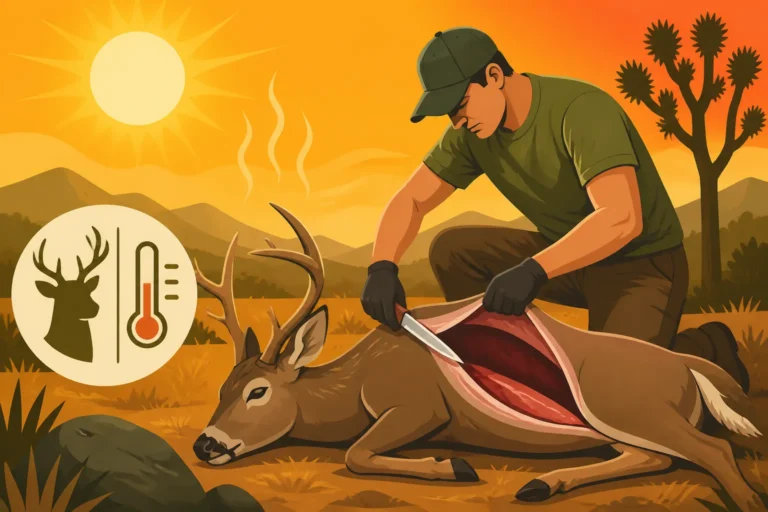
California's bear seasons often occur during warm periods, meaning proper field dressing and meat preservation are critical to prevent spoilage. As soon as the bear is down and secure, begin field dressing. Remove the entrails quickly to allow the carcass to cool down. If possible, quarter the bear and get the meat into breathable game bags. Hanging the quarters in a shaded, airy spot will help with cooling. You might even consider having a portable cooler with ice waiting at your vehicle, but avoid direct contact of meat with ice as it can cause "waterlogging." For longer hauls or extremely warm conditions, some hunters will bone out the meat to reduce weight and cool it faster. Remember, bear fat can go rancid quickly in warm temperatures, so trim as much of it as possible in the field if you don't plan to render it immediately. Properly preparing the meat in the field ensures a high-quality table fare.
CWD Concerns and Carcass Transport
While Chronic Wasting Disease (CWD) is primarily associated with deer and elk, it's always important to be aware of disease monitoring efforts and carcass transport rules, especially in areas where different species might overlap or where testing zones exist. California has specific California's Two CWD Testing Zones for deer and elk, and while CWD hasn't been found in California bears, vigilance is still important. When transporting your bear carcass, ensure you comply with any regional or statewide regulations regarding the movement of animal parts, particularly the brain and spinal column, which are primary vectors for CWD. Generally, it's best to process your animal as much as possible at the kill site or a nearby processing facility to minimize the transport of high-risk materials. Staying informed about the latest CDFW advisories on wildlife diseases is a responsible part of hunting.
Table of California Bear Season Options and Quota Status
To help keep track of the critical elements of bear hunting in California, here's a quick reference. Remember, always consult the current CDFW regulations for the most up-to-date information.
| Season Type | Typical Start Date | Typical End Date | Weapon | Notes | Current Quota Status (Check CDFW) |
|---|---|---|---|---|---|
| Archery-Only Season | August | Early September | Archery | Often overlaps with some deer seasons | Requires real-time CDFW check |
| General Season | Late August/September | Late December | Rifle, Archery | Statewide, until quota is met | Requires real-time CDFW check |
| Statewide Quota | N/A | N/A | N/A | 1,700 bears OR 40% female take, whichever comes first | Critical for all hunters |
| Non-Lead Ammo | Year-round | Year-round | All | Mandatory for all hunting in CA | N/A |
| Bear Tag Cost | ~ $50 (Resident) | ~ $300 (Non-Resident) | N/A | Separate from hunting license | N/A |
This table provides general information. Always verify dates and quota status directly with the California Department of Fish and Wildlife (CDFW) before hunting.
Disclaimer
The information provided in this guide is for general informational purposes only and is not a substitute for the official regulations published by the California Department of Fish and Wildlife (CDFW). Hunting laws and regulations can change frequently. It is the responsibility of every hunter to consult the most current California hunting regulations booklet and any in-season updates from the CDFW before engaging in any hunting activity. Always prioritize safety, ethical hunting practices, and compliance with all applicable laws.