Best Cooler for Packing Out Meat in Hot Weather
When you're out chasing deer in California's August heat or pigs in the Central Valley during a warm spell, the last thing you want is to worry about your hard-earned game meat spoiling. The sun beats down, temperatures soar, and without the right equipment, all your effort can go to waste. This guide will help you navigate the crucial decision of choosing the best cooler to ensure your venison, bear, or wild pig makes it from the field to your freezer in prime condition, even when the mercury climbs.
Why Hot Weather is the Ultimate Challenge for Game Meat Preservation
Hunting in California often means dealing with significant heat, especially during early archery seasons or year-round pig hunts. This isn't just uncomfortable for the hunter; it's a critical factor in how you manage your harvested animal. The clock starts ticking the moment an animal is down, and heat accelerates everything you're trying to prevent. Neglecting proper meat care in warm conditions can quickly lead to disappointment, spoiling both your harvest and your hunting memories.
The Science of Spoilage: Bacteria and Heat
Understanding why heat is such a problem requires a quick look at basic food science. Bacteria, the tiny organisms responsible for meat spoilage, thrive in warm, moist environments. When an animal is harvested, its body temperature is still high, and without rapid cooling, these bacteria multiply exponentially. This leads to souring, off-flavors, and ultimately, unsafe meat that must be discarded. The internal temperature of a freshly harvested animal is close to its living body temperature, which is far too warm for safe meat preservation.
Imagine you've just taken a beautiful blacktail buck in Zone A during the July archery opener. The air temperature is in the high 80s, maybe even 90s, and the internal temperature of that animal is still well over 100 degrees Fahrenheit. If you don't break that animal down quickly and get it chilled, you're essentially creating a perfect incubator for spoilage. The goal is to bring the meat's internal temperature down below 40 degrees Fahrenheit as rapidly as possible to halt bacterial growth. This is a non-negotiable step for ethical harvesting and quality meat. Without proper planning and equipment, even a slight delay can compromise your entire harvest.
Common Mistakes Hunters Make in the Heat
Many hunters, especially those new to California's unique conditions, underestimate the speed at which meat can spoil. One common mistake is leaving a field-dressed animal to "cool" in the shade without further intervention. While shade certainly helps, it rarely brings the core temperature down fast enough, particularly when ambient temperatures are high and there's no air movement to facilitate cooling. The animal's body still retains a lot of heat, and simply removing the guts isn't enough in 80-degree weather.
Another error is simply throwing quarters into a cooler with insufficient ice or a poorly insulated cooler, expecting the cold to magically penetrate. This approach often leads to rapid ice melt, leaving the meat sitting in warm water, which is almost as bad as leaving it exposed. Overpacking a cooler with too much meat and too little ice is another frequent misstep. The goal isn't just to have ice; it's to have enough ice to effectively cool the meat and then maintain that cold for the duration of transport, which can often be several days for longer trips. Think about a long pack out from a remote area after Hunting California's Sierra Nevada High Country. If your game bags aren't breathable or your cooler isn't ready, those precious hours can turn prime cuts into something questionable.
Essential Cooler Features for Hot Weather Performance
When you're dealing with scorching temperatures, not just any cooler will do. The cheap picnic cooler you use for sodas won't cut it for serious game preservation. You need a piece of gear that's built for extreme conditions, a real workhorse that can stand up to the elements and keep your harvest safe. Investing in the right cooler is as important as choosing the right rifle caliber or broadhead for your hunt.
Insulation Beyond the Basics
This is perhaps the most critical feature when considering a cooler for hot weather hunting. For optimal performance, you're looking for coolers with significantly thicker walls and lids, often filled with dense, pressure-injected polyurethane foam. This isn't just more insulation; it's better insulation that minimizes heat transfer from the outside world to your precious cargo. This advanced insulation traps cold air inside and resists the infiltration of heat, creating a microclimate that keeps your ice, and thus your meat, colder for longer. Many premium brands, like those often reviewed on reputable hunting gear sites or by outfits like GoHunt, specialize in this type of robust construction.
Consider the stark difference between a standard cooler with an inch or two of foam and a high-performance rotomolded cooler with two or three inches of dense, closed-cell insulation. That extra thickness makes a monumental difference in ice retention, especially over several days of exposure to direct sunlight or warm vehicle interiors. You want to open your cooler after a full day in the summer sun and still hear the tell-tale slosh of ice water, not find a lukewarm bath. This superior insulation also means you don't need to overpack with as much ice, leaving more valuable space for your meat.
Durability and Portability for Rugged Terrain
California hunting often takes you into some unforgiving landscapes, from the rocky Hunting a California BLM Desert Wash for Deer to steep, brushy coastal ranges. Your cooler needs to be able to take a beating, literally. Rotomolded construction, where the cooler body and lid are molded in one seamless piece, offers exceptional strength, impact resistance, and rigidity. This means no weak points to crack, warp, or separate under the stresses of loading, unloading, and dragging across rough terrain. A cooler that cracks on a multi-day trip is a disaster waiting to happen.
Look for heavy-duty latches, usually made of durable rubber or composite material, that create a truly airtight seal when the lid is closed. This tight seal is crucial for preventing cold air from escaping and warm air from sneaking in, which is just as important as the insulation itself. Robust hinges, often integrated directly into the rotomolded design, are also crucial. While durability often comes with increased weight, features like sturdy, comfortable grip handles and sometimes even heavy-duty wheels greatly improve portability. Even a "short" pack out can feel like an eternity when you're hauling hundreds of pounds of meat, so thinking about how you'll move that cooler from your truck to your processing area is vital. It needs to withstand being slid, lifted, and perhaps even dropped without compromise.
Drainage and Cleaning Ease
After the hunt, you're dealing with blood, melted ice water, and potentially bits of bone, hair, or dirt from the field. A good cooler designed for game meat will have an oversized, leak-proof drain plug that allows for quick and complete draining, even if there's some debris in the water. Smaller drain plugs can easily get clogged, turning cleanup into a frustrating, messy chore. Some premium coolers even feature recessed drain channels or hose attachments for easier flushing, ensuring every last drop of dirty water can be removed.
The interior of the cooler should be smooth, slick, and easy to wipe down, without nooks, crannies, or textures where bacteria, blood, or odors can linger. While full antimicrobial liners aren't common in most heavy-duty coolers, a non-porous, food-grade surface is key. This ease of cleaning isn't just about convenience; it's about hygiene and ensuring that your cooler is truly sanitized and ready for the next adventure without any lingering odors or contaminants. Nobody wants last year's deer smell tainting this year's harvest or attracting pests.
Choosing the Right Cooler Size and Type for Your Hunt
The "best" cooler isn't just about insulation; it's about matching the tool to the task. What works perfectly for a quick day hunt for small game might be utterly inadequate for a multi-day backcountry elk excursion or a large wild pig hunt. Your choice of cooler depends heavily on the animal you're pursuing, the duration of your hunt, the expected ambient temperatures, and how far you'll be transporting your game.
Rotomolded Coolers: The Gold Standard
When superior ice retention and extreme durability are paramount, rotomolded coolers are the undisputed champions. Brands like Yeti, RTIC, Orca, and Grizzly are well-known examples, but there are many other reputable manufacturers on the market that offer similar performance. Their seamless, one-piece construction, combined with thick, dense insulation, makes them incredibly tough and exceptionally good at holding ice for days, even a week or more in ideal conditions. This makes them ideal for longer trips, larger animals like deer or elk, or when facing persistently extreme temperatures.
For a California deer hunt, especially in zones with warm openers like Hunting California's Zone A Archery Opening Day or Hunting a D-Zone That Opens in August, a high-quality rotomolded cooler is almost a necessity. You might field dress and quarter your buck, then place the quarters into breathable game bags before packing them into your pre-chilled cooler. For a mule deer from the Eastern Sierra, where temperatures can swing wildly from hot days to cold nights, that long-term ice retention provides invaluable peace of mind. While they are significantly heavier and generally more expensive than standard coolers, the investment pays off exponentially in preserved meat quality and reduced stress. When you're processing meat in camp, you want to ensure it stays consistently cold until you can get it home and into the freezer.
Soft-Sided and Backpack Coolers: When Portability Matters
For smaller game, shorter trips, or as a convenient secondary cooler for specific cuts, soft-sided and backpack coolers can be incredibly useful. They're much lighter, more flexible, and easier to carry, making them suitable for situations where you might be hiking a fair distance to retrieve your game or for packing out specific portions of smaller animals. While they don't offer the multi-day ice retention of their hard-sided counterparts, many modern soft-sided coolers boast impressive insulation for their category, often holding ice for 24-48 hours.
Imagine you've harvested a wild turkey during Hunting the Archery-Only Fall Turkey Season and have a significant hike back to the truck. A durable soft-sided cooler, perhaps even one designed to be worn as a backpack, can be perfect for keeping that bird cool without adding excessive bulk or weight. These are also excellent for packing out individual backstraps or tenderloins that you want to keep separate. The key here is understanding their limitations; they are generally not designed for whole deer quarters over several hot days. However, for a quick day trip for doves after Dove Hunting a Cut Sunflower Field, or retrieving the backstraps from a pig taken close to the vehicle, they can be an excellent, convenient option.
Powered Coolers: A Niche Solution
Powered coolers, often referred to as portable refrigerators or freezer-coolers, are a different beast altogether and operate on a completely different principle. They don't rely on ice but instead plug into a 12V power source (like your truck's cigarette lighter, a solar setup, or a portable power station) to actively cool their contents. These can maintain temperatures anywhere from slightly chilled to well below freezing, effectively acting as a portable refrigerator or freezer.
For extended expeditions where vehicle access is consistent, or for hunters with specific needs like freezing processed game on-site, these can be a game-changer. They eliminate the need for ice entirely, which can be a huge benefit if you're in a remote area where ice is unavailable or expensive, or if you simply don't want to deal with melted water. However, they come with their own set of considerations: they require a reliable power source, are generally more expensive than even premium rotomolded coolers, and can be heavier and bulkier. They might not be the go-to for every hunter, but for those who consistently hunt far from civilization and rely on vehicle-based camps, or those doing multi-week trips, they represent the ultimate in precise temperature control for meat.
Prepping Your Cooler and Your Meat for Success
Having the best cooler money can buy is only half the battle. How you prepare both your cooler and your harvested game is just as crucial for ensuring quality meat, especially when temperatures are soaring. This is where meticulous planning and attention to detail pay off, transforming a potential spoilage risk into a triumph of preservation.
Pre-Chilling is Key
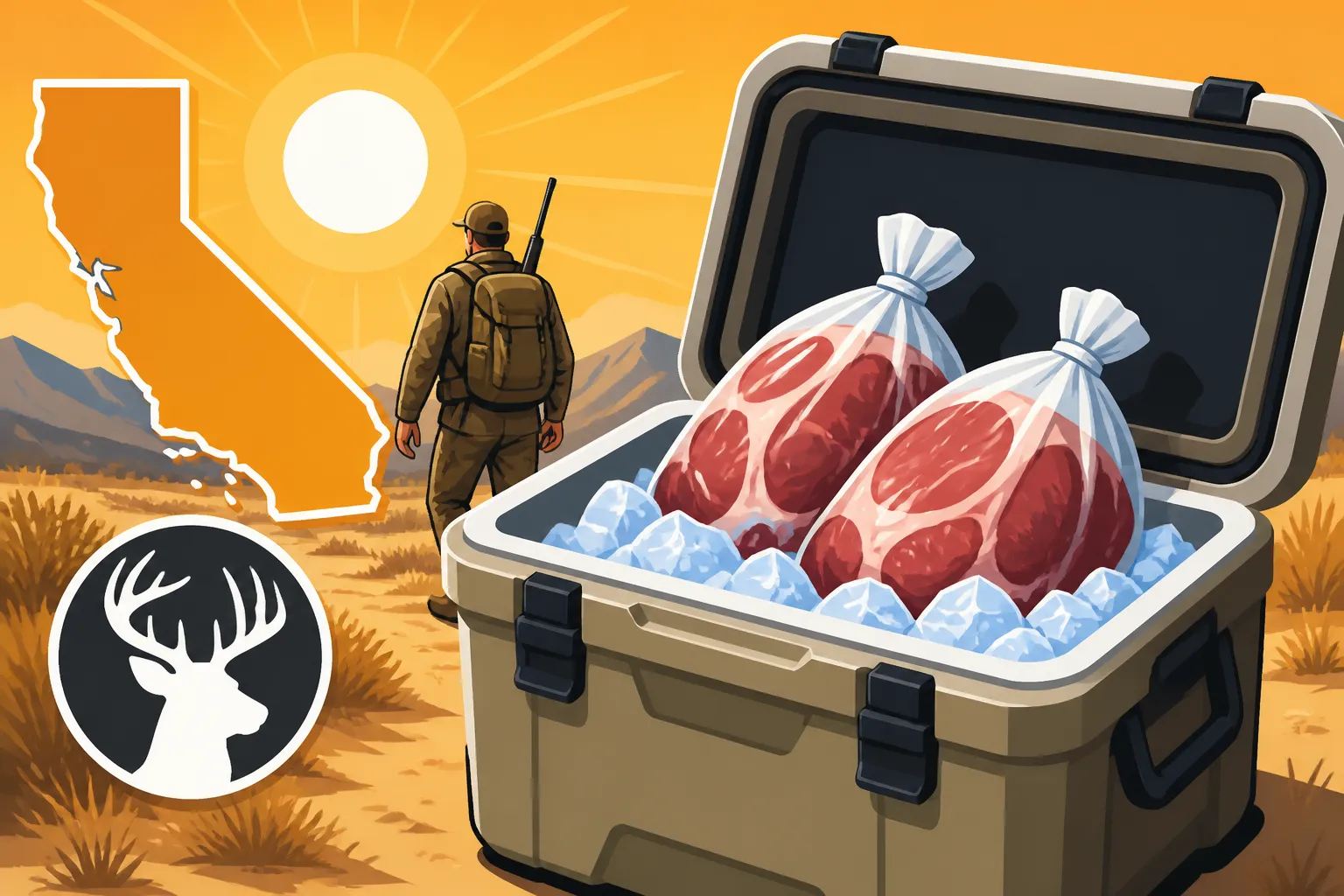
Never, ever throw warm meat into a warm cooler, expecting it to get cold. It's a fundamental mistake and a recipe for rapid ice melt and potential spoilage. Before you even head out on your hunt, you need to "pre-chill" your cooler. The best way to do this is to fill it with sacrificial ice a day or two before your trip. Let that ice sit in the cooler, cooling down the internal walls, insulation, and air space until they are thoroughly chilled. Dump out the melted water and old ice just before packing your actual "working" ice for the hunt.
This critical step ensures that when your valuable game meat finally goes in, the cooler itself is already at a frigid temperature, ready to actively draw heat away from the meat rather than having to cool down itself first. This dramatically improves ice retention and prevents your main supply of ice from melting away rapidly on contact with warm cooler walls and air. It's a small effort that yields huge dividends in meat preservation, especially if you're planning a multi-day hunt like Bowhunting California's Zone A Season or a longer rifle season where daytime temperatures can still be quite warm.
Ice Management Strategies
Simply tossing a few bags of cube ice into a cooler is often not enough for effective hot weather meat preservation. Consider these advanced strategies to maximize your cooling power:
- Block Ice vs. Cube Ice: Block ice melts much slower than cube ice because it has significantly less surface area exposed to the air. A strategic combination is often ideal: use block ice for long-term cold retention at the bottom of the cooler, and then use cube ice to fill gaps and make direct contact with the meat for rapid initial cooling.
- Salt Water Ice: Adding a generous amount of salt to the water before freezing can lower its freezing point, resulting in colder ice that lasts longer and provides more cooling power. This is a trick often used by commercial fishermen and can give you an extra edge when dealing with extreme heat.
- Dry Ice (with caution): For extreme, short-term cooling needs, dry ice can be incredibly effective at super-cooling your cooler. However, it requires careful handling (always wear gloves) and good ventilation, as it produces carbon dioxide gas. Never put dry ice directly in contact with meat as its extreme cold can "freezer burn" it; always place it on top of a barrier like cardboard or in a separate compartment. Always check local regulations, as some areas might have restrictions on its transport or use.
- Maximizing Volume: Fill your cooler as completely as possible with a mix of ice and meat. Air pockets within the cooler allow heat to circulate and ice to melt faster. A full cooler stays colder longer.
- Minimizing Opening: Every time you open the cooler, warm ambient air rushes in, displacing colder air and accelerating ice melt. Plan your meat retrieval or ice replenishment so you're not constantly rummaging through the cooler.
Field Dressing and Quartering for Cooler Fit
This is where your work in the field directly impacts your cooler's effectiveness and the quality of your meat. Prompt and thorough field dressing is absolutely critical to remove internal heat and bacteria sources from the animal's gut cavity. Get the hide off the animal as quickly as possible, especially in hot weather; the hide acts as a fantastic insulator, exactly what you don't want when trying to cool meat.
Quartering the animal into manageable pieces allows for much easier packing and far better contact with ice, facilitating rapid heat transfer out of the meat. For deer, this typically means removing the four quarters, backstraps, and tenderloins. For a larger animal like a black bear or elk, you might bone out the meat entirely to further reduce bulk and facilitate cooling even more effectively. Smaller, separated pieces cool much faster than a whole carcass or large section.
Always use breathable, clean game bags to protect the meat from dirt, dust, insects, and flies while allowing air circulation. While the ideal is to keep meat from prolonged immersion in meltwater, game bags are excellent insurance. A quality set of game bags is as important as your cooler for Field Dressing a Deer in Hot Weather and keeping it clean and cool during the pack out.
| Cooler Type | Key Benefit | Hot Weather Performance | Portability | Initial Cost | Ideal Use Case |
|---|---|---|---|---|---|
| Rotomolded Hard | Superior Ice Retention | Excellent | Heavy/Bulky (often wheeled) | High | Multi-day hunts, large game, extreme heat, base camp |
| Soft-Sided/Backpack | Lightweight, Portable | Good (1-2 days) | Excellent (esp. backpack) | Mid-High | Day hunts, small game, packing out cuts, secondary cooler |
| Powered (12V) | Active Cooling/Freezing | Excellent | Heavy/Requires Power Source | Very High | Extended vehicle-based trips, no ice access, freezing |
| Standard Plastic | Inexpensive | Poor | Lightweight | Low | Short trips, less critical items, picnic use |
Ultimately, investing in a high-quality cooler and understanding how to use it effectively, coupled with diligent field preparation, is an essential part of responsible hunting, especially in California's often challenging warm environments. It ensures that the meat you bring home is not just edible, but truly high-quality table fare. From researching options on GoHunt to meticulous field prep and smart ice management, every step contributes to a successful harvest from field to fork.
Disclaimer
This article is for general informational purposes only and does not constitute professional advice. Laws, prices and regulations vary by location and change over time. Consult a qualified professional for guidance on your specific situation.