Late-Season Food Sources for California Deer
As the crisp bite of late fall settles over California, and the general deer seasons wind down, many hunters find themselves scratching their heads. The lush green browse, the abundant acorn crops, and the easily patterned deer of early season often seem to vanish overnight. Suddenly, finding a buck feels like searching for a needle in a rapidly browning haystack. This guide is here to help you unravel the mystery of what California deer eat when their favorite foods are gone, and how you can use this knowledge to fill your tag during the challenging late season.
The Shifting Landscape: Why Late Season Food Sources are Different
Hunting deer in the late season in California is a whole different ballgame compared to the early opener. The landscape has changed dramatically, and with it, the deer's dietary habits and daily routines. What was once a smorgasbord of nutrient-rich options has dwindled, forcing deer to adapt and seek out the tougher, less palatable, but often more reliable, sustenance available. Understanding these changes is crucial for success.
Depleted Early-Season Favorites
Remember those early season hunts where deer seemed to be everywhere, gorging on ripe acorns under massive oak trees? Or perhaps you recall seeing them munching on lush forbs and soft mast in shaded canyons. Well, by late season, especially as we push into November and December for some of the later D-zones or even the premium X-zones, those prime food sources are often long gone.
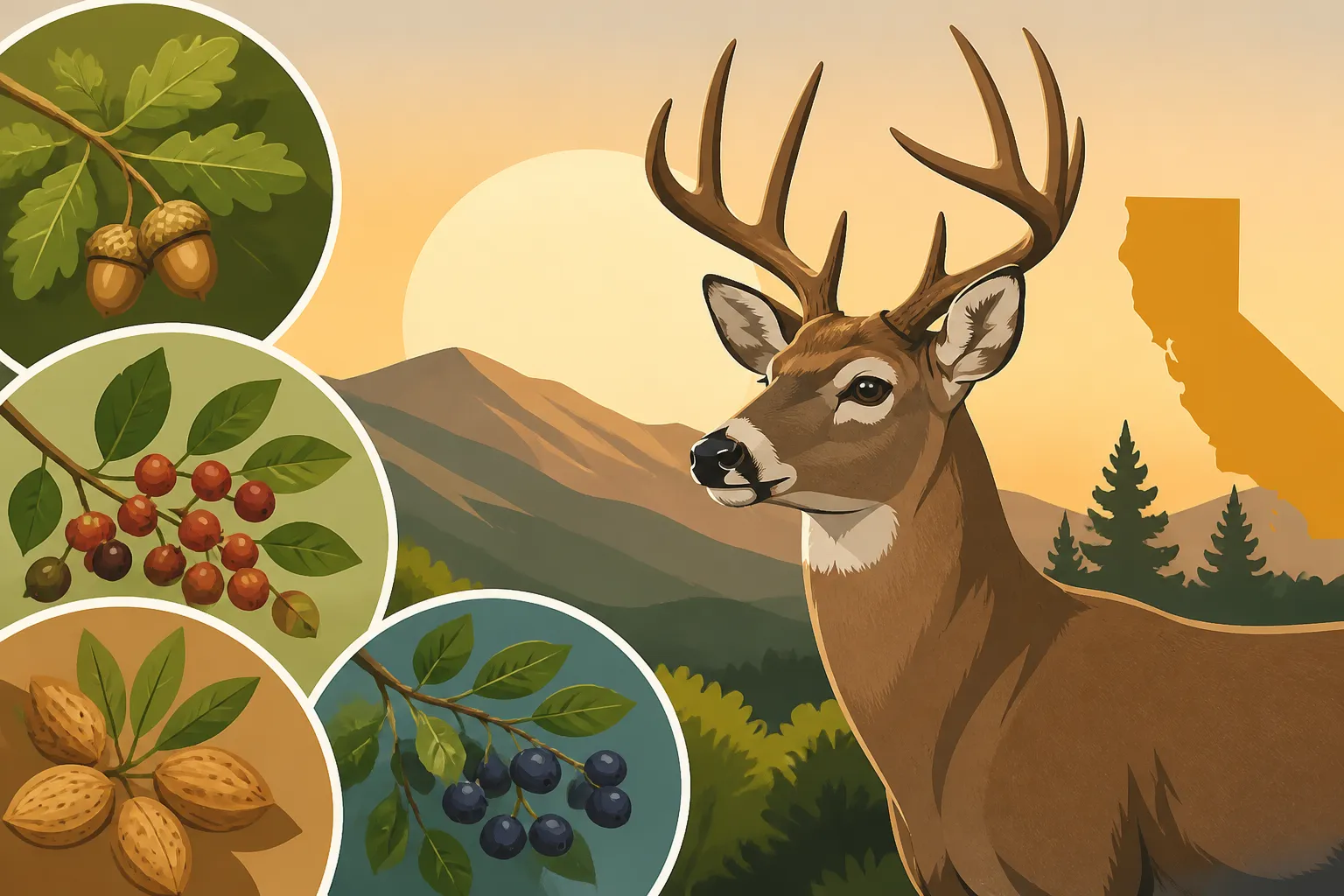
Acorns, particularly from the more preferred oak species like black oaks or valley oaks, are usually consumed quickly by deer, wild pigs, and other wildlife. If it was a heavy mast year, you might find some lingering, but generally, the easily accessible, high-energy nuts have been scarfed up. This depletion forces deer to broaden their diet. They move away from areas where the buffet has been picked clean and start looking for whatever roughage remains. This often means they’re switching from high-calorie concentrated foods to more fibrous browse and hardy evergreen plants. The absence of these early season staples often means deer have to travel farther, work harder, and spend more time foraging, which can make them more predictable once you locate these new food sources.
Weather's Impact on Food Availability
Weather is, without a doubt, the most significant factor dictating food availability in the late season. A mild, wet fall can bring on a "green-up" in lower elevations and coastal areas, providing fresh shoots and forbs that wouldn't normally be around. However, a severe cold snap or an early blanket of snow can completely alter the game plan, especially in the Sierra Nevada and other high-country zones.
When heavy snow hits the higher elevations, it acts like a giant broom, sweeping deer down into lower, more accessible winter range. This forced migration means they're leaving behind whatever scant food might have remained up high and are now concentrated in areas where competition for food can be fierce. The snow can also cover up vital ground forage, making even sparse pickings difficult to find. Conversely, in the lower elevations, particularly in California's oak woodlands and chaparral, sustained rainfall can spur new growth. This fresh green forage, even if it's just a few tender shoots, becomes a magnet for deer. They'll actively seek out these new sprouts, often concentrating in sheltered pockets or south-facing slopes that receive more sun and melt snow faster. Hunters who pay close attention to recent weather patterns, especially the timing and intensity of cold fronts and precipitation, can predict where deer might be pushed and what food sources will become critical. It's a dynamic puzzle, but one that rewards diligent observation.
Key Late-Season Food Sources Across California Regions
California is a state of immense ecological diversity, and what constitutes a "late-season food source" for a deer can vary wildly from the misty coastal ranges to the high desert fringes. Understanding these regional differences is paramount to locating deer when the pickings are slim.
Coastal and Foothill Browse: Evergreen Shrubs and Residual Forbs
In California's coastal and foothill regions, particularly in Zone A or parts of Zone C, the late season often brings cooler, wetter weather rather than deep snow. Here, the deer's diet shifts heavily towards evergreen browse and any residual forbs that manage to hold on or sprout anew after the first rains. You won't find many acorns left, but you'll find deer diligently working through thick patches of chaparral and oak woodlands.
Key browse species include various forms of manzanita and ceanothus, often called "California lilac." These hardy shrubs provide crucial calories and moisture when other options dry up. Deer will strip leaves and tender shoots from these plants. You'll often find distinct browse lines, indicating heavy use. Look for areas with a mix of these species, particularly on south-facing slopes or in draws that offer some protection from prevailing winds. Even some of the less palatable scrub oaks can provide browse, especially if a deer is desperate. If you're Hunting Coastal Range Oak Woodlands, you'll notice deer focusing on new green sprouts that emerge after the first significant rain. This fresh growth, though small, is highly nutritious and eagerly sought out. Pay attention to north-facing slopes, as well; they might retain moisture longer, offering a slightly more succulent browse later into the season. Deer will also nip at the new growth on poison oak, surprisingly enough, as it's a good source of protein for them.
Sierra Nevada Lower Elevation Forage: Conifer Browse and Bitterbrush
When the Sierra Nevada mountains get their typical winter snow, the deer are forced to migrate. The high country becomes a frozen wasteland, pushing animals down to lower elevation winter ranges. This is where you'll find concentrations of deer, often in the transitional zones between the heavy timber and the open foothills. The food sources here are robust and hardy, designed to withstand colder temperatures.
Here, deer will turn to a variety of conifer browse, including Douglas fir, ponderosa pine, and various junipers. While not their first choice, these evergreens provide essential roughage and can keep a deer alive through lean times. They'll also seek out bitterbrush, a shrub that lives up to its name but offers critical protein and energy. Look for bitterbrush flats, especially on south-facing slopes where snow melts quickly. These sun-exposed areas also provide warmth, which is a big deal for deer trying to conserve energy in cold weather. When planning your hunt in these areas, consider how deer will transition from the higher elevations. If you're familiar with Hunting Sierra Nevada High Country, you'll know that understanding migration routes is just as important as knowing the food sources themselves once they hit the lower ground. Use tools like GoHunt to analyze historical snow depths and understand common migration corridors. This helps predict where deer might funnel down and where they'll likely find their winter sustenance.
Agricultural Edges and Private Land: Hayfields and Crop Residue
In many parts of California, particularly bordering the Central Valley and other agricultural areas, private land with cultivated fields can be a goldmine for late-season deer. While public land deer are toughing it out on sparse browse, their cousins on the agricultural fringe might be living large on leftover crops.
Deer are opportunistic feeders, and they won't pass up an easy meal. This means fields of alfalfa, which often stay green much later into the year, or cut corn fields with residual grain, become prime feeding grounds. Imagine the difference in nutrition between woody browse and tender alfalfa shoots – it's no wonder deer will risk proximity to human activity for it. If you're lucky enough to gain access to private land, or if you're hunting public ground adjacent to these agricultural zones, focus your efforts on these edges. Deer will often bed down in dense cover on public land and move onto private fields under the cover of darkness to feed. Early morning and late evening are crucial times to intercept them along these transition corridors. Understanding how deer move between these areas can be as simple as knowing Hunting a Standing Alfalfa Field or identifying travel routes along fencelines and natural funnels. GoHunt’s satellite imagery can be incredibly helpful for identifying these agricultural interfaces and potential bedding areas nearby. Always remember to respect property boundaries; if you're thinking about Hunting Small Private Tracts in California, securing permission is paramount, and often these landowners are dealing with deer damage, so they might be receptive to responsible hunters.
Late-Season California Deer Food Sources by Region
| Region | Primary Food Sources (Late Season) | Key Considerations |
|---|---|---|
| Coastal Foothills | Evergreen browse (manzanita, ceanothus), new green forbs (post-rain) | Focus on south-facing slopes, sheltered canyons, fresh green-up after rain. Less snow impact, more consistent browse. |
| Sierra Nevada Lowland | Conifer browse (fir, pine, juniper), bitterbrush, residual grasses | Deer pushed down by snow. Concentrate on bitterbrush flats, south-facing slopes, migration corridors. |
| Central Valley/Ag Edges | Alfalfa, clover, crop residue (corn, grain), orchard drops | Primarily on private land. Hunt transition zones between cover and fields. Night feeding is common. |
| Desert Fringe | Desert shrubs (ocotillo, creosote bush), succulents, ephemeral forbs | Highly dependent on rain. Water sources become critical; browse is generally tougher. |
Locating and Hunting Late-Season Deer on Food
Finding deer in the late season is one thing; successfully putting yourself in a position to harvest one is another. It requires a keen eye for sign, an understanding of deer behavior in colder conditions, and a healthy dose of patience. The deer are not just trying to eat; they're trying to survive, which makes them wary and efficient.
Scouting for Sign and Travel Corridors
In the late season, fresh deer sign is your best friend. Forget about old rubs from October; you need to find evidence of recent activity directly related to current food sources. This means looking for fresh tracks, piles of droppings, and distinct browse lines on the very plants you suspect they're feeding on. Deer will often leave tell-tale signs on manzanita or ceanothus, with stripped leaves and nibbled branches. On agricultural edges, look for tracks entering and exiting fields.
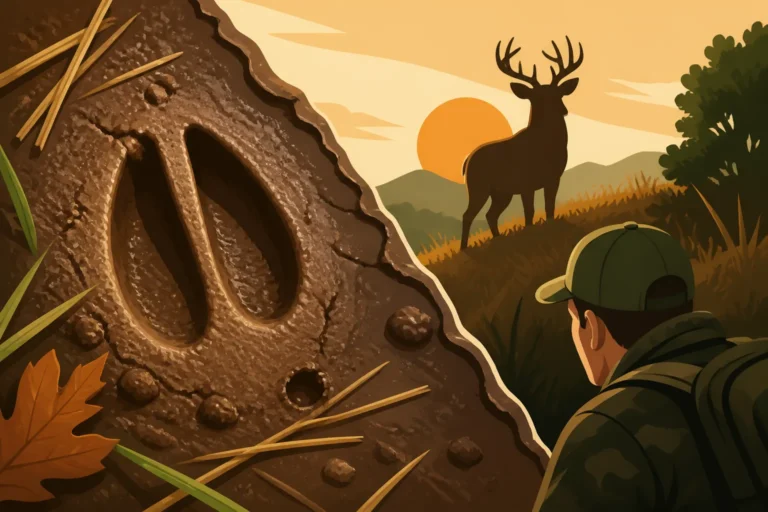
When Scouting California Public Land Before Season, focus on identifying these potential late-season hotspots. Now is the time to put that knowledge to the test. Use tools like GoHunt's satellite imagery to pinpoint areas with dense cover adjacent to known late-season food sources, like stands of bitterbrush or conifer patches on south-facing slopes. These dense areas often serve as bedding cover, and deer will use distinct travel corridors between bed and food. Look for subtle funnels between two oak ridges or along the edge of a timber stand where deer might feel secure moving. Pay close attention to Reading California Mud for Fresh Deer Movement – soft ground near a water source or a damp trail can reveal exactly how recently deer have been through. Remember, fresh sign is paramount; old sign tells you where deer were, not necessarily where they are.
Using Wind and Thermals to Your Advantage
Late-season hunting often means colder temperatures, which can mean more stable air, but also more predictable thermal currents, especially in mountainous or hilly terrain. Deer, particularly in the late season, are incredibly sensitive to human scent and movement. Playing the wind correctly is not just important; it's non-negotiable.
In the mornings, as the sun warms the earth, thermals will typically rise, carrying your scent uphill. In the evenings, as the air cools, thermals fall, carrying your scent downhill. This means if you're trying to sneak into a feeding area in a canyon bottom at first light, you need to approach from above, letting your scent rise away from the deer. Conversely, for an evening hunt, you'll want to approach from below, letting your scent fall. Understanding these micro-movements of air, especially Wind and Thermals in Steep Sierra Country, is critical. Before you make your move, use a wind checker to confirm the exact direction. A slight shift can mean the difference between a successful stalk and a spooked buck. Deer will often bed on lee slopes, sheltered from the wind, where they can watch their backtrail and smell anything approaching from downwind. Setting up on a Hunting a Ridge-Top Saddle at First Light can give you the advantage of both elevation and a vantage point to intercept deer moving from bedding to feeding. Always consider how your scent will carry and plan your approach and exit routes accordingly.
Patience and Persistence in Cold Weather
Late-season hunts are rarely fast-paced. Deer are conserving energy, moving slower, and often feeding for shorter, more intense periods. This demands a different kind of patience from the hunter. You're not likely to find deer bouncing around like they might in September; instead, you're looking for subtle movements and extended periods of feeding in specific areas.
Dressing warmly and staying comfortable is key, especially if you're planning on long sits or still-hunting slowly through known feeding zones. Layering is crucial for California's variable late-season weather, which can range from freezing mornings to relatively mild afternoons. When Hunting Deer After a Cold Front, deer might be more active as they try to regain lost calories, but they'll still be cautious. Long, slow still-hunts, covering ground where you've identified a promising food source, can be highly effective. Take five steps, stop, and glass for several minutes. Look for just a twitch of an ear, a flick of a tail, or the outline of a body in the dense cover. Remember that bucks will still focus on bedding areas near these food sources. Knowing Where California Blacktail Bucks Bed in relation to available food, often thick north-facing slopes for thermal cover, can help you position yourself for an ambush. As the season nears its end, and you're Hunting Into a Late-November Zone Close, deer become even more pressured, making patience and a meticulous approach even more vital for success. Don't be afraid to sit a prime feeding spot for hours, waiting for that one critical movement.
Disclaimer
Please remember that hunting regulations, seasons, and access can change. Always consult the latest California Department of Fish and Wildlife (CDFW) regulations and maps before planning any hunting trip. Your safety and adherence to the law are your responsibility.