Applying for the Once-a-Year Nonresident Elk Tag
Hunting elk in California as an out-of-state resident can feel like trying to find a needle in a haystack—a truly monumental task with long odds and a complex application system. It's easy to get lost in the details, confused by regulations, and disheartened by the sheer competition for such a limited resource. This comprehensive guide is here to demystify the process of applying for a nonresident elk tag in California, helping you navigate the system, understand the unique challenges, and build a strategy to give you the best possible chance at one of these coveted tags.
Understanding the Unique Challenge of California's Nonresident Elk Tag
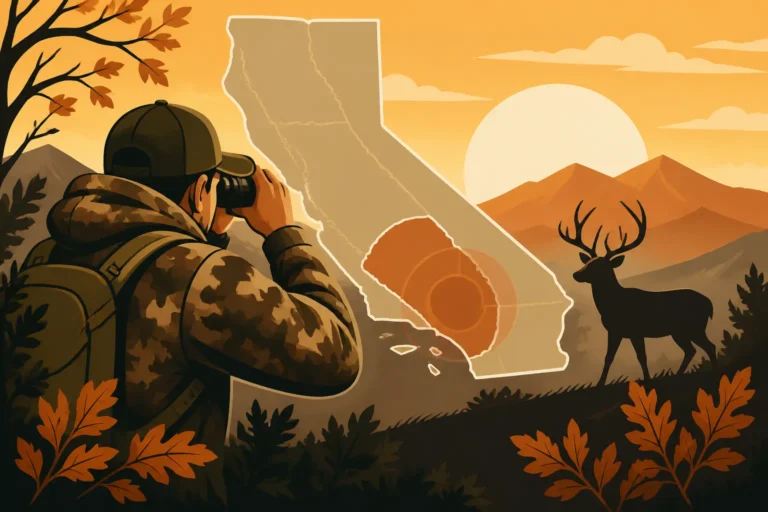
Let's be blunt: securing an elk tag in California as a nonresident is one of the toughest draws in the West. It's not just difficult; it's statistically improbable, yet not impossible. California manages three distinct subspecies of elk—Tule, Roosevelt, and Rocky Mountain—each with its own specific draw quotas and unique habitats. While these populations are thriving, the state is incredibly conservative with its tag allocations, especially for those coming from out of state.
Historically, California’s approach to nonresident big game tags, particularly for elk, has been extremely restrictive. The number of tags available to nonresidents is often minuscule, sometimes literally a single digit across all hunt types and species for the entire hunting season. This isn't like other states where nonresidents might have a dedicated percentage of tags. In California, nonresidents are typically competing for tags left over after resident allocations, or for a very small, specific quota. This scarcity means that every application needs to be strategic, well-researched, and submitted with a full understanding of the long odds. It’s not a draw for the faint of heart, but for those committed to the pursuit, the reward of hunting California elk is unparalleled.
The Lifetime Limit on Elk Harvests
Before you even dive deep into the application process, it’s crucial to understand a fundamental rule that impacts all California elk hunters, resident or nonresident: the "one elk per lifetime" rule. That's right, California's Fish and Game Code (FGC) 465 states that a person may not take more than one elk in California in their lifetime. This isn't about preference points or drawing again; it means if you are fortunate enough to draw and harvest an elk in California, you're done for good when it comes to elk hunting in this state. This adds an immense weight to the nonresident application, as it's truly a once-in-a-lifetime opportunity. It elevates the importance of choosing the right hunt, the right area, and making that tag count if you're ever lucky enough to hold one. You can learn more about specific regulations in our guide to California's One-Tag-Per-Nonresident Elk Rule.
Why California Elk Tags Are So Coveted
California’s elk populations, particularly the Tule elk, represent a incredible conservation success story. Tule elk, once pushed to the brink of extinction, have made a remarkable comeback, with herds now found in various parts of the state. Roosevelt elk roam the lush, dense redwood forests of the northwest, offering a completely different hunting experience, while Rocky Mountain elk are found in the northeastern corners, providing a taste of high-country pursuit. Each species presents a unique challenge and a truly wild experience.
For nonresidents, the allure isn't just the challenge; it's the opportunity to experience hunting a unique subspecies like the Tule elk or to hunt Roosevelt elk in an iconic landscape. The state's diverse geography means elk can be found from coastal ranges to high deserts and dense timber. This diversity, combined with extremely limited tags, drives intense competition. Many hunters from outside California dream of harvesting one of these magnificent animals, making the draw incredibly competitive. Understanding the specific characteristics of each species and their habitats is key to forming a successful application strategy. Dive deeper into the different elk species by reading our guides on Tule Elk in California's Central Valley, Roosevelt Elk in Northwest California, and Rocky Mountain Elk in Northeast California.
Eligibility and the Application Gauntlet for Out-of-State Hunters
So, you're an out-of-state hunter ready to throw your hat in the ring for a California elk tag. What exactly does that entail? The application process, while similar in structure to resident applications, carries higher costs and far steeper competition for nonresidents. It all starts with understanding the basic requirements and then navigating the California Department of Fish and Wildlife (CDFW) Big Game Drawing system.
Necessary Licenses and Fees
First things first, you'll need a California hunting license. As a nonresident, this comes with a higher price tag than for residents, but it's the fundamental prerequisite to even apply for any big game drawing. Alongside your base hunting license, you’ll also need to purchase an elk tag application. This application fee, while non-refundable, is your entry ticket into the drawing. Be prepared for these upfront costs; they are a necessary investment for the chance at a tag. For a full breakdown of what these costs entail, take a look at our article on California Hunting Licenses and What They Cost.
It’s crucial to purchase these items well in advance of the application deadline. Don't wait until the last minute, as technical glitches or unexpected issues can arise. The CDFW typically opens its license and tag sales portal well before the draw deadline, giving you ample time.
Navigating the California Big Game Drawing System
California utilizes a preference point system for its big game drawings, including elk. This means for every year you apply for an elk tag and are unsuccessful, you accrue a preference point. The more points you have, the better your odds theoretically become in future drawings, as a certain percentage of tags are often allocated to higher point holders. However, for nonresidents, the number of tags available is so low that even with maximum points, drawing a tag is far from guaranteed. It’s not uncommon for nonresidents with many points to still miss out year after year.
The application itself is submitted online through the CDFW's Automated License Data System (ALDS). You'll select your desired elk hunt choices, usually ranked from first to third. This is where your research comes in, as understanding the specific hunt units, their tag allocations, and historical success rates is paramount. Pay close attention to the California Elk Application Deadline, as missing it means waiting another year. The drawing generally takes place in late spring or early summer, with results typically posted shortly thereafter. For a more general overview of how the drawing works, check out The California Big Game Drawing Explained.
| Application Step | Description | Cost (Nonresident – Est.) | Key Considerations |
|---|---|---|---|
| 1. Purchase Base Hunting License | Required to hunt any game in California and to apply for big game drawings. | $195.00 – $200.00 | Must be purchased annually. |
| 2. Purchase Elk Tag Application | Your entry into the elk drawing. This is per application, regardless of how many choices you list. | $10.00 – $15.00 | Non-refundable. Allows you to accrue a preference point if unsuccessful. |
| 3. Submit Hunt Choices | Rank your desired elk hunt units/tags (1st, 2nd, 3rd choice). | No additional cost | Extensive research is critical here. |
| 4. Antelope/Sheep Application (Optional) | If you wish to apply for other premium tags (antelope/sheep), these are separate applications. | ~$10.00 – ~$15.00 each | Not directly tied to elk points, but similar draw system. |
| 5. Preference Point Accumulation | If you are unsuccessful in drawing your chosen tag, you will receive a preference point for that species. | No direct cost (built into application fee) | Points increase your odds but do not guarantee a tag, especially for nonresidents. |
| Total Minimum Cost Annually (Est.) | ~$205.00 – $215.00 | This is just to apply. If you draw, the tag itself will be a separate, substantial fee. |
Note: Costs are approximate and subject to change by CDFW. Always verify current fees on the official CDFW website.
Strategic Planning to Maximize Your Nonresident Elk Draw Odds
Given the extreme difficulty of drawing a nonresident elk tag in California, a well-thought-out strategy is not just helpful—it's absolutely essential. This isn't a "throw your name in and hope" scenario; it requires research, understanding the point system, and making calculated choices.
Researching Hunt Units and Historical Data
This is where the rubber meets the road. Before you even think about putting down your choices, you need to dive deep into the available data. The CDFW publishes annual harvest reports and drawing statistics that are invaluable. These reports will show you:
- Tag Quotas: How many tags were offered for each hunt unit (A-zone, B-zone, C-zone, etc.) and specific hunt dates.
- Success Rates: What percentage of hunters harvested an elk in a given unit. Remember, higher success rates usually mean higher competition.
- Drawing Odds: Crucially, what were the odds of drawing a tag, broken down by point level. For nonresidents, these numbers will be astronomically low. Pay very close attention to California Elk Tag Draw Odds by Species.
Tools like GoHunt can be incredibly helpful here. They aggregate much of this data into user-friendly platforms, allowing you to filter by species, unit, and even nonresident draw odds. They can help visualize trends in point creep and tag allocation. While no tool can guarantee a tag, using resources like GoHunt can give you a clearer picture of which units might offer the least impossible odds or align with your hunting preferences. You might find yourself comparing the odds for Applying for a California Tule Elk Tag in the Big Game Drawing versus Applying for a Roosevelt Elk Tag in the Northwest or even Applying for a Rocky Mountain Elk Tag Near Oregon.
Consider what kind of hunt you want. Are you looking for a physically demanding backcountry hunt, or something more accessible? Do you prioritize trophy potential or simply the experience of harvesting any California elk? Your answers should guide your unit choices. Sometimes, choosing a unit with slightly lower success rates but also lower application numbers (if such a thing exists for nonresidents) might be a long-shot play worth considering.
The Preference Point System for Nonresidents
As a nonresident, the preference point system is your main lever in the California draw, but it's a blunt instrument. You earn one point for each year you apply unsuccessfully for an elk tag. These points accumulate, and in subsequent years, you enter the drawing with your accumulated points. While a significant portion of tags are often allocated to the highest point holders, the total number of nonresident tags is so small that a single tag might be drawn by someone with many fewer points, simply due to random chance.
The key strategy for nonresidents often boils down to playing the long game. Accumulate points consistently. Even if your odds are 0.01% with 10 points, they are still better than 0.001% with 0 points. It's a testament to patience and persistence. Some hunters opt to apply for the "toughest" units with the lowest odds, simply to keep accruing points, knowing that if they ever draw, it will be for a truly premium hunt. Others might spread their choices across units hoping to hit a less popular one. With tools like GoHunt, you can simulate different point levels and see historical draw success, helping to fine-tune this long-term strategy. Just remember, consistency in applying is how you build your point bank, and for nonresidents, that's often the only pathway to increasing your minuscule odds.
Choosing Your First, Second, and Third Choices Wisely
Your choice order is critical. The drawing processes your first choice first. If you don't draw that, it moves to your second choice, and then your third. If you're successful on an earlier choice, your later choices aren't considered. This means your first choice should ideally be the unit you most want to hunt, the one you've researched thoroughly and are willing to commit to.
For nonresidents, a common strategy is to put your dream hunt as a first choice, knowing the odds are incredibly low, but if you draw it, it's a phenomenal tag. For your second and third choices, some hunters might pick units that are slightly "easier" to draw (again, relative terms for nonresidents) or units that offer a different type of hunting experience. Perhaps a Roosevelt elk hunt in the redwoods for your first choice, followed by a Tule elk tag, and then a Rocky Mountain elk area. This diversification can slightly increase your overall chance, though the primary goal for many nonresidents is simply to gain a point and maybe get lucky on a long-shot first choice. Remember that whatever unit you choose, preparing your body and your gear, including Packs and Gear for a Backcountry Elk Hunt, is paramount.
The Waiting Game and What to Do If You Draw (or Don't)
Once your application is submitted, the hard part begins: waiting. The period between the application deadline and the draw results can feel agonizingly long. But what happens once the results are out?
Checking Draw Results and What Drawing Means
Typically, the California Big Game Drawing results are posted online through the CDFW's ALDS portal. You'll log in to your account, and a notification will inform you if you were successful or not. If you see that glorious "successful" message, congratulations! You've beaten some truly astronomical odds. At this point, you'll be charged the full tag fee for your elk tag. This fee is significantly higher than the application fee and must be paid promptly.
Drawing a tag means it's time to shift gears from application strategy to hunt planning. You'll need to confirm the specific dates and boundaries of your hunt unit. Now is the time to finalize your scouting plans (if possible), research access points, and begin detailed gear preparation. This is a once-in-a-lifetime opportunity in California, so every detail matters. Whether it's practicing your bugle for Calling a Bull Elk in September or ensuring your non-lead ammunition is dialed in, the real work begins now.
If You Don't Draw: Accumulating Points and Re-Evaluating
Let's face it, the vast majority of nonresident applicants will be unsuccessful. This is not a reflection of your strategy but rather the sheer scarcity of tags. If you don't draw, the silver lining is that you've accumulated another preference point for next year's drawing. This is how the long game is played.
After an unsuccessful draw, take some time to re-evaluate your strategy for the following year.
- Review Draw Statistics: Did the odds change significantly for your chosen units? Did point creep increase dramatically?
- Consider New Units: Are there any new hunt opportunities or changes in tag allocations that might offer a slightly better chance?
- Stay Consistent: If you're committed to hunting California elk, the most important thing is to keep applying year after year to build those preference points. Even with tools like GoHunt, draw odds are just that – odds. There’s no guarantee, but consistent application gives you a seat at the table each year.
For many nonresident hunters, the journey to a California elk tag is a marathon, not a sprint. It’s a multi-year commitment, investing in licenses and application fees each spring with the hope of one day realizing that dream hunt. Patience, persistence, and thorough research are your greatest allies in this challenging pursuit.
Disclaimer
The information provided in this guide is intended for educational and informational purposes only and is based on general hunting regulations and common practices. Hunting regulations, seasons, and tag allocations in California are subject to change by the California Department of Fish and Wildlife (CDFW). It is the sole responsibility of the individual hunter to verify all current regulations, deadlines, and requirements directly with the CDFW before applying for any license or tag and before engaging in any hunting activities. Always prioritize safety and ethical hunting practices.