Which Non-Lead Projectiles Count as Certified
Let's be honest, navigating California's hunting regulations can sometimes feel like trying to track a ghost in a blizzard – especially when it comes to ammunition. The confusion around what "non-lead" really means, and more specifically, what counts as certified non-lead, is a huge source of frustration for many hunters. This guide is here to cut through the noise, clarify the rules, and help you understand exactly which non-lead projectiles are approved for hunting across our beautiful state, so you can hunt legally and confidently.
Understanding California's Non-Lead Mandate and the "Certified" Label
California's journey to a statewide non-lead ammunition requirement has been a long one, phased in over several years, culminating in a full ban on lead projectiles for hunting by July 1, 2019. This wasn't just a sudden whim; it stemmed from a deep concern for wildlife, particularly the endangered California condor, which can suffer from lead poisoning after scavenging carcasses containing lead fragments. While the intent is clear – protecting wildlife – the implementation has left many hunters scratching their heads about the specifics.
Why "Lead-Free" Isn't Always "Certified"
Here’s where a lot of the confusion really sets in. You might walk into a sporting goods store and see boxes proudly labeled "lead-free," only to wonder if that's truly good enough for your upcoming deer hunt in the Sierra Nevada. The critical distinction in California is that ammunition must not only be lead-free, but it must also be certified by the California Department of Fish and Wildlife (CDFW). This isn't just semantics; it's a legal requirement.
The statewide ban, codified by Assembly Bill (AB) 711, makes it mandatory for all hunters to use non-lead ammunition when taking any wildlife with a firearm. However, the CDFW has a specific process where manufacturers submit their ammunition for approval. If a product passes their criteria, it's added to an official list of certified non-lead ammunition. So, while a bullet might technically contain no lead, if it hasn't gone through this certification process and isn't on the CDFW list, it's not legal for hunting in California. This means you can't just assume; you have to check the list. This is a common pitfall, and it's completely understandable why hunters feel this adds an extra layer of complexity to what used to be a straightforward trip to the ammo counter. It's a prime example of the kind of regulatory hurdle that can make California Hunting Licenses and What They Cost feel even more complicated than it already is.
The Role of the California Department of Fish and Wildlife CDFW
The CDFW is the ultimate authority on what constitutes certified non-lead ammunition in California. They are tasked with developing and maintaining the official list of approved products. This isn't a static list; it gets updated as manufacturers submit new loads or as existing ones are reviewed. This dynamic nature means that hunters can't just check the list once and forget about it, especially if they're trying new calibers or brands.
The certification process generally involves manufacturers submitting data and samples to the CDFW, proving that their ammunition is indeed lead-free and meets other performance and safety criteria. For the hunter, this means your responsibility is to ensure that the specific brand, caliber, and bullet type you're using appears on that list. It's not enough for the manufacturer to simply state "non-lead" on the box if their specific product hasn't been officially certified by the state. This underscores why checking the CDFW's online resource is absolutely essential before you head into the field. After all, the intent behind California's Condor-Driven Ammunition Law is serious, and enforcement is real.
Decoding the Different Types of Certified Non-Lead Projectiles
When you look at the CDFW's certified list, you'll see a variety of ammunition types and compositions. Each has its own characteristics, advantages, and ideal applications, and understanding them can help you make an informed choice for your specific hunting scenario.
Rifle Ammunition: Copper Monolithics and Beyond
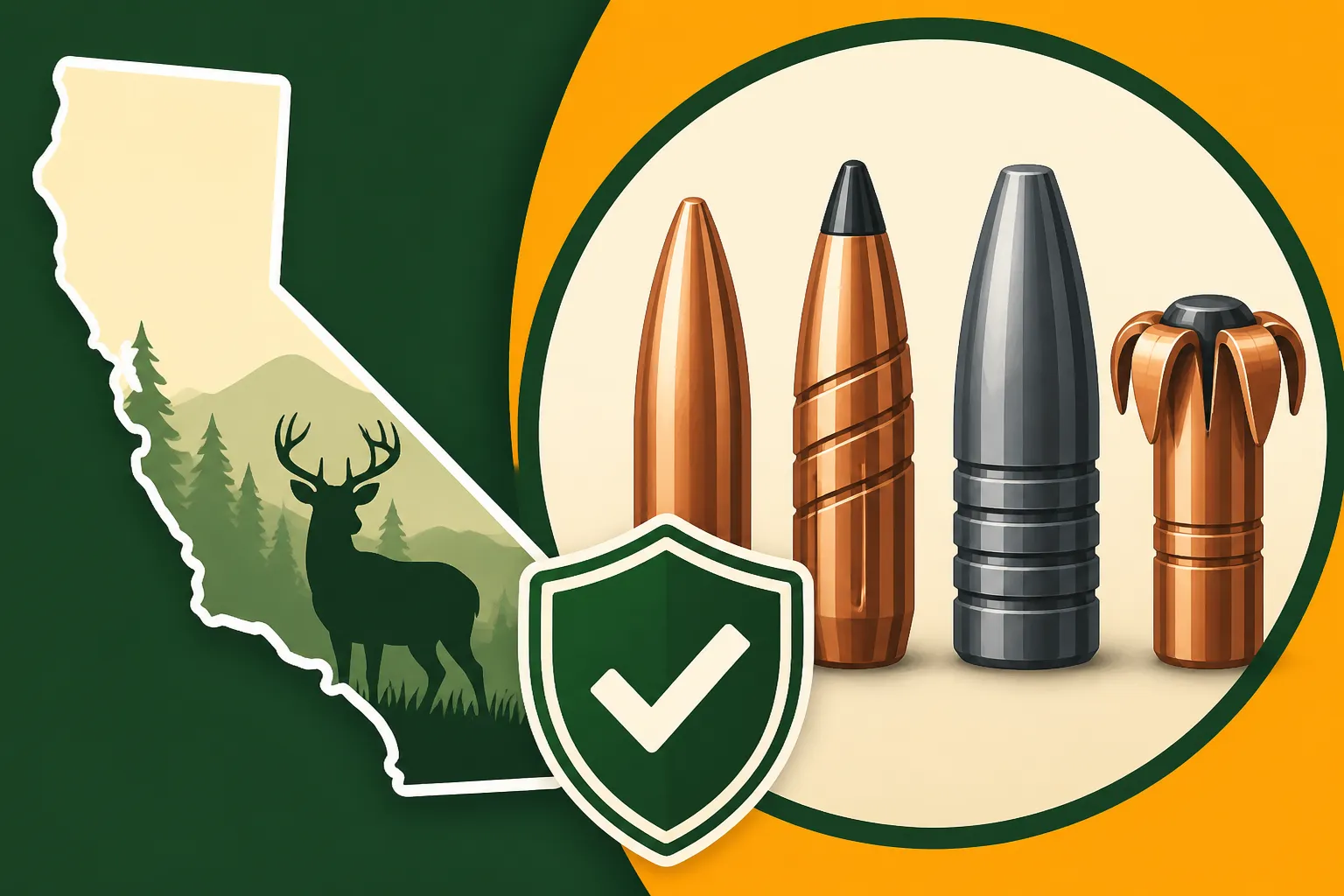
For big game hunting in California, particularly for species like Columbia blacktail and mule deer, the vast majority of certified non-lead rifle ammunition you'll encounter will feature monolithic copper or copper alloy bullets. Brands like Barnes with their TTSX (Tipped Triple-Shock X-Bullet), Hornady's GMX (Gilding Metal eXpanding), and Nosler's E-Tip are incredibly popular and reliable choices. These bullets are typically machined from a single piece of copper or a copper alloy, designed to retain nearly 100% of their weight upon impact and create deep, penetrating wound channels through controlled expansion.
This is a significant departure from traditional lead-core bullets, which often shed weight in the form of lead fragments. While lead fragments contribute to rapid energy transfer, they also contribute to the lead scavenging issue. Monolithic copper bullets perform differently, often requiring a higher velocity to achieve optimal expansion. This means that if you're switching from a traditional lead-core bullet, you absolutely need to Sighting In Before Switching to Non-Lead and understand the new ballistics of your chosen non-lead load. For example, a 168-grain lead-core .308 bullet might fly differently and expand differently than a 168-grain copper monolithic bullet. For hunters pursuing deer, this difference can be crucial for ethical and effective harvesting. If you're pondering the right choice, you might even dive into articles like Best Non-Lead Bullet Weight for Blacktail Deer or explore specific options like Non-Lead Load Options for .308 Hunters to ensure you're making an informed decision for your setup.
Shotgun Ammunition: Steel, Bismuth, and Tungsten Alloys
Shotgun hunters, especially those pursuing waterfowl on the Pacific Flyway, have been dealing with non-lead requirements for decades, thanks to federal regulations. However, with the statewide ban, non-lead shotgun loads are now required for all game species, including upland birds like California valley quail and wild pigs if you're using slugs.
Here's a breakdown of common certified non-lead shotgun projectiles:
| Material Type | Primary Use | Characteristics | Cost (Relative) |
|---|---|---|---|
| Steel Shot | Waterfowl, upland birds | Hard, fast, affordable. Lighter than lead, so larger shot size needed. Not good for tight chokes. | Low |
| Bismuth Shot | Waterfowl, upland birds | Denser than steel, softer (safer for older guns/chokes), good energy transfer. | Medium |
| Tungsten Alloys | Waterfowl, upland birds | Very dense, excellent energy, expensive. Often used in composite loads. | High |
| Copper Slugs | Wild Pigs, big game | Monolithic copper, similar to rifle bullets for penetration and expansion. | Medium-High |
For waterfowl, steel shot is the most common and economical choice. However, because it's lighter than lead, you typically need to go up a shot size or two to get comparable energy and penetration at range. Bismuth, on the other hand, is denser than steel and much softer, making it a favorite for hunters with older shotguns that can't handle steel's hardness. Tungsten alloys offer superior density and lethality but come at a higher price point. If you're confused about the options, a deeper dive into Steel Shot Versus Bismuth for Upland Birds can really help you weigh your options.
When it comes to slugs for wild pigs or even bears, certified options are typically copper monolithic designs, much like their rifle counterparts. These are designed for deep penetration and controlled expansion on larger, tougher animals. Remember, the same certification rule applies: if it's not on the CDFW list, it's not legal for hunting.
Muzzleloader and Handgun Options
Don't think muzzleloader or handgun hunters are exempt! If you're Wild Pig Hunting California Year-Round with a handgun, or chasing a late-season deer with a muzzleloader, your projectiles must also be certified non-lead. For muzzleloaders, this typically means using saboted projectiles with copper bullets, similar in construction to modern rifle bullets. Many popular manufacturers offer specific non-lead options for in-line muzzleloaders.
Handgun hunters will find certified non-lead options, usually in the form of copper jacketed bullets with non-lead cores, or again, monolithic copper designs. While the selection might not be as vast as rifle or shotgun ammunition, reputable manufacturers do produce certified options for common hunting calibers. It’s always best to check the CDFW list specifically for "Non-Lead Handgun Ammunition Options" to make sure your sidearm is compliant. This is particularly important for those who might carry a handgun as a backup or use it for specific close-range scenarios, especially on private land where it might be permitted.
Navigating the Official CDFW Certified Ammunition List
So, you're ready to buy ammo, but how do you actually make sure what you're picking up is legal? This is where the official CDFW list becomes your best friend. It’s not always the most user-friendly document, but it’s the ultimate source of truth.
Where to Find the Most Up-to-Date List
The California Department of Fish and Wildlife maintains its certified non-lead ammunition list directly on its website. This is the only place you should ever rely on for current, accurate information. A quick search for "CDFW non-lead ammunition list" will usually get you there. Be wary of third-party websites or forums that claim to have "the list," as they might be outdated. Regulations, and subsequently certified products, can change, so always go directly to the source. It’s crucial to check this list before you buy your ammunition, and certainly before you head out for a hunt.
What to Look For: Manufacturer, Caliber, and Specific Load
Once you're on the CDFW site and have the list open, take a deep breath. It can be quite extensive. Here's what you need to pay close attention to:
- Manufacturer: The brand name of the ammunition (e.g., Barnes, Hornady, Nosler, Federal).
- Cartridge/Caliber: The specific cartridge designation (e.g., .30-06 Springfield, .270 Winchester, 12 Gauge).
- Bullet/Shot Type and Weight: This is the most critical detail. It's not enough for the list to say "Barnes .30-06." It needs to specify the exact bullet, such as "Barnes VOR-TX 30-06 Springfield 168 gr. TTSX BT." For shot shells, it will specify the shot size and material, like "Federal Speed-Shok 12 Gauge 3" 1¼ oz. #2 Steel." The smallest detail matters.
Sometimes, a manufacturer might make several "non-lead" offerings within the same caliber, but only a subset of those might be officially certified by the CDFW. Don't leave it to chance. Cross-referencing the box with the exact entry on the CDFW list is non-negotiable. While helpful resources like GoHunt can provide excellent scouting tools and information, for the definitive word on certified ammunition, the CDFW website is your court of last resort. Trust me, it's better to spend an extra 10 minutes checking the list at home than face a game warden with uncertified ammo in the field. This attention to detail is as important as understanding California's Multi-Zone Deer Season System or any other core regulation.
The Challenge of Availability and Cost
Let's be real: finding certified non-lead ammunition can sometimes be a struggle. When the statewide ban first went into effect, many hunters faced significant hurdles. Lead ammunition was generally more affordable and widely available. The transition brought higher prices for non-lead options and, at times, limited stock, especially for less common calibers or during peak hunting seasons.
This is a valid frustration that many California hunters share. Manufacturers have ramped up production, and availability has improved significantly since the initial transition, but you might still find yourself paying a premium compared to lead ammunition. Our article on Non-Lead Ammo Availability and Cost dives deeper into this issue. It's why planning ahead is crucial. Don't wait until the week before your hunt to try and source your preferred ammunition, especially if you're targeting a premium zone or specific game. Ordering online well in advance or checking with larger sporting goods chains or dedicated hunting stores that cater to California's regulations often yields the best results.
Practical Considerations for Hunters in a Lead-Free World
Adjusting to non-lead ammunition isn't just about finding the right box; it involves adapting your shooting and hunting practices to these new projectiles.
Testing and Zeroing Your New Ammunition
This cannot be stressed enough: when you switch to certified non-lead ammunition, you must re-zero your rifle. Non-lead bullets, particularly monolithic copper, often have different ballistic coefficients, weights, and velocities compared to lead-core bullets of the same stated caliber. This means their point of impact will likely be different. What shot perfectly true with your old lead ammo might be several inches off at 100 yards with your new non-lead rounds.
Take your new ammunition to the range and spend time confirming your zero at various distances you expect to shoot. Pay attention to how the bullets group and expand, especially if you have the opportunity to test on ballistic gel or similar mediums. Understand that How Non-Lead Bullets Pattern at Long Range might differ from what you're used to. This practice not only ensures accuracy but also builds confidence in your new setup, which is invaluable when that moment of truth arrives in the field.
Planning Ahead for Your Hunt
California hunting often demands meticulous planning, from applying for tags in the California Big Game Drawing Explained to scouting your chosen hunting area. The non-lead requirement adds another layer to this preparation. Before you even think about your gear list or where to put your trail cameras, confirm your ammunition.
Think about your specific hunt:
- Species: Are you hunting deer in Zone A, or perhaps focusing on Black Bear Hunting California's Spot-and-Stalk Season? Different game might influence your preferred bullet weight or shot type.
- Zone: Some areas might have specific rules or tougher enforcement.
- Season: Early seasons, like the Zone A archery opener, might mean hotter weather, which can affect bullet performance slightly.
- Terrain: Are you hunting open country where long shots are possible, requiring precise knowledge of your bullet's trajectory, or thick coastal range chaparral where a quick, close shot is more likely?
Use resources like GoHunt to research areas and conditions, but always double-check the CDFW for ammo certification. Having a couple of boxes of certified non-lead ammo ready to go well before your hunt eliminates a huge source of stress. Imagine getting drawn for a coveted Applying for a California Tule Elk Tag in the Big Game Drawing only to discover your preferred non-lead ammo is out of stock!
Field Dressing and Meat Care with Non-Lead
One subtle advantage of monolithic copper bullets is how they often perform during field dressing and meat processing. Because they retain almost all their weight and expand in a controlled mushroom shape, they tend to fragment far less than traditional lead-core bullets. This can mean less bullet fragmentation in the meat, leading to cleaner cuts and less waste.
While you still need to be diligent in inspecting your harvested game for any bullet fragments, many hunters find that copper bullets result in less meat damage from shrapnel. This is a small but welcome benefit in the overall experience of ethical hunting and enjoying the fruits of your efforts.
Non-Lead Ammunition Materials Comparison
Here's a quick look at the primary materials you'll find in certified non-lead hunting ammunition for California:
| Material Type | Common Use Cases | Pros | Cons |
|---|---|---|---|
| Solid Copper (Rifle Bullets) | Deer, Elk, Bear, Pigs | Excellent weight retention, deep penetration, minimal fragmentation, consistent expansion. | Can be more expensive, may require higher velocity for expansion, different ballistics from lead. |
| Bismuth (Shotgun Pellets) | Waterfowl, Upland Birds | Denser than steel, softer (barrel-safe for older guns), good energy transfer. | More expensive than steel, less dense than tungsten. |
| Steel (Shotgun Pellets) | Waterfowl, Upland Birds | Affordable, widely available, effective at reasonable ranges. | Lighter than lead (requires larger shot size), harder (can damage older barrels/chokes), less energy retention at long range. |
| Tungsten Alloys (Shotgun Pellets) | Waterfowl, Upland Birds | Very dense, excellent energy, superior performance. | Most expensive option. |
| Copper Slugs (Shotgun Slugs) | Wild Pigs, Deer (where legal) | Deep penetration, controlled expansion, good for larger game. | Limited range compared to rifles, may vary in accuracy by shotgun. |
Disclaimer
Hunting regulations, including those pertaining to ammunition, can change. While this guide provides comprehensive information, it is your responsibility as a hunter to consult the most current California Department of Fish and Wildlife regulations and certified ammunition lists before engaging in any hunting activity. Always prioritize safety, ethical hunting practices, and compliance with all local, state, and federal laws.