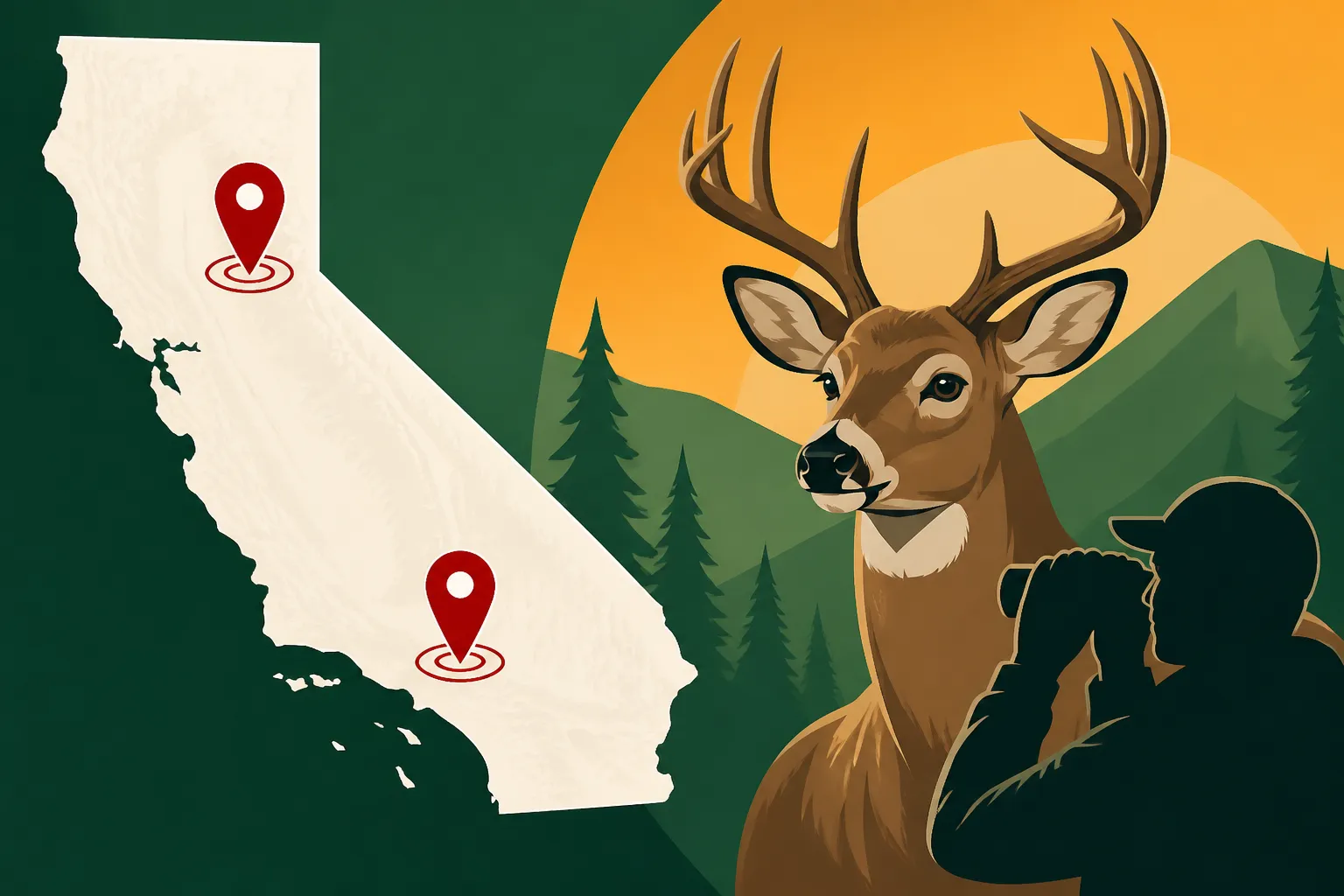
Where California’s Two CWD Cases Were Found
It’s an unsettling feeling when something new and potentially serious enters the conversation around hunting, and for many California hunters, that "something" is Chronic Wasting Disease (CWD). For years, we've heard about CWD in other states, hoping it wouldn't make its way here. The recent detection of CWD cases in California has understandably raised a lot of questions and even some anxieties about where it was found, what it means for deer and elk, and how it impacts our hunting traditions. This guide is here to cut through the confusion, providing a clear, in-depth look at where California’s initial CWD cases were detected, what these detections signify, and what every hunter needs to know moving forward.
Understanding Chronic Wasting Disease (CWD) in California
Before diving into the specifics of where CWD has been found in California, it's really important to understand what we're actually dealing with. CWD isn't like a bacterial infection or a virus that antibiotics can fight; it's a neurological disease that slowly, relentlessly affects deer, elk, moose, and caribou. It's caused by abnormal proteins called prions, which are incredibly resilient and can persist in the environment for a very long time.
What CWD Actually Is and How It Spreads
Imagine a misfolded protein that starts infecting other healthy proteins in the brain, creating a chain reaction. That's essentially what a prion does with CWD. These prions accumulate, causing spongy holes in the brain tissue, leading to a range of symptoms in affected animals. Deer or elk might exhibit drastic weight loss, stumbling, listlessness, excessive drooling, and a lack of fear of humans. It’s a progressive disease, and it’s always fatal. The tragic part is that infected animals might not show any outward signs for a year or more, making detection incredibly difficult in the early stages.
The way CWD spreads is what makes it so concerning for wildlife managers and hunters alike. Infected animals shed prions through saliva, urine, and feces. When these prions are deposited into the environment, they can contaminate soil, plants, and even water sources. Other deer or elk then ingest these prions, either directly from an infected animal or indirectly from the contaminated environment. This means that CWD can spread through direct contact between animals, but also through an environment that has been "seeded" with prions. It’s a silent, persistent threat that doesn't just disappear once an infected animal is gone. Understanding this persistence is key to grasping the gravity of California's CWD findings.
Why CWD is a Major Concern for Deer and Elk Populations
The long incubation period and environmental persistence of CWD are precisely why it's such a nightmare for wildlife conservation. Once established in a deer or elk population, CWD can be incredibly difficult, if not impossible, to eradicate. It can lead to significant declines in deer and elk numbers in affected areas, impacting hunting opportunities and the overall health of the ecosystem. For a state like California, which manages diverse populations of game species like the Columbia Blacktail and Mule Deer in California and various elk species, the thought of CWD becoming widespread is a serious concern. It’s not just about the loss of individual animals; it’s about the potential long-term demographic shifts and the future of our hunting heritage.
Furthermore, there are currently no vaccines or treatments for CWD. Management strategies focus on early detection, reducing deer densities in affected areas to slow transmission, and limiting the movement of potentially infected carcasses. These measures are often controversial and can be disruptive to hunting seasons, but they are deemed necessary to protect uninfected herds. The goal is always to keep the prevalence of the disease as low as possible and to prevent its spread to new areas.
California's Vigilant Surveillance Efforts Prior to Detection
California has not been caught entirely off guard by CWD. For many years, the California Department of Fish and Wildlife (CDFW) has maintained a robust surveillance program, actively monitoring deer and elk populations for any signs of the disease. This proactive approach involved collecting samples from hunter-harvested animals, road-killed deer, and animals exhibiting clinical signs of illness. The goal was to establish a baseline and to detect CWD as early as possible if it ever appeared within the state's borders. These efforts were vital in preparing for the inevitable, because unfortunately, it was largely a question of "when," not "if," CWD would arrive.
This extensive monitoring program, which involves collaboration with various agencies and even citizen science efforts, has been critical in mapping the health of our cervid populations. It's a testament to the dedication of wildlife biologists and conservationists who understood the looming threat. Had these surveillance efforts not been in place, the first cases could have gone undetected for much longer, allowing the disease to potentially establish a stronger foothold before any mitigation efforts could begin. This long-standing vigilance is why, when CWD did arrive, California was in a position to identify it and react quickly.
The First Detected CWD Cases and Their Locations
The moment every wildlife manager in California had been dreading arrived, not with a bang, but with the careful analysis of samples from seemingly isolated incidents. The first confirmed cases of Chronic Wasting Disease in California marked a significant turning point, shifting the state from a "CWD-free" status to one requiring immediate and focused action. It's crucial for hunters to know exactly where these initial detections occurred, as these locations dictate much of the current CWD management strategy.
Pinpointing the Initial CWD Discovery in the Eastern Sierra
The first confirmed case of CWD in a wild cervid in California was identified in a deer collected in the eastern Sierra Nevada region. This wasn't some random discovery; it was the result of the ongoing surveillance efforts by CDFW. The specific animal was a mule deer from the eastern Sierra Nevada Mountains, found within Deer Hunt Zone M7. This zone is located in eastern California, primarily in the areas encompassing parts of Mono and Inyo counties. For years, hunters in these stunning, rugged landscapes have pursued trophy mule deer and experienced the unique challenge of Hunting California's High-Country X-Zones. The confirmation in Zone M7 immediately placed a spotlight on this pristine region, demanding a swift and comprehensive response.
The animal that tested positive was not exhibiting obvious clinical signs when sampled, highlighting the insidious nature of CWD's long incubation period. This particular detection wasn't a "sick deer" call; it was part of routine sampling that confirmed the presence of the prion disease. This initial finding, while disheartening, underscored the effectiveness of California's long-term surveillance strategy. Without this proactive testing, the disease could have circulated undetected for much longer, potentially leading to a higher prevalence before discovery.
Details of the Second Confirmed Case
Not long after the initial discovery, a second CWD positive case was confirmed, further solidifying the presence of the disease in the state. This second case was also detected in a mule deer and was found in Deer Hunt Zone M8, which is adjacent to Zone M7, also within the eastern Sierra Nevada region, predominantly in Mono County. The proximity of these two detections, both within the eastern Sierra Nevada, strongly suggested a localized emergence rather than two completely independent introductions. While the exact pathways of introduction are still under investigation, these two initial cases painted a clear picture: CWD had arrived and established itself in this specific geographic corridor.
The detection of a second case so close to the first amplified the urgency for management actions. It wasn't an isolated incident that might be written off; it was a clear indication that the disease was present in the wild deer population within that contiguous habitat. These two cases, geographically linked, formed the basis for establishing the initial CWD management and surveillance zones, which are now critical areas for hunters to be aware of.
The Geographic Scope and Designated Testing Zones
Following the confirmation of these two cases, CDFW swiftly delineated specific areas as California's Two CWD Testing Zones. These zones are not arbitrary; they are carefully drawn based on the known range of the infected animals, deer migration patterns, and habitat connectivity. The primary concern is to contain the disease and prevent its spread to uninfected populations. For hunters planning trips to these magnificent eastern Sierra hunting grounds, knowing these zones is paramount.
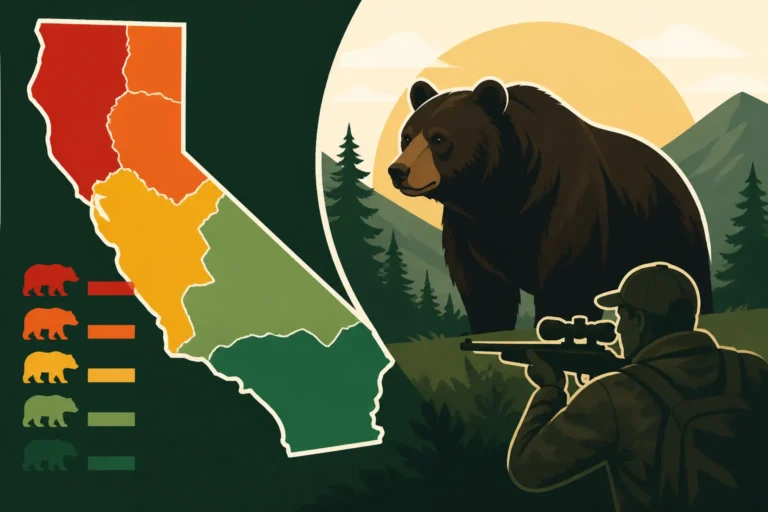
The map below illustrates the general areas affected by the initial CWD detections and the subsequent mandatory testing zones. These zones essentially create a buffer and a concentrated area for intensified surveillance. Hunters harvesting deer within these zones are now subject to specific requirements, which we will delve into further. The focus remains on thorough testing and strict adherence to carcass movement restrictions to protect California's broader deer and elk herds.
| Case Number | Date of Confirmation | Species | Location (Deer Hunt Zone) | Primary County Impacted |
|---|---|---|---|---|
| First Case | Date confirmed | Mule Deer | M7 | Mono, Inyo |
| Second Case | Date confirmed | Mule Deer | M8 | Mono |
Hunters should always check current CDFW regulations for the most up-to-date information on CWD zones and requirements.
Implications for Hunters and Wildlife Management
The discovery of CWD in California isn't just a scientific anomaly; it has tangible, real-world consequences for hunters and how wildlife is managed in the state. The CDFW has a mandate to protect wildlife resources, and that means implementing measures to mitigate the spread and impact of CWD. These measures directly affect how, when, and where hunters can pursue their passion, particularly in and around the affected zones. It's a significant shift that requires adaptability and understanding from the hunting community.
Mandatory CWD Testing in Affected Areas
One of the most immediate and impactful changes for hunters in the affected eastern Sierra regions is the implementation of mandatory CWD testing. If you harvest a deer in one of the designated CWD testing zones, you are required to submit specific samples for testing. This isn't just a suggestion; it's a critical component of the state's strategy to monitor the prevalence of the disease and track its potential spread. This process typically involves submitting the head (or specific lymph nodes/brain stem) of your harvested animal to a designated CWD sampling station or a CDFW office. You can often find these locations through the CDFW website or by consulting resources like GoHunt's mapping tools, which can overlay specific CWD testing zones with public land access.
This mandatory testing is absolutely essential for gathering data. Without it, wildlife managers are flying blind, unable to understand the true scope of the disease. While it adds an extra step to the post-harvest process, it's a small price to pay for the long-term health of our deer and elk populations. Remember, participating in this testing directly contributes to the collective effort to manage CWD. The data collected from CWD Testing for California Hunters informs future management decisions, from season structures to potential changes in tag allocations.
Carcass Movement Restrictions to Prevent Spread
Perhaps one of the most challenging implications for hunters, especially those traveling long distances, is the restriction on carcass movement. To prevent the accidental spread of CWD prions to uninfected areas, specific rules are in place regarding what parts of a deer carcass can be transported out of a CWD testing zone. Generally, only deboned meat, clean skull plates (with antlers attached), antlers detached from the skull, and hides are allowed to leave the zone. The brain, spinal column, eyes, spleen, and lymph nodes—parts known to harbor high concentrations of CWD prions—must remain within the designated CWD testing zone for proper disposal.
This restriction means that if you bag a deer in one of these zones, you'll need to be prepared to field process it thoroughly before leaving the area. This might involve quartering the animal and deboning the meat at camp or at a designated processing station within the zone. It's a critical measure to ensure that CWD isn't inadvertently carried by hunters to new, currently uninfected regions. Understanding Moving a Deer Carcass Out of a Testing Zone is not just good practice; it's a legal requirement that protects other deer herds across the state. This also means planning your hunt more meticulously, perhaps bringing additional processing tools or arranging for local processing if available.
Impact on Hunting Seasons and Tag Allocations
While the immediate impact on hunting seasons and overall tag allocations has been primarily focused on the testing and carcass restrictions, the long-term presence of CWD could potentially lead to further adjustments. Wildlife management agencies often respond to CWD detections with strategies designed to reduce disease prevalence and spread. This might involve targeted culling in severely affected areas, changes to hunting season lengths, or even adjustments to the number of tags issued in specific zones. Currently, California's deer season system, like California's Multi-Zone Deer Season System, already accounts for various population dynamics, and CWD could introduce another factor into these complex calculations.
These decisions are not made lightly and are always based on the best available scientific data from California's Deer and Elk Disease Monitoring. The goal is to balance hunting opportunities with the imperative of maintaining healthy wildlife populations. Hunters play a crucial role in this by cooperating with CDFW guidelines and reporting any unusually behaving animals. The CDFW, in conjunction with groups like the Western Association of Fish and Wildlife Agencies (WAFWA), continuously evaluates the situation and adapts management strategies as more is learned about CWD within California's unique ecosystems. While the current changes are manageable, the future could see more significant shifts if the disease's prevalence increases.
Moving Forward: Testing, Prevention, and Responsible Hunting
The detection of CWD in California is undoubtedly a serious development, but it's not a reason to despair or abandon our passion for hunting. Instead, it’s a call to action for every responsible hunter to become part of the solution. Our collective vigilance, adherence to regulations, and commitment to ethical practices will be crucial in mitigating the impact of CWD and protecting California’s treasured wildlife resources for future generations.
How Hunters Can Contribute to CWD Monitoring
As hunters, we are often the first eyes on the ground, and our observations are invaluable to wildlife management. When you're out in the field, whether scouting or actively hunting, pay close attention to the animals you encounter. If you see a deer or elk exhibiting any of the signs associated with CWD—such as extreme emaciation, abnormal behavior, stumbling, or excessive drooling—do not harvest it. Instead, contact CDFW immediately and report your sighting. These reports can provide critical early detection opportunities outside of established testing zones.
Beyond reporting sick animals, actively participating in mandatory CWD testing (as discussed earlier) when hunting in designated zones is your direct contribution. Every sample submitted provides vital data points that help biologists map the disease and understand its prevalence. Even if you're hunting outside a mandatory testing zone, you might consider voluntarily submitting samples, especially if you harvest an older animal, as CWD is more commonly found in mature cervids. Information about sampling locations and how to Report a Deer Through California's App can usually be found on the CDFW website or through trusted hunting community resources.
Best Practices for Field Dressing and Carcass Disposal
Proper field dressing and carcass disposal are paramount in preventing the spread of CWD prions. If you’re hunting in a CWD-positive or designated testing zone, consider field dressing your animal at the harvest site. This minimizes the transportation of potentially infected materials. If you must move the carcass before processing, do so carefully to avoid spilling bodily fluids. Always use separate knives and tools for processing if possible, and thoroughly clean and disinfect all equipment, including knives, saws, and hands, with a 10% bleach solution after handling any game, regardless of whether it came from a CWD zone.
When it comes to carcass disposal, never, ever dump deer or elk remains haphazardly on public land or in waterways. If you're in a CWD testing zone, follow specific instructions from CDFW regarding the disposal of high-risk tissues (brain, spinal cord, etc.). Generally, the best practice is to double-bag these materials and dispose of them in a landfill. If you’re outside a designated zone, burying remains deeply (at least 3-4 feet) or double-bagging and disposing of them in a municipal landfill is the safest option. For venison intended for consumption, familiarize yourself with guidelines for Handling Venison From a CWD Testing Zone to ensure peace of mind.
Staying Informed and Utilizing Resources like GoHunt
The CWD situation is dynamic, and regulations can change as new information emerges. It is absolutely essential for every California hunter to stay informed about the latest CWD updates from official sources like the CDFW. Regularly check their website for current regulations, CWD zone maps, and sampling station locations. Beyond official channels, reputable hunting platforms can be incredibly helpful. Resources like GoHunt often provide invaluable tools, such as detailed maps that can overlay CWD management zones with public and private land boundaries, helping you plan your hunt responsibly. They might also publish articles or updates that synthesize the latest information, making it easier for hunters to stay current.
Being an informed and responsible hunter means more than just knowing season dates and bag limits. It means understanding the challenges facing our wildlife, like CWD, and actively participating in the solutions. By adopting best practices, cooperating with CDFW, and utilizing all available resources, we can all contribute to safeguarding California's deer and elk populations and ensuring the future of our hunting traditions.
Disclaimer
This article is for general informational purposes only and does not constitute professional advice. Laws, prices and regulations vary by location and change over time. Consult a qualified professional for guidance on your specific situation.