California Deer Farm Regulations
The world of hunting and wildlife management can feel like a labyrinth, especially when you start looking into specific nuances like "deer farming." Many hunters and landowners in California get confused, thinking they can raise deer commercially for venison or private hunting, similar to practices in other states. The reality in California is quite different and much more restrictive, primarily driven by a deep commitment to protecting our wild deer populations. This guide will meticulously break down California's strict stance on deer farming, what limited regulations exist for captive cervids, and why these stringent rules are crucial for the health and future of our beloved wild deer.
Understanding California's Stance on Deer Farming
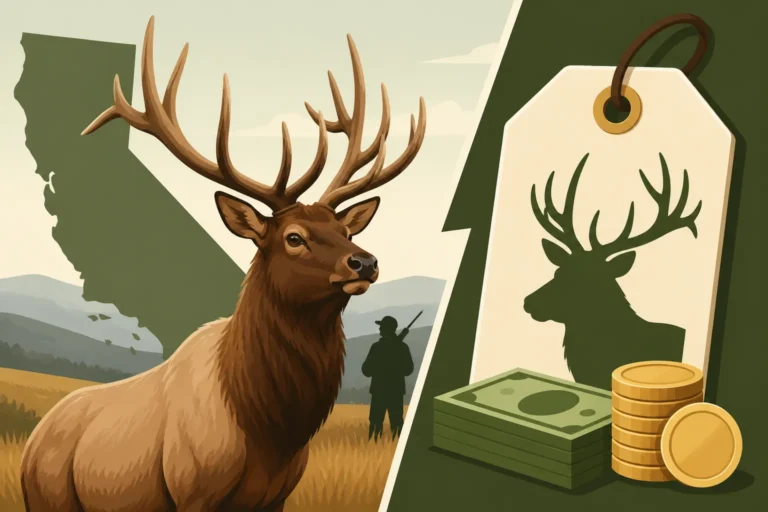
Let's clear the air right off the bat: commercial deer farming, as many understand it in other parts of the country—raising deer for private hunting preserves or large-scale venison production—is simply not permitted for native species in California. The state views its wildlife as a public trust, meaning it belongs to all Californians and cannot be privately owned or commercialized in the way livestock can be. This fundamental principle shapes every regulation concerning deer.
What "Deer Farming" Typically Means Elsewhere
In many other states, particularly in the Midwest or South, "deer farming" refers to operations where cervids (deer, elk, etc.) are raised in enclosed pens, often for meat, antler velvet, or to stock high-fence hunting ranches. These operations often treat deer more like agricultural commodities, subject to different laws than wild game. They might involve breeding programs, supplemental feeding, and specific health certifications. This model, however, clashes directly with California's wildlife management philosophy. The potential for disease transmission, genetic alteration, and the commodification of a public resource are significant concerns that California actively legislates against.
California's Public Trust Doctrine and Wildlife
California operates under the Public Trust Doctrine when it comes to wildlife. This legal principle asserts that certain natural resources, including fish and wildlife, are held in trust by the state for the benefit of all its citizens. This isn't just a philosophical idea; it's enshrined in state law and dictates how the California Department of Fish and Wildlife (CDFW) manages all game species. For deer, this means they are considered a wild resource, managed for their ecological value and for public recreational opportunities like hunting, but not for private profit or commercial breeding outside very specific, non-commercial contexts. This doctrine ensures that decisions about deer populations prioritize their health, genetic diversity, and habitat, rather than economic gain for private entities. This is a crucial distinction that often surprises people moving to California or those unfamiliar with its unique wildlife laws.
The Strict Rules for Captive Cervids in California
While commercial deer farming for native species is generally prohibited, this doesn't mean there are no regulations regarding captive deer in California. Instead, any institution or individual possessing live cervids (like deer or elk) must adhere to an incredibly strict set of rules, primarily designed to prevent escape, protect wild populations, and monitor for diseases. These regulations are not in place to facilitate farming but rather to tightly control any instance of captive wildlife.
Permits and Oversight: Who Regulates Captive Deer?
If you're thinking about having any captive cervid in California, even for non-commercial purposes like educational exhibits or scientific research, you're looking at a bureaucratic gauntlet. The California Department of Fish and Wildlife (CDFW) is the primary agency responsible for permitting and oversight. They meticulously review every application, and permits are granted only under very specific, controlled circumstances. This isn't a simple "fill out a form and get a license" process. These permits often come with rigorous conditions, requiring detailed plans for animal care, enclosure specifications, emergency protocols, and veterinary oversight. It’s a far cry from what one might imagine for a "farm." The regulations are designed to minimize any interaction or impact on wild herds, reinforcing California's commitment to its wild deer, such as the Columbia Blacktail and Mule Deer in California. Understanding these stringent requirements is vital, and resources like California Wildlife Violation Penalties illustrate the seriousness with which these laws are enforced.
Disease Prevention: A Major Driving Force
One of the paramount concerns driving California's restrictive approach to captive cervids is disease prevention. The specter of Chronic Wasting Disease (CWD) looms large in wildlife management across North America. CWD is a fatal, contagious neurological disease affecting deer, elk, and moose. It's similar to mad cow disease and has no vaccine or cure. If CWD were to establish itself in California's wild deer herds, it could have devastating ecological and economic consequences.
Therefore, any permitted captive cervid facility is subjected to intense disease surveillance. This includes mandatory CWD testing protocols, often requiring animals to be tested upon death or removal from the facility. Facilities must maintain strict biosecurity measures to prevent the introduction or spread of diseases. This is a constant and expensive undertaking, highlighting the state's proactive stance against this threat. You can learn more about these efforts in guides like California's Deer and Elk Disease Monitoring and California's Two CWD Testing Zones. The regulations also cover aspects like the sourcing of animals (often requiring proof they come from CWD-free areas) and stringent health records, all aimed at safeguarding wild populations.
Physical Requirements: Fencing and Containment
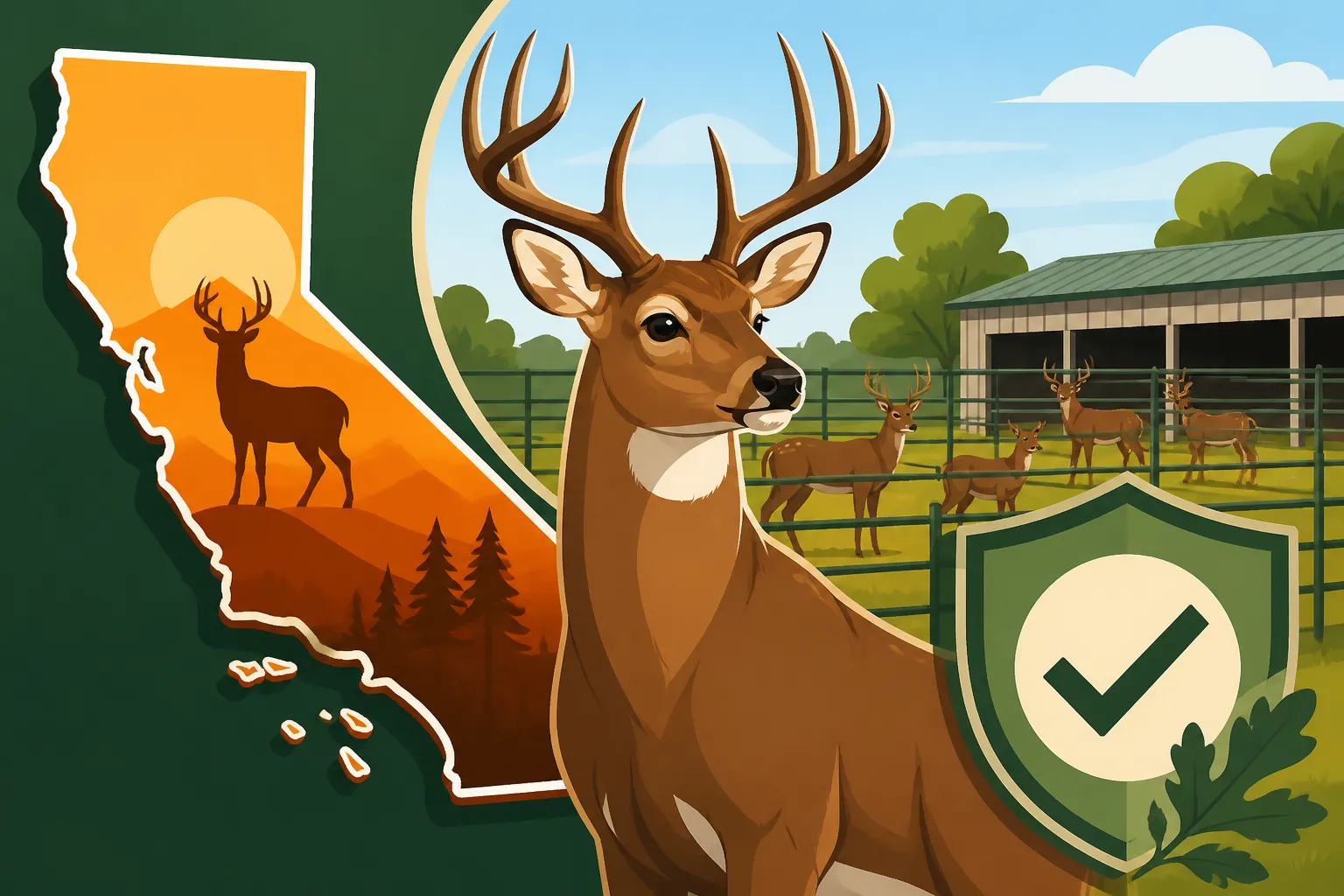
The physical infrastructure required for any permitted captive cervid facility in California is equally strict. We're not talking about a simple fence. Regulations mandate high-security, escape-proof enclosures designed to prevent any possible interaction between captive animals and wild deer. These fences are typically tall, robust, and often double-fenced with specific gate protocols to eliminate even the slimmest chance of an animal escaping or a wild deer breaching the enclosure. The intent is to create a complete physical barrier. The specific height, materials, and construction methods are often dictated by CDFW to ensure maximum security. Think more like a zoo enclosure than a typical livestock fence. These stringent requirements are a direct consequence of the state's deep concern for preventing disease transmission and genetic mixing with wild populations. Any landowner considering such an undertaking would need to be prepared for significant investment and ongoing maintenance to meet these exacting standards, and even then, commercial purposes remain off-limits.
Why California Stands Apart: Protecting Wild Deer Herds
California's unique and highly restrictive stance on deer farming isn't arbitrary; it's a deliberate and carefully considered approach rooted in ecological science, public policy, and a deep-seated commitment to preserving its natural heritage. The state has learned from the experiences of other regions and chosen a path that prioritizes the long-term health and integrity of its wild deer populations above short-term commercial interests.
Preventing Chronic Wasting Disease CWD
As mentioned, CWD is arguably the single biggest threat driving California's strict regulations. Once established in a wild deer population, CWD is incredibly difficult, if not impossible, to eradicate. The disease can linger in the soil for years, making areas unsafe for deer even after infected animals are removed. States that permit deer farming or high-fence operations have, unfortunately, seen an increased risk and occurrence of CWD outbreaks, often linked to captive facilities. These facilities, by concentrating animals, can become hotspots for disease transmission. California is determined to avoid this scenario. The comprehensive prohibition on commercial deer farming is a proactive measure to create a buffer zone, minimizing potential vectors for CWD. The state has even designated California's Two CWD Testing Zones where heightened surveillance occurs, underscoring the gravity of this threat. Hunters, too, play a role by following rules like Handling Venison From a CWD Testing Zone to prevent any potential spread.
Maintaining Genetic Integrity of Wild Populations
Another critical reason for the ban on commercial deer farming is the protection of the genetic integrity of California's wild deer. When captive-bred deer, which may have different genetic characteristics (e.g., from selective breeding for antler size or growth rate), escape or interbreed with wild deer, it can dilute the genetic pool of native populations. Wild deer have evolved over millennia to thrive in California's specific environments, developing adaptations for climate, forage, and predator evasion. Introducing "farmed" genetics could weaken these adaptations, potentially making wild herds less resilient to environmental changes, diseases, or other pressures.
This focus on genetic purity is a hallmark of sound wildlife management. It ensures that future generations of deer, like those found in California's Multi-Zone Deer Season System, remain robust and truly wild. The state understands that the long-term health of an ecosystem depends on the intrinsic qualities of its native species, unadulterated by human commercial intervention. This commitment is why you won't find a market for "hybrid" deer introduced from private stock here.
Avoiding Commercialization of Wildlife
California's firm stance against deer farming also reflects a broader philosophical opposition to the commercialization of its wildlife. The Public Trust Doctrine views wildlife as a shared legacy, not a private commodity to be bought, sold, or manipulated for profit. Allowing commercial deer farming could fundamentally alter this perception, leading to a slippery slope where wild animals are increasingly seen as assets for private enterprise rather than public resources. This could undermine the conservation ethics that have historically guided wildlife management and potentially diminish the public's appreciation for truly wild game. For a state like California, with its diverse and unique ecosystems, maintaining this distinction is vital. It reinforces the value of pursuing Wild Pig Hunting California Year-Round or Bowhunting California's Zone A Season as a public privilege, not a paid-for service on a captive animal.
Here's a quick comparison of various deer-related activities in California:
| Feature | Commercial Deer Farming (e.g., meat/trophy) | Permitted Captive Cervids (e.g., zoos, research) | Wild Deer Hunting (CDFW regulated) |
|---|---|---|---|
| Legal in California? | No, generally prohibited for native species. | Yes, under very strict permits & oversight. | Yes, with proper licenses & tags. |
| Purpose | Private profit, specialized products. | Education, research, rehabilitation. | Recreation, sustenance, wildlife management. |
| Primary Regulator | N/A (prohibited) | CDFW, often CDFA | CDFW |
| Disease Testing | N/A | Mandatory, rigorous (especially for CWD). | Mandatory for specific CWD zones post-harvest. |
| Enclosure Type | N/A | High-security, double-fenced, escape-proof. | N/A (free-ranging wild animals). |
| Genetic Origin | Farm-bred, potentially non-native crosses. | Carefully sourced, often non-native species. | Native, wild genetics. |
| Cost to Participant | N/A | Significant operational costs for facilities. | Licenses, tags, gear, travel. |
Implications for Hunters and Landowners
California's deer farm regulations, or rather the lack of commercial deer farming, have direct implications for both hunters and landowners. It shapes the landscape of hunting opportunities, defines what landowners can and cannot do with deer on their property, and fundamentally reinforces the wild nature of California's hunting heritage. For those interested in maximizing their hunting success, utilizing tools like GoHunt for drawing odds and public land information is crucial, as there are no "guaranteed" farmed deer hunts.
No High-Fence Hunts for Wild Deer
One of the most immediate implications is that hunters will not find "high-fence" hunting operations in California for deer where animals are raised and released into a fenced area for guaranteed hunts. This practice, while legal in some states, is antithetical to California's wildlife management philosophy. The state firmly believes that hunting should involve pursuing wild, free-ranging animals in their natural habitat. This means that every deer harvested in California, whether a blacktail in Zone A or a mule deer in an X-zone, is a truly wild animal that has navigated its environment without human intervention beyond management. This contributes to the challenge and satisfaction of hunting in California, ensuring a more authentic experience. It also means that scouting Hunting a National Forest Burn Scar or learning about Hunting Coastal Range Oak Woodlands takes precedence over simply paying a fee to hunt a captive herd.
The Importance of Reporting Deer Sightings
For landowners, particularly those with significant acreage, the regulations mean that deer on their property remain property of the state. They cannot be bought, sold, or commercially exploited. This doesn't mean landowners have no role in deer management; quite the opposite. Landowners often serve as important stewards of deer habitat. Reporting unusual deer behavior, sick animals, or even significant population declines to CDFW is critical. This collaboration between private landowners and wildlife agencies is vital for monitoring herd health and disease prevalence, especially as concerns about CWD grow. If you're managing a ranch or large property and you see something concerning, the CDFW needs to know. For landowners looking to manage their property in conjunction with state regulations, exploring topics like Getting Private Land Permission in California can offer insights into legal ways to interact with wild game on private land, without crossing into "farming."
Responsible Hunting Practices on Public and Private Land
Ultimately, the absence of deer farming underscores the importance of responsible hunting practices and a deep respect for wild game. Hunters are not just participants; they are vital conservationists. This means understanding and adhering to all California Hunting Licenses and What They Cost requirements, season dates, bag limits, and ethical hunting practices. It means making a clean shot, proper field dressing, and complying with all reporting requirements, such as those related to deer harvests. For those using platforms like GoHunt to plan hunts, the information provided is always centered on pursuing truly wild game, reflecting California's values. When planning your next hunt, whether it’s for Hunting California's High-Country X-Zones or targeting deer in the general season, remember that you are pursuing a wild animal, a part of California's natural heritage, and that inherent wildness is what these regulations are designed to protect. Always confirm local rules, as things like California Hunter Education Requirements are mandatory and ensure a safe and ethical hunting experience for all.
Disclaimer
The information provided in this guide is for general informational purposes only and does not constitute legal advice. Hunting regulations and wildlife laws in California are subject to change. Always consult the latest official California Department of Fish and Wildlife (CDFW) regulations and appropriate legal counsel for specific guidance.