California’s Multi-Zone Deer Season System
California's deer hunting landscape can feel like a tangled web of regulations, zones, and deadlines, leaving many hunters scratching their heads about where and when they can pursue a buck. This comprehensive guide will demystify the state's multi-zone deer season system, helping you understand the different designations, navigate application processes, and plan your next hunt with confidence.
Understanding California's Deer Zone Philosophy
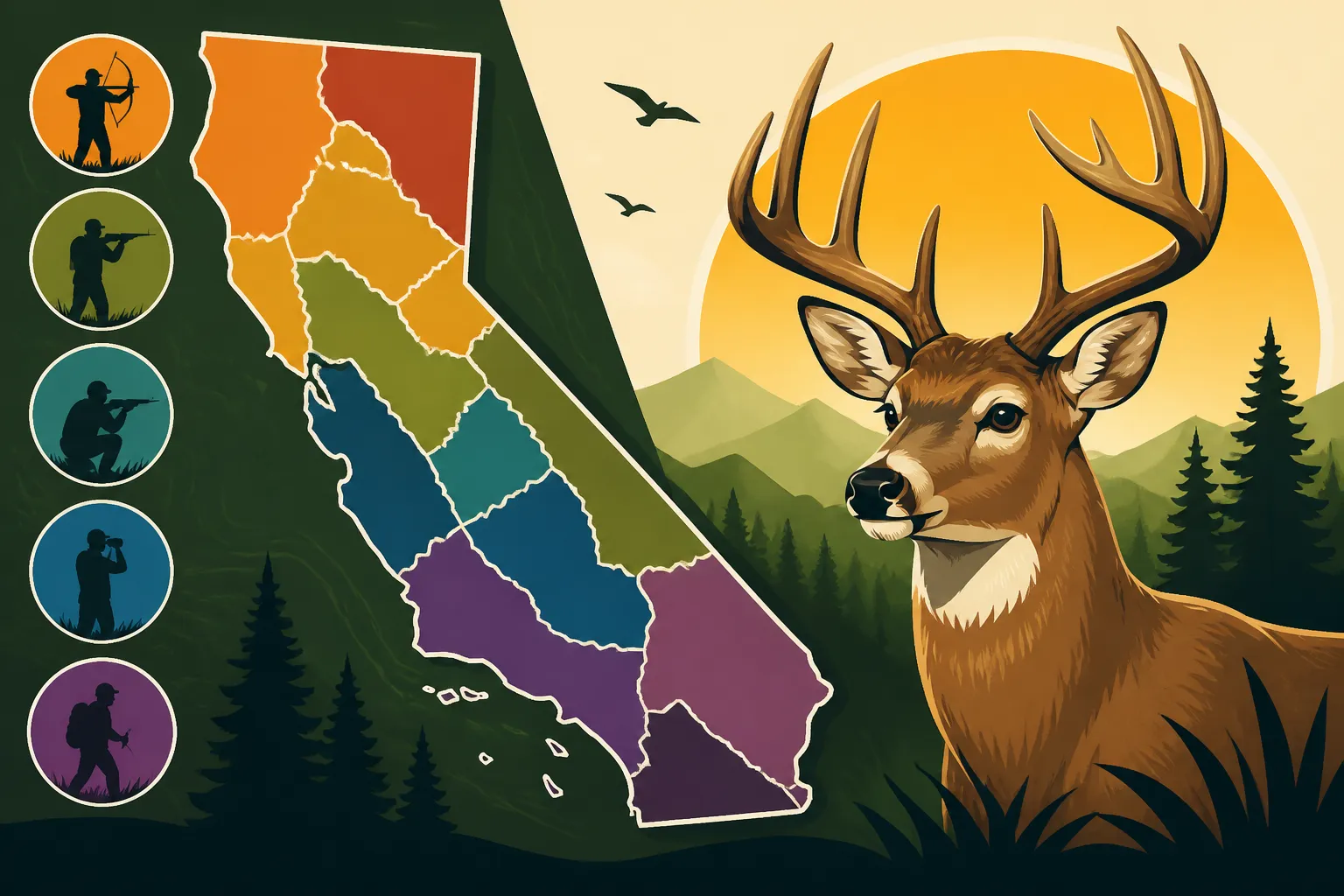
California's deer season isn't a simple statewide opener; instead, it's divided into a series of distinct zones, each with its own specific season dates, tag quotas, and sometimes even weapon restrictions. This system, while complex at first glance, is actually a strategic approach by the California Department of Fish and Wildlife (CDFW) to manage deer populations effectively across the state's incredibly diverse habitats. From coastal chaparral to high Sierra peaks and vast desert ranges, deer face different environmental pressures and reproductive cycles, necessitating a tailored management strategy.
The Rationale Behind a Zoned System
The primary reason for California's zoned deer season is biological. Deer herds in different regions of the state have varying population sizes, health, and habitat conditions. A "one-size-fits-all" approach would be detrimental, leading to overharvest in some areas and underutilization in others. By creating zones, the CDFW can:
- Distribute Hunting Pressure: Spreading hunters across different areas and opening dates reduces congestion in any single location, enhancing the hunting experience and minimizing impact on local communities. Imagine if every deer hunter in California descended on the same few square miles on opening day – it would be a chaotic scene. The zones help prevent this.
- Align with Biological Cycles: Deer in the coastal Zone A might rut and fawns earlier than those migrating in the high-elevation X-zones. Aligning season dates with these biological cycles, like the peak of the rut or post-fawning periods, allows for more ethical hunting opportunities and healthier herd management. For instance, an early archery season in a coastal zone might target bucks before they shed velvet and become more reclusive, while a later rifle season in the mountains aims to coincide with deer moving to lower elevations as winter approaches.
- Respond to Local Conditions: Droughts, wildfires, and other environmental factors can significantly impact local deer populations and their habitat. The zoned system offers flexibility, allowing the CDFW to adjust tag numbers or season lengths in specific areas without affecting the entire state, ensuring sustainable hunting for future generations. If a particular zone experiences a severe winter, tag numbers might be reduced the following year to allow the herd to recover.
How Zones Differ from Quota Hunts X-zones
While all zones have a tag quota, there's a significant distinction between the general zones (A, B, C, D) and the premium, draw-only X-zones. General zones are typically "over-the-counter" tags, meaning that once you've purchased your annual California hunting license and any necessary endorsements, you can buy a general deer tag for the zone of your choice until the quota for that zone is met. These are generally available to a much wider pool of hunters and offer more flexible access.
In contrast, the X-zones are the state's premier draw hunts, known for their limited tags and often, the potential for trophy-class animals. These zones have very strict quotas, and tags are allocated through California's Big Game Drawing. This means you have to apply well in advance, often in the spring, and enter a lottery system. If you're successful in drawing an X-zone tag, you've secured one of a very limited number of permits, granting you access to areas managed for lower hunting pressure and potentially older-age-class bucks. Hunters often accumulate preference points for years to increase their odds of drawing one of these highly sought-after tags, making the X-zones a different ball game entirely.
A Deep Dive into California's General Deer Zones
California's general deer zones form the backbone of the state's hunting opportunities, offering varied landscapes and season dates for hunters. Understanding the characteristics of each zone is crucial for planning your hunt, whether you're after coastal blacktail, high-desert mule deer, or something in between.
Zone A: The Coastal and Early Archery Hotspot
Zone A is California's largest general zone, encompassing much of the central and southern coastal ranges, from Sonoma County down through San Luis Obispo and parts of Kern and Santa Barbara counties. It's primarily known for its Columbia blacktail deer, and due to its often warmer climate, it typically has the earliest archery and general rifle season openers in the state. This makes it a popular destination for those eager to hit the field first.
The terrain in Zone A can vary wildly, from dense oak woodlands and chaparral in the lower elevations to more open country in higher, inland areas. Hunters often contend with thick cover, making spot-and-stalk hunting challenging but rewarding. The early season also means dealing with hot weather, which requires careful planning for hydration, meat care, and stealth. If you're thinking about pursuing deer here, a good starting point might be to look into the specific details around California Zone A General Season Dates. The early archery opener is a big draw, with many hunters heading out for Hunting California's Zone A July Archery Opener in the thick coastal timber.
Zone B: Northern Mountains and Diverse Habitats
Zone B covers a vast swath of Northern California's mountains, including parts of the Coast Ranges north of Zone A, the Klamath Mountains, and the western slopes of the Cascades. This zone is a melting pot of habitats, featuring dense conifer forests, brushy hillsides, and river canyons. It's home to both Columbia blacktail deer and, in its eastern fringes, transitions into mule deer territory.
Hunting in Zone B often involves more rugged, mountainous terrain and can be physically demanding. Seasons here typically open a bit later than in Zone A, aligning with cooler weather and potentially more active deer. Success in Zone B often hinges on covering ground, reading sign in dense timber, and being prepared for diverse weather conditions. This is a zone where hunters might find themselves glassing open slopes one day and still-hunting through thick undergrowth the next. The diversity of the habitat means that strategies employed for Still-Hunting California's Sierra Nevada Timber might also be adapted for the dense forests found in Zone B.
Zone C: Sierra Foothills and Central California
Zone C generally encompasses the western slope of the Sierra Nevada foothills and parts of the Inner Coast Range, stretching from Shasta County south to Fresno County. This zone is characterized by rolling hills, oak woodlands, ponderosa pine forests, and agricultural lands. It's another blacktail deer stronghold, with some areas seeing hybridizations with mule deer.
The hunting experience in Zone C can be highly variable. Early in the season, deer might be found higher up in the cooler timber, while later, they might descend to feed on acorns in the oak country. Access can be a mix of public land, often within National Forests, and private lands, requiring careful scouting and, for private land, securing permission. The season dates for Zone C typically fall in mid-September to mid-October, offering a different set of challenges and opportunities than the earlier Zone A hunts. For detailed season dates, check out California Zone C General Season Dates. The strategy of Hunting Coastal Range Oak Woodlands is often very applicable here, as these ecosystems are prime blacktail habitat.
Zone D: The Expansive, Varied Interior Zones
The "D-zones" are a collection of sub-zones (D3-D12) that collectively cover a massive portion of California's interior, including the eastern Sierra Nevada, the Modoc Plateau, the Central Valley floor, and parts of the southern deserts. These zones are incredibly diverse, hosting primarily mule deer, but also some blacktail and hybrid populations, depending on the specific D-zone unit. Due to their vastness and varying habitats, the D-zones have some of the most complex and staggered season dates.
Hunting in the D-zones can range from high-elevation backpack hunts for migratory mule deer to stalking through scrub brush in the lower elevations. The D-zones are where many hunters find their standard deer tag opportunity, especially those living in the Central Valley or Eastern Sierra. Some D-zones open as early as August, while others extend into November. It's vital to know precisely which D-zone unit you intend to hunt, as their season dates and even tag availability can differ significantly. For instance, Hunting a D-Zone That Opens in August will be a very different experience than hunting one that opens in late October. It is often necessary to understand Hunting a Staggered D-Zone Subunit to maximize your chances.
Zone S: Special Hunts and Depredation Tags
While not a "general" zone in the same way A-D are, Zone S is an important category that covers a range of special hunting opportunities throughout California. These are typically localized hunts designed to address specific wildlife management needs, such as managing deer populations on agricultural lands (depredation hunts), providing youth-only opportunities, or opening areas that are otherwise closed to general hunting.
Zone S tags are often very limited in number and are typically allocated through a drawing or specific application process. They are not part of the standard general zone tags you might purchase over the counter. Examples might include hunts on military bases, state parks, or specific private lands where deer numbers need to be controlled. These hunts can offer unique experiences, often with fewer hunters and specific objectives. For hunters interested in expanding their opportunities, keeping an eye on the CDFW's special hunt announcements is crucial, as these can present exciting, albeit limited, chances.
Navigating the Drawing: Premium X-Zones and Tag Allocation
California's X-zones represent the pinnacle of deer hunting opportunity for many, offering the chance to hunt specific, often trophy-rich, areas with very limited pressure. However, securing one of these coveted tags requires navigating a dedicated application and drawing process.
What Makes X-Zones "Premium"?
The X-zones (X1, X2, X3a, X3b, X4, X5a, X5b, X6a, X6b, X7a, X7b, X8, X9a, X9b, X9c, X10, X12) are premium deer hunting zones primarily located in the high-elevation Sierra Nevada and northeastern portions of the state. What sets them apart is their strict management for buck quality and controlled hunter access. The CDFW issues a very limited number of tags for each X-zone, often just a few hundred or even fewer, ensuring that hunting pressure remains low. This lower pressure, combined with excellent habitat and strong herd management, often translates into a higher probability of encountering mature bucks.
For many dedicated deer hunters, an X-zone tag is a once-in-a-lifetime opportunity. The terrain in these zones is often rugged and remote, requiring physical fitness and a willingness to venture deep into the backcountry. Successful hunters often spend countless hours scouting, glassing high peaks, and understanding deer migration patterns. The promise of an older, larger-antlered buck is what drives so many hunters to apply year after year, patiently accumulating points. For those dreaming of a high-country adventure, learning about Hunting California's High-Country X-Zones is a must.
The Preference Point System Explained
To manage the high demand for X-zone tags, California employs a preference point system. When you apply for an X-zone tag and are unsuccessful in the draw, you receive one preference point for that year (if you selected to accumulate a point). These points accumulate over time, and each point gives you a slightly better chance in subsequent draws. Essentially, the more points you have, the higher your odds of drawing a tag. It's a system designed to reward persistence.
Here's how it generally works:
- Application: During the designated application period (typically in the spring), you apply for your desired X-zone. You'll specify your first, second, and third choices.
- Point Accumulation: If you don't draw your first choice, you can elect to receive a preference point for that year instead of being considered for your lower choices. This point is added to your existing total.
- Drawing Odds: The drawing is conducted with a certain percentage of tags allocated to applicants with the most points, increasing their chances. For instance, if there are 100 tags, a portion might go to the highest point holders, and the rest go into a random draw where each point gives you another "entry."
- No Points for Success: Once you draw an X-zone tag, your accumulated preference points are "zeroed out" for that specific deer species, and you start accumulating them again from scratch.
Understanding The California Big Game Drawing Explained is critical to navigating this process effectively and maximizing your chances of success. It's a long game, but the reward can be well worth the wait.
Application Strategies and Odds with GoHunt
Navigating the X-zone drawing requires a strategic approach, especially given the low draw odds for some of the most popular units. This is where tools like GoHunt become invaluable. GoHunt offers a comprehensive platform that provides detailed draw odds for every X-zone, broken down by residency, point totals, and specific hunt choices. This data allows hunters to make informed decisions about where to apply, realistically assessing their chances.
A common strategy involves analyzing historical draw odds:
- High-Point Strategy: If you have many preference points, you might target a highly sought-after X-zone with historically tougher odds, knowing your accumulated points give you a significant advantage.
- Building Points: Newer hunters might choose to apply for a point-only option for several years, building up a substantial point bank before seriously contending for a premium tag.
- "Hybrid" Approach: Some hunters might apply for a moderate-odds X-zone as their first choice, then a point-only option for their second, ensuring they either draw a tag or gain a point.
GoHunt's filtering capabilities allow you to input your current point totals and see what your actual draw odds are for each X-zone. They also provide unit profiles, success rates, and even harvest data, giving you a competitive edge in planning. This kind of detailed insight can help you decide whether to burn your points on a moderate-odds hunt or continue building for that dream tag.
Season Dates and Key Considerations Across Zones
Understanding the season dates is paramount to planning any deer hunt in California. The state's diverse geography means that opening and closing dates vary significantly across zones, offering opportunities from late summer through late fall.
General Season Openers and Closures
The general rifle seasons for deer in California are staggered to manage hunting pressure and align with regional deer behavior.
- Early Openers (Late Summer/Early Fall): Zone A typically kicks off the general season in mid-August. This is followed by many of the D-zones, especially those in the lower elevations or foothills, which often open in late August or early September. These early seasons are often characterized by hot weather, deer in summer patterns, and bucks still in velvet (for the earliest openers). Hunters must be prepared for rigorous conditions and prioritize meat care.
- Mid-Season (Fall): Zone C and the B zones generally open in mid-September to early October, often coinciding with cooler temperatures and the start of the acorn drop in oak country. Many X-zones also have their general seasons in September or October. These periods are often considered prime time by many hunters, as deer are transitioning from summer feeding to fall patterns, and the rut may be approaching in some areas.
- Late Season (Late Fall): Some D-zones and X-zones, particularly those in high-elevation areas, may extend their seasons into late October or even early November. These late hunts can be challenging, involving colder weather, potential snow, and migratory deer patterns. However, they can also coincide with the peak of the rut in certain regions, offering exciting opportunities for big bucks. Hunters need to be prepared for drastic weather changes and often more physically demanding conditions.
A comprehensive table outlining general zone season dates can be incredibly helpful for planning:
| Zone | Typical General Season Open | Typical General Season Close | Primary Deer Species | Key Characteristics |
|---|---|---|---|---|
| A | Mid-August | Mid-September | Columbia Blacktail | Earliest season, often hot, dense coastal chaparral/oak, popular for archery. |
| B | Mid-September | Mid-October | Columbia Blacktail | Northern mountains, dense forests, rugged terrain, diverse habitats. |
| C | Late September | Late October | Columbia Blacktail | Sierra foothills, oak woodlands, varied terrain, often better weather. |
| D | Late August – Early Nov. | Late September – Mid-Nov. | Mule Deer / Blacktail | Highly varied, staggered openers, vast interior, can be high desert or mountain. Check specific D-zones like California D-Zone Season Dates. |
| X | Early Sept – Mid-Oct. | Mid-Sept – Late Oct. | Mule Deer / Blacktail | Premium draw zones, limited tags, often high country, trophy potential. Check California X-Zone Season Dates. |
Archery-Only Season Specifics
California offers dedicated archery-only seasons that precede the general rifle seasons in most zones. This gives bowhunters an exclusive window to pursue deer before firearm pressure begins.
- Zone A Archery: This is often the earliest season in the state, frequently opening in mid-July. Hunters pursuing California Zone A Archery Opening Day face hot, dry conditions but also the unique challenge of hunting deer in their summer patterns, often still in velvet.
- Other General Zones: Archery seasons for B, C, and D zones typically open in August or early September, a couple of weeks before their respective general rifle seasons. These seasons are shorter, often lasting only two to three weeks, and require a high level of skill and stealth.
- X-Zone Archery: Many X-zones also have a short archery-only period before the general rifle hunt. These are often as coveted as the rifle tags, offering bowhunters a unique chance in premium areas.
Bowhunters must adhere to strict equipment regulations, including minimum draw weights and specific broadhead types. It's crucial to confirm all rules regarding legal weapons during California Archery Season before heading afield.
Youth Hunts and Special Opportunities
California is committed to fostering the next generation of hunters, and as such, offers special youth hunting opportunities. These hunts are designed to provide young hunters (under 18) with a less crowded and often more successful experience.
- Junior-Only Seasons: Many zones, especially some D-zones, have specific junior-only hunting periods that may open earlier or run concurrently with part of the general season, but are restricted to licensed junior hunters. These hunts often have smaller tag quotas and dedicated access points.
- Apprentice Hunts: In some cases, specific "apprentice" tags are offered, allowing a new hunter to learn from an experienced mentor. These are invaluable for passing on hunting traditions and knowledge safely and ethically.
- Shared Experience: These youth opportunities are not just about securing a tag; they're about the entire experience. They aim to reduce pressure, increase success rates, and allow mentors to provide focused guidance, truly shaping a young hunter's relationship with the outdoors.
It's always a good idea to check the current year's regulations for specific junior hunt dates and requirements, as these can vary. These opportunities are fantastic for introducing new hunters to the sport in a supportive environment.
Essential Regulations Beyond Zone Lines
While knowing your zone and season dates is crucial, several other statewide regulations apply to all deer hunters in California, regardless of where or when they hunt. Overlooking these can lead to serious consequences, so it's vital to be informed.
California's Non-Lead Ammunition Mandate
Perhaps one of the most significant regulations for California hunters in recent years is the statewide ban on lead ammunition for all hunting. This mandate, fully implemented in 2019, requires the use of non-lead projectiles for taking any game animal anywhere in the state. This was primarily enacted to protect wildlife, particularly the endangered California condor, from lead poisoning caused by consuming gut piles or carcasses containing lead fragments.
- What it Means for Hunters: All rifle, shotgun, and handgun ammunition used for hunting must be certified as non-lead. This typically means copper, copper alloy, or monolithic bullets for rifles and shotguns, and bismuth or steel shot for shotguns.
- Availability and Cost: Initially, finding non-lead ammunition was a challenge, but manufacturers have significantly increased production. However, non-lead options can still be more expensive than traditional lead ammunition. It's crucial to purchase your ammunition well in advance of the season and test it with your firearm to ensure accuracy.
- Ballistics Considerations: Non-lead bullets often have different ballistic properties than their lead counterparts, sometimes being lighter for their caliber or having different expansion characteristics. It's highly recommended to sight in your rifle specifically with the non-lead ammunition you intend to hunt with, ensuring ethical and accurate shots.
Understanding California's Non-Lead Ammunition Requirement is not just a legal necessity but an ethical one, contributing to the health of California's wildlife.
Legal Weapons and Equipment by Season
California has specific regulations concerning the types of weapons allowed for deer hunting, which can vary by season (archery vs. general) and specific hunt.
- Rifles: Most centerfire rifles are legal during general seasons, provided they use non-lead ammunition. There are no minimum caliber restrictions in terms of caliber number, but projectiles must be at least .22 caliber and produce at least 1,200 foot-pounds of energy at the muzzle. Semi-automatic rifles are permitted with certain restrictions on magazine capacity (10 rounds maximum).
- Shotguns: Shotguns are legal for deer with the use of non-lead slugs. Like rifles, they must be centerfire and meet energy requirements.
- Archery Equipment: During archery-only seasons, only bows (recurve, compound, longbow) and crossbows are permitted. Crossbows have specific regulations regarding their use. Arrows must have broadheads with at least two sharp cutting edges and a minimum width of 7/8 inch. There are also minimum draw weight requirements for bows. It's important to consult the regulations for full details on California Crossbow Equipment Rules if you plan to use one.
- Muzzleloaders: Muzzleloaders are also permitted in general seasons, again, requiring non-lead projectiles. Specific regulations apply to their use, including powder types and ignition systems.
Always refer to the current CDFW hunting regulations booklet for the most up-to-date and detailed information on legal weapons and equipment for your chosen season and zone.
Deer Reporting Requirements
One of the often-overlooked but absolutely mandatory steps after harvesting a deer in California is reporting your take. This isn't just a bureaucratic hurdle; it's a critical component of the CDFW's deer management program. The data collected from harvest reports helps biologists monitor deer populations, track success rates, and make informed decisions about future tag allocations and season structures.
- Mandatory Reporting: Every hunter who harvests a deer, whether it's a general tag or an X-zone tag, must report their harvest to the CDFW.
- Methods of Reporting: You can typically report your deer online through the CDFW's Automated License Data System (ALDS) portal, or via the CDFW mobile app.
- Deadline: There's a specific deadline for reporting, usually January 31st of the following year, regardless of when you harvested the deer. Failure to report your deer can result in fines and the inability to purchase a deer tag in future years.
- Information Required: You'll need to provide details such as the date and location of the harvest (county, closest town, and hunt zone), the sex of the deer, and the number of antler points.
Taking the time to accurately report your harvest is a responsibility every California hunter shares. It directly contributes to the sustainability of the deer resource for future generations. Keep a close eye on California Deer Reporting Requirements to stay compliant.
Scouting and Strategy for Multi-Zone Success
Success in California's multi-zone deer system often comes down to thoughtful preparation and adaptable hunting strategies. With such diverse habitats and season structures, what works in one zone might not work in another.
Adapting to Diverse Zone Habitats
California's deer zones encompass an incredible variety of terrain, from dense coastal forests to wide-open sagebrush flats and rugged alpine peaks. A successful hunter knows that their strategy must shift dramatically depending on the specific habitat they're in.
- Coastal Blacktail in Zone A and B: Here, the deer live in thick cover. Spot-and-stalk can be challenging due to limited visibility. Strategies often involve still-hunting slowly through oak woodlands and chaparral, listening for movement, and focusing on pinch points or travel corridors. Understanding Where California Blacktail Bucks Bed in this dense environment is key. Thermals play a huge role, especially during early, hot seasons; deer often move in the cooler mornings and evenings, bedding down in dense north-facing slopes during the heat of the day.
- Sierra Nevada Mule Deer in X-zones and Eastern D-zones: This is glassing country. Hunters often position themselves on high vantage points at first light, systematically sweeping vast canyons and slopes with binoculars and spotting scopes to locate deer. Once a buck is spotted, a careful stalk begins, often covering significant distances over steep, broken terrain. Hunters must be prepared for variable weather and elevation changes. Knowing how to effectively Glassing a Canyon for a Bedded Buck is an indispensable skill here.
- Foothill Deer in Zone C and Western D-zones: These areas are often a mix of open and dense cover. Strategies might include sitting near water sources or acorn flats, rattling and grunting during the rut, or systematic still-hunting through oak-studded hills. Understanding how deer utilize Entry Routes Through a Sierra Foothill Meadow can provide valuable insights into their movement patterns.
- Desert Mule Deer in Southern D-zones: Hunting in the desert requires patience, keen observation, and often focusing on critical resources like water holes or shaded washes. Long-range glassing is still important, but hunters must also be prepared for extreme heat, sparse cover, and very wary animals.
Utilizing Online Tools and CDFW Resources
In the age of digital information, California hunters have an unprecedented array of tools at their fingertips to aid in scouting and planning.
- CDFW Website and Regulations: The official CDFW website is the definitive source for all regulations, season dates, and tag information. It's updated annually and provides essential legal guidance. It also hosts detailed maps of the deer zones and specific hunt areas.
- Mapping Apps (e.g., GoHunt, onX Hunt): These apps are game-changers for public land hunting. GoHunt, for example, offers detailed satellite imagery, topographic maps, and crucial land ownership overlays, allowing hunters to identify public access, pinpoint potential bedding areas, and plan routes. Many hunters use these apps for Scouting California Public Land Before Season, marking waypoints for rubs, scrapes, water sources, and potential ambush points. They also help differentiate between public lands (National Forests, BLM) and private holdings, crucial for avoiding trespass.
- Harvest Reports: The CDFW publishes annual harvest reports that show success rates and harvest numbers by zone. While not directly telling you where to hunt, these reports can help you understand the general productivity of a zone and where deer populations are thriving.
- Online Forums and Communities: Many online hunting forums and social media groups are dedicated to California hunting. While specific spots are rarely given away, these communities can be a great source for general advice, current conditions, and connecting with other hunters.
The Importance of Pre-Season Reconnaissance
You wouldn't show up to a big exam without studying, and hunting should be no different. Pre-season scouting is arguably the most critical component of a successful hunt, especially in California's vast and diverse landscapes.
- Boots on the Ground: Nothing beats physically being in the woods before the season. Hike the trails, check out potential bedding areas, look for fresh sign like rubs, scrapes, and tracks. Pay attention to water sources, especially during dry years. Understand the terrain, how deer might move through it, and potential access challenges.
- E-Scouting: Before you even set foot in the field, use your mapping apps and aerial photos to "e-scout." Identify potential bottlenecks, saddles, draws, and food sources. Mark areas of interest and develop a plan for where you'll focus your ground scouting efforts. For example, learning to use tools for Reading Aerial Photos for Sierra Deer can help identify migration corridors and bedding sites from home.
- Observe Deer Behavior: If possible, spend time observing deer during the off-season. Understand their daily routines, feeding patterns, and how they react to different levels of pressure. This intimate knowledge of local deer can be invaluable when the season opens.
- Adapt Your Plans: The landscape changes, and so do deer patterns. A good scouting plan isn't rigid; it's a dynamic process that continues right up to opening day and even throughout your hunt. Be prepared to adapt if conditions change or if you find new sign.
Common Misconceptions and Troubleshooting
California's deer hunting regulations can be dense, leading to common misunderstandings that could potentially put hunters in a difficult spot. Clearing up these misconceptions is vital for a smooth and legal hunt.
Confusing Zones with Counties
One of the most frequent mistakes new hunters make is assuming that deer zones align perfectly with county lines. While there's often overlap, California's deer zones are drawn based on deer herd ranges, habitat types, and management objectives, not strictly political boundaries. A single county can, and often does, contain parts of multiple deer zones.
- Example: Imagine Mendocino County. Portions might fall into Zone A, while others could be in a B zone. If you buy a Zone A tag, you are only legally permitted to hunt in the Zone A portion of Mendocino County, not the entire county.
- Importance of Maps: This is why consulting official CDFW zone maps is absolutely critical. Do not rely solely on county names or anecdotal information. Use mapping tools like onX Hunt or the CDFW's online maps to verify precisely where zone boundaries lie in relation to where you intend to hunt. Hunting in the wrong zone, even if within the correct county, means you are hunting illegally.
Always double-check your intended hunting location against the official zone map for your specific tag. This diligence will save you from potential citations and ensure your hunt is conducted within legal parameters.
Understanding Tag Transfers and Refunds
Life happens, and sometimes hunting plans fall through. California has specific rules regarding deer tag transfers and refunds, and it's important to understand these limitations.
- No Tag Transfers (Generally): For general deer tags and most drawn tags, you cannot transfer your tag to another hunter. The tag is issued in your name and is only valid for you. Selling or giving your tag to someone else is illegal. The one exception to this is if you draw a depredation permit that specifically allows for transfer to another hunter to assist with animal removal. These are rare and have strict guidelines.
- Refunds are Limited: Refunds for hunting licenses and tags are generally very limited. If you purchase a general deer tag and decide not to use it, you typically cannot get a refund. For drawn tags (like X-zones), if you are successful in the draw, you are usually committed to that tag. There might be extremely rare circumstances, such as a major medical emergency preventing you from hunting, where a refund might be considered, but these are not guaranteed and require direct communication with the CDFW. Do not plan on getting a refund simply because your plans changed.
- Points and Applications: If you apply for a draw tag and are unsuccessful, you'll receive a preference point for that year if you selected that option. However, if you do draw a tag and then decide not to hunt or not to use the tag, you will still lose your accumulated preference points for that species, as if you had hunted. This is a critical consideration for hunters who have spent years building up points.
Before you make any purchase or application, be absolutely certain of your plans and commitment. It's a significant investment, and understanding the rules around refunds and transfers prevents disappointment and potential loss of investment. Details about California Deer License Refund Policy or California Elk Tag Refund Policy can be found in the regulations, which confirm the strict nature of these rules.
Disclaimer
Disclaimer: This guide provides general information about California's deer hunting zones and regulations. Hunting laws and regulations are subject to change. It is the hunter's responsibility to consult the most current California Department of Fish and Wildlife (CDFW) regulations booklet and official website before engaging in any hunting activity. Always confirm season dates, legal weapons, tag requirements, and specific zone boundaries with official CDFW resources.